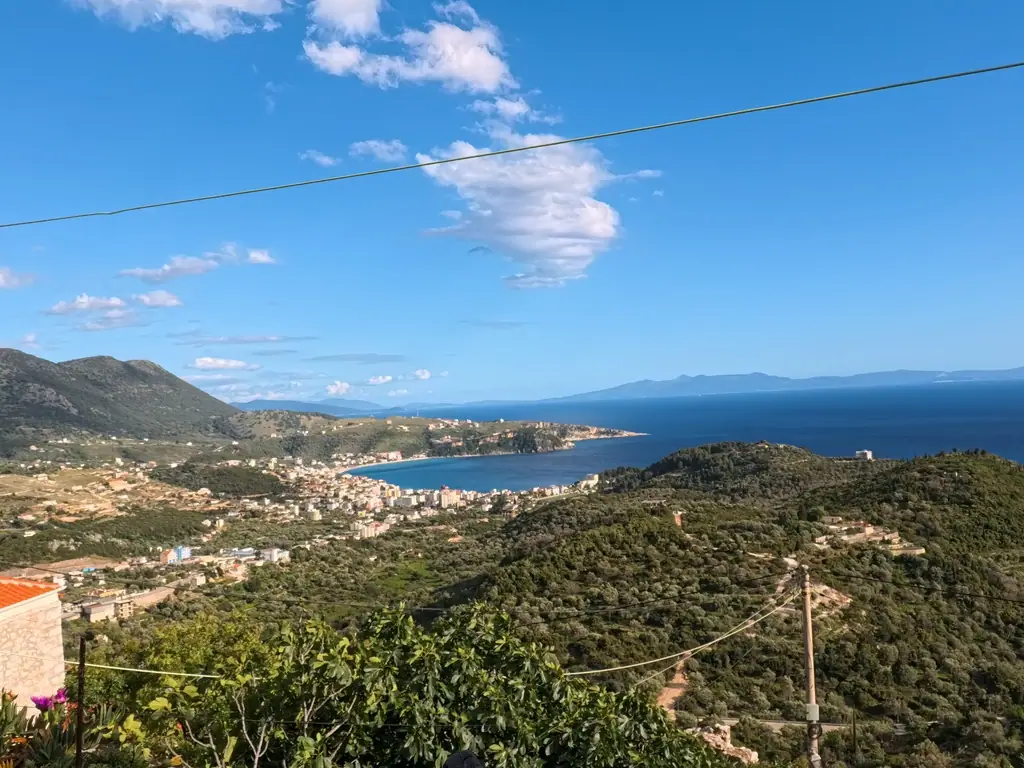
Greek heritage in Himara is visible in language, religious life, place names, and family history across the coastal and hill villages. The most useful way to understand it as a visitor is this: Himara is culturally layered, and local identity is lived daily, not captured by one label.
If your query is himara greek minority culture, this guide focuses on what you can actually observe, how to visit respectfully, and how to avoid the shallow "either-or" framing that misses the place.
Quick Cultural Snapshot
| Dimension | What You Will Notice |
|---|---|
| Language | Albanian everywhere; Greek also present in many family and community contexts |
| Religion | Orthodox churches and feast-day rhythms are culturally central |
| Architecture | Stone village textures, churches, old-town layers |
| Food culture | Shared Greek-Albanian coastal traditions |
| Village context | Himara, Dhërmi, Vuno, and Qeparo each express heritage differently |
| Visitor best practice | Ask, listen, and avoid assumptions |
What "Greek Heritage" Means on the Ground
In travel terms, heritage here is not an abstract history lesson. You see it through everyday signals:
- Religious calendars and church activity
- Family-run tavernas and bilingual context in some areas
- Local naming and toponyms
- Village life rhythms that differ from big tourism hubs
The point is not to "solve" identity from outside, but to understand that this coast has a long multi-layered social history.
Where to Experience It Respectfully
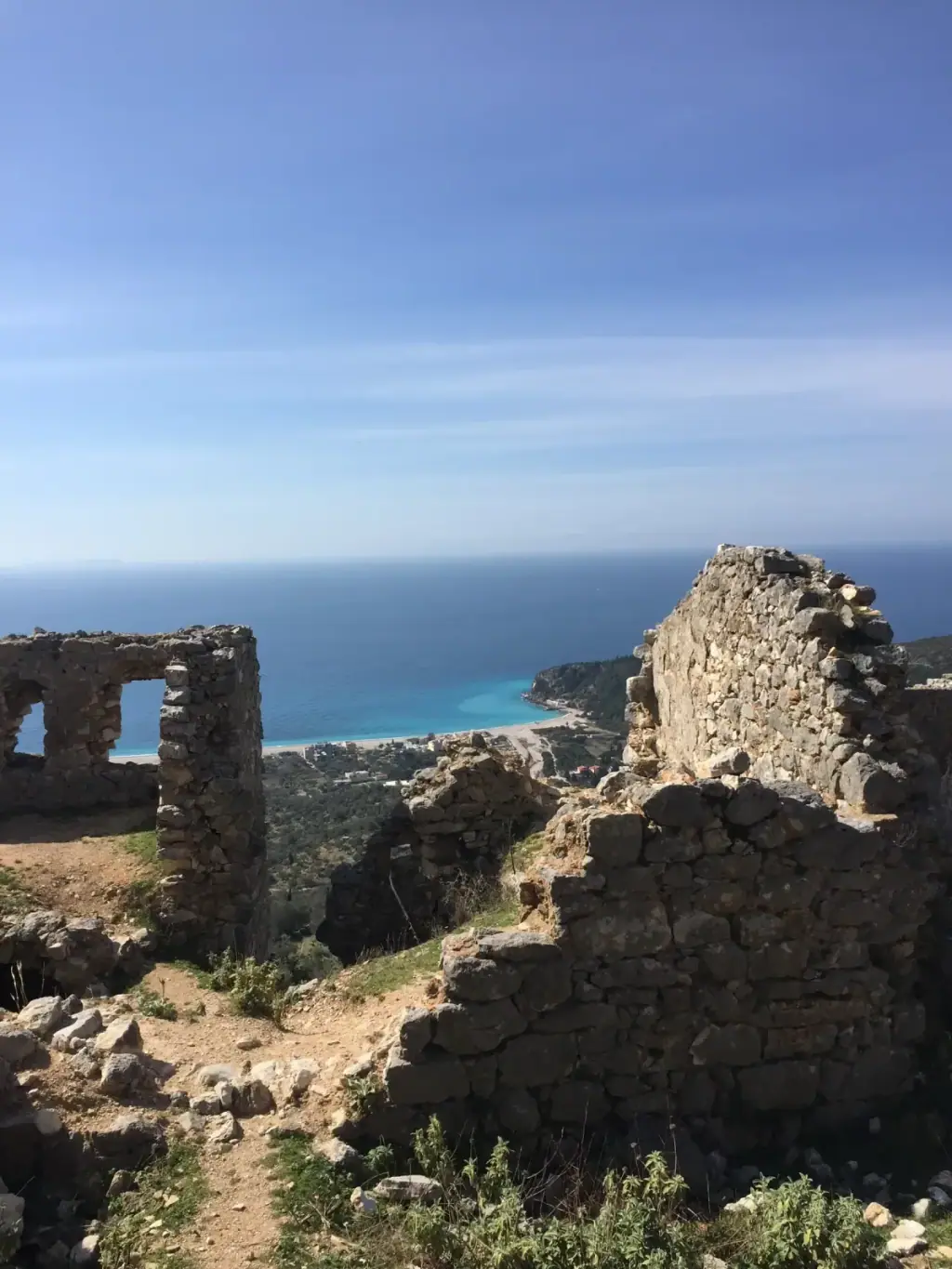
1) Himara Old Town and Castle Layer
Start in old Himara for architectural and religious continuity.
Why start here:
- You immediately see how sacred and civic spaces overlap.
- Churches and stone structures provide historical context.
- It gives a grounded frame before village excursions.
Guide: Himara old town and castle
2) Village Routes (Vuno and Qeparo)
Vuno and Qeparo reveal a slower and more layered cultural atmosphere than coastal strips.
What stands out:
- Traditional building style
- Strong community memory and local storytelling
- Less commercialized daily rhythm
Guide: Vuno & Qeparo villages
3) Orthodox Heritage Sites
Church and monastery routes around Himara and Dhërmi are key to understanding cultural continuity.
Useful links:
Language Reality for Travelers
Practical expectation
- Albanian is universal for basic travel interactions.
- Greek presence is meaningful in many social and religious contexts.
Best visitor behavior
- Start with polite basics in Albanian or neutral greetings.
- Do not perform identity assumptions from accents or names.
- Let locals lead if language/cultural discussion opens naturally.
If you want language basics before arrival, use practical info phrases.
Culture Through Food (Where It Becomes Easy)
Cuisine is one of the easiest ways to feel local crossover heritage without forcing big identity conversations.
You will often see:
- Shared coastal seafood traditions
- Greek-influenced tavern style service in some venues
- Albanian staples alongside broader Mediterranean patterns
Food guides:
A Respectful Visitor Framework
Use this simple approach:
- Observe first.
- Ask open questions, not binary ones.
- Avoid political framing unless invited.
- Support local family businesses directly.
- Treat churches and village spaces as living communities, not open-air sets.
This produces better conversations and better travel experiences.
Suggested 1-Day Cultural Route
| Time | Stop | Purpose |
|---|---|---|
| Morning | Himara old town/castle zone | Architectural and historical orientation |
| Midday | Village lunch (Vuno/Qeparo direction) | Daily life and food culture |
| Afternoon | Church/monastery stop | Religious continuity context |
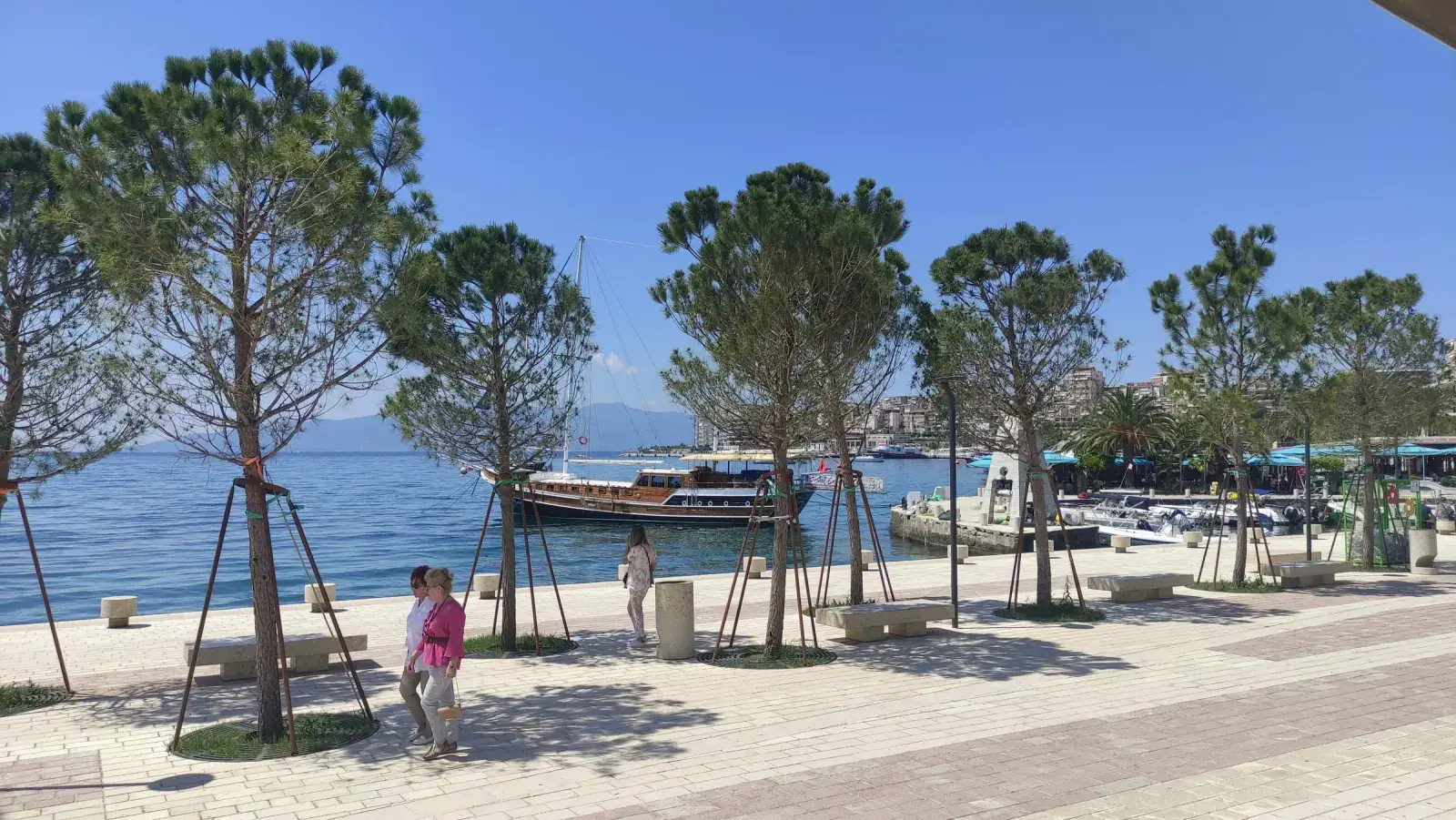
| Evening | Himara promenade xhiro | Contemporary social rhythm |
Related: Himara xhiro guide
Cost Planning for Cultural Day
| Item | Typical Range |
|---|---|
| Castle/church-related entry/donation mix | 0-300 ALL + optional donation |
| Village coffee stop | 100-250 ALL |
| Traditional lunch | 800-1,500 ALL |
| Taxi half-day village loop | ~3,000-6,000 ALL |
You can do this route on a low budget if you combine local transport and selective paid stops.
Common Mistakes Visitors Make
-
Treating heritage as a one-photo checklist. This region rewards time and conversation, not speed.
-
Asking loaded political questions first. Start with place, food, language, and everyday life.
-
Confusing visibility with homogeneity. Different villages express identity differently.
-
Skipping religious etiquette. Modest dress and quiet behavior matter in active sacred spaces.
How This Connects to Broader Himara Travel
The deep background. Chaonian origins, Byzantine continuity, Ottoman-era autonomy, is traced in the history of Himara. Understanding local heritage changes how you experience everything else:
- Beach days feel less "generic resort"
- Village visits become meaningful, not decorative
- Food choices become more intentional
- Even evening promenade rhythm makes more sense socially
If you are building a full mixed itinerary, combine this with:
himara greek minority culture: Advanced Planning Matrix
Use this matrix when your itinerary is still fuzzy. It keeps decisions practical around himara greek minority culture, not generic travel advice.
| Scenario | Recommended Move | Why It Works |
|---|---|---|
| Short stay (2-3 days) | Keep one base and avoid daily relocations | Reduces transfer waste and improves day quality |
| Medium stay (4-6 days) | Split days by direction (north vs south) | Better route efficiency and less backtracking |
| Connection-heavy trip | Prioritize reliability over tiny savings | Prevents missed links and rushed schedules |
| Budget-sensitive trip | Use free-first daytime structure + selective paid highlights | Keeps experience quality while controlling spend |
For himara greek minority culture, the highest-value pattern is to plan in blocks: one easy day, one exploration day, and one buffer day. This gives you resilience against weather shifts, transport delays, and energy dips that usually break over-optimized itineraries.
Risk Control Checklist
- Confirm critical timings one day ahead for transfer-heavy segments.
- Keep one fallback option per day if wind, rain, or crowd pressure changes conditions.
- Carry enough cash for local services even when cards are commonly accepted.
- Avoid stacking multiple major decisions late in the day.
- Protect at least one low-friction evening per two-day block to prevent itinerary fatigue.
Cost and Time Efficiency Notes
Most Riviera trip inefficiency comes from micro-decisions, not major errors: late departures, unnecessary return loops, and overpaying for convenience every day. A better approach is to deliberately choose where convenience is worth paying for and where a slower, lower-cost choice still preserves quality.
When in doubt, optimize for continuity: fewer base changes, cleaner morning starts, and predictable return windows. This consistently improves himara greek minority culture outcomes more than trying to maximize total stop count.
Conclusion
For himara greek minority culture understanding, the strongest travel approach is respectful curiosity plus local context. Use churches, villages, food, and everyday interactions as your guide, and avoid forcing simplified identity narratives onto a place that is historically layered.
Frequently Asked Questions
Is Himara culturally Greek or Albanian?
Both influences are present. The area has a long Greek heritage within modern Albanian civic context, and local identity can be nuanced by family and village.
Will I hear Greek in Himara?
In some social and community contexts, yes. Albanian remains essential for general travel interactions.
What is the best way to engage respectfully?
Ask open questions, avoid assumptions, and prioritize listening over framing local identity for people.
Are villages better than beaches for cultural context?
They are usually better for depth. Beach strips are useful socially, but villages carry stronger architectural and historical continuity.
Do I need a guide for cultural visits?
Not mandatory, but a local guide can add context and reduce misunderstandings, especially in heritage-sensitive areas.