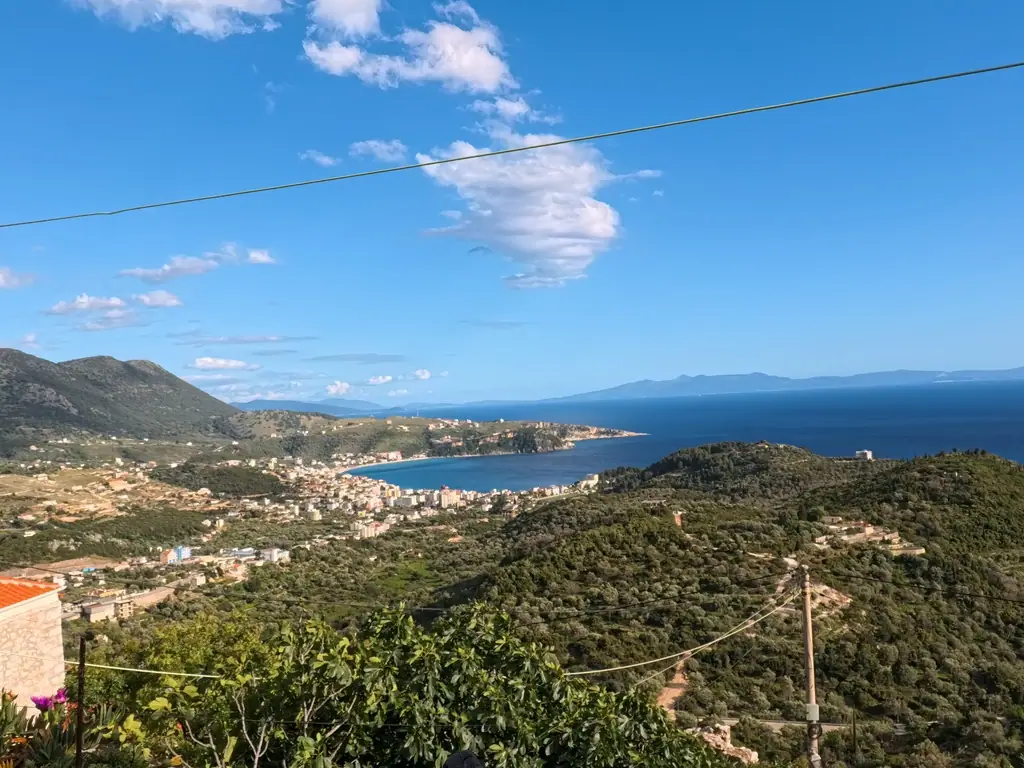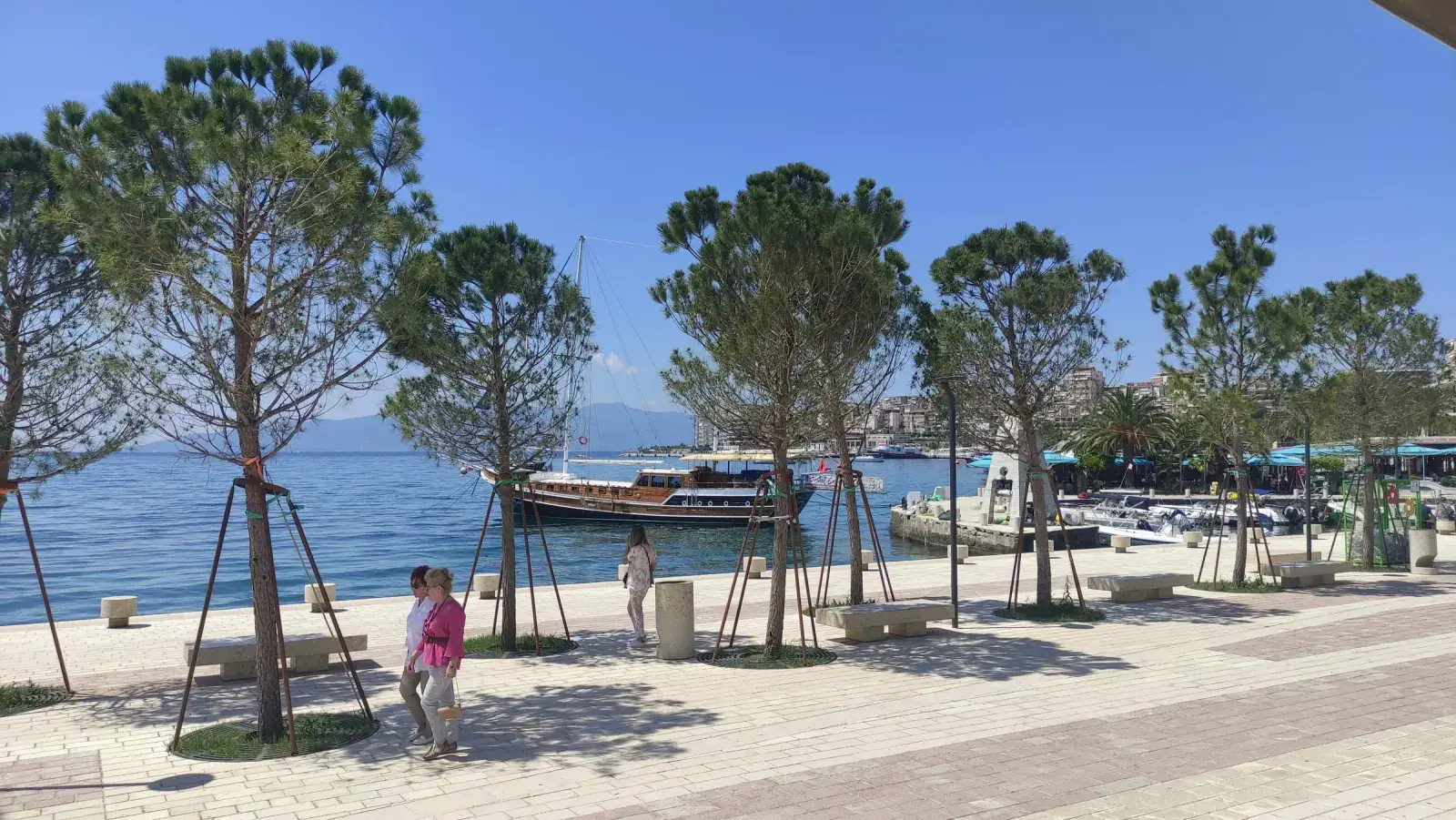
Orthodox heritage is one of the defining cultural layers of Himara and nearby Dhërmi. If your query is himara churches orthodox, the most useful approach is to see the churches and monasteries as a living network, not isolated monuments.
You can build a strong one-day route that combines old-town churches, one major monastery, and a village context stop without rushing.
Quick Orientation
| Site Type | Best Example | Typical Access | Typical Cost |
|---|---|---|---|
| Old-town church context | Himara Castle church zone | Uphill walk from town | Castle area entry around 300 ALL |
| Pilgrimage monastery | Athali Monastery | Hike/track access | Free or donation model |
| Dhërmi sacred sites | Saint Theodore / Panagia Drymadon area | Road + short walk | Free or donation model |
| Cultural day transport | Taxi loop | Flexible stop timing | ~3,000-6,000 ALL half-day patterns |
Why These Sites Matter
Orthodox sites here are important for three connected reasons:
-
Religious continuity Many sites remain active or symbolically active in community life.
-
Historical layering You can read Byzantine, Ottoman, and modern restoration periods through architecture and site use.
-
Cultural identity Church calendars, feast days, and local rhythms are still tied to these places.
For broader context: Greek heritage in Himara.
Core Church and Monastery Stops
1) Himara Castle Church Zone
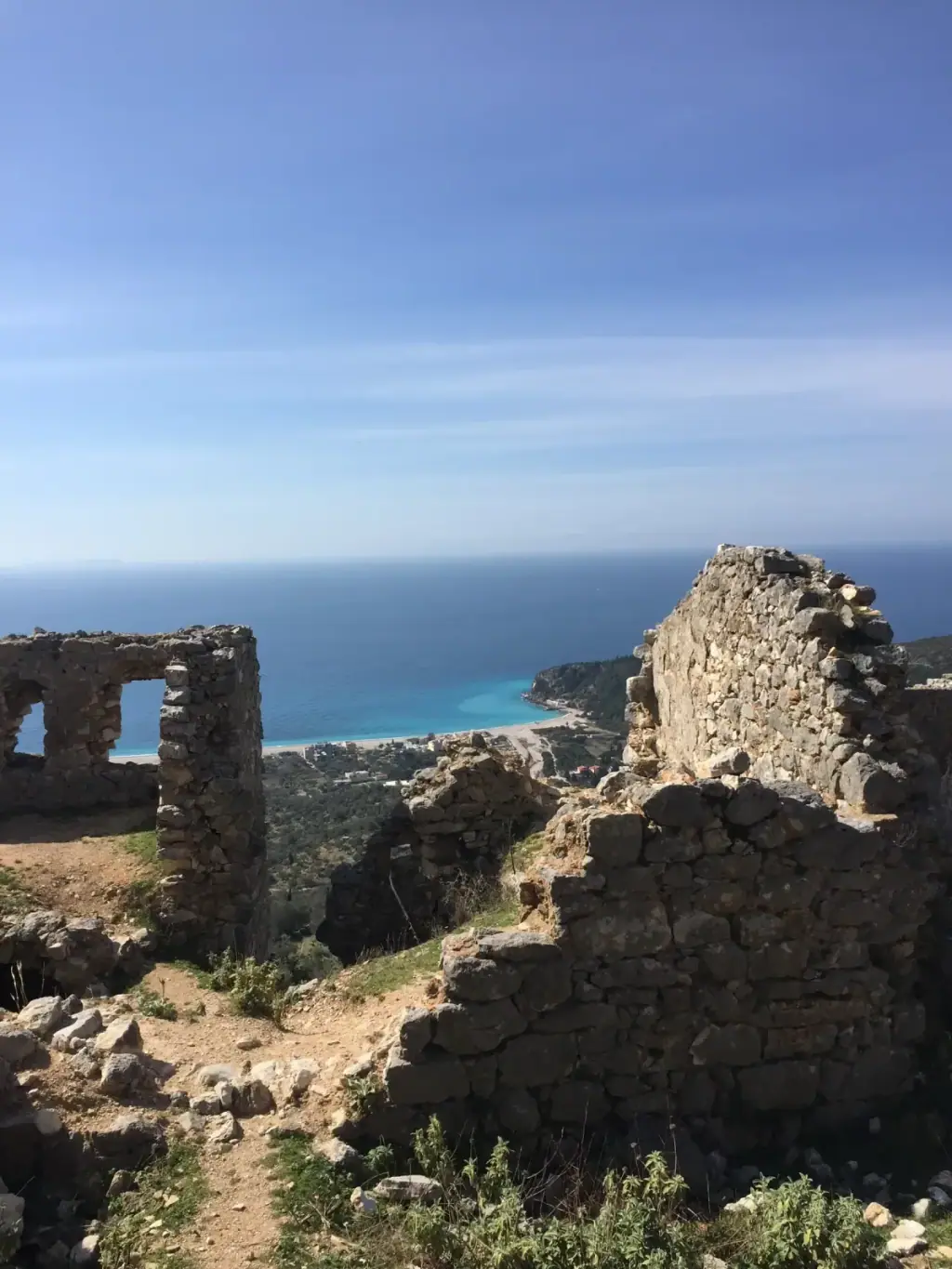
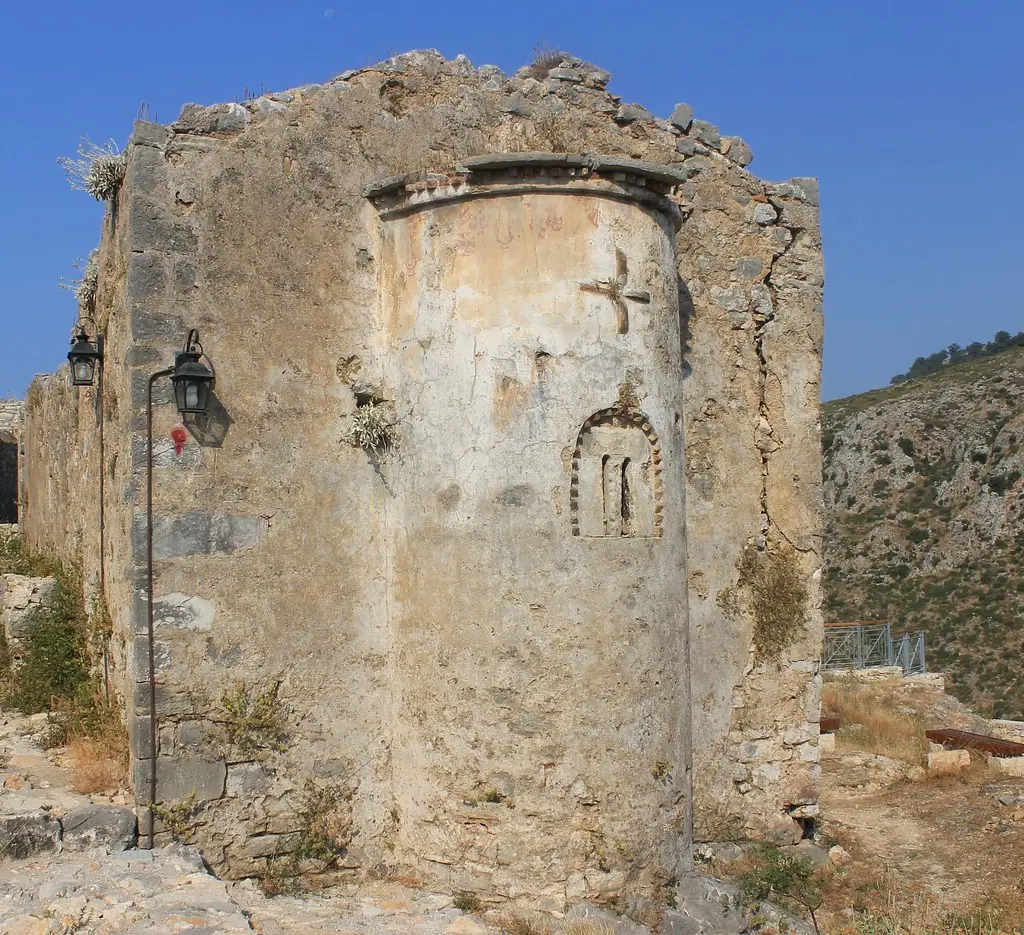
Himara Castle zone gives the easiest first orientation. You get sacred architecture plus broad visual context over town and coast.
Practical notes:
- Combine with old town walk
- Better in early morning or late afternoon
- Respect active worship spaces where present
Related guide: Himara old town and castle
2) Athali Monastery
Athali Monastery is one of the most important uphill sacred destinations near Himara.
What to expect:
- Hike-oriented access pattern
- Strong panoramic reward
- Better done in cooler hours
Fact-checked guide: Athali Monastery
3) Saint Theodore Monastery (Dhërmi area)
A key monastery in the wider sacred landscape with layered historical context and partial restoration reality.
Fact-checked guide: Saint Theodore Monastery
4) Panagia Drymadon (Dhërmi area)
A major hilltop religious landmark in the Dhërmi belt, often included in heritage-focused loops.
Fact-checked guide: Panagia Drymadon Monastery
Suggested 1-Day Orthodox Route
| Time Block | Stop | Focus |
|---|---|---|
| 08:30-10:30 | Himara old town + church zone | Architectural and historical orientation |
| 11:00-14:00 | Athali route or Dhërmi-side monastery stop | Main sacred site focus |
| 14:00-16:00 | Lunch + transfer | Recovery and move |
| 16:00-18:30 | Secondary monastery/church visit | Layered context before sunset |
| Evening | Return Himara | Promenade dinner / quiet close |
If you only choose one major stop beyond town, pick the site that best matches your mobility level (hike vs drive + short walk).
Religious Etiquette (Important)
Inside or near active sacred spaces:
- Cover shoulders and knees
- Keep voice low
- Ask before photographing interiors
- Avoid interrupting prayer activity
- Use donation boxes discreetly when appropriate
A respectful visit generally gets warmer local interaction and better access guidance.
Season and Timing Advice
| Season | Best Visit Window | Notes |
|---|---|---|
| May-June | Morning and late afternoon | Comfortable temperatures |
| July-August | Early morning strongly preferred | Heat and sun exposure risk |
| September-October | Excellent for full-day church loops | Lower crowd pressure |
| Winter | Selective route planning | Confirm open access expectations |
For seasonal context: Himara weather guide.
Budget Planning for Sacred Route Day
| Item | Typical Range |
|---|---|
| Castle area entry (where applicable) | ~300 ALL |
| Donation range | ~200-500 ALL (optional) |
| Taxi half-day loop | ~3,000-6,000 ALL |
| Lunch near route | ~800-1,500 ALL |
| Water/snacks/day essentials | ~300-800 ALL |
You can do this route on a moderate budget if you choose one paid transport segment and keep the rest walk-based.
Common Mistakes
-
Treating sites as photo stops only. You miss cultural meaning and local context.
-
Starting hikes too late in summer. Heat can make monastery routes uncomfortable and unsafe.
-
Ignoring dress standards. A light layer solves this easily.
-
Overpacking the route. Two meaningful stops are better than five rushed arrivals.
himara churches orthodox: Advanced Planning Matrix
Use this matrix when your itinerary is still fuzzy. It keeps decisions practical around himara churches orthodox, not generic travel advice.
| Scenario | Recommended Move | Why It Works |
|---|---|---|
| Short stay (2-3 days) | Keep one base and avoid daily relocations | Reduces transfer waste and improves day quality |
| Medium stay (4-6 days) | Split days by direction (north vs south) | Better route efficiency and less backtracking |
| Connection-heavy trip | Prioritize reliability over tiny savings | Prevents missed links and rushed schedules |
| Budget-sensitive trip | Use free-first daytime structure + selective paid highlights | Keeps experience quality while controlling spend |
For himara churches orthodox, the highest-value pattern is to plan in blocks: one easy day, one exploration day, and one buffer day. This gives you resilience against weather shifts, transport delays, and energy dips that usually break over-optimized itineraries.
Risk Control Checklist
- Confirm critical timings one day ahead for transfer-heavy segments.
- Keep one fallback option per day if wind, rain, or crowd pressure changes conditions.
- Carry enough cash for local services even when cards are commonly accepted.
- Avoid stacking multiple major decisions late in the day.
- Protect at least one low-friction evening per two-day block to prevent itinerary fatigue.
Cost and Time Efficiency Notes
Most Riviera trip inefficiency comes from micro-decisions, not major errors: late departures, unnecessary return loops, and overpaying for convenience every day. A better approach is to deliberately choose where convenience is worth paying for and where a slower, lower-cost choice still preserves quality.
When in doubt, optimize for continuity: fewer base changes, cleaner morning starts, and predictable return windows. This consistently improves himara churches orthodox outcomes more than trying to maximize total stop count.
Conclusion
For himara churches orthodox planning, build a route with one town-context stop and one major monastery focus, then leave enough time to experience each site respectfully. That gives a far better result than trying to "collect" sacred sites quickly.
Frequently Asked Questions
Can non-Orthodox visitors enter these churches and monasteries?
Often yes, provided visits are respectful and do not interfere with active worship.
Are these sites free to visit?
Most monastery/church entries are free or donation-based; castle-zone context may involve separate access fees.
Which site is best if I only have half a day?
Himara old town + church zone is the easiest high-value option for short visits.
Do I need a guide?
Not mandatory, but local guiding adds context and helps with route efficiency.
Is this route suitable in summer heat?
Yes if you start early and reduce midday exposure, especially for hike-based monastery access.