
Himara Travel Guide
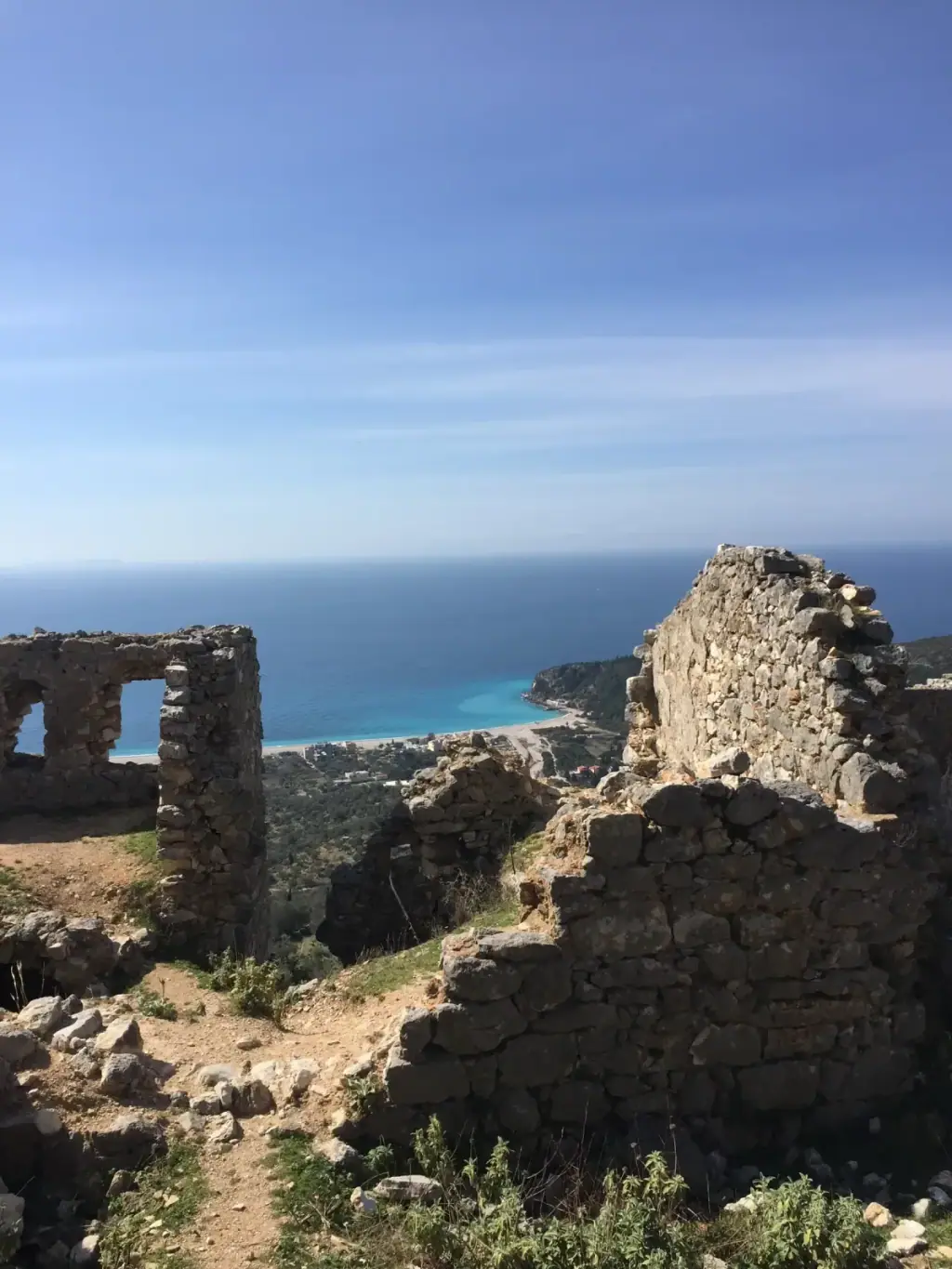
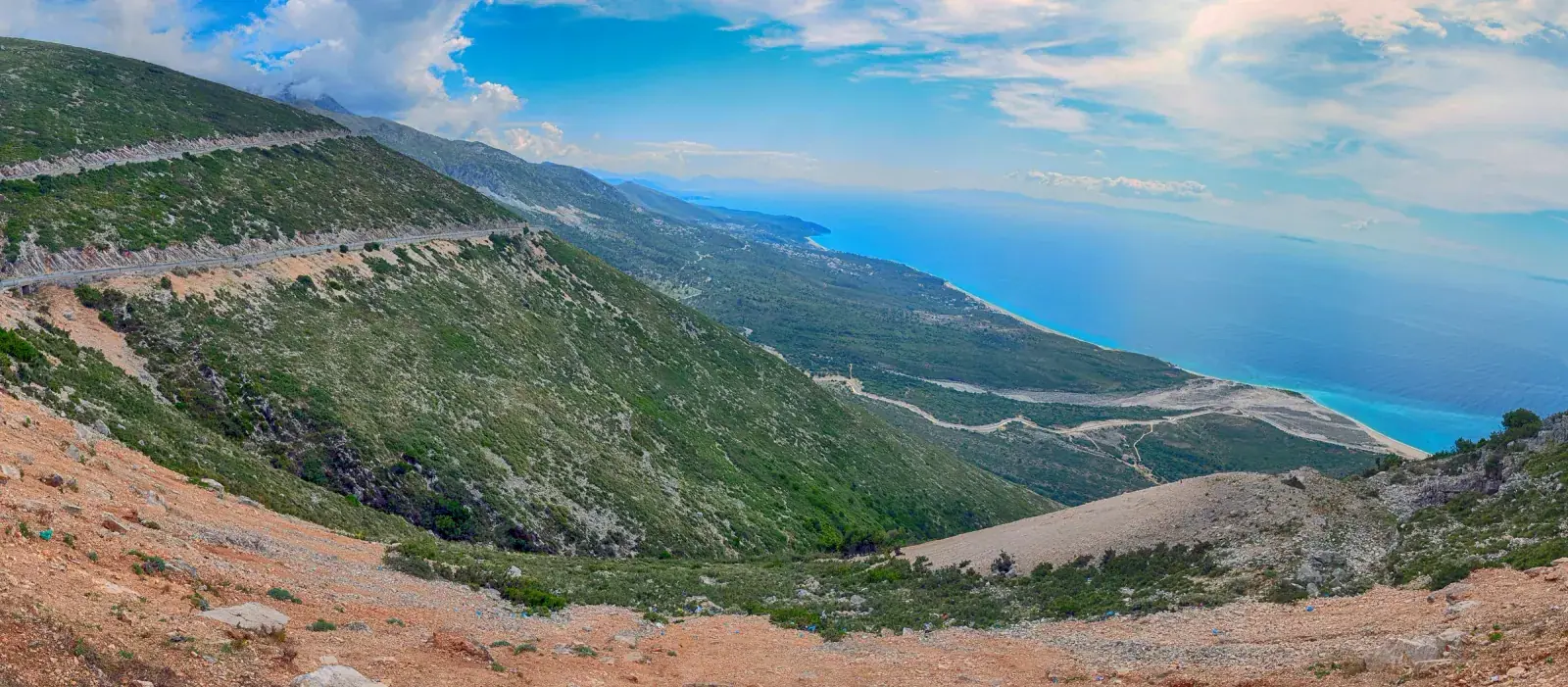
Himara is a coastal town on the Albanian Riviera, between the Ceraunian Mountains and the Ionian Sea. A Greek-speaking town with pebble beaches, sea-only coves and a hilltop castle.
One way to spend a day
Five parts of a Himara day. Each one jumps to its section below.
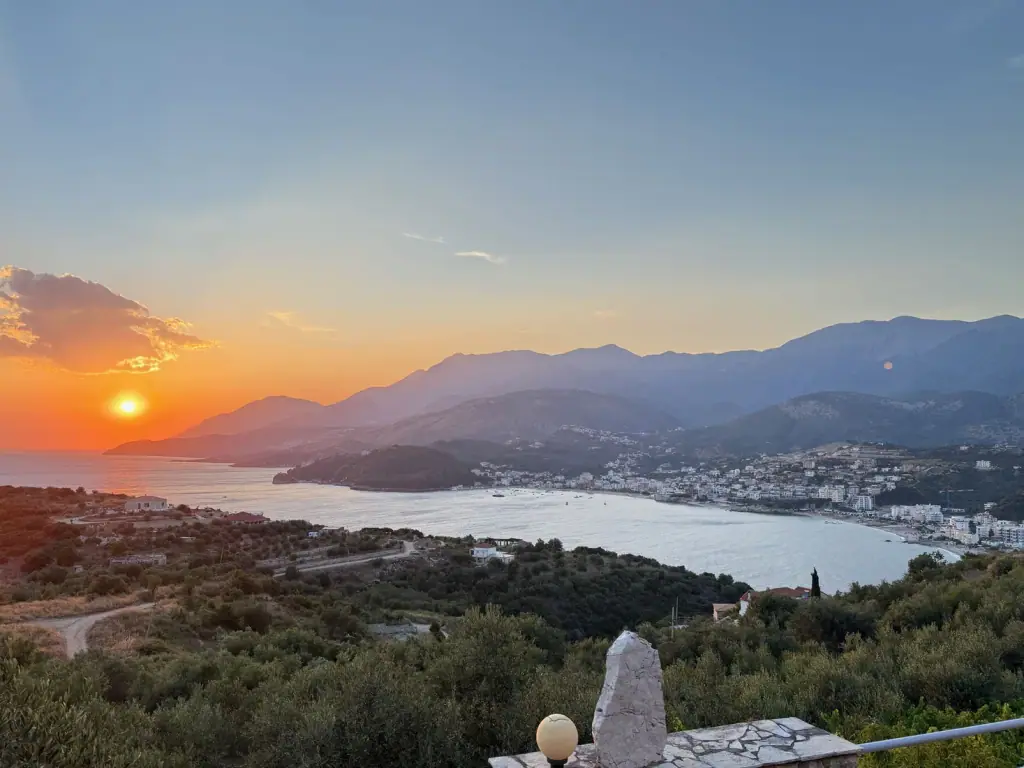
Evening Dinner with a sea view
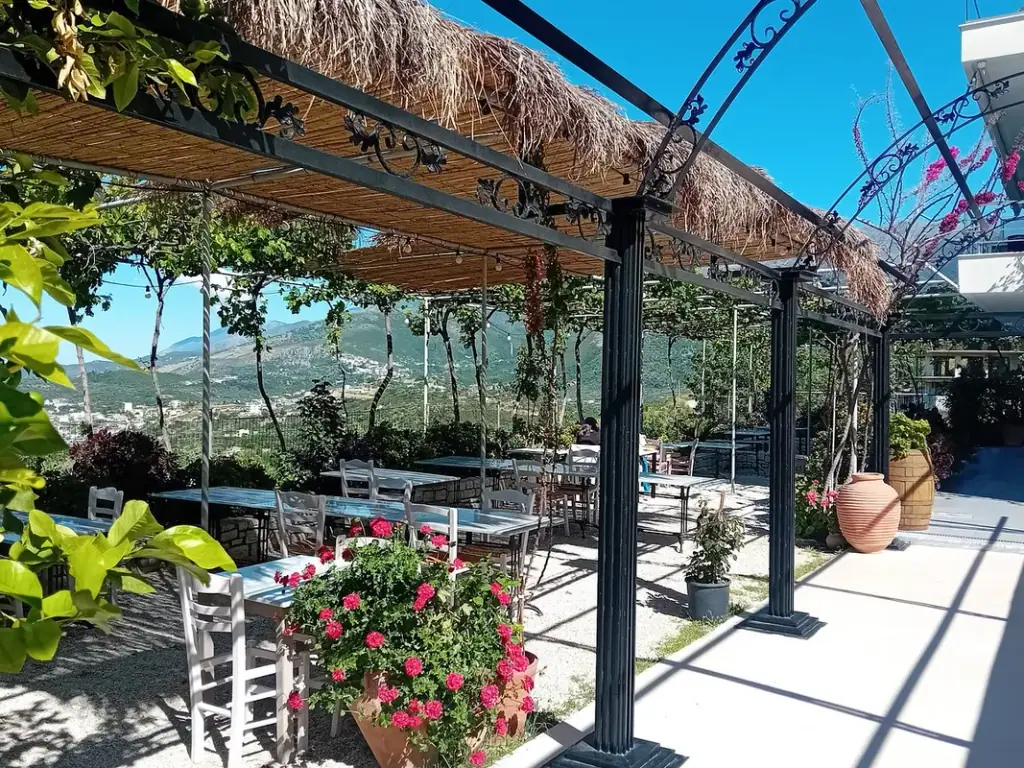
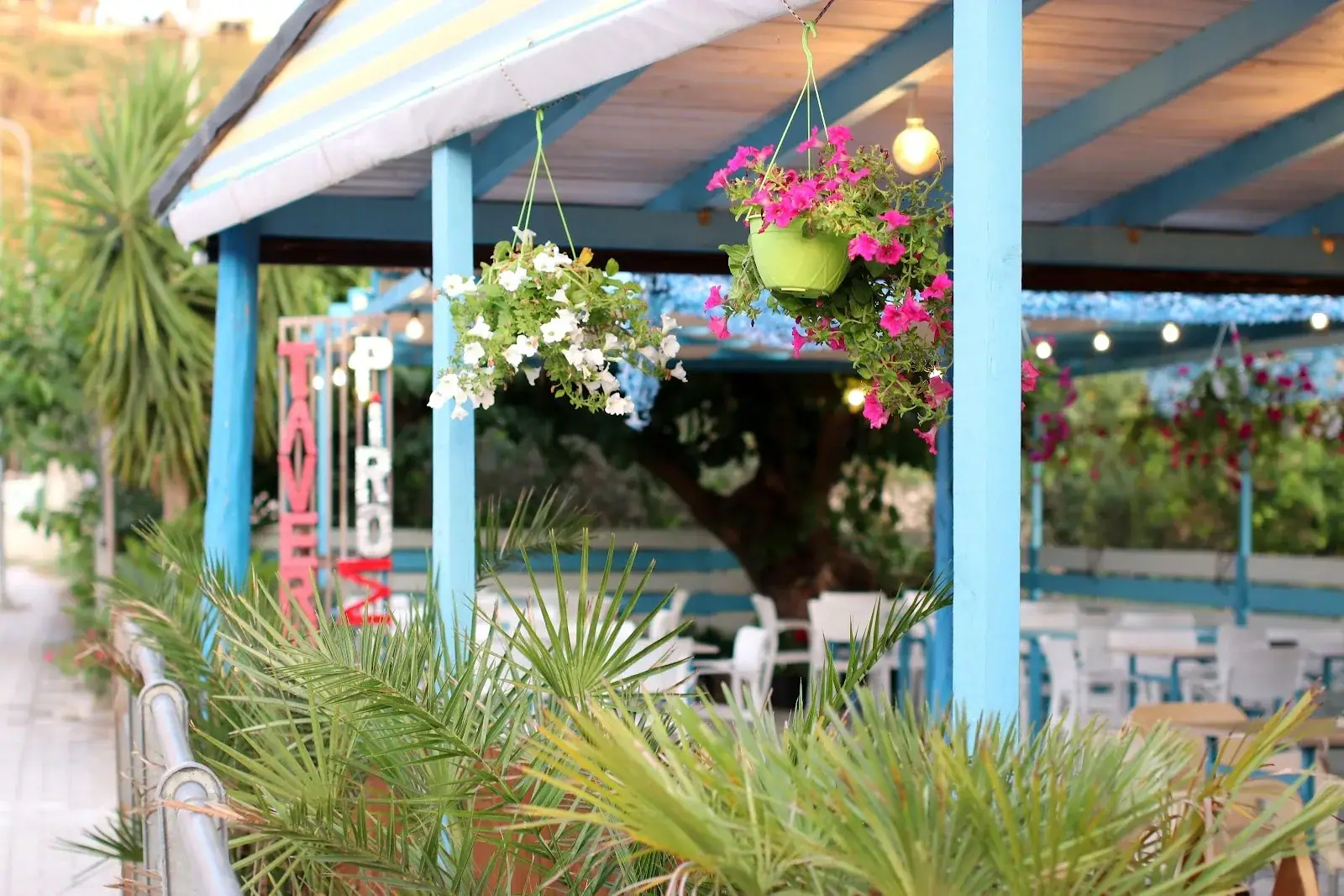
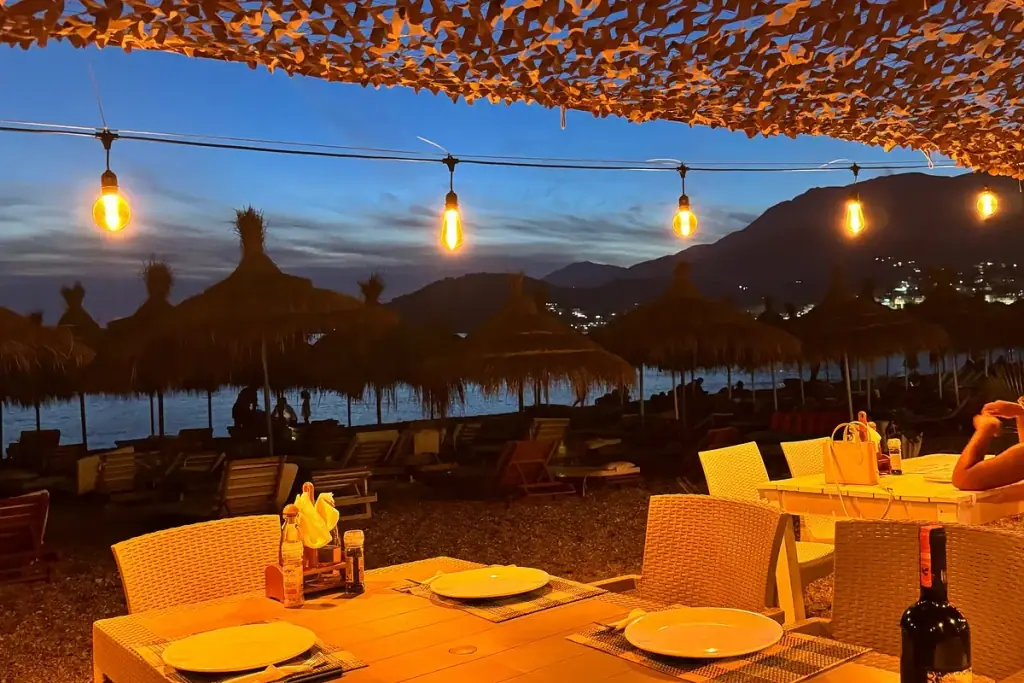
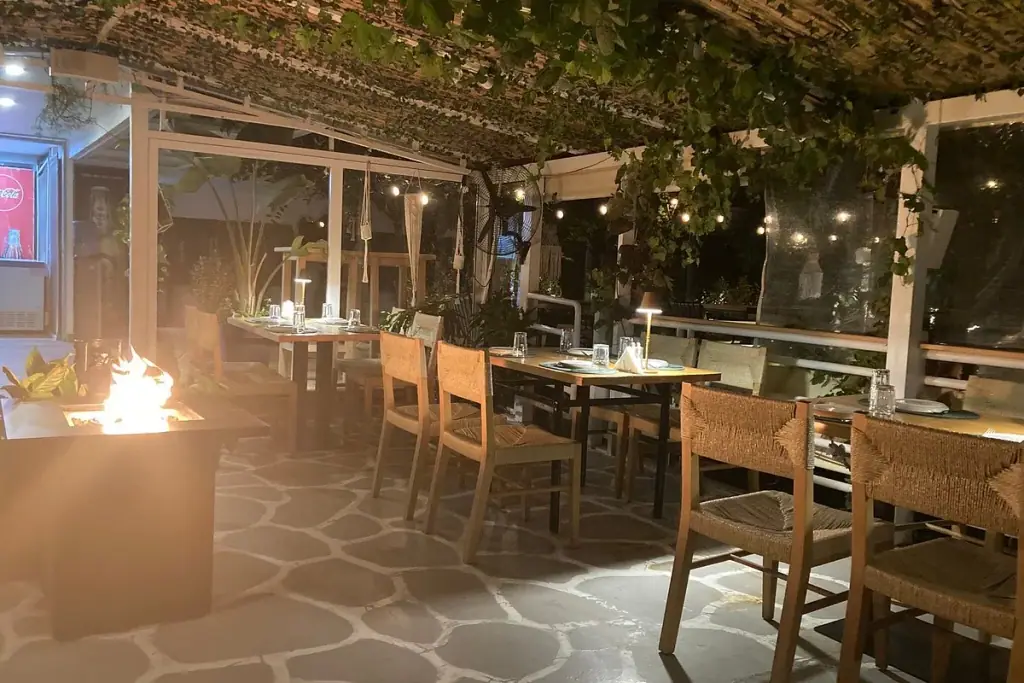
44 restaurants, from seaside tavernas to hillside terraces.
Eat & drink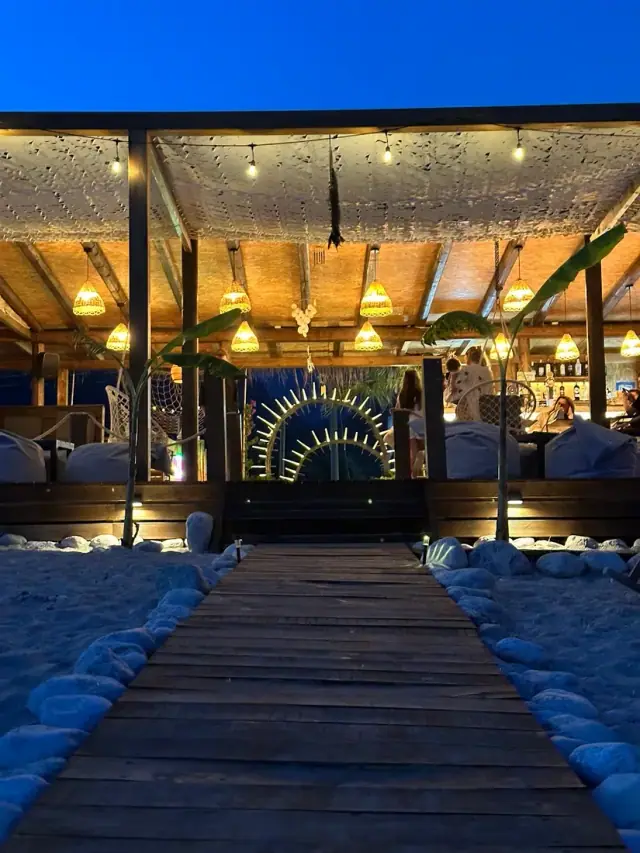
Himara Boat Tours & Destinations
Explore sea caves, ancient inscriptions, and white-pebble bays reachable only by water from Himara.
Sea Cave · By sea on the Karaburun peninsula
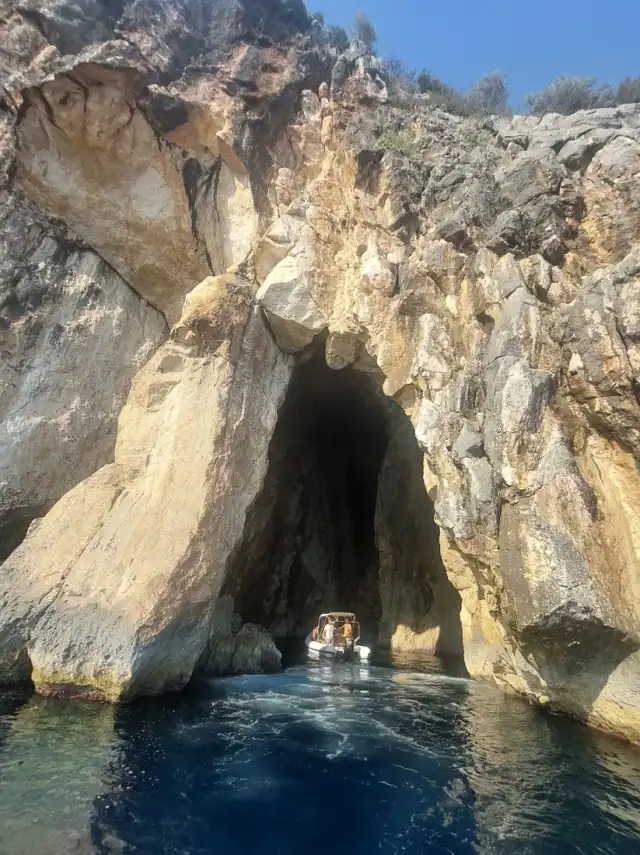
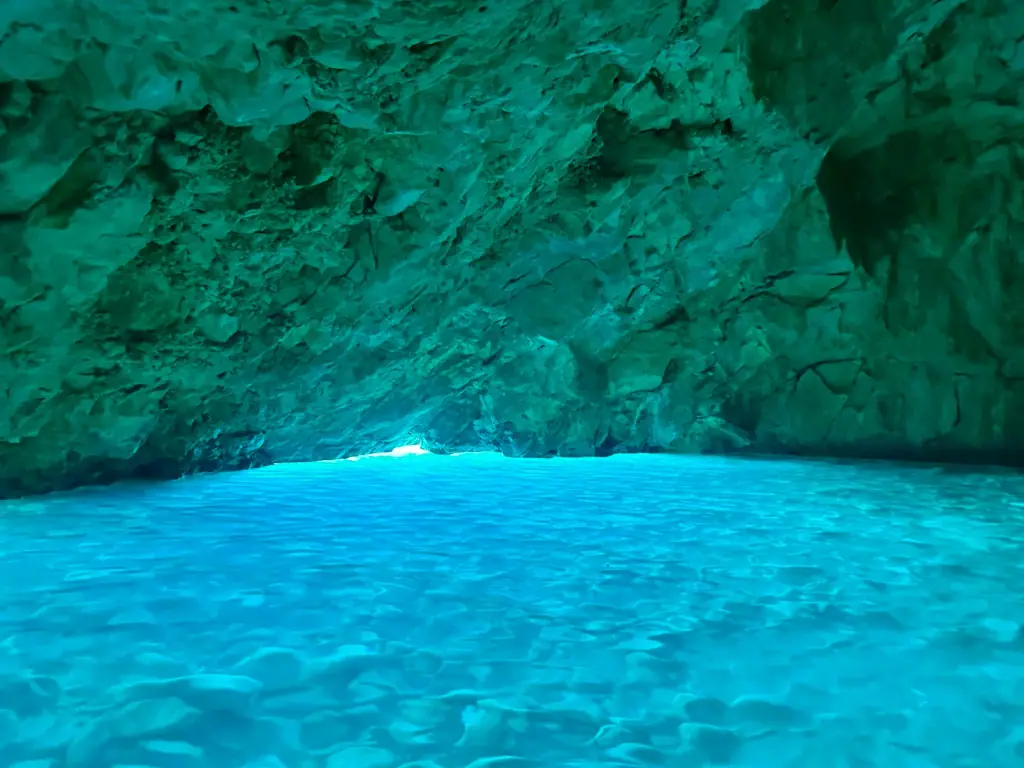
Blue Cave
Boat-only, €60-€96 per person, 5-8 hours. Deep, exceptionally clear; interior glows blue from refracted sunlight.
- Swim stop
- About 30 minutes
- Best light
- Late morning (10:00–13:00)
- On the tour
- Grama Bay full-day from Himara (~5–5.5 hrs)
Sea Cave · ~12 km by sea
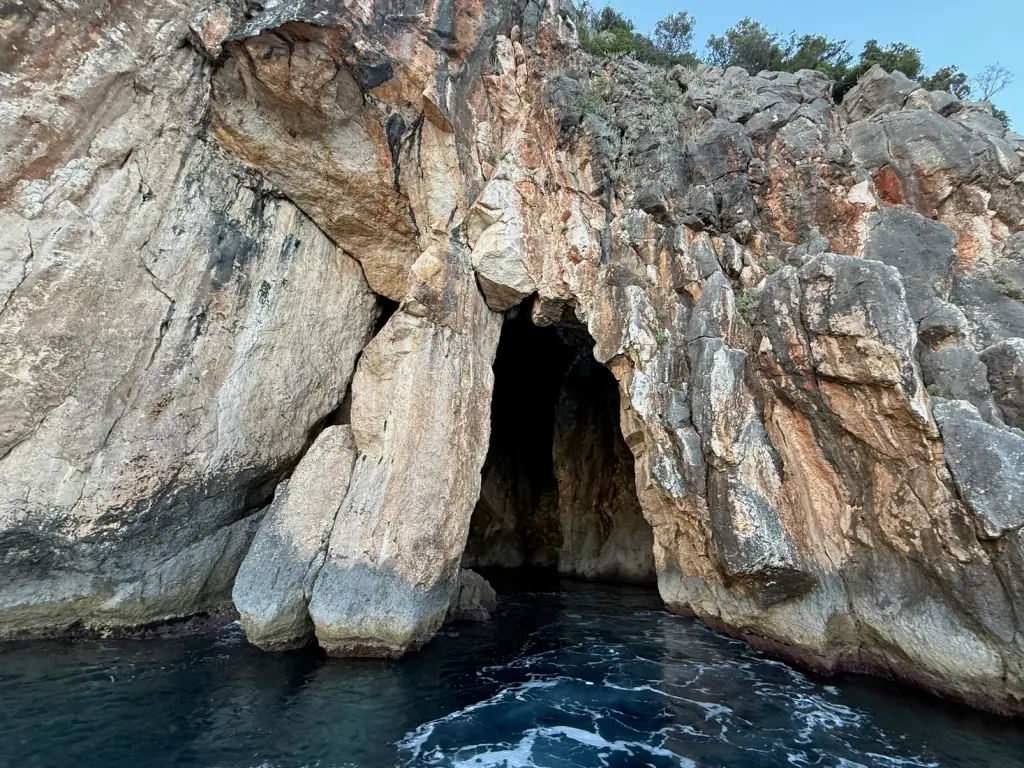
Pirate's Cave
Pirate's Cave is two karst sea caves 200 m and 800 m off southern Dhërmi Beach, lit blue-green by refracted light. The centrepiece of every short tour.
Bay · ~30 km by sea
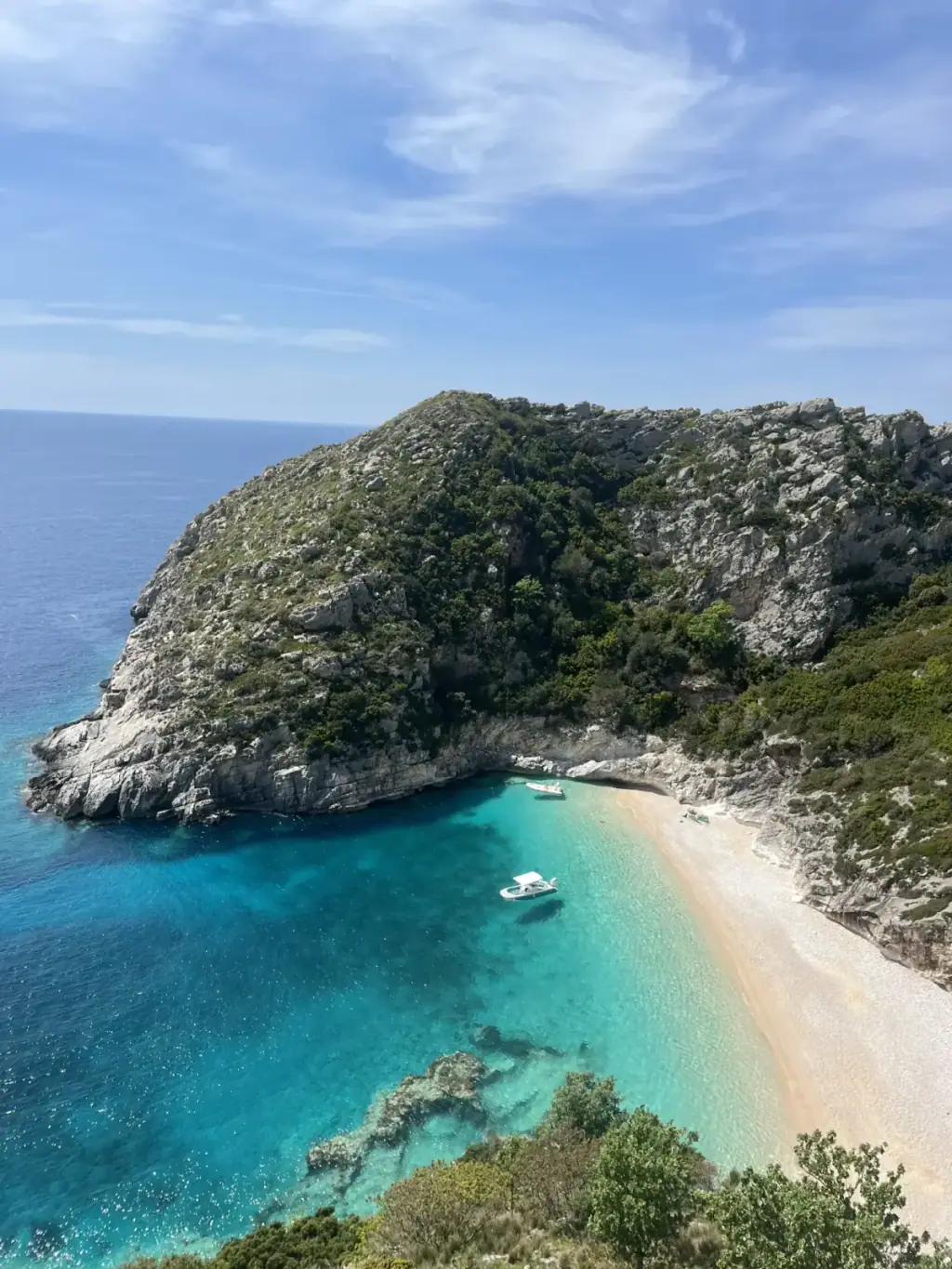
Grama Bay
Grama Bay is the marquee Karaburun stop on long-haul Himara boat tours: ~1,500 ancient inscriptions over 18 centuries, inside Albania's first marine park.
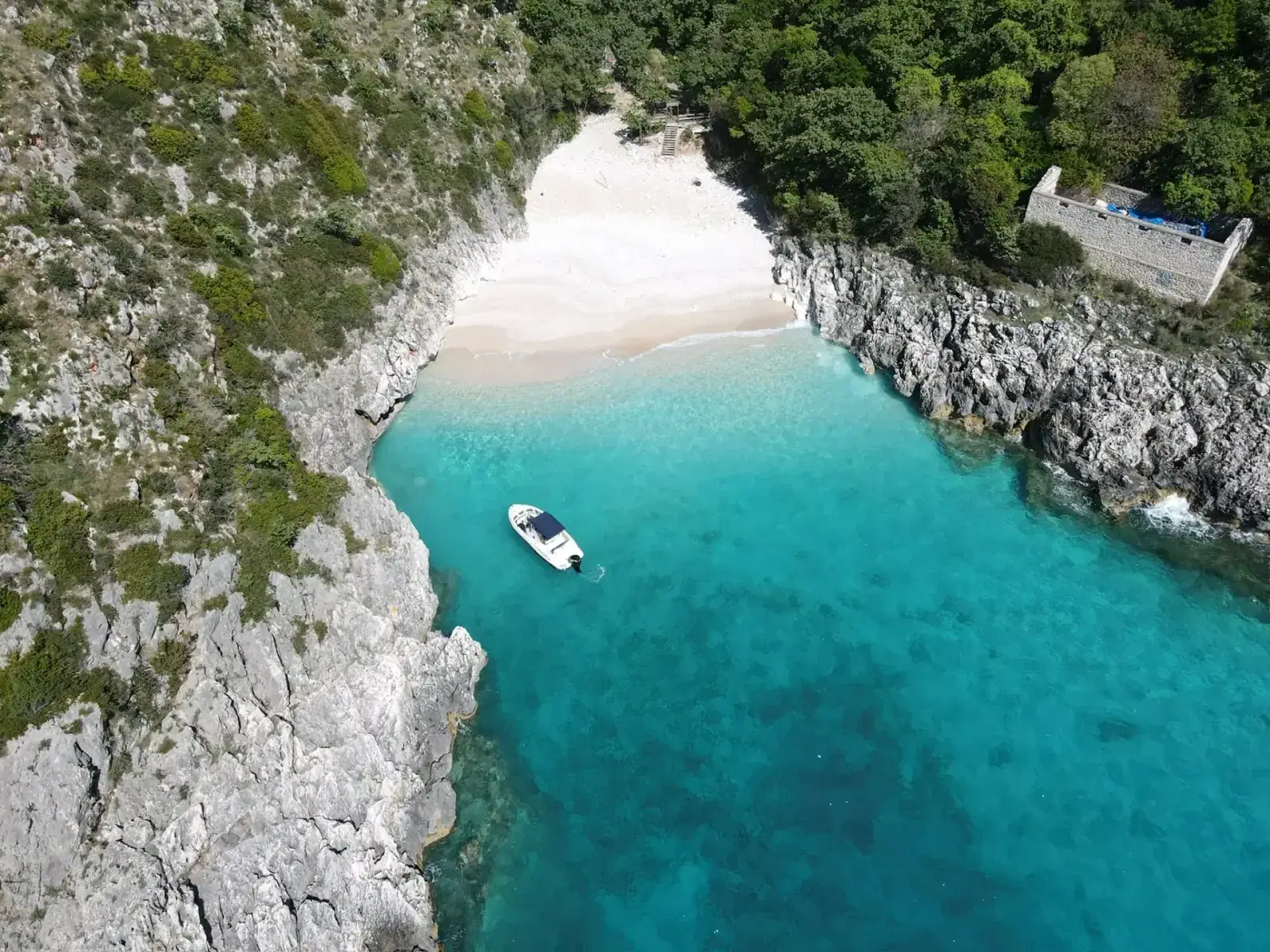
Bay · Approx. 25 km by sea
Saint Andrew's Bay
Saint Andrew's Bay is a 50-metre white-pebble cove on the Karaburun coast. Sea-only access, sealed in by cliffs, a half-hour swim stop on Grama Bay tours.
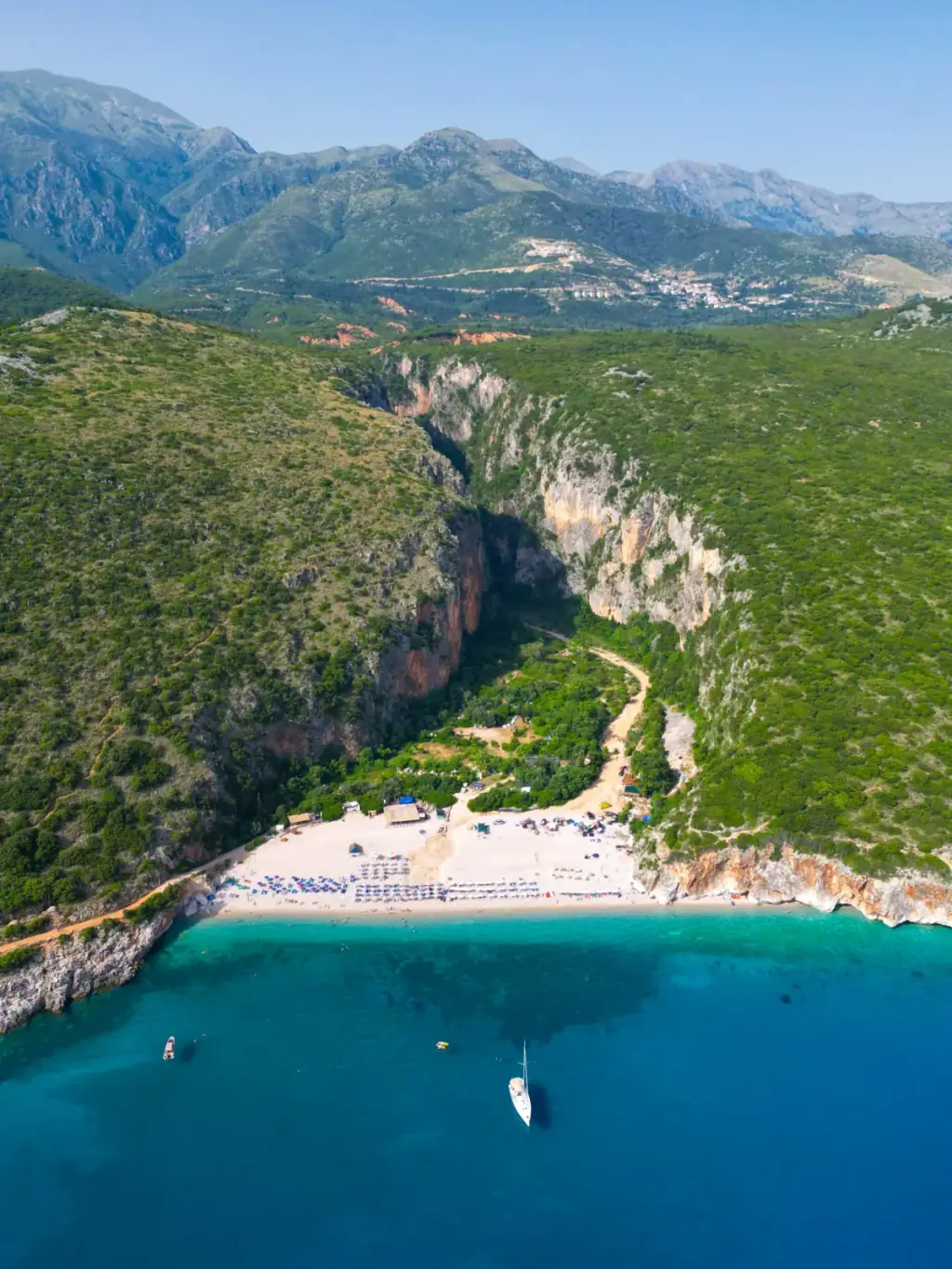
Canyon · ~10 km by sea
Gjipe Canyon
Gjipe Canyon is the limestone gorge meeting the sea between Dhërmi and Vuno, best photographed from a boat looking up. The backdrop to Gjipe Beach.
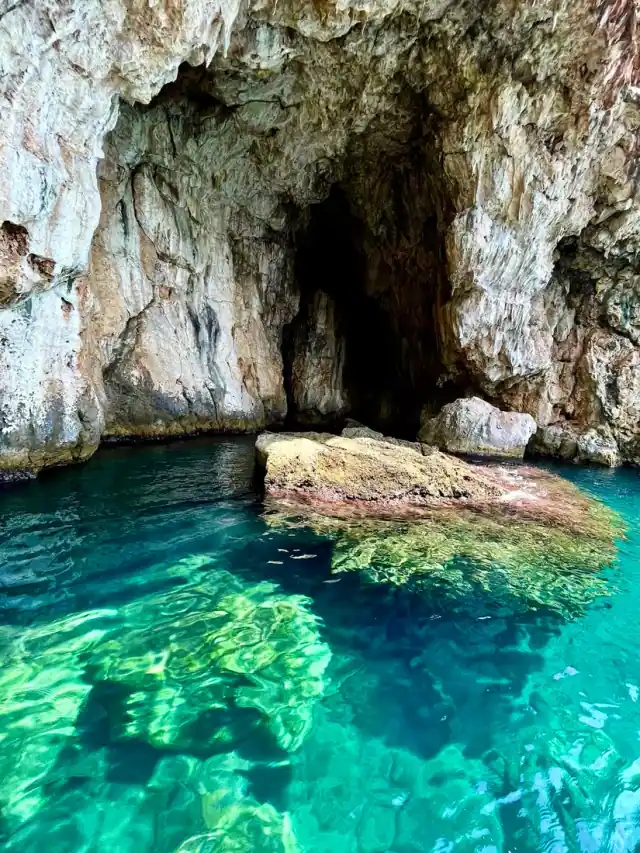
Sea Cave · ~22 km by sea
Thunder Cave
Thunder Cave is the acoustic standout on the Himara to Grama Bay long-haul tour: waves crashing inside the cliff create thundering echoes. A brief stop.
Landmarks & castles
Castles, monasteries and Cold War sites, from the old town above Spile to the hilltops above Dhërmi and Borsh.
Porto Palermo Castle and the submarine tunnel
Porto Palermo Castle is a triangular Ottoman fortress with three round bastions, built on a narrow peninsula in one of the most photogenic bays on the Albanian Riviera.
The Porto Palermo Submarine Tunnel is the Cold War submarine base of Porto Palermo Bay: a 650-meter tunnel carved straight through the peninsula at the northern end of Porto Palermo Bay.
- From Himara
- ~10 km south on SH8 (14–20 min drive)
- Castle entry
- 300 ALL (~€3), cash only
- Time needed
- 1–1.5 hours at the castle
- Tunnel
- Free to view from the road or from a boat
Bars & beach clubs
Rooftop bars over Spile, cocktail terraces above the bay and beach bars on the sand at Livadh and Jalë.
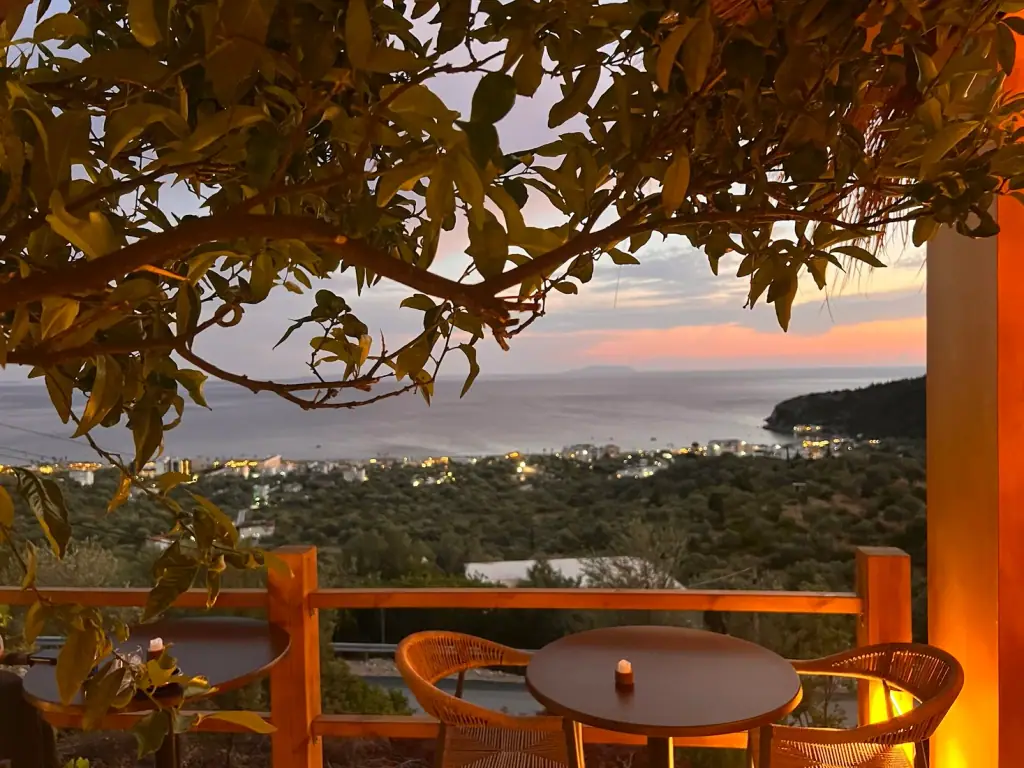
Mirage Cocktail Bar
Craft cocktails on a terrace over Himara bay
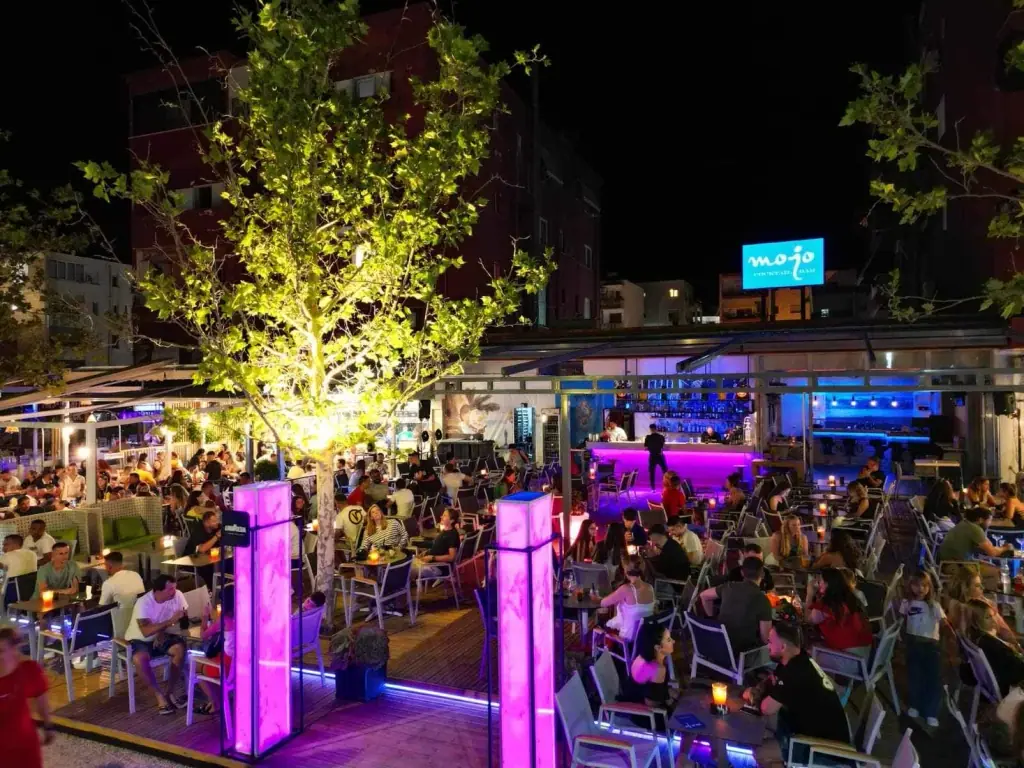
Mojo Cocktails Bar
Sea views and cocktails on the Spile promenade
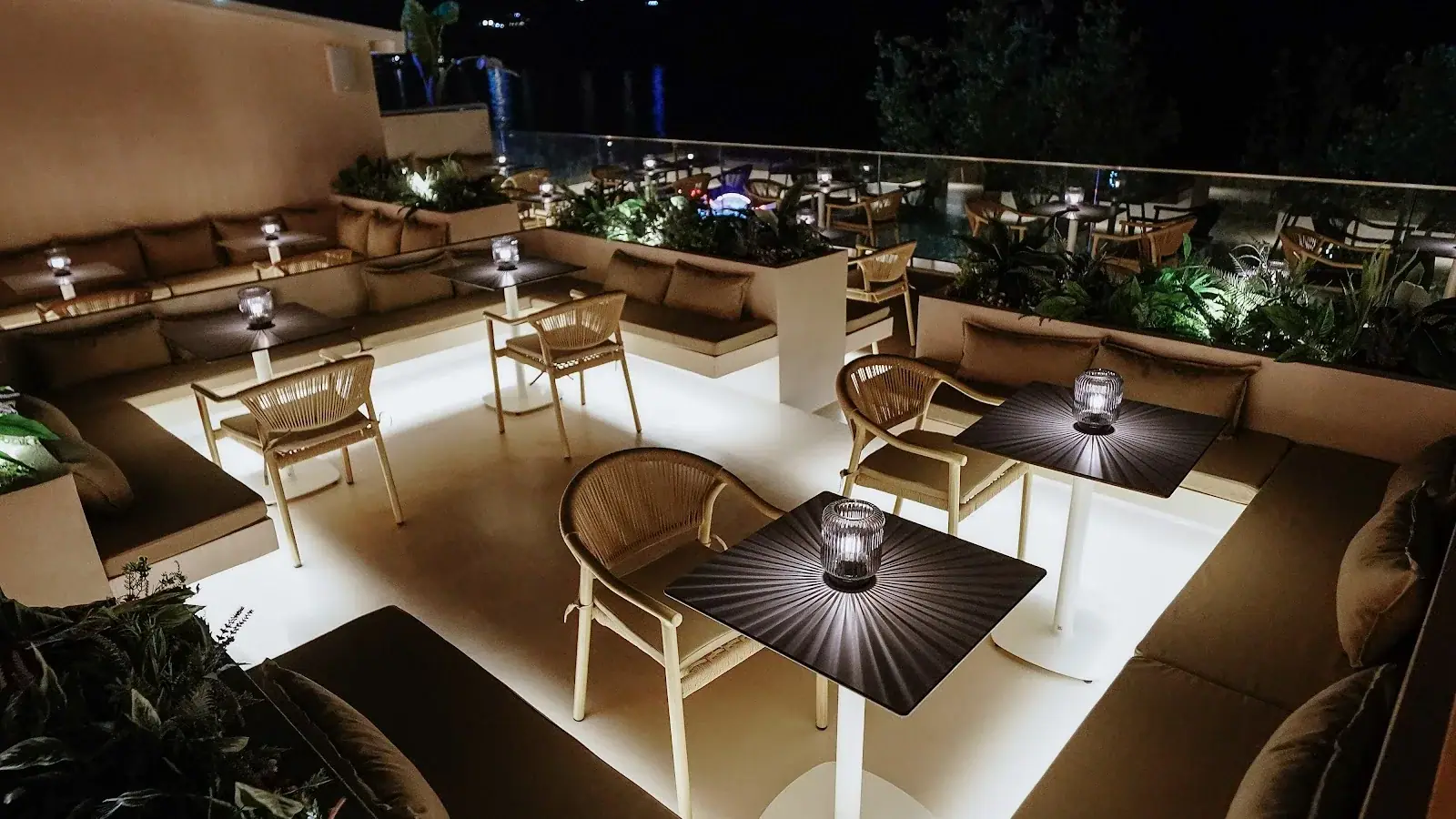
Thèa Rooftop Bar
One of few bars open until 3AM; sunset-facing view
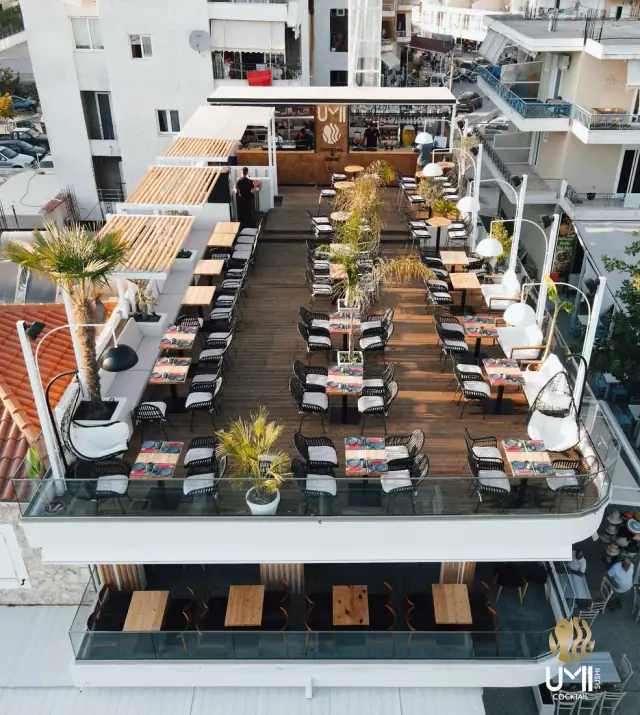
UMI Sushi & Cocktail
Rooftop sushi bar above the streets of Himarë
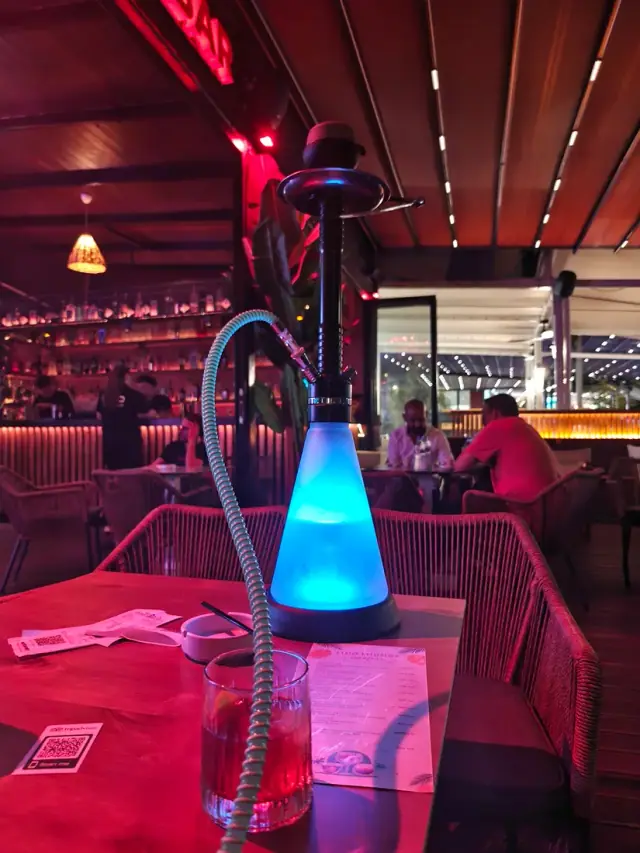
Lido Lounge
Happy hour 1-8PM; cocktails and tapas
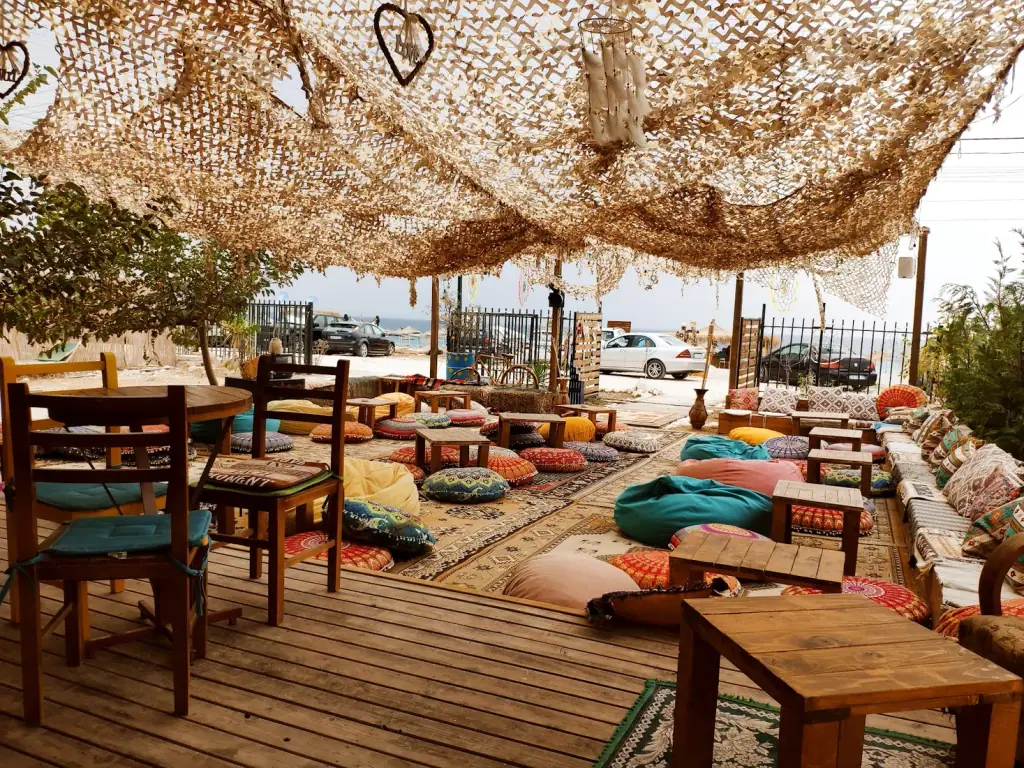
BOHO Livadh Beach Bar
Floor cushions and a net canopy on the sand; live music after dark
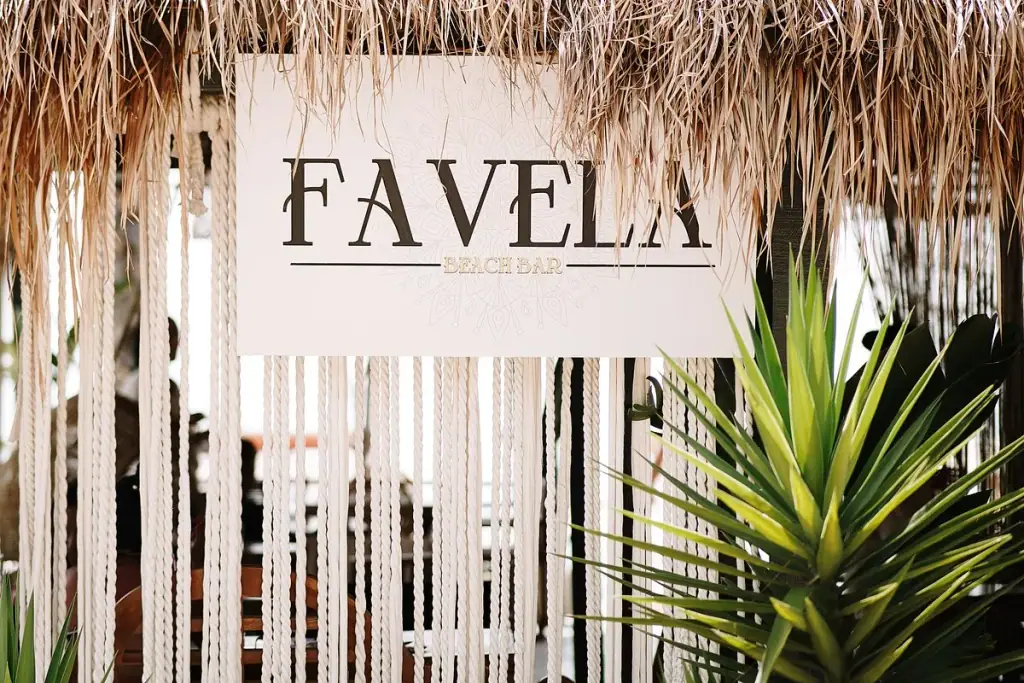
Favela Beach Bar
Tropical party vibe; weekend DJs; Mediterranean fusion food
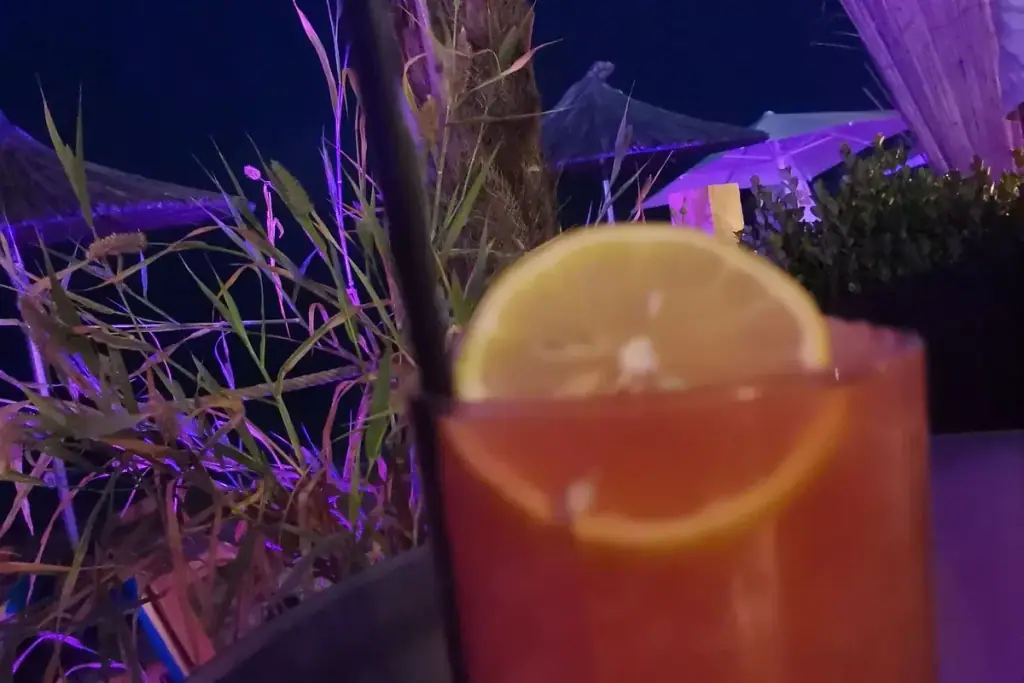
Rescue @ The Beach
Beach cocktail bar and dance club on the sand
Best Hotels in Himara
Beachfront luxury resorts, boutique hotels, and welcoming guesthouses for your stay in Himara.
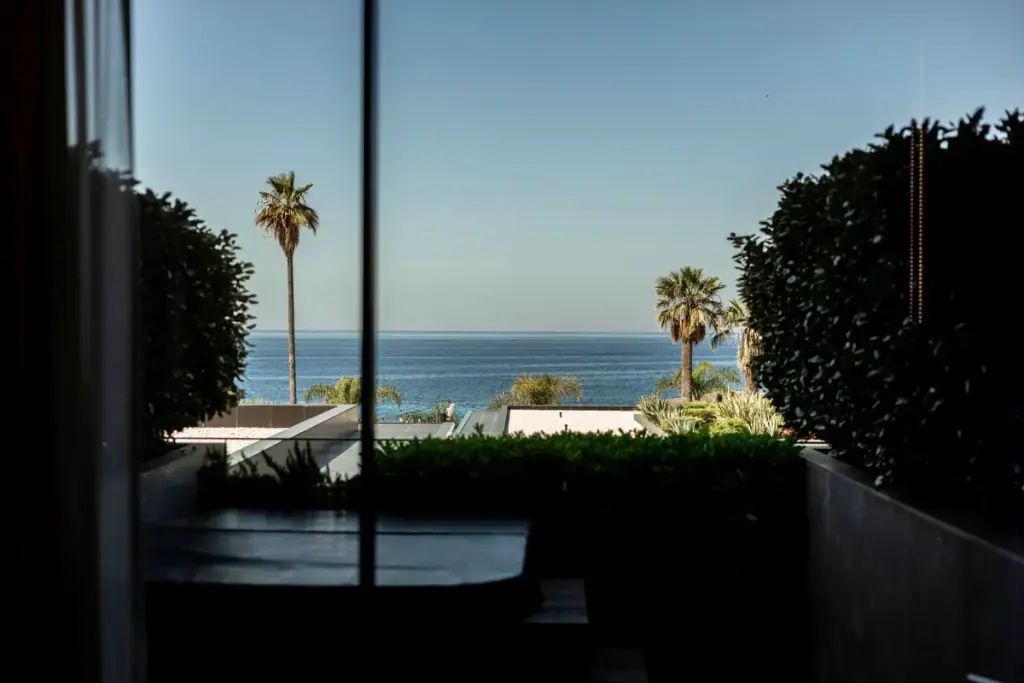
5-star
luxury
Prado Luxury Hotel
A five-star resort above Livadhi Beach with an infinity pool over the Ionian, a full-service spa, and an on-site Mediterranean restaurant.
4.5
180€–350€/night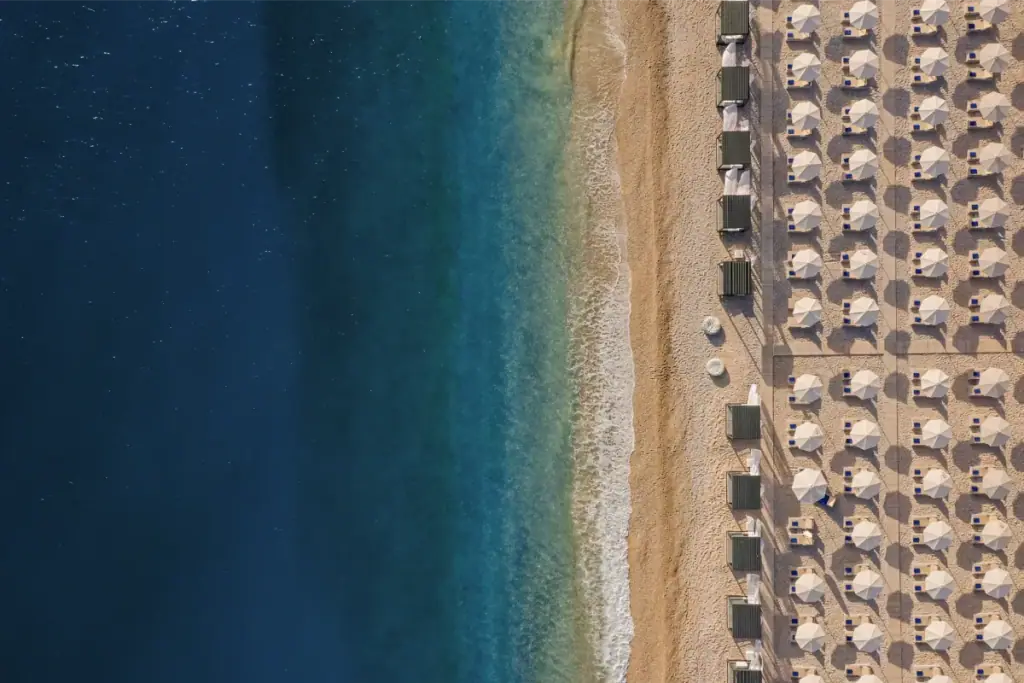
5-star
luxury
Miamar Luxury Hotel & Spa
A five-star hotel on Livadhi Beach with a spa, several swimming pools, and a rooftop fitness center over the coastline.
4.5
150€–280€/night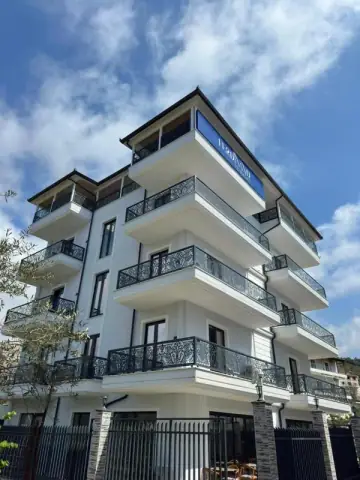
4-star
mid-range
Ferdinand Residence
A four-star residence in central Himara with a consistently strong guest-review record.
4.8
55€–70€/night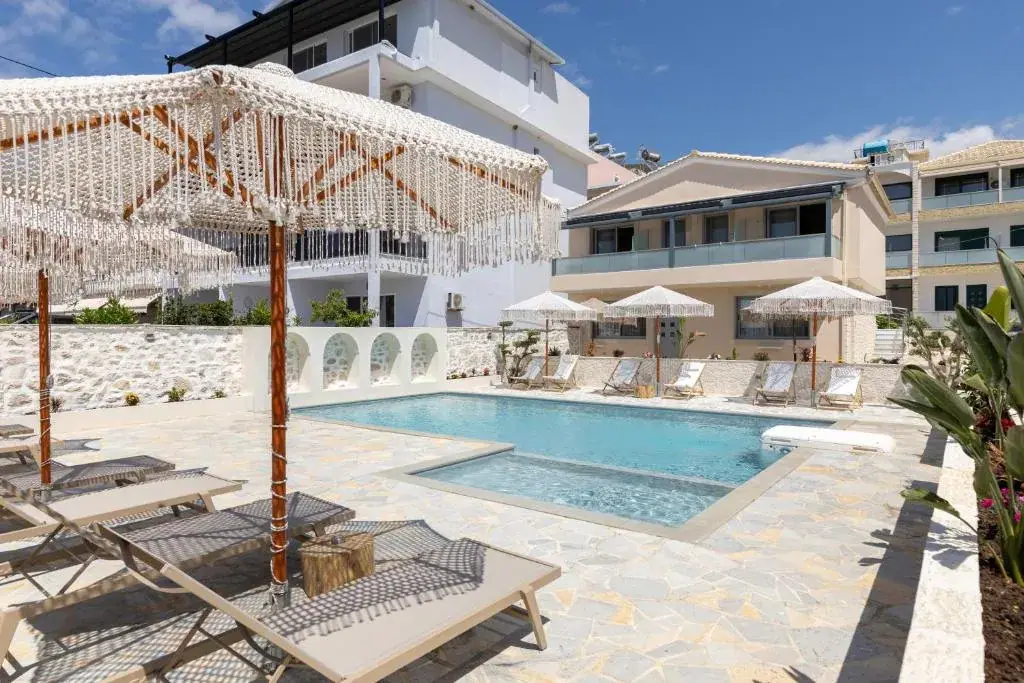
2-star
mid-range
Dimitri Hotel
An 18-room family-run hotel that punches well above its two-star rating, with a seasonal outdoor pool, direct access to Livadhi Beach's quieter north end, an on-site Greek/Italian restaurant, and a 9.4 Booking score across 560+ reviews.
4.7
40€–80€/night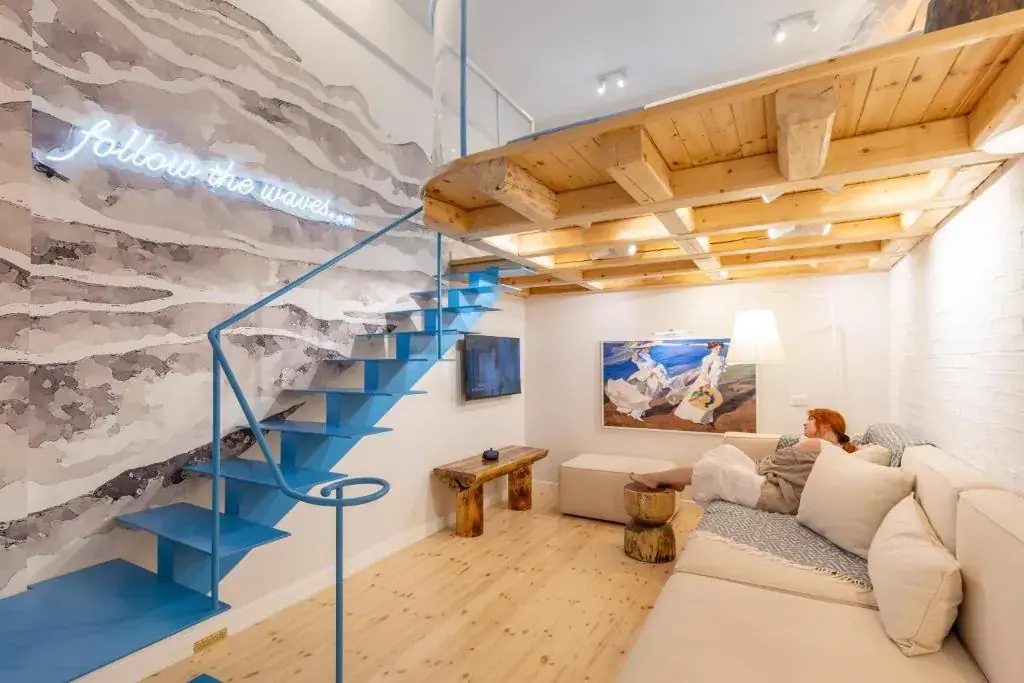
guesthouse
Elpis Guest House
A guesthouse repeat guests rate among the best in Albania, with Greek-Albanian hosts, spotless rooms and home-cooked breakfasts near Himara's center.
4.8
95€–110€/night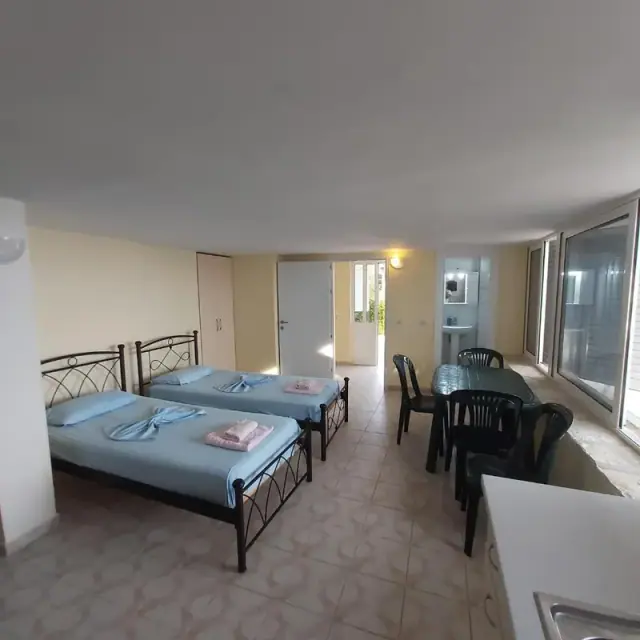
guesthouse
Magic Ionian Apartments & Rooms
Beachfront apartments and rooms directly on Potam Beach, self-catering, among the closest accommodation to the waterline in Himara.
4.8
95€–110€/nightCompare live availability across hotels, apartments and Vrbo rentals on one map.
Best Beaches in Himara
Pebble shores and clear Ionian water, with the Ceraunian ridge directly behind the sand.
town
Spile Beach
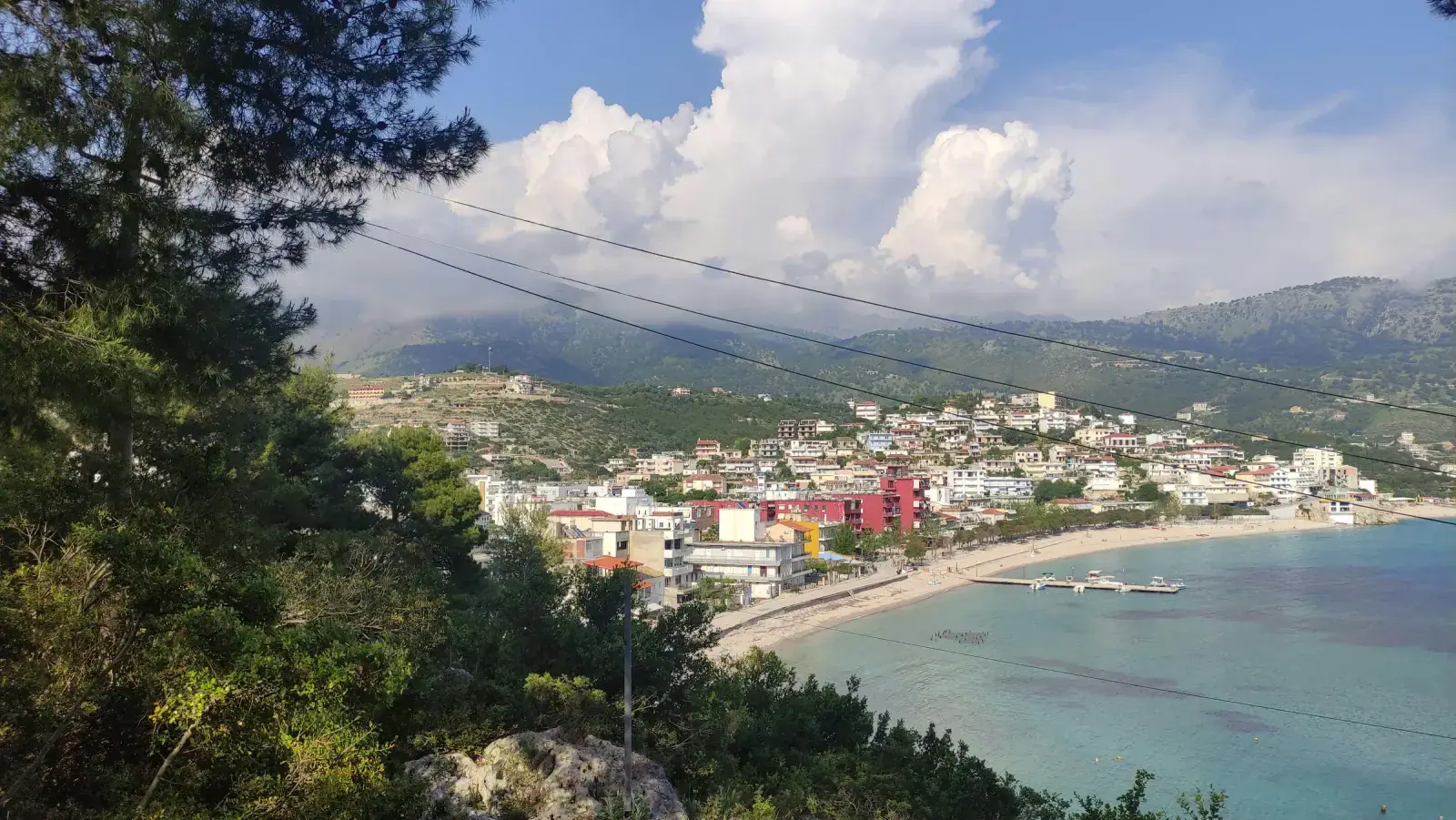
Spile Beach is the main beach of Himara, stretching roughly 500 meters along the town promenade. Its soft pebbles and occasional sandy patches make it the most comfortable beach in the center, and the water is clear enough for swimming and light snorkelling. The lively promenade behind the beach is lined with restaurants, cafes, and bars, so it stays busy and social all summer.
Central Himara, directly off the town promenade·~500 meters
drive-north
Gjipe Beach
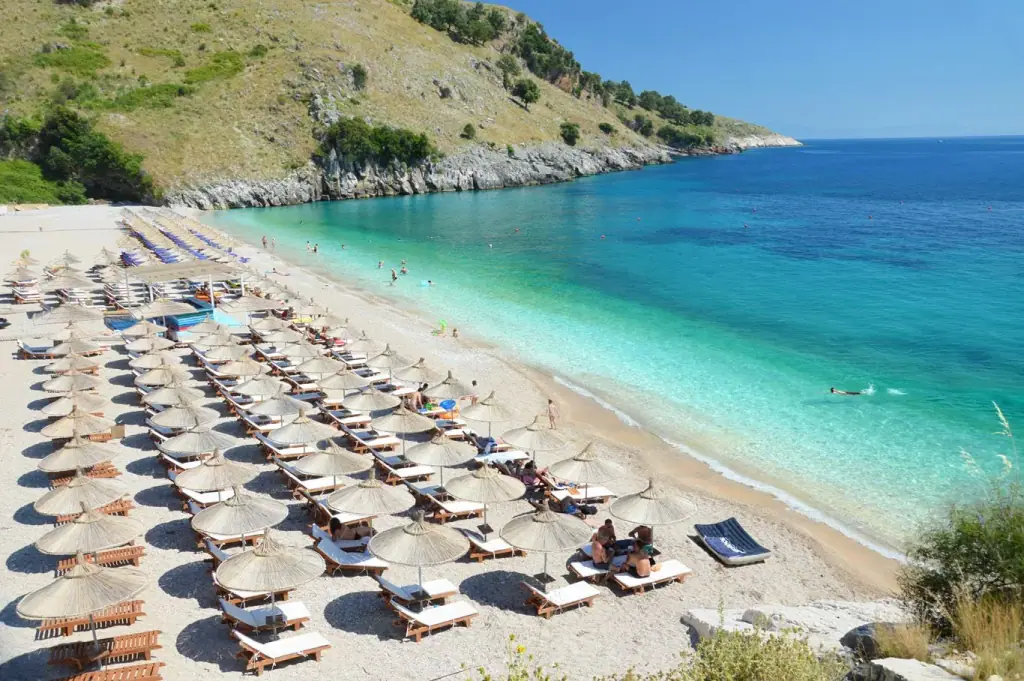
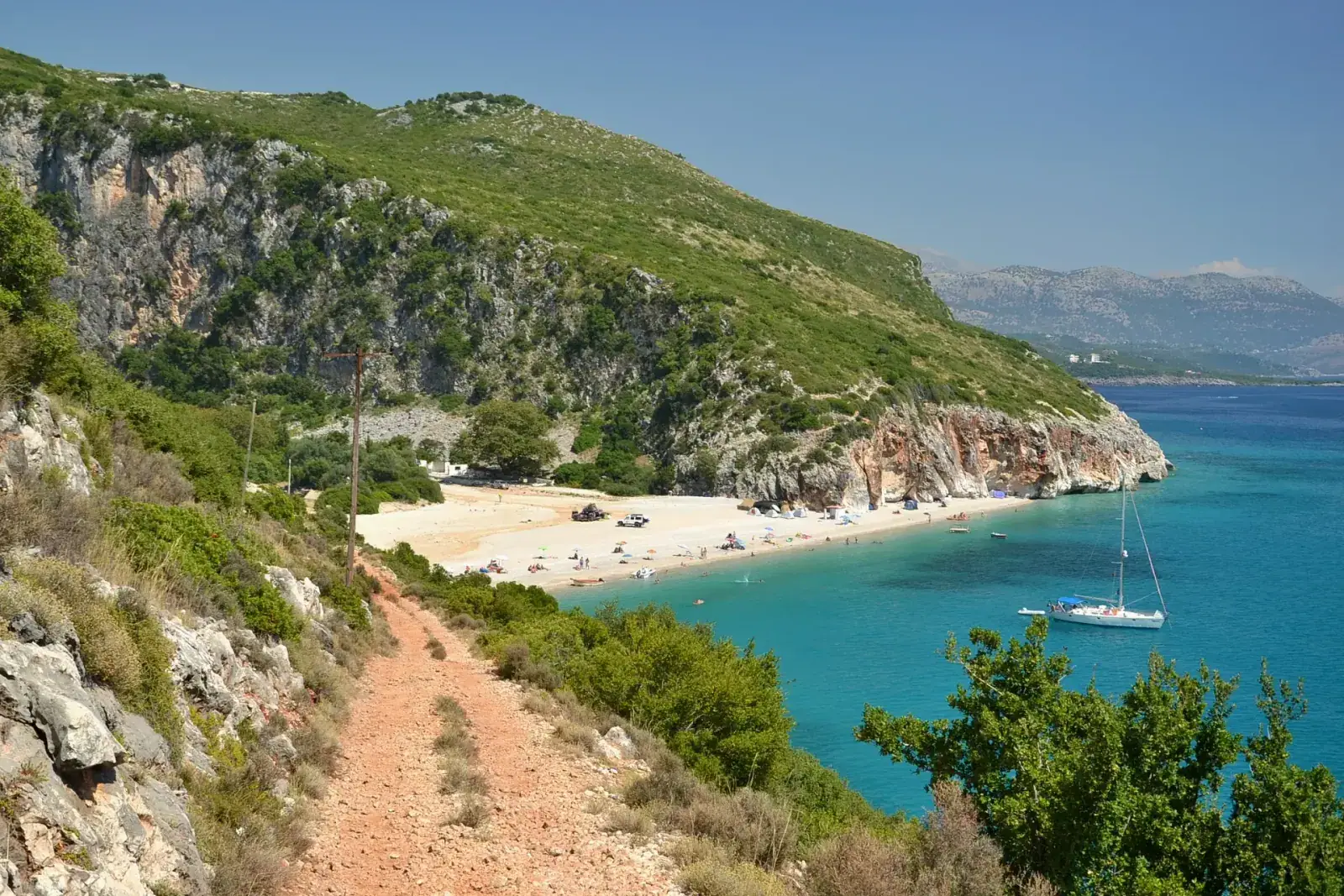
Gjipe Beach in Albania sits at the mouth of a canyon 15 km north of Himara, a pebble and sand cove walled in by cliffs. You can't drive to the sand: park at the clifftop lot (300-500 ALL in summer) and walk 20-30 minutes down, or arrive by boat from Himara. The water is clear blue, small caves open up at low tide, and the canyon walls keep it from feeling packed even in August. Seasonal huts sell drinks and rent umbrellas and loungers, and camping is allowed.
15 km north of Himara (30 min drive to parking)
nearby
Livadhi Beach
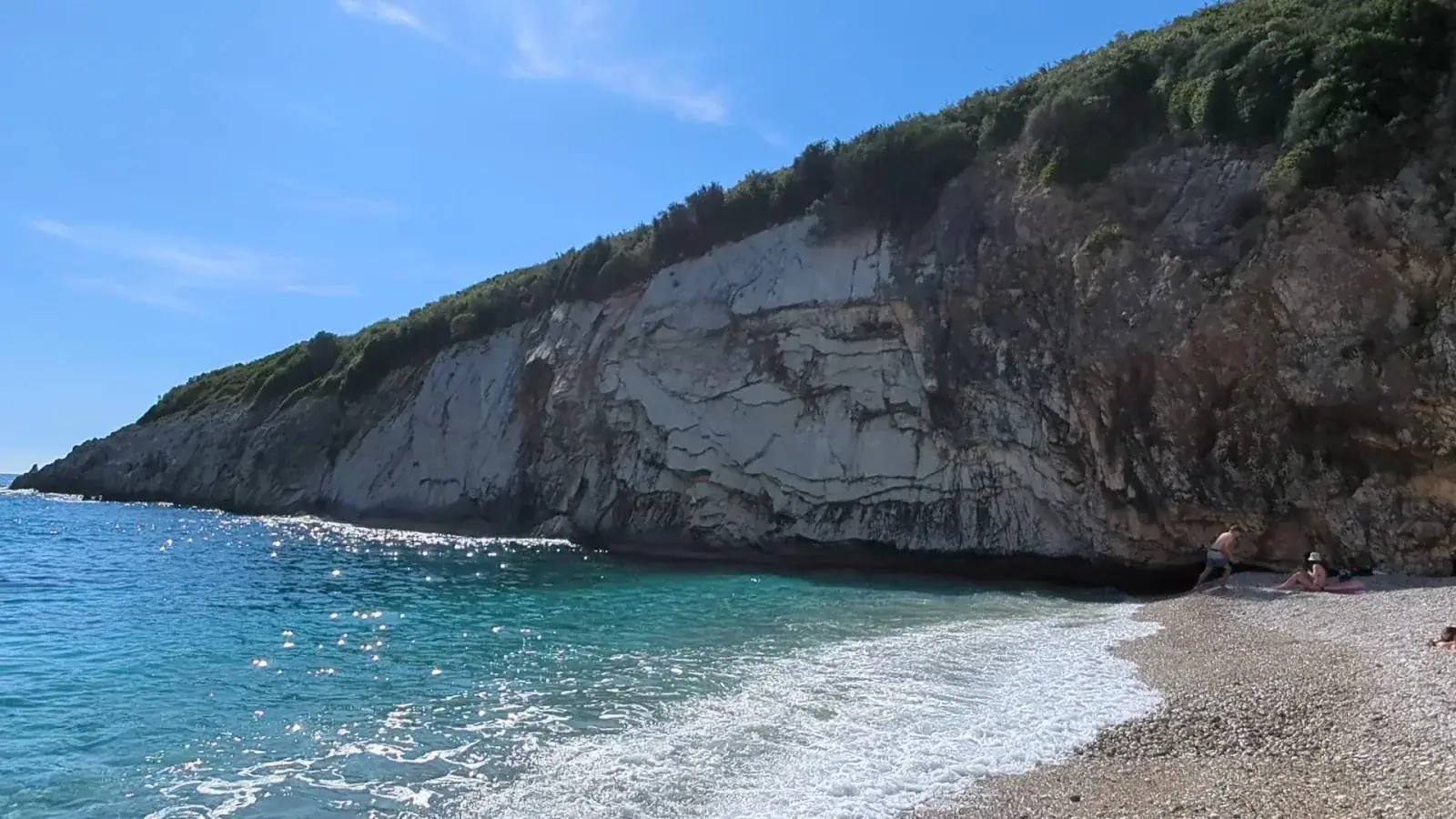
Livadhi Beach (Plazhi i Livadhit), just outside Himara town, is the everyday beach: 1.5 km of pebble shoreline between two rocky headlands, with shallow water that deepens gradually for a good 20-30 meters out, pine trees for natural shade at the quieter south end, and the silhouette of Himara's old castle on the hill above. The north end is livelier, restaurants, sun loungers, and the BOHO beach bar cluster there, while the south end stays calmer and is where families with younger kids tend to settle. At 1.5 km it's long enough to never feel cramped, even at peak season, which is the main thing that separates it from smaller coves nearby. Livadhi faces west, so it also doubles as a good sunset spot, the sun drops straight into the Ionian Sea in front of you.
4.5 km by road west-north-west of Himara center (10–15 min drive), or 1.8–3.2 km on the coastal footpath (25–40 min walk)·~1.5 km
nearby
Filikuri Beach
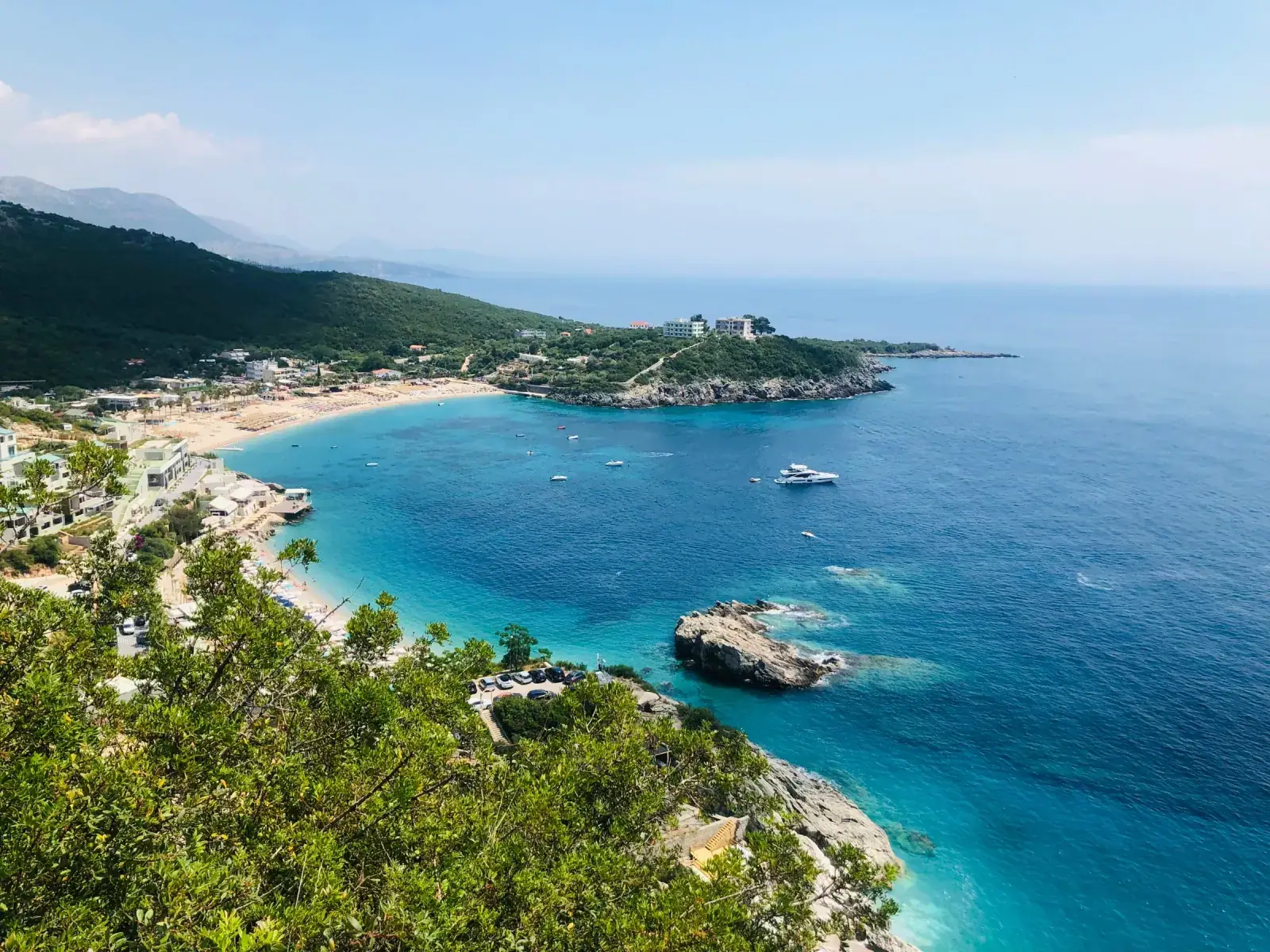
Filikuri Beach sits below high limestone cliffs between Himara town and Llamani Beach, sealed off from casual drop-in traffic by its own terrain. There's no road to the shoreline, you reach it on foot, by kayak, or by boat, and that access filter is exactly why it stays one of the most unspoiled coves on the Riviera. What you get for the effort: a small pebble strip, rock walls on both sides, and transparent Ionian water that usually looks better in person than in photos. The seabed drops away faster than at family beaches, so this suits confident swimmers and snorkelers more than young kids. With no permanent cafes, bars, or sunbeds, Filikuri rewards travelers who want a genuinely off-grid few hours rather than a serviced beach-club afternoon.
Between Himara and Llamani·~100 m
drive-north
Jale Beach
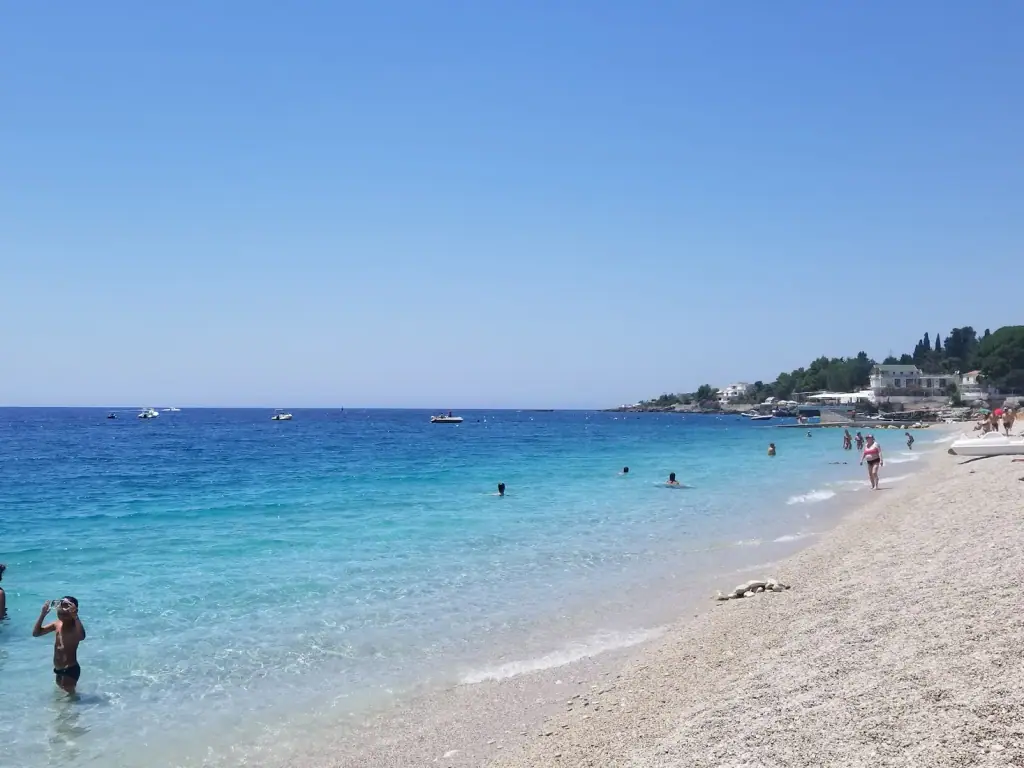
Jale Beach is a compact 300-400 meter bay 12 km north of Himara, tucked between rocky headlands with olive-covered hills rising behind it, the Riviera's backpacker cove, and increasingly its party one too. The water clarity is the strongest card: turquoise near shore, deepening to vivid blue, with good snorkeling along both headlands. Two campgrounds and a growing beach-bar strip (Favela Beach Bar draws the daytime crowd; quieter spots hold the sunset end) give it a youthful, social energy that shallow family beaches like Livadhi don't have. It's also the natural base for reaching Akuarium Beach, a 1.5 km coastal hike south around the headland. Peaceful in June and September; on July-August weekends the bar strip turns the whole cove into one late-night party.
12 km north of Himara (20 min drive)·300-400 m
drive-north
Dhermi Beach
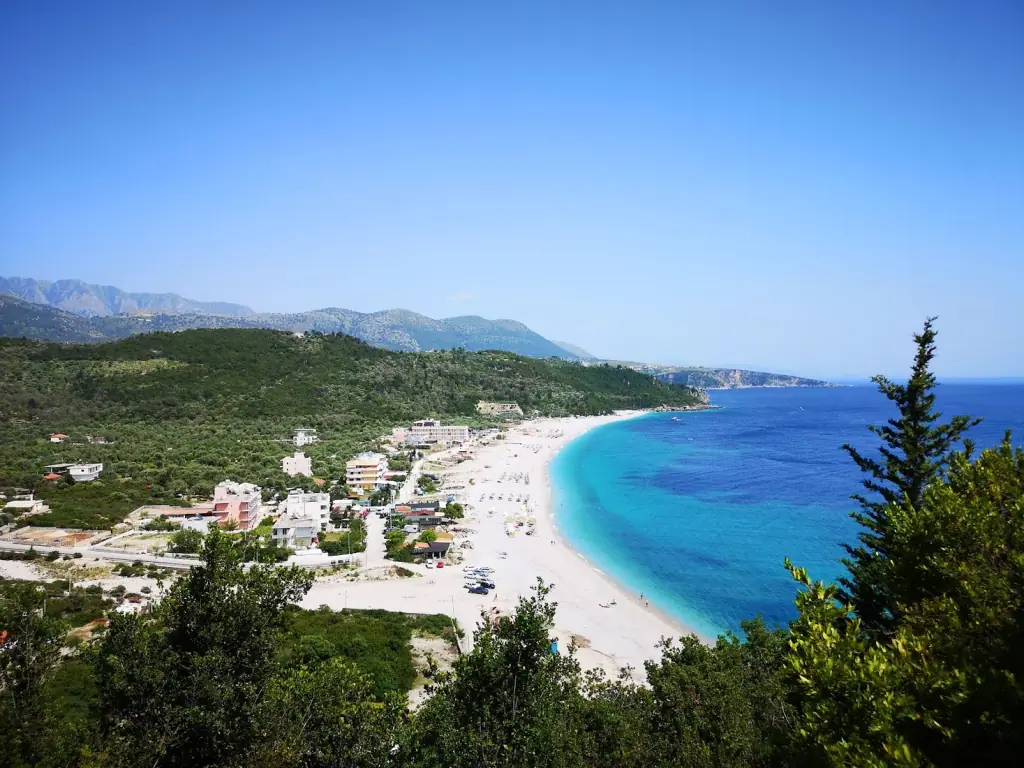
Dhermi Beach is a white pebble beach below the Ceraunian Mountains, offering a more polished and upscale beach experience than most Himara-area options. Beach clubs, waterfront hotels, and restaurants line the shore, and the striking blue Ionian waters make it one of the most photographed spots on the Albanian Riviera. Prices tend to be higher here, reflecting its reputation as a premium destination.
19 km north of Himara (35–40 min drive)
Where to Eat & Drink in Himara
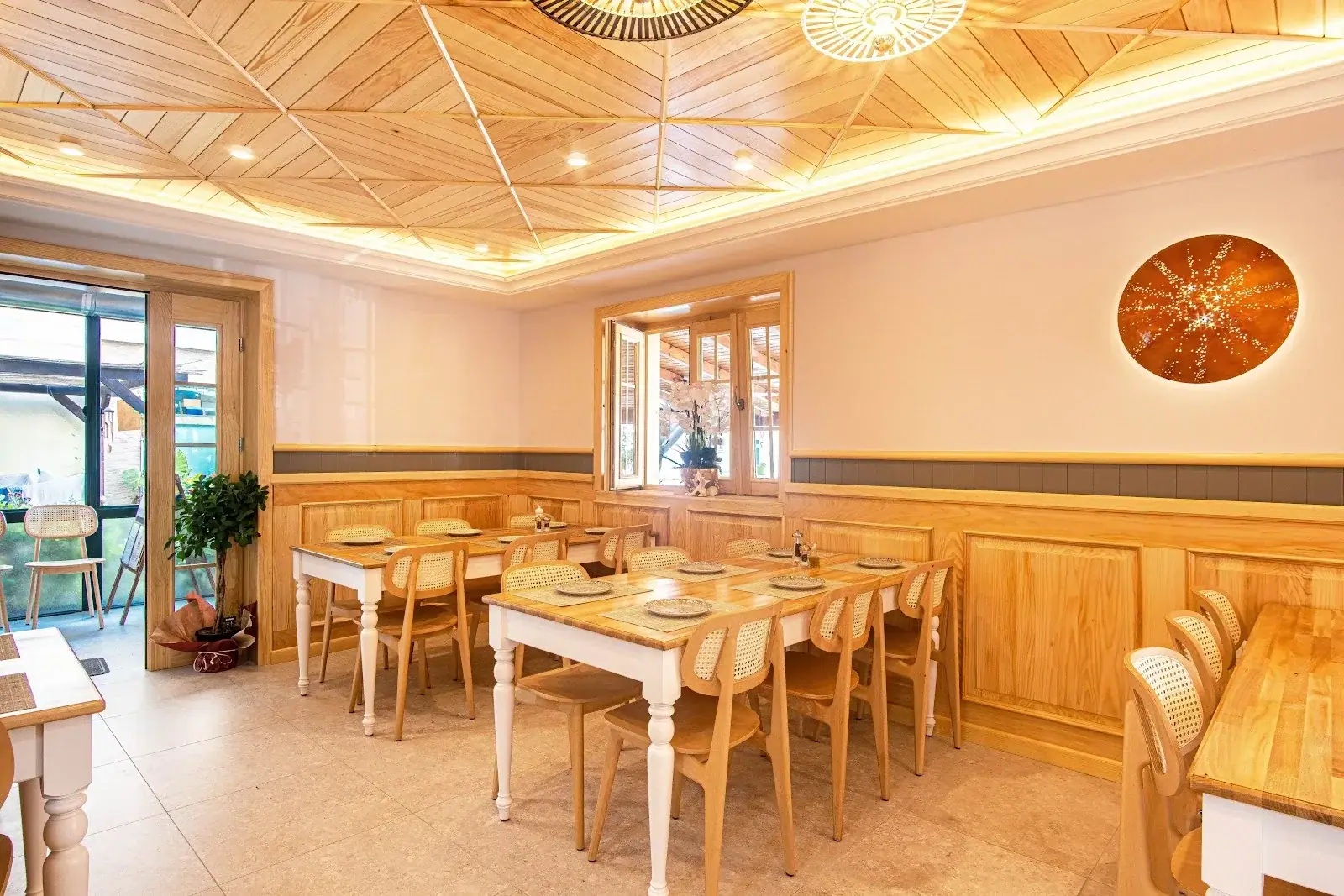
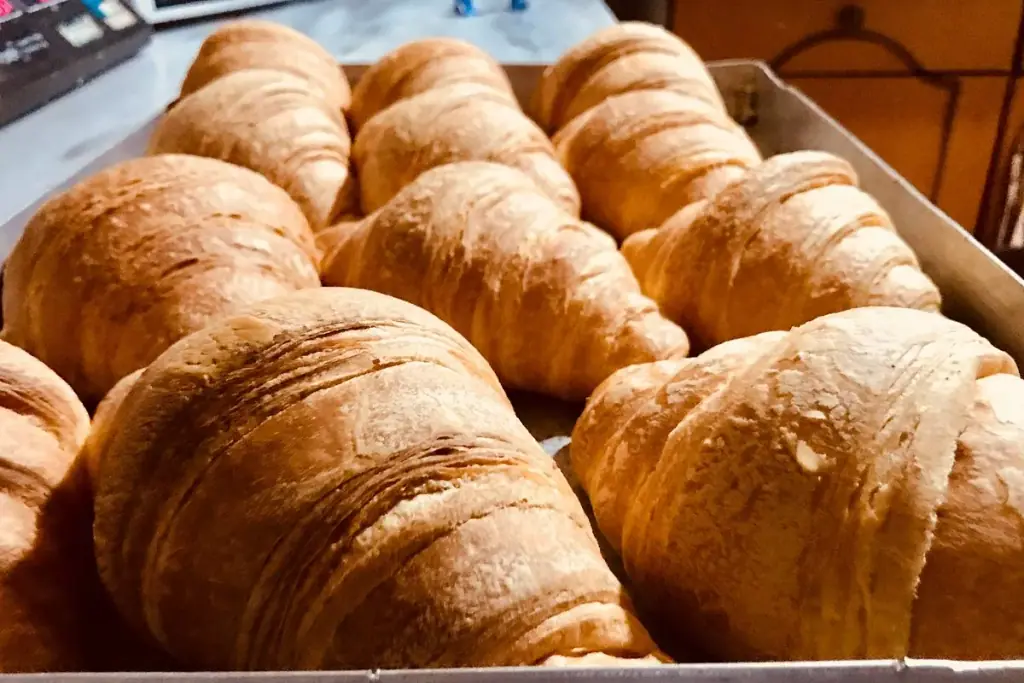
Seaside tavernas, morning coffee and the grills locals actually queue for.
Plan Your Trip at a Glance
The numbers most people search for before they book anything.
- From Tirana
- 3.5–4 hrs by road
- From Saranda
- ~1.5 hrs by bus
- From Corfu
- Ferry + 1.5 hrs north
- Best months
- May–June, September
- Typical day
- €25–45 room, €10–20 meal
Latest from the Blog
Guides, tips, and insider knowledge for your Himara trip.
Practical Info
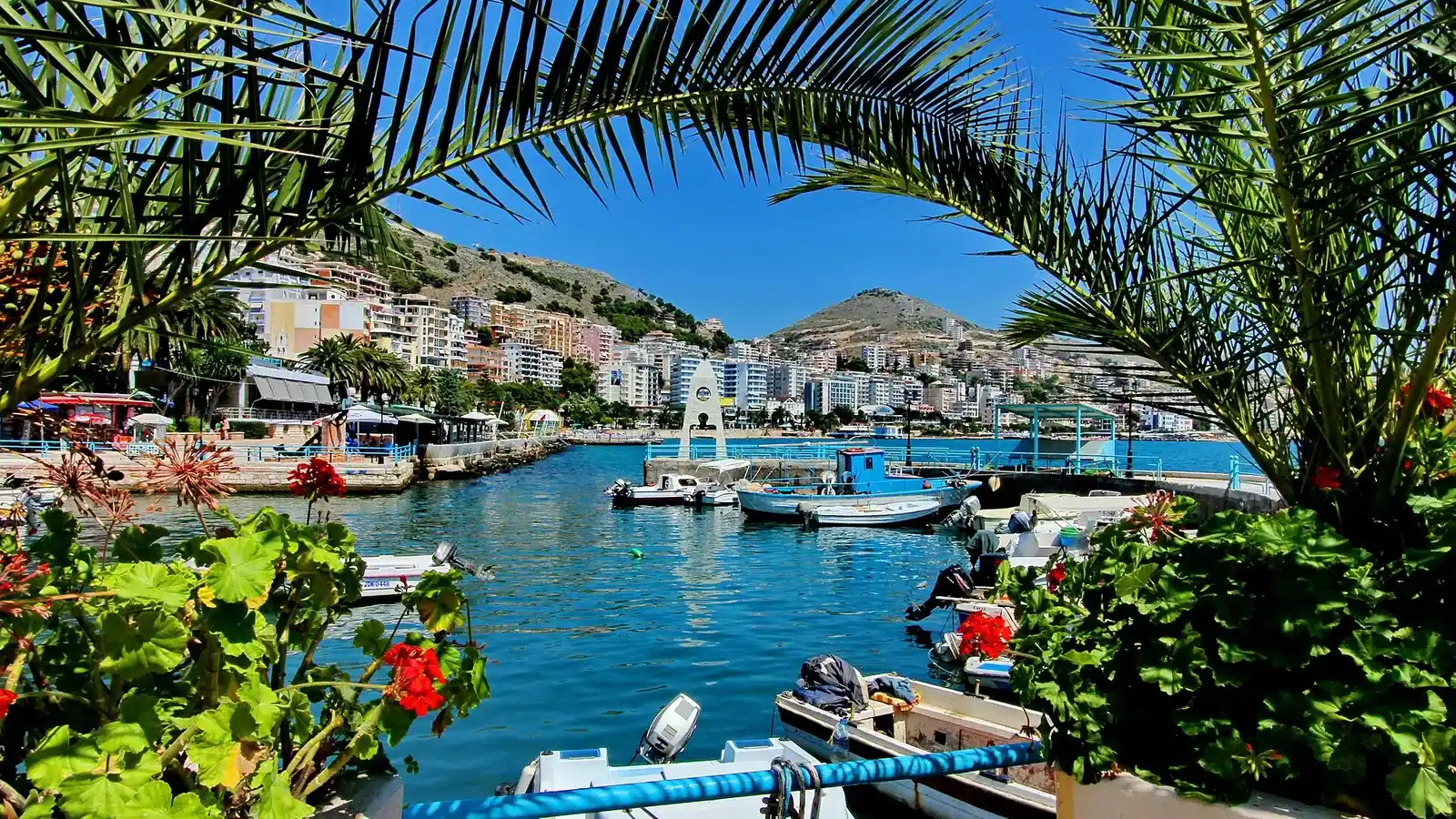
Car Rental Saranda 2026: Prices by Month, Deposits & Scooters
Car hire in Saranda and Ksamil for 2026: what a rental car costs month by month, which local firms skip the deposit, scooter and quad rates, and self-drive boats.
Practical Info
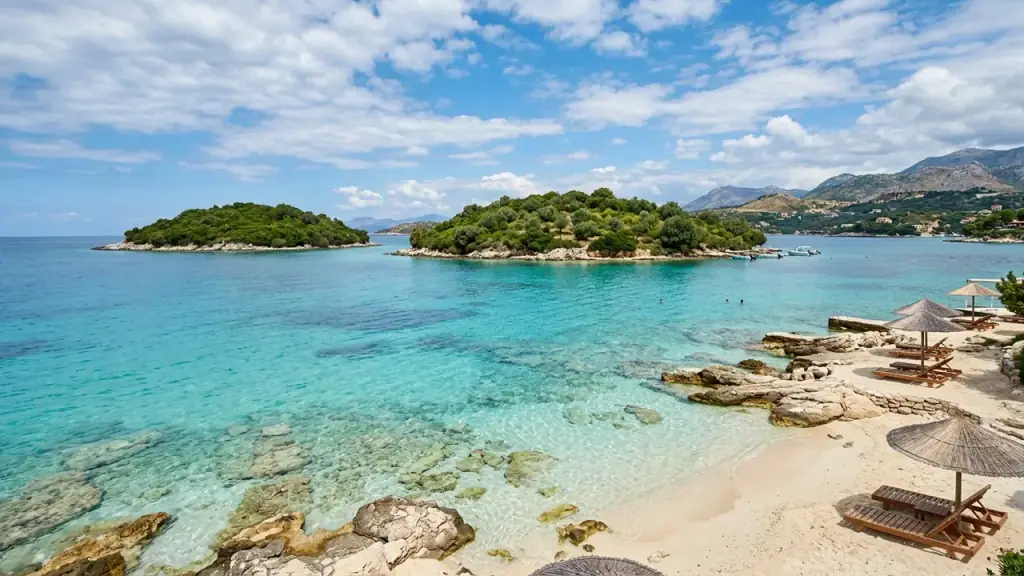
Ksamil Weather by Month: Sea Temperature, Rain & Best Time
Ksamil weather month by month: highs and lows, rain, sea temperature for the islands swim, the best months for the beach, forecasts and the live Ksamil webcam.
Travel Guide
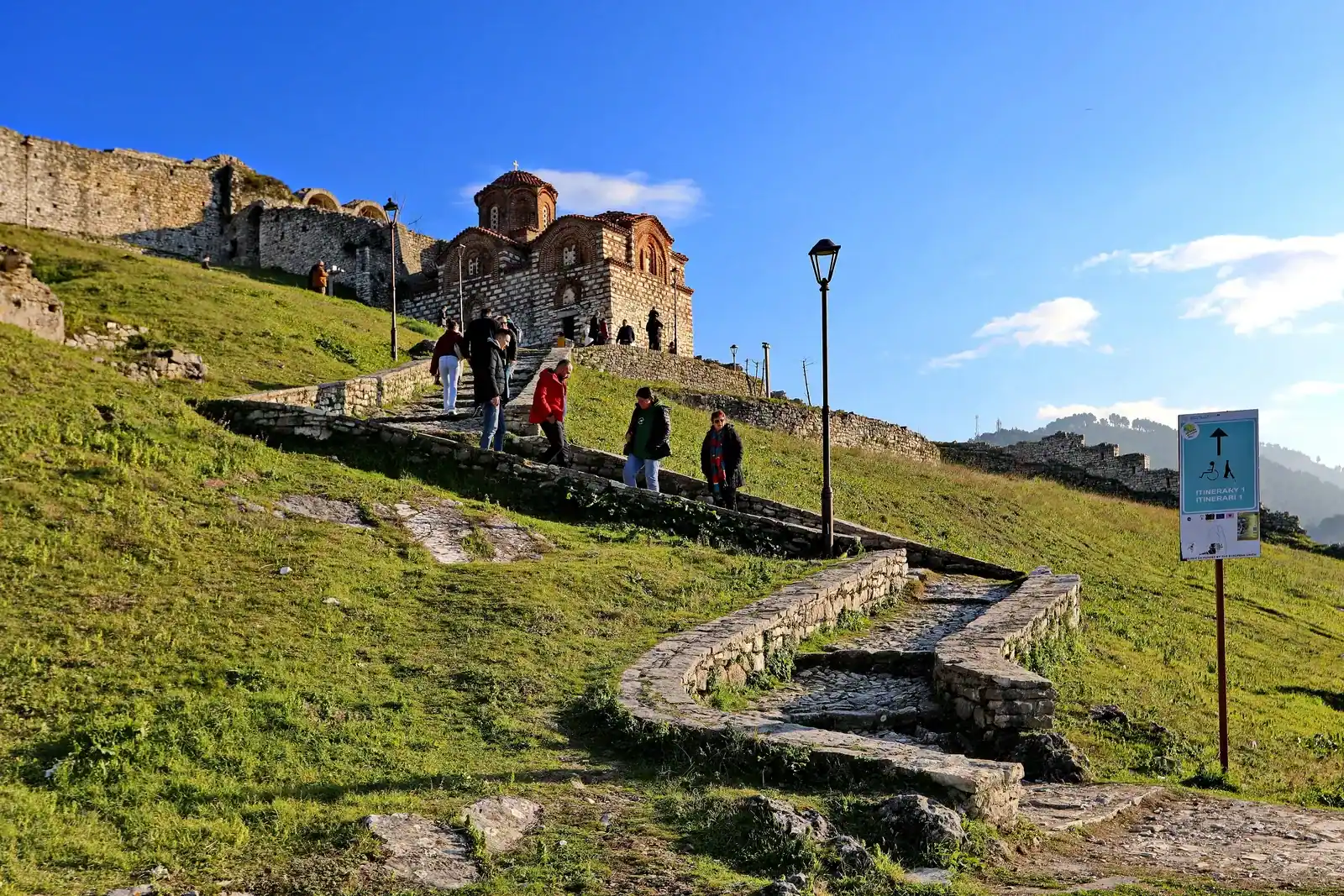
Berat Castle 2026: Tickets, Hours and What's Inside the Walls
Berat castle (Kalaja e Beratit) is a lived-in hilltop quarter with Byzantine churches and the Onufri icon museum. Tickets, hours, the walk up, what to see.
Himara Travel FAQ
Common questions about visiting the cultural heart of the Albanian Riviera.
Is Himara Greek or Albanian?
Both, depending on what you mean. Himara is administratively part of Albania. It sits in Vlorë County and has been within the Albanian state since 1912. Culturally, the coastal town and several nearby villages (Dhërmi, Palasë, Vuno, Qeparo) are home to a long-established ethnic Greek community that speaks the distinct Himariote dialect of Greek, while the inland villages are Albanian-speaking. So Himara is an Albanian town with a historic Greek-speaking minority, and both identities are part of its character.
What does Himara mean?
The name comes from the ancient Greek Chimaira (Χίμαιρα), the same word as the mythological fire-breathing creature. Scholars link it either to the wild, goat-haunted mountain terrain or, in a later Byzantine reading, to the seasonal mountain torrents (cheimarros, 'winter stream') that crash down to the sea after heavy rain.
Is Himara worth visiting?
Absolutely. Himara offers a more authentic, cultural experience than Saranda or Ksamil, with some of Albania's best beaches (Gjipe, Livadhi) and a rich bilingual heritage.
How do I get to Himara?
You can reach Himara by bus from Tirana (4-5 hours) or Saranda (1.5 hours). You can also take a ferry from Corfu to Saranda and then a bus or taxi north.
What is the best time to visit Himara?
The peak season is July and August, but May, June, September, and early October offer perfect weather with fewer crowds and lower prices.
Is Himara safe for tourists?
Himara is very safe for solo travelers, families, and couples. The locals are exceptionally welcoming, and crime rates are very low.
What are the best beaches in Himara?
Gjipe is the most famous for its canyon, Livadhi for families, and Spile for convenience. Filikuri and many coves to the north are best reached by boat.
Where is Himara?
Himara is a coastal town in southern Albania, in Vlorë County, sitting on the Ionian Sea midway along the Albanian Riviera between Vlorë and Saranda. It lies roughly 1.5 hours by road from Saranda, about 2 hours from Vlorë, and around 3.5 to 4 hours from Tirana, beneath the Ceraunian Mountains.
Is Himara cheap?
Himara is affordable by Western European standards, though slightly pricier than inland Albania. In shoulder season expect roughly €25–45 for a guesthouse double, €10–20 for a sit-down meal, and €1.50–3 for coffee. July and August cost the most; May, June, and September offer the best value.
When to come
Come in May, June or September.
July and August are the most expensive weeks of the year. The quieter months cost less, and the bus timetable is the thing that gives out.
- A double room
- €25–45Meals run €10–20 and a coffee is €1.50–3. Those are shoulder-season rates. July and August are dearer, and the guides do not put a figure on how much.
- The last bus back
- 19:00–20:00That is the peak-summer cutoff on the coastal hops, and it comes earlier the rest of the year. Saranda to Ksamil stretches from every 20–30 minutes to every 45–60.
- Getting here
- 3h 40The first bus out of Tirana leaves at 07:00 and arrives 10:40, for 15€. Saranda is 1h 30 and 8–10€. Both are cash, in lek.
Only August works? Then you get the whole timetable: several departures a day from Tirana, the last coastal bus at 19:00–20:00, and a bus from Saranda to Ksamil every 20–30 minutes. You pay the highest room rates of the year for it.
What a day costs, any month
30-50€Budget
70-120€Mid-range
200+€Luxury
The three bands come from how the route guides word it, "several departures daily (summer)" against frequency dropping sharply outside it. There is no month-by-month dataset behind them. Room and meal prices are shoulder-season figures. Cash, in lek, at roughly 100 ALL to the euro.