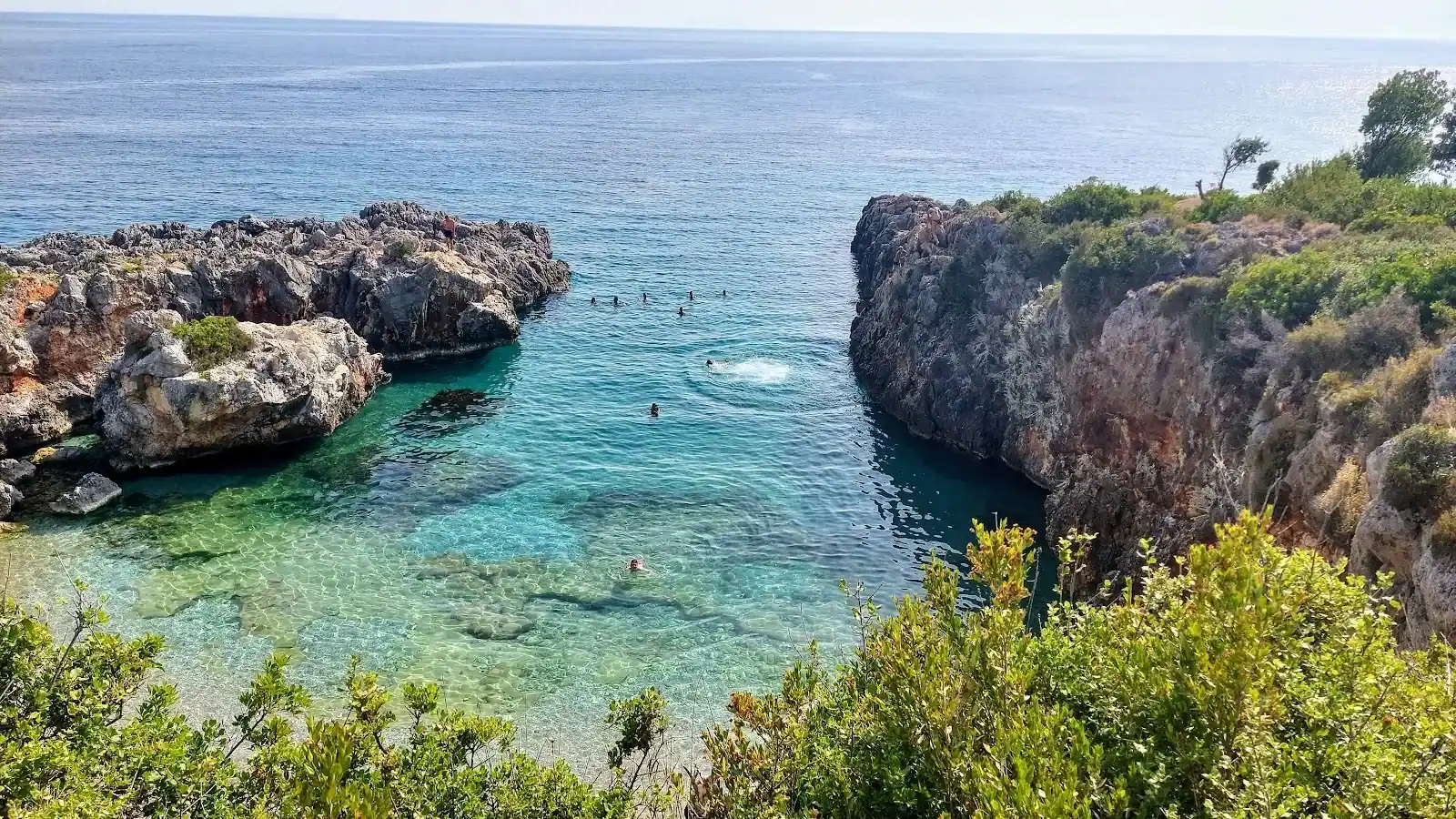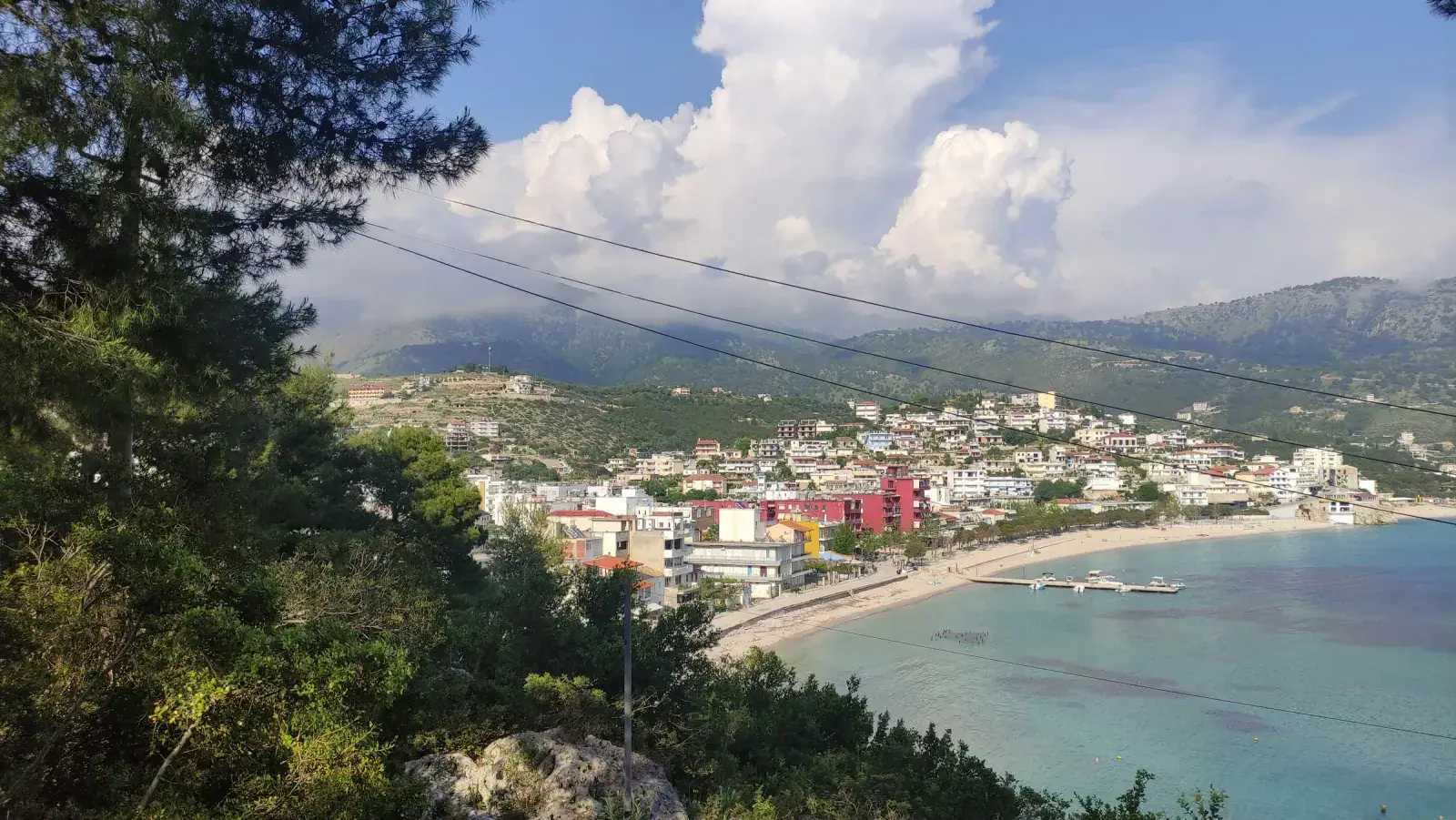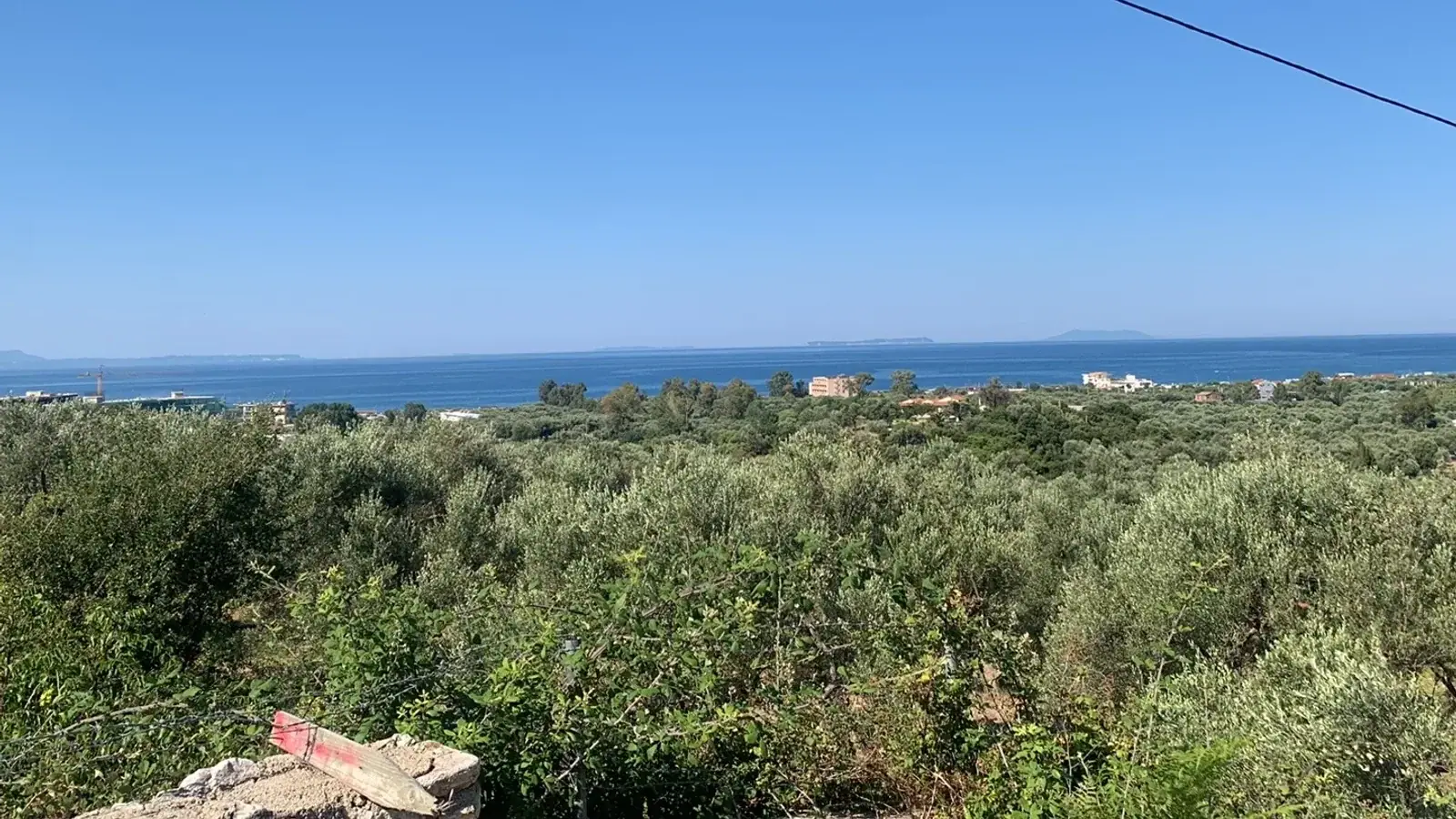
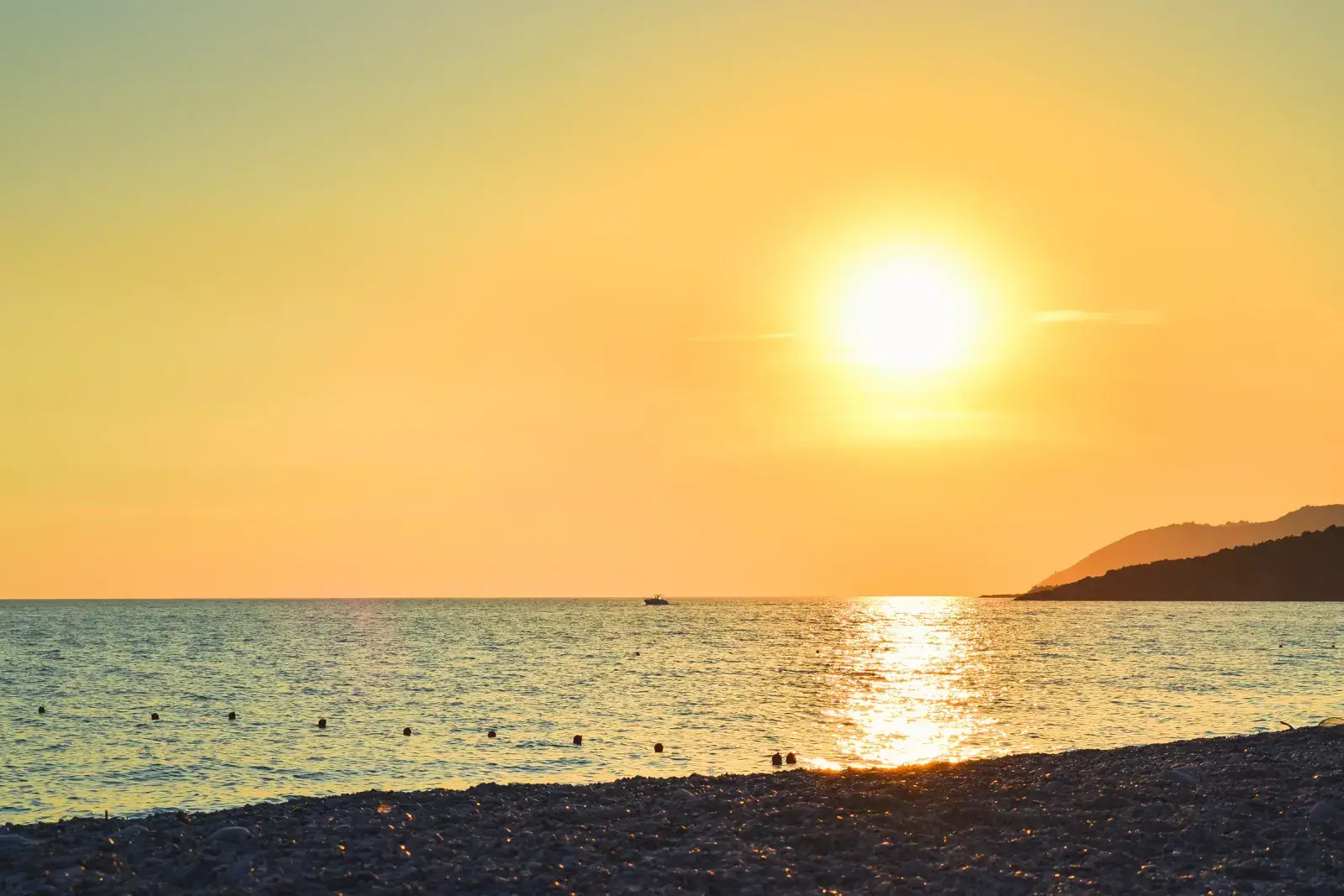
The best time to visit Himara is June or September. Both months deliver warm weather (25-30°C), sea temperatures warm enough for swimming, nearly everything open for business, and significantly fewer crowds than peak summer. You'll pay 30-50% less for accommodation than in July or August, and you won't have to fight for a spot on Livadhi Beach (Greek: Λιβάδι, Albanian: Plazhi i Livadhit) at 9 AM.
That said, Himara has something to offer in every season. Peak summer is unbeatable for nightlife and energy. Spring and autumn are ideal for hiking and exploring without the heat. Even winter has a quiet charm if you're into castles, empty trails, and village life.
Here's a complete breakdown of what to expect each month so you can pick the right time for your trip to the Albanian Riviera.
Compare hotels, apartments, and Vrbo rentals on the map. Powered by Stay22.
Month-by-Month Overview
| Month | Air Temp | Water Temp | Crowds | Prices | Verdict |
|---|---|---|---|---|---|
| January | 10-14°C | 15°C | Empty | Lowest | Village life only |
| February | 10-15°C | 14°C | Empty | Lowest | Village life only |
| March | 12-18°C | 15°C | Empty | Lowest | Early spring walks |
| April | 15-22°C | 16-17°C | Very quiet | Low | Hiking season starts |
| May | 18-25°C | 17-19°C | Quiet | Low | Great for hiking, brave swimmers only |
| June | 25-30°C | 20-23°C | Moderate | Mid | Sweet spot |
| July | 30-35°C | 24-26°C | Packed | High | Peak season |
| August | 30-35°C | 24-26°C | Packed | Highest | Peak season |
| September | 25-30°C | 22-24°C | Moderate | Mid | Sweet spot |
| October | 20-25°C | 20-22°C | Quiet | Low | Last swims, things closing |
| November | 15-20°C | 18°C | Empty | Lowest | Off-season begins |
| December | 10-16°C | 16°C | Empty | Lowest | Quiet village |
Peak Season: July and August
July and August are when Himara comes fully alive. Every restaurant, beach bar, and hotel is open. Boat tours run daily. The promenade buzzes past midnight. If you want the full Mediterranean summer experience with warm nights, cold beers on the beach, and a social atmosphere, this is your window.
The trade-offs are real though. Air temperatures hit 30-35°C with relentless sunshine, and the sea warms to a bath-like 24-26°C. Popular beaches like Livadhi and Spile fill up by mid-morning. Sunbed prices creep up, and finding a free spot on the sand at popular beaches becomes genuinely difficult after 11 AM. Hotel prices peak, expect to pay 8,000-15,000 lek (80€-150) per night for a mid-range double, compared to 4,000-8,000 lek in June.
Parking at beaches like Gjipe and Jale gets chaotic. The road to Dhermi slows to a crawl on weekends. Restaurants that take no reservations will have 30-minute waits at dinner.
Who Peak Season Is Best For
- Nightlife seekers. Beach clubs and bars run until 3-4 AM. The scene in Dhermi and along Himara's promenade is at its peak. Check our nightlife guide for the best spots.
- Groups and solo travelers. The social energy makes it easy to meet people.
- Families who need everything open. Every activity, tour, and rental service operates daily.
Peak Season Tips
- Book accommodation at least 4-6 weeks in advance
- Arrive at popular beaches before 10 AM
- Consider staying in Himara town and day-tripping to other beaches, town beaches like Spile and Sfageio are less crowded than Dhermi
- Eat lunch early (before 1 PM) or late (after 3 PM) to avoid restaurant waits
- Evening boat tours are cooler and less crowded than morning departures
Shoulder Season: June and September
This is the sweet spot, and we recommend it to almost everyone asking about the best time to visit Himara.
June
June is when summer starts in earnest. By mid-June, the sea temperature hits 21-23°C, perfectly comfortable for swimming. Air temperatures range from 25-30°C, hot enough for beach days but not the oppressive heat of August. Most hotels, restaurants, and tour operators are open by early June, though a few stragglers open mid-month.
Crowds are manageable. You'll share the beach with other visitors, but finding a sunbed or a good restaurant table isn't a battle. Hotel prices sit 30-40% below July rates. Early June is especially quiet, you might have entire stretches of beach to yourself on weekdays.
June is the best time to visit Himara for families. The water is warm enough for kids, beaches aren't overcrowded, and you can actually park near popular spots like Jale and Livadhi without circling for 20 minutes.
September
September might be the single best month. The summer crowds drain out after the last week of August, but the sea is still 22-24°C from months of summer heating. The air cools to a comfortable 25-28°C. Light lasts well into the evening. Everything is still open through mid-September, and most things remain operational through the end of the month.
Prices drop back to shoulder-season levels, 30-50% cheaper than August. The atmosphere shifts from hectic to relaxed. Restaurant service improves when staff aren't slammed. You can walk into any place for dinner without waiting.
September is the best time to visit Himara for couples. The romantic evening light, uncrowded beaches, warm water, and relaxed pace make it ideal.
Shoulder Season Tips
- Early June and late September are the quietest parts of the shoulder season
- A few water sports operators may not start until mid-June
- By late September, some beach bars begin closing for the season. Call ahead if you have a specific spot in mind
- Boat tours run throughout both months with smaller group sizes
Off-Season: Spring, Autumn, and Winter
Spring: April-May
Spring is underrated. The Albanian Riviera is green in April and May, with wildflowers covering the hillsides and the Ceraunian Mountains still dusted with snow above. Temperatures range from 18-25°C, ideal for hiking, exploring the old town, and driving the coastal road without melting in the car.
The catch is the sea. Water temperatures sit at 16-19°C in spring, which most people find too cold for prolonged swimming. Brave swimmers and wetsuit divers will be fine, but if beach swimming is your main goal, wait until June.
Some restaurants and hotels in Himara stay open year-round, but selection is limited in April and significantly better by May. Boat tours may not start running until late May or early June.
Best for: Budget travelers (hotel prices are at their lowest), hikers, photographers, and anyone who prefers exploring over beach lounging. Check activities for hiking and sightseeing options that don't depend on warm water.
Autumn: October
October is the locals' secret. The sea retains its summer warmth at 20-22°C, still perfectly swimmable through mid-October and often into late October. Air temperatures are a pleasant 20-25°C. The light turns golden in the afternoons.
The downside is that things are winding down. Beach bars close one by one through the month. Some restaurants shift to shorter hours or weekends-only. By late October, you'll notice the town getting quieter. But if you time it right, first two weeks of October, you get warm water, empty beaches, low prices, and enough restaurants open to keep you well fed.
Best for: Budget travelers who still want to swim. October gives you beach weather at spring prices. If you're flexible on dining options and don't need nightlife, it's excellent value.
Winter: November-March
Himara in winter is a different place entirely. Most beach businesses close. The promenade empties. The town shrinks back to its year-round population of a few thousand, and the pace of life slows to a crawl.
That said, winter isn't dead. A handful of restaurants and hotels stay open, and the town has a cozy village atmosphere that appeals to a certain kind of traveler. Temperatures rarely drop below 10°C. This is the southern Ionian coast, not Scandinavia. Rain is more frequent, but you'll get plenty of sunny days between showers.
Winter is excellent for:
- Himara Castle and old town, explore without crowds or heat, the hilltop views are spectacular on clear winter days
- Hiking, the Ceraunian mountain trails are accessible and the temperatures are perfect for walking
- Llogara National Park, the pass is dramatic in any season (though sometimes foggy and cold, even unexpectedly in summer)
- Road trips, the coastal road from Vlore to Saranda is empty and jaw-dropping in winter light
You won't swim, and you'll need to check which restaurants are operating, but if you want to see the real Himara, the village beneath the tourist infrastructure, winter delivers that.
Weather in Himara: What to Expect
Himara has a Mediterranean climate with dry, hot summers and mild, wet winters. The Ceraunian Mountains behind the town create a microclimate that keeps things slightly cooler and breezier than Saranda to the south.
Summer (June-August): Expect relentless sunshine. Rain is virtually nonexistent from mid-June through August. Humidity can be high but the sea breeze helps. Evenings are warm enough for shorts and a t-shirt through September.
Shoulder (May-June, September-October): Mostly sunny with occasional overcast days. Rain is possible but rarely lasts more than a day. Pack a light jacket for evenings in May and October.
Winter (November-March): Rain comes in bursts, several days of rain followed by stretches of sunshine. The wettest months are November and December. Temperatures rarely hit freezing at sea level.
The Llogara Pass factor: If you're driving from Vlore, you'll cross Llogara Pass at 1,000 meters. The pass can be foggy, cold, and windy even on a hot summer day at sea level. Temperatures at the top can be 10-15°C lower than in Himara. Don't panic, it's a 30-minute stretch before you descend into sunshine. Check our getting here guide for driving details.
Water Temperatures by Season
The Ionian Sea along Himara's coast stays swimmable from May through October, with a comfortable sweet spot from June to early October.
| Period | Water Temp | Swimming Verdict |
|---|---|---|
| November-March | 14-16°C | Cold. Locals-only territory |
| April | 16-17°C | Cold. Wetsuits recommended |
| May | 17-19°C | Cool. Short dips possible |
| June | 20-23°C | Comfortable. Full beach days |
| July-August | 24-26°C | Warm. Perfect for extended swims |
| September | 22-24°C | Warm. Best value swimming month |
| October | 20-22°C | Still comfortable. Enjoy it while it lasts |
The water is clearest in June and September when fewer boats and swimmers stir up sediment. Visibility is regularly 15-20+ meters along the rocky coves south of town, some of the best snorkeling conditions in the eastern Mediterranean.
What the Water Actually Feels Like
| Sea Temperature | Typical Feel |
|---|---|
| 14-17°C | Cold-water swimmer territory only |
| 18-20°C | Short dips possible, too cold for extended swims |
| 21-23°C | Comfortable for most adults |
| 24-26°C | Peak comfort, warm enough for hours in the water |
For families and long in-water time. Aim for late June through September.
Crowd Levels by Season
Himara's crowds follow a predictable pattern driven by Albanian, Greek, and Kosovar holiday calendars.
Quiet (November-May): The town is empty. You'll see a handful of travelers and the year-round residents. Some infrastructure is closed.
Building (June): Crowds increase week by week. Early June feels close to empty; late June feels like a busy but comfortable resort town.
Peak (July-August): Packed. Albanian and Kosovar families take their summer holidays. Hotels in Dhermi and Himara book out. Beach parking fills early. Restaurants have waits. This is when the Albanian Riviera earns its reputation as a budget Mediterranean hotspot.
Draining (September): Crowds drop sharply after September 1st. By mid-September, beaches feel spacious again.
Last gasp (October): A trickle of travelers enjoying late-season warmth. Beach operators close up shop one by one.
Holiday Spikes to Watch
- Greek Easter (April/May, date varies): Himara has a significant Greek-Albanian community, and Greek Easter weekend draws visitors from Greece and the diaspora. Hotels can fill up for 3-4 days around the holiday. Book ahead if your trip overlaps.
- Albanian Independence Day (November 28): A long weekend that brings some domestic tourism, but Himara is quiet this time of year regardless.
- Ramadan/Eid: Albania is one of the most secular countries in Europe. Ramadan has virtually zero impact on tourism, restaurants, or daily life in Himara. Everything operates normally.
Prices by Season
Accommodation is the biggest variable. Food, activities, and transport prices stay relatively stable year-round (when things are open).
| Season | Hotel (double) | Sunbed Rental | Boat Tour | Meal for Two |
|---|---|---|---|---|
| Peak (Jul-Aug) | 8,000-15,000 lek (80€-150) | 1,000-1,500 lek (10€-15) | 3,000-4,000 lek (30€-40) | 3,000-5,000 lek (30€-50) |
| Shoulder (Jun, Sep) | 4,000-8,000 lek (40€-80) | 800-1,000 lek (8€-10) | 2,500-3,500 lek (25€-35) | 3,000-5,000 lek (30€-50) |
| Off-season (Oct-May) | 2,500-5,000 lek (25€-50) | N/A (closed) | N/A (not running) | 2,500-4,000 lek (25€-40) |
Budget tip: May and October offer the lowest prices with some summer perks. You can find clean, comfortable doubles for 2,500-4,000 lek ($25-40) per night. See our Himara on a budget guide for more savings strategies.
What to Do Each Season
Summer (June-August)
This is beach season, plain and simple. Spend your days hopping between Himara's beaches. Livadhi for easy access, Gjipe for adventure, Jale for the scene, and the hidden coves accessible only by boat tour. Evenings are for promenade dinners and cocktails. July and August add nightlife into the mix with beach parties and late-night bars.
Don't miss: A boat tour to Pirate's Cave and the secluded beaches south of town. It's the single best activity in Himara regardless of when you visit.
Shoulder Season (May-June, September-October)
The best mix of beach and exploration. Mornings on the beach, afternoons hiking up to the castle or driving the coastal road to Porto Palermo. The lower heat makes active days enjoyable. You can actually walk around at 2 PM without wilting. September sunsets from Himara Castle are worth the trip alone.
Don't miss: Driving the Llogara Pass and stopping at the viewpoint overlooking the entire coastline. In shoulder season, you might be the only car there.
Winter (November-April)
Focus on culture and nature. Explore Himara Castle and the old town churches with their Byzantine frescoes. Hike the coastal trails and mountain paths above town. Drive south to Porto Palermo and Ali Pasha's fortress. Take day trips to Butrint (UNESCO site, 1.5 hours south) or the Blue Eye spring near Saranda.
Don't miss: A clear winter day on the castle hilltop. The views stretch to Corfu, and you'll have the entire fortress to yourself.
Best Month by Traveler Type
| Traveler Type | Best Window | Why |
|---|---|---|
| Families | Late June, early-mid September | Warm water, easier beach days, less extreme midday heat than August |
| Budget travelers | May, October, winter | Lowest accommodation prices and better value options |
| Beach-first travelers | July-August for guaranteed warmth, September for warmth + better logistics | Peak sea temperatures |
| Hikers / active trips | April-June, September-October | Lower heat load for walking and driving days |
| Couples | September | Romantic evening light, uncrowded beaches, warm water, relaxed pace |
| Nightlife seekers | July-August | Beach clubs and bars run until 3-4 AM |
Packing by Season
Summer (July-August): Light breathable clothes, strong sun protection, refillable water, water shoes for pebble beaches.
Shoulder (May-June, September-October): Light layers, wind layer for evenings, water shoes, flexible plans for occasional weather shifts.
Winter (November-March): Warm layers, waterproof shoes, wind/rain shell. Plan around town and culture rather than beaches. See our packing list for the full item list.
Planning Your Trip
Once you've picked your timing, these guides cover the rest:
- 3-Day Himara Itinerary. Day-by-day plan for a first visit
- Things to Know Before Visiting. Cash, transport, language, and practical tips
- Getting to Himara. Driving from Tirana, bus options, and the Llogara Pass
- Himara on a Budget. How to do the Riviera without breaking the bank
- Best Beaches. All 14+ beaches ranked with details
Frequently Asked Questions
Is Himara worth visiting in May?
Yes, if you don't mind cool water. May brings ideal hiking weather (18-25°C), very low prices, and virtually no crowds. The sea at 17-19°C is too cold for most swimmers, but the town and coastline are beautiful. It's the best month for budget travelers who prioritize exploring over beach days.
Can you swim in Himara in October?
Yes. The Ionian Sea holds its summer warmth well into October, with water temperatures around 20-22°C through mid-month. That's comparable to the English Channel in August. Many visitors are surprised by how warm the sea stays. Pack a light wetsuit if you plan to snorkel for extended periods, but swimming is perfectly comfortable.
Is July or August better for Himara?
They're nearly identical in terms of weather and crowds. August tends to be marginally hotter and slightly more crowded, particularly around August 15th when many Albanians take their main summer holiday. If choosing between the two, early July offers fractionally fewer crowds and slightly lower prices, but the difference is minimal.
How far in advance should I book accommodation?
For July-August, book 4-6 weeks ahead, especially for popular hotels in Himara town or beachfront properties in Dhermi. For June and September, 2-3 weeks is usually fine. For the off-season, you can often book same-day or walk in.
Does Ramadan affect tourism in Himara?
No. Albania is one of Europe's most secular countries. Ramadan has no noticeable impact on restaurants, bars, hotels, or tourism activities in Himara. Everything operates on its normal schedule regardless of the Islamic calendar.