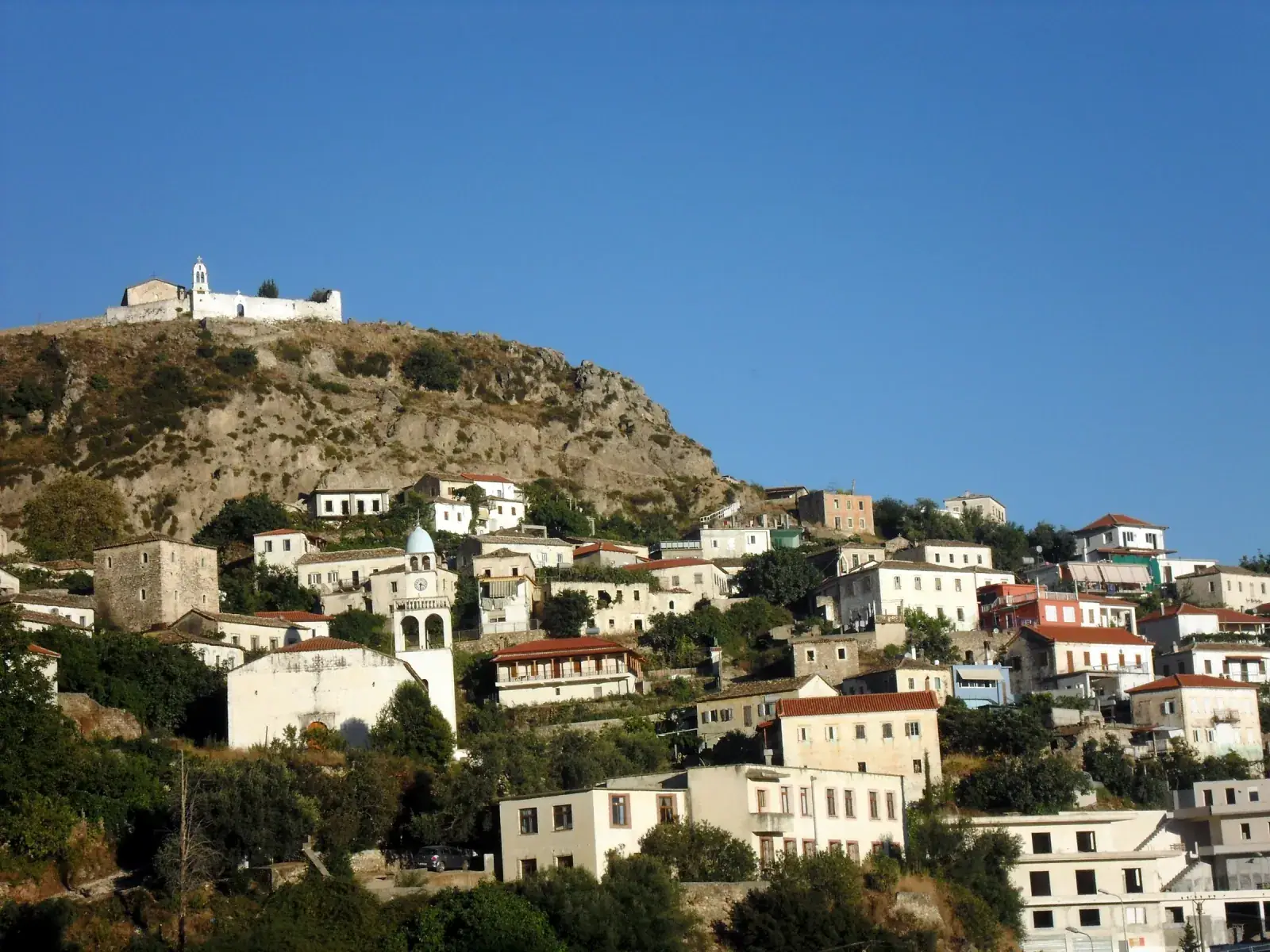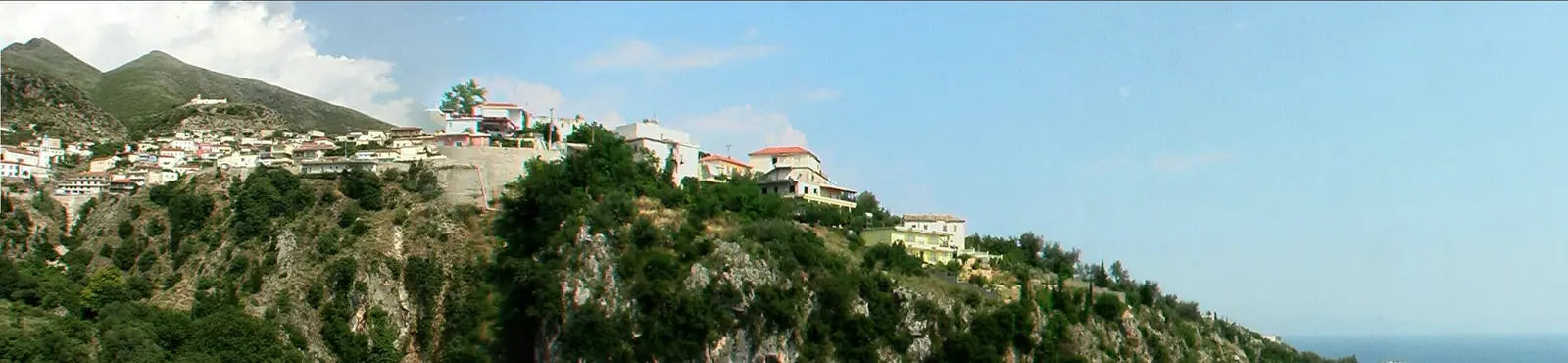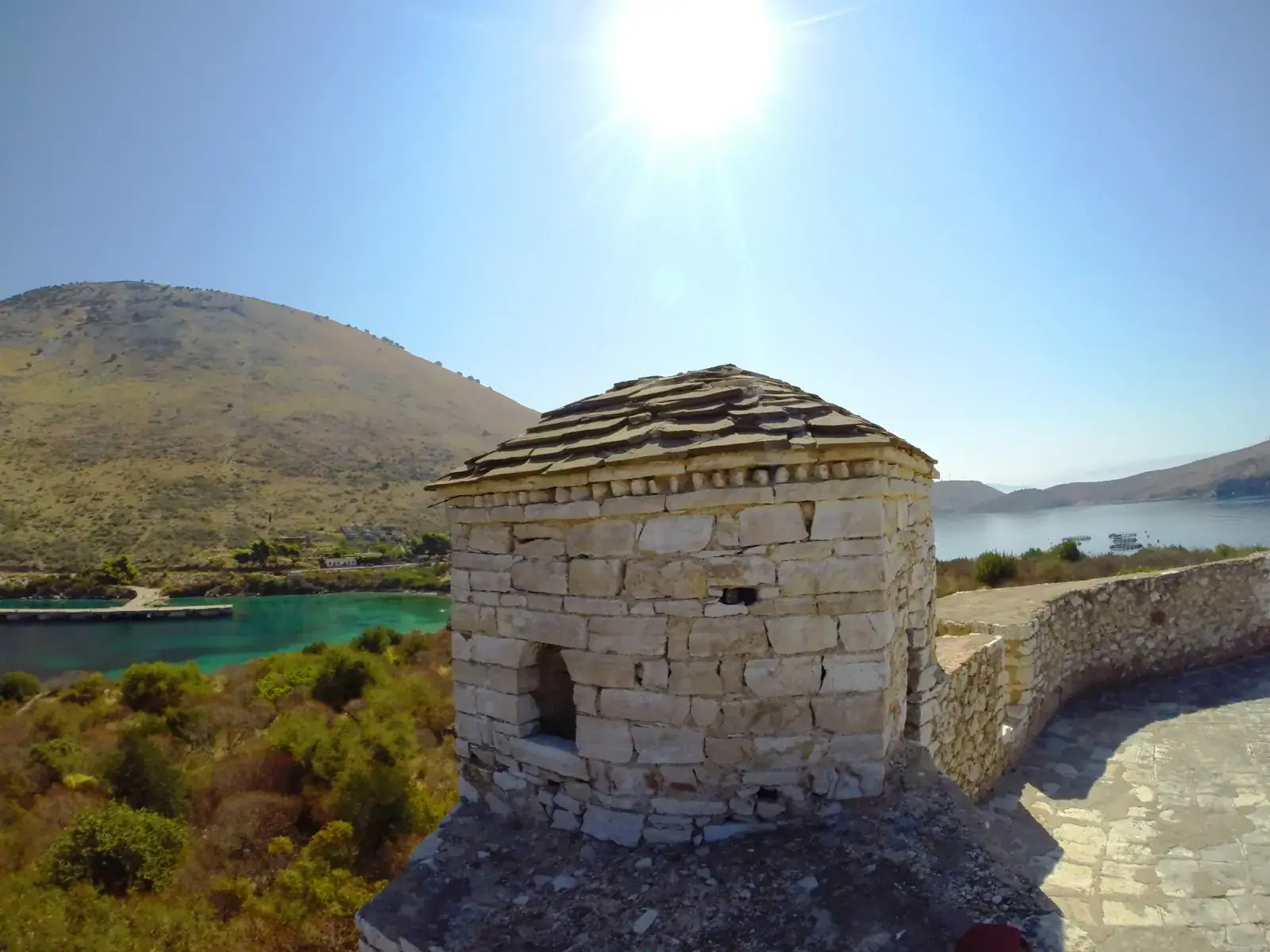
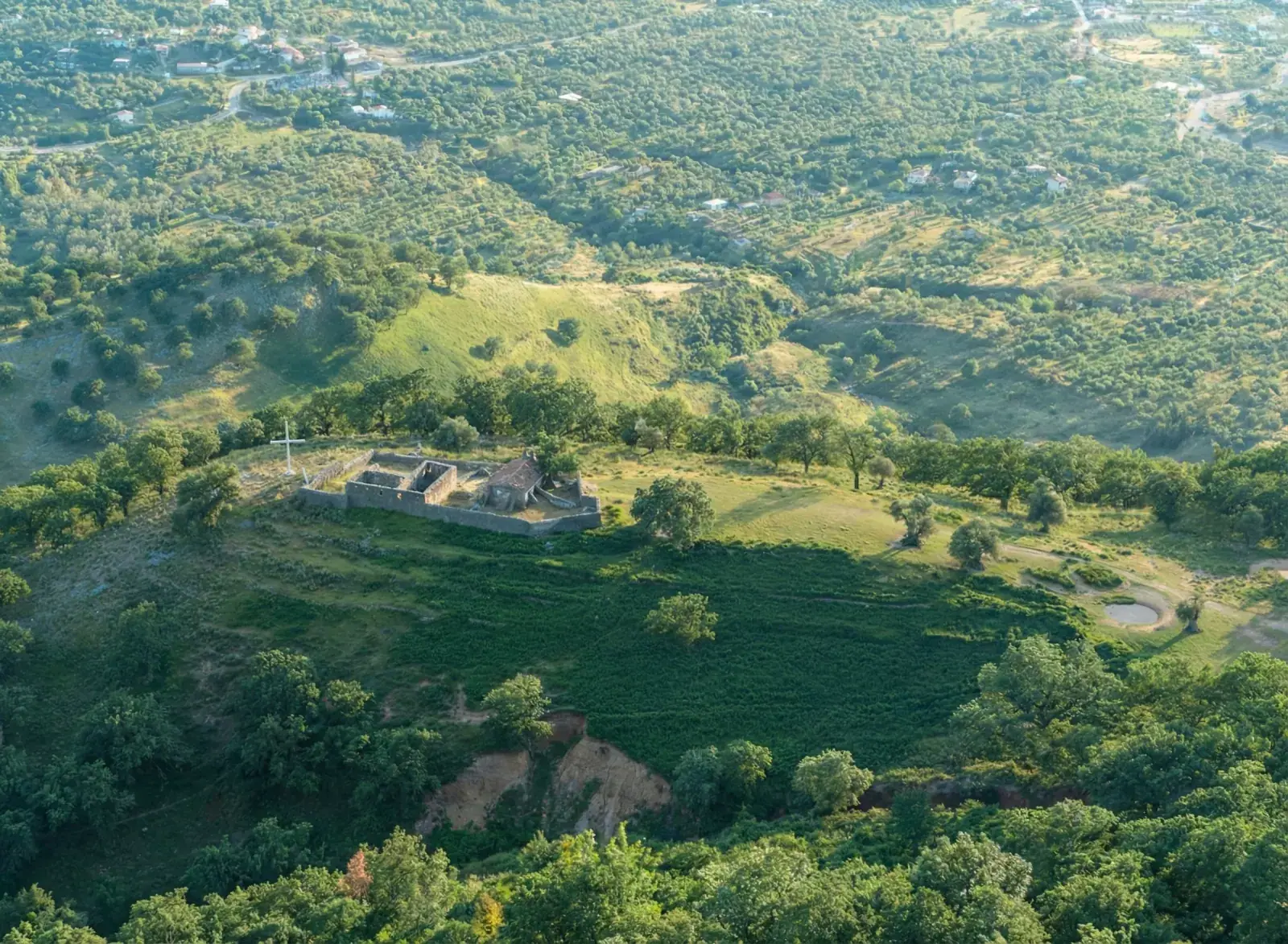
Looking for the best view in Himara? Most travelers stick to the beaches, but the real magic of the Albanian Riviera is often found hidden in the mountains. Perched high on Athali Mountain, the Athali Monastery Himara is one of the region's most significant spiritual and historical landmarks.
Whether you are a history buff interested in Byzantine-style architecture, a pilgrim seeking the site of reported miracles, or an outdoor enthusiast looking for the best hiking trail in Himara, Athali Monastery delivers an experience that is both physically challenging and spiritually rewarding.
In this guide, we'll cover everything you need to know about visiting this 18th-century gem, from the "hidden" stone stairs in Spile to the best time of year to witness the local festivals.
Compare hotels, apartments, and Vrbo rentals on the map. Powered by Stay22.
Athali Monastery Quick Summary
If you're short on time, here are the essential facts about visiting Athali Monastery:
| Detail | Information |
|---|---|
| Location | Athali Mountain (above Himara Spile) |
| Hike Duration | 1.5 - 2 hours (one way) |
| Difficulty | Moderate (consistent uphill) |
| Best Time to Visit | Early morning (Avoid midday heat) |
| Key Festivals | Bright Friday (Friday after Orthodox Easter), August 15th (Dormition) |
| Entrance Fee | Free |
The History and Significance of Athali Monastery
The Athali Monastery, officially known as the Monastery of the Dormition of the Theotokos, is a designated Cultural Monument of Albania. While the exact date of its founding is debated among historians, records point to its construction in 1795, though frescoes commissioned in 1781 suggest earlier religious activity at the site.
Historically, the monastery served as a vital spiritual center for the Himara region. Unlike the more accessible churches in the Old Town, Athali was a place of isolation and retreat. Local folklore is rich with stories of miracles associated with the monastery, particularly regarding the healing properties of the site and the protection it offered the village during turbulent times.
In recent years, the monastery has seen a revival. Starting in September 2022, a major restoration project was launched to preserve the church and the ruins of the surrounding monastery complex. Supported by the Orthodox Autocephalous Church of Albania and Archbishop Anastasios, this project has ensured that the frescoes and stone masonry will survive for future generations.
Architecture and Art
The church itself is a classic example of Byzantine-influenced basilica architecture. It features three naves and is constructed from hewn stone, the work of the local masons of the 18th century.
Inside, you can still find original frescoes dating to 1781. Some show damage from neglect during the communist era, though many survive in reasonable condition. The double-tiled roof and the sturdy stone apse are characteristic of the religious buildings found throughout the Ceraunian Mountains.
Hiking to Athali Monastery: The Route from Spile
The journey to Athali is as important as the destination. There are two main ways to reach the monastery: the traditional "Old Path" and the newer "Road Trail."
The Traditional Path (The Stone Stairs)
For the most authentic experience. Start your hike in the Spile neighborhood (Himara's main town center). Look for the stone stairs leading upwards near the outskirts of the residential area.
- The Ascent: The trail begins with a series of ancient stone steps that wind through olive groves.
- The Terrain: As you climb higher, the stairs give way to a rocky path. You'll be surrounded by the scent of wild mountain tea (Çaj Mali) and oregano.
- The Views: Every few minutes, turn around. You'll see the turquoise waters of Himara, Livadhi Beach, and the distant silhouette of Corfu opening up below you.
The Road Trail
There is a rougher road used by locals for the festivals that is technically accessible by a high-clearance 4x4 vehicle, but it is highly recommended to hike instead. The road is steep, unpaved, and can be dangerous for those unfamiliar with Albanian mountain driving.
Pro Tip: If you are visiting in the summer, start your hike no later than 7:00 AM. There is very little shade on Athali Mountain, and the Mediterranean sun can be brutal by 10:00 AM.
Festivals and Local Traditions
If you want to see Athali Monastery at its busiest, time your visit with one of the local festivals.
Bright Friday (The Friday of Bright Week)
The most culturally significant event for the people of Himara takes place on Bright Friday, the first Friday after Orthodox Easter (the Feast of the Life-Giving Spring, Zoodochos Pigi).
While many towns celebrate Easter in their central churches, the locals of Himara make a collective pilgrimage to Athali on this day, it is a unique tradition where the entire community gathers on the mountain to celebrate the Resurrection together. The atmosphere is one of profound communal joy, featuring religious liturgies followed by traditional music, dancing, and outdoor feasts. If you are in the region during this time, witnessing this event is the best way to understand the deep spiritual and social bond between the people and this mountain sanctuary.
The Feast of the Dormition (August 15th)
This is the monastery's second major day. Hundreds of locals from Himara and the surrounding villages make the pilgrimage up the mountain to celebrate the "Sleep of St. Mary" (Dormition of the Theotokos). It is a day of liturgy, traditional music, and community. Many families bring food and spend the entire day on the mountain.
Practical Tips for Your Visit
To ensure a safe and enjoyable trip to Athali. Keep these practical points in mind:
- Water: There are no shops or working springs at the top. Carry at least 2 liters of water per person.
- Footwear: Do not attempt this in flip-flops. Wear sturdy hiking shoes or sneakers with good grip.
- Navigation: While the path is relatively clear. It is always a good idea to download an offline map (like Maps.me or Google Maps) or check Komoot for recent trail reports.
- Respect: This is an active religious site and a cultural monument. Please dress modestly if entering the church and do not leave any trash behind.
Where to Go Next?
After your hike, you'll likely want to cool off. Head back down to Himara Beach or grab a well-deserved meal at one of the best restaurants in Himara.
If you still have energy for more culture, a visit to the Himara Old Town & Castle is the perfect afternoon follow-up to your morning at Athali.
Frequently Asked Questions
Is Athali Monastery open to the public?
Yes, the monastery and the church are open to the public. However, the church itself may be locked if there isn't a caretaker present. Even if the doors are closed, the courtyard and the panoramic views make the trip worthwhile.
How long does it take to hike to Athali Monastery?
For a person with average fitness. It takes approximately 90 minutes to 2 hours to reach the top from Spile. The descent is faster but can be hard on the knees due to the loose stones.
Can I drive to Athali Monastery?
While a very rough 4x4 track exists, it is not suitable for standard rental cars. Most visitors should plan to hike. If you must drive, consider hiring a local guide with a proper off-road vehicle.
Is the hike to Athali Monastery safe for children?
The hike is safe for older children (8+) who are used to walking. The path is steep and rocky in sections, so it is not suitable for strollers or very young children unless you are prepared to carry them.
What should I wear to visit the monastery?
For the hike, wear athletic clothing. If you plan to enter the church, it is respectful to cover your shoulders and knees. Many hikers carry a light scarf or sarong to wrap around themselves once they reach the top.
Planning your trip to the Albanian Riviera? Check out our 3-Day Himara Itinerary for more ideas on how to spend your time on this stretch of coast.