Rain in Himara catches most visitors off guard. The Albanian Riviera sells itself on sun and turquoise water, so a grey sky feels like a betrayal. It shouldn't. If you're wondering about things to do himara rain, the answer is more than "wait it out." A rainy day here can be one of your best, with atmospheric old town walks, long cafe sessions, slow food experiences, and day trips to places that actually improve in the wet.
The key fact: rain in Himara is usually short. Shoulder season showers (April-May, October-November) tend to pass in a few hours. Full rainy days are rare between June and August. Check the hourly forecast, not the daily one. A morning that looks hopeless at 8 AM often clears by noon.
Quick facts
| Detail | Info |
|---|---|
| Rainiest months | November-February |
| Shoulder rain risk | April-May, October-November (brief showers) |
| Summer rain | Rare; June-August averages 2-4 rainy days per month |
| Typical shower duration | 1-3 hours |
| Indoor activity options | Cafes, churches, old town, cooking, shopping |
| Best rainy day trip | Gjirokaster (1.5-2h drive, indoor museums) |
| Essential gear | Light rain jacket, waterproof phone case |
For full seasonal weather data, see the Himara weather guide.
Cafe hopping: the best rainy morning in Himara
A rainy morning is the best excuse to do what Himara does naturally, sit in a cafe for hours without guilt. Albanian cafe culture doesn't pressure you to leave after one coffee, and Himara's cafes are built for lingering.
Kafe Pasticeri 1928 is the obvious first stop. Nearly a century old, tucked in the town center, with dark wood interiors and glass pastry cases. Order a kafe turke and a slice of trilece while rain streaks the windows. This is one of the few cafes that feels better inside than out.
Astro Brunch has comfortable indoor seating, decent wifi, and a brunch menu that justifies a two-hour stay. If you need to catch up on trip planning or emails, this is where to do it.
Mojo Cocktails Bar on the Spile promenade is normally about the sea view, but a stormy morning here has its own appeal, with waves, dark water, and the sound of rain on the canopy. They open at 7 AM and pull a proper espresso.
Lido Lounge offers a more refined seafront experience with covered seating. Morning coffee transitions naturally into an early lunch if the rain hasn't cleared.
Budget roughly 200-400 ALL (2-4 EUR) per cafe stop for coffee and a pastry. You could hit all four in a single morning for under 15 EUR. For the full breakdown of Himara's coffee scene, see the Himara coffee guide.
Old town and castle in the rain
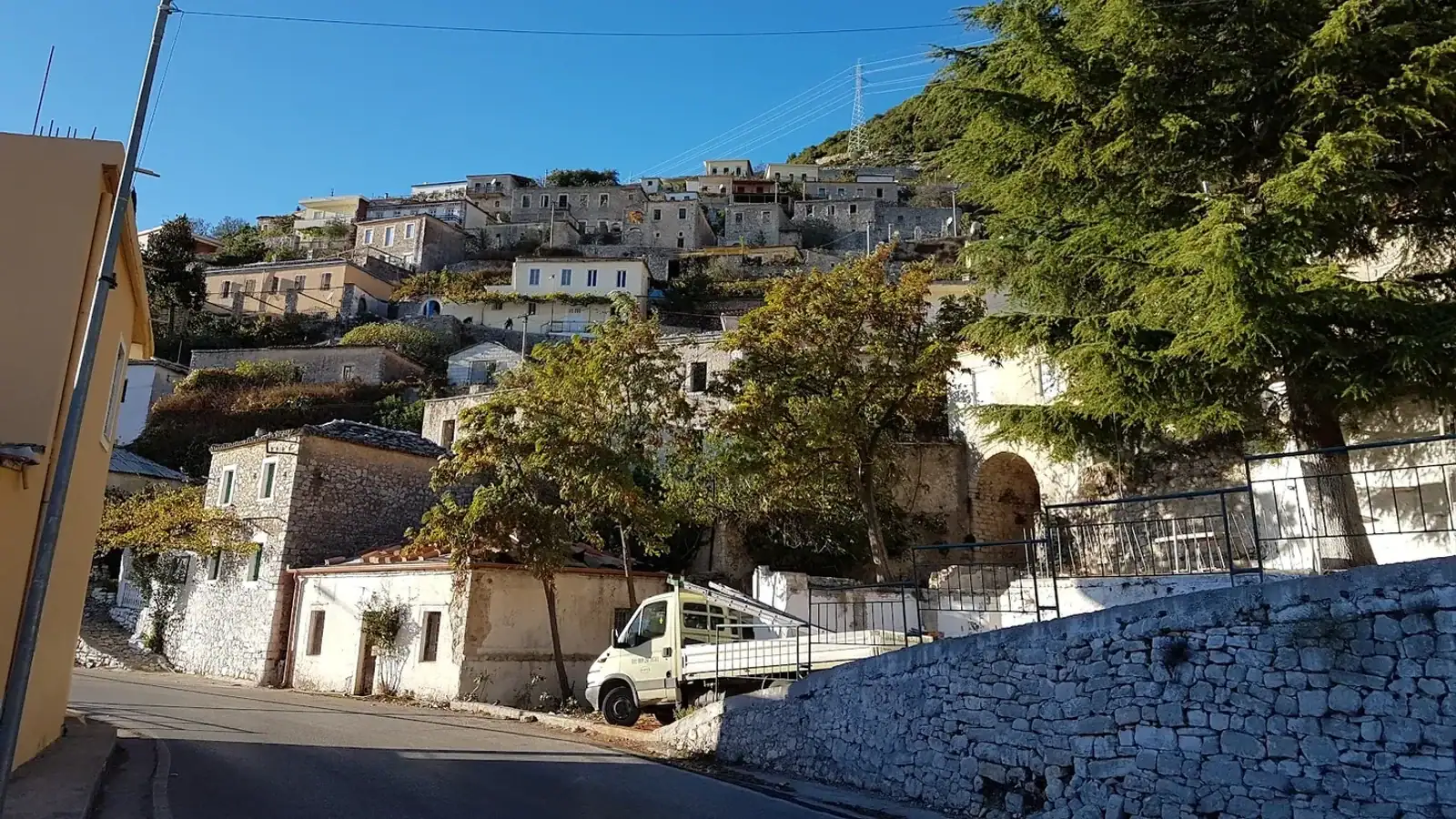
This is counterintuitive, but Himara's old town is better in the rain. The stone alleys of the Himara old town and castle were built for this climate. The narrow passages provide partial shelter, the wet stone glows in the grey light, and you'll have the place almost entirely to yourself. Bring a rain jacket and good shoes (the stones get slippery), and take your time.
The Himara Castle complex is partially covered. The fortification walls, gates, and interior structures offer shelter between exposed stretches. Even in steady rain, you can move between covered sections comfortably.
The real draw in wet weather is the cluster of Orthodox churches inside the castle walls. The Church of Panagia Kassopitra and the Church of Saints Sergius and Bacchus are indoor spaces, stone interiors with Byzantine frescoes, candlelight, and absolute quiet. These churches are worth visiting in any weather, but rain strips away the tour groups and leaves you alone with centuries-old iconography. The atmosphere is unmatched.
Food day: slow meals and raki tasting
Use rain as permission to build your day around food instead of beaches. Himara's restaurant scene rewards long lunches. This isn't a place where meals are rushed.
What to eat on a rainy day:
- Tave kosi. Lamb baked in yogurt, the Albanian national dish. Heavy, warming, perfect for grey weather. Most traditional restaurants serve it.
- Byrek. Flaky phyllo pastry filled with cheese, spinach, or meat. Available at bakeries across town for 100-200 ALL. Pair it with a morning coffee.
- Grilled octopus. Still excellent in the rain. Seafood restaurants along the promenade stay open regardless of weather.
- Raki tasting. Order a small carafe of homemade raki after lunch. Ask your server what they have from local producers. The grape raki (raki rrushi) is standard; fruit variants like plum or fig appear seasonally.
For dessert, hunt down trilece (milk-soaked sponge cake with caramel top) or baklava at Kafe 1928 or any bakery in town. A rainy afternoon is the right time to try every sweet in Himara. For more on Albanian food in Himara, including what to order and where.
Shopping and browsing
Himara's shopping scene is modest, but a rainy hour or two is enough to cover it. The promenade shops and a handful of old town stalls sell locally produced olive oil, mountain honey, raki, handmade soaps, and woven textiles. None of it is mass-produced tourist junk. These are the same products locals use.
Olive oil is the standout souvenir. A 500 ml bottle of local extra virgin runs 800-1,500 ALL (8-15 EUR) and is genuinely excellent. For the full shopping breakdown, what to buy, where, and at what price, see the best souvenirs in Himara guide.
Cooking and accommodation time
Some guesthouses and family-run hotels offer informal cooking demonstrations, not commercial cooking classes with aprons and certificates, but a host showing you how they make byrek, prepare grilled peppers, or bake cornbread. Ask at your accommodation. These are more common during shoulder season when hosts have time and fewer guests.
If nothing else, a rainy afternoon at your hotel or apartment is a gift in disguise. Catch up on laundry (many apartments have washing machines). Read the book you've been carrying since the airport. Plan the next few days of your trip with actual research instead of winging it. Charge every device. Sometimes the most productive travel day is the one where you don't leave.
If you're still planning the trip and weather is a real concern, filter for stays with a pool, covered terrace, or spa. Those make a rainy day actually pleasant rather than something to endure. The map below shows live availability in and around Himara:
Day trips that work in rain
If the forecast shows all-day rain, leave Himara entirely. Several inland destinations are built for wet weather.
Gjirokaster
The best rainy-day trip from Himara. Gjirokaster is a UNESCO World Heritage stone city built on a steep hillside, roughly 1.5-2 hours by car. The grey stone architecture looks cinematic under overcast skies. Locals will tell you the city photographs better in rain than sun.
The indoor options are strong: the Ethnographic Museum (housed in Enver Hoxha's childhood home), the Arms Museum inside the massive hilltop castle, and the Cold War tunnel built into the mountainside beneath the fortress. All are covered. The old bazaar's stone-roofed lanes provide shelter for browsing and coffee stops between museum visits.
Full route details: Gjirokaster day trip from Himara.
Berat
Slightly further (2-2.5 hours), Berat is another UNESCO city with a lived-in castle quarter perched above the Osum River. The Onufri Museum inside the castle houses extraordinary 16th-century Albanian iconography, entirely indoors. Berat's Mangalem and Gorica neighborhoods are atmospheric in rain, and the covered castle area provides shelter. Wine tasting at Cobo Winery near Berat is fully indoor and makes the drive worthwhile even in a downpour.
Butrint
The UNESCO archaeological site at Butrint works in light rain. The ancient ruins gain a moody, photogenic quality when wet, and the surrounding forest canopy provides partial cover. In heavy rain, skip it. The paths turn muddy, exposed sections become uncomfortable, and the experience degrades. Save Butrint for a drizzly morning, not a storm.
For all options, see the day trips from Himara guide.
When rain is actually good
Not everything about a rainy day in Himara is a consolation prize. Some things genuinely improve.
Temperature relief. In July and August, afternoon temperatures regularly hit 33-35 degrees Celsius. A rain shower drops that by five to eight degrees. If you've been wilting in the heat, rain is a gift.
Photography. Overcast skies eliminate harsh shadows. Wet stone surfaces reflect light. Himara's old town, the castle, and the coastline all photograph better under moody skies than in flat midday sun. The hour after rain clears, when the light returns but everything is still wet and glistening, produces the best images.
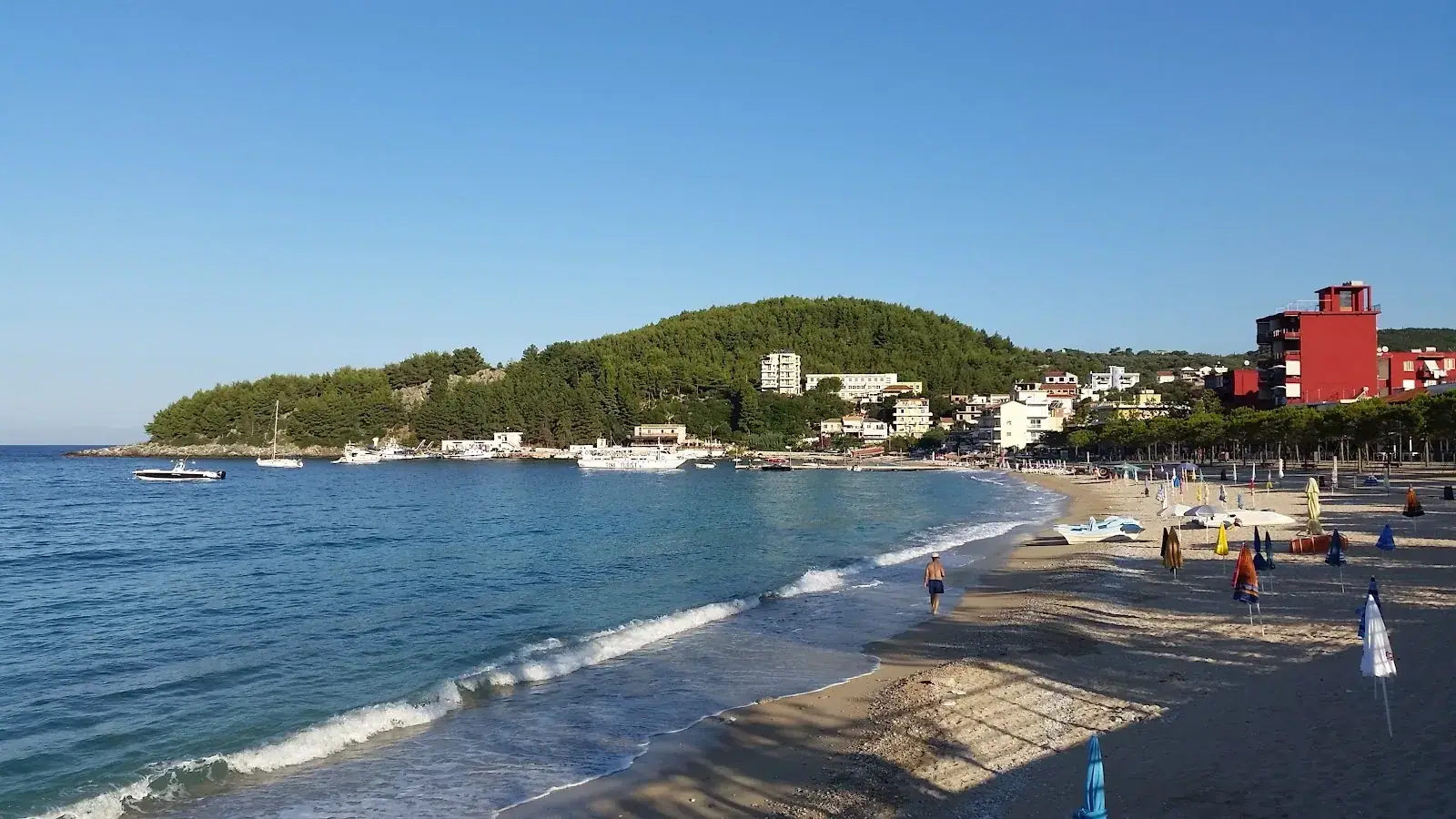
Empty beaches. Rain clears the beach crowds instantly. If the rain passes by mid-morning, you'll have an hour or two of near-empty shoreline before people return, this is the best time to have a beach to yourself, and one of the few moments in peak season when Himara's beaches feel private.
Practical rain tips
- Pack a light rain jacket. Not a full waterproof shell, just a packable layer you can stuff in a daypack. This solves 90% of Himara rain situations. See the Himara packing list for gear recommendations.
- Waterproof phone case. Cheap, small, saves your phone in sudden downpours and doubles as protection at the beach.
- Don't cancel plans for drizzle. Albanian Riviera drizzle often stops within 30 minutes. Locals don't change plans for light rain, and neither should you.
- Check hourly forecasts, not daily. A day labeled "rain" often means one or two hours of showers. Use an app with hourly breakdowns to plan around the wet windows.
- Shoes matter. Himara's old town stone paths and castle steps get slippery when wet. Wear shoes with grip, not flip-flops.
- Outdoor restaurants stay open. Most promenade restaurants have awnings or covered terraces. Rain doesn't close Himara's dining scene. It just moves it under cover.
For broader seasonal planning around weather, the Himara weather guide covers month-by-month conditions.
Frequently asked questions
Does it rain a lot in Himara?
Not in summer. June through August sees very little rain, typically two to four brief showers per month. Shoulder seasons (April-May, October-November) bring more frequent but usually short-lived rain. Winter (December-February) is the wettest period, but few tourists visit then. For most summer visitors, encountering a full rainy day is unlikely.
What should I do if it rains all day in Himara?
Drive to Gjirokaster. It's the best all-day rainy option from Himara, 1.5-2 hours by car, with indoor museums, a covered castle complex, and stone-roofed bazaar lanes. If you don't have a car, spend the day cafe-hopping, visiting the old town churches, eating long meals, and embracing the slower pace. Full rainy days are rare enough that one is an experience, not a problem.
Are beaches usable after rain?
Yes, and often better than usual. The sea doesn't change with rain, the sand and pebbles dry within an hour of clearing, and the crowds disappear. The window right after rain clears is one of the best times to visit any Himara beach.
Do restaurants close when it rains?
No. Himara's restaurants operate through rain. Most have covered terraces or awnings, and indoor seating is available at many spots. The promenade dining scene continues regardless of weather. If anything, rainy evenings mean easier reservations at popular places.
Is it worth visiting Himara in the shoulder season despite rain risk?
Absolutely. April-May and September-October are some of the best months to visit Himara, with lower crowds, comfortable temperatures, and better prices. Shoulder-season rain is typically a few hours of showers, not all-day washouts. Pack a rain jacket, keep your plans flexible, and you'll barely notice. The Himara weather guide covers seasonal conditions in detail.