Shopping for Himara souvenirs is one of the most rewarding parts of visiting the Albanian Riviera. Himara doesn't have a grand bazaar or tourist megastore, and that's exactly what makes buying here worthwhile. What you'll find instead are locally produced olive oil, homemade raki, wildflower honey, mountain tea, and handmade crafts sold by the people who actually make them. The best souvenirs from Himara aren't mass-produced trinkets. They're the same products locals use at their own kitchen tables.
Quick Himara Souvenirs Guide
| Souvenir | Typical Price (ALL) | Price (EUR) | Best Place to Buy |
|---|---|---|---|
| Extra virgin olive oil (500 ml) | 800–1,500 ALL | 8–15€ | Local shops, producers |
| Raki (700 ml bottle) | 500–1,200 ALL | 5–12€ | Mini-markets, producers |
| Mountain tea (çaj mali, 50 g bag) | 200–400 ALL | 2–4€ | Herb stalls, mini-markets |
| Local honey (500 g jar) | 600–1,200 ALL | 6–12€ | Roadside sellers, local shops |
| Handmade ceramics | 500–2,000 ALL | 5–20€ | Old Town shops |
| Woven textile / small kilim | 1,500–3,000 ALL | 15–30€ | Old Town craft stalls |
| Olive wood utensils | 300–1,000 ALL | 3–10€ | Souvenir shops on promenade |
| Miniature bunker ashtray | 300–800 ALL | 3–8€ | Souvenir shops |
Currency note: the Albanian lek (ALL) trades at roughly 1€ = 100 ALL. Most shops accept euros, but you'll get better prices paying in lek. For details on ATMs and currency exchange, see our money and ATM guide.
Olive Oil: The Best Souvenir You Can Buy
If you buy one thing in Himara, make it olive oil. The southern Albanian coast, particularly the stretch between Himara and Borsh, has been growing olives for centuries, and the oil here is genuinely excellent. You're not buying a tourist gimmick. You're buying what local families press from their own groves every autumn.
A 500 ml bottle of extra virgin olive oil costs 800–1,500 ALL (8–15€), depending on whether you're buying from a producer, a local shop, or a fancier bottled brand. The best value is buying directly from a family producer. Ask your hotel or guesthouse host, and they'll almost certainly know someone.
What to look for:
- Single-origin oil from a named village or family
- Recent harvest date (ideally the current season)
- Peppery, slightly bitter finish when tasted, that's a sign of freshness
- Avoid unlabeled bottles with no origin information
For more on finding good oil, harvest timing, and tasting tips, read our Albanian Riviera olive oil guide.
Transport tip: Pack olive oil in checked luggage, wrapped in a plastic bag and cushioned with clothing. A 500 ml bottle is the most practical size for flying.
Raki: Albania's National Spirit
Raki is to Albania what wine is to France, a daily ritual, a welcome drink, a digestif, and a point of national pride. Albanian raki is a clear grape brandy, typically 45–55% alcohol, and almost every family in the Himara area makes their own. Homemade raki is stronger and rougher than commercial versions, but it's the authentic product.
You have two options for buying raki as a souvenir:
Homemade raki. Sold in unmarked bottles (often repurposed water bottles) at roadside stalls, mini-markets, or directly from locals. Prices range from 300–700 ALL (3–7€) per liter. The quality varies, but a local recommendation goes a long way. This is the real deal and the version locals drink.
Commercial raki. Branded bottles with proper labeling, available at any supermarket or liquor shop. A 700 ml bottle costs 500–1,200 ALL (5–12€) depending on the brand. Skenderbeu is the most recognizable Albanian raki brand and makes a decent gift.
Beyond grape raki (raki rrushi). Look for fruit variants: plum (kumbulla), mulberry (mani), or fig raki appear seasonally. They're harder to find but make distinctive gifts.
Pairing note: Raki pairs perfectly with the local Albanian food you'll eat in Himara, order it alongside grilled octopus or after a seafood dinner.
Mountain Tea (Caj Mali)
Mountain tea might be the most underrated souvenir from Albania. Çaj mali is made from sideritis (ironwort), a wild herb that grows in the Albanian mountains. It's caffeine-free, mildly floral, slightly sweet, and has been used as a folk remedy for centuries. Locals drink it daily, especially in the evenings and through winter.
A 50-gram bag costs 200–400 ALL (2–4€) from mini-markets or herb sellers, and it's one of the lightest, easiest souvenirs to pack. Look for whole dried stems rather than pre-ground tea, the stems keep their flavor longer and look better as a gift.
You can find çaj mali at almost any mini-market in Himara, but the best quality comes from herb stalls at roadside stops along the road toward Gjirokaster or the Llogara Pass area.
Local Honey
Albanian honey is exceptional, and the varieties along the Riviera coast reflect the region's wild flora, thyme, sage, wildflower, and chestnut honey are all common. Beekeeping is a widespread cottage industry here, and you'll see honey sellers at roadside stalls between Himara and Saranda.
A 500-gram jar costs 600–1,200 ALL (6–12€). Thyme and sage honey are the most prized varieties and sit at the higher end of that range. Wildflower honey is cheaper and still excellent.
Buying tip: Roadside sellers with a few jars and a handwritten sign are usually the real thing, small-scale beekeepers selling their own product. If someone has 50 identical jars with printed labels, they're likely reselling.
Handmade Crafts and Ceramics
Himara's craft scene is small but genuine. The Old Town has a handful of shops and stalls selling handmade items, ceramics, woven textiles, olive wood kitchenware, and jewelry.
What's worth buying
| Item | Price Range | Notes |
|---|---|---|
| Ceramic plates / bowls | 500–2,000 ALL (5–20€) | Hand-painted with traditional motifs |
| Small woven kilim / rug | 1,500–3,000 ALL (15–30€) | Traditional patterns, various sizes |
| Olive wood utensils | 300–1,000 ALL (3–10€) | Spoons, spatulas, cutting boards |
| Handmade jewelry | 500–2,500 ALL (5–25€) | Silver filigree is a traditional Albanian craft |
| Leather sandals / belts | 1,000–3,000 ALL (10–30€) | Handmade leather goods |
Silver filigree jewelry is a centuries-old Albanian tradition. The best pieces come from Shkodra in the north, but you'll find filigree earrings, pendants, and bracelets in Himara's souvenir shops. Prices range from 500–2,500 ALL (5–25€) depending on size and complexity.
Ceramics with Albanian motifs, double-headed eagle designs, coastal patterns, or traditional geometric shapes, make practical souvenirs that are also useful. A hand-painted plate costs 500–1,500 ALL (5–15€) and is easy to pack flat in a suitcase.
Novelty and Culture Souvenirs
Albania has some unique souvenir options you won't find anywhere else:
Miniature bunker ashtrays. Albania is dotted with over 170,000 concrete bunkers from the communist era. Miniature bunker replicas used as ashtrays or paperweights are a distinctly Albanian souvenir. They cost 300–800 ALL (3–8€) and are available at most souvenir shops along the promenade.
Skanderbeg items. Gjergj Kastrioti Skanderbeg is Albania's national hero, and his helmeted image appears on everything from bottle openers to fridge magnets. These run 200–600 ALL (2–6€) and are the Albanian equivalent of a Statue of Liberty keychain, kitschy but instantly recognizable.
Albanian flag merchandise. The red and black double-headed eagle is striking on t-shirts, caps, and patches. Budget 500–1,500 ALL (5–15€) depending on the item.
Where to Shop in Himara
Himara isn't a shopping destination, it's a beach town. But that limitation works in your favor: the options are focused, and you're unlikely to get ripped off. Here's where to look.
The Promenade (Spile Beach Area)
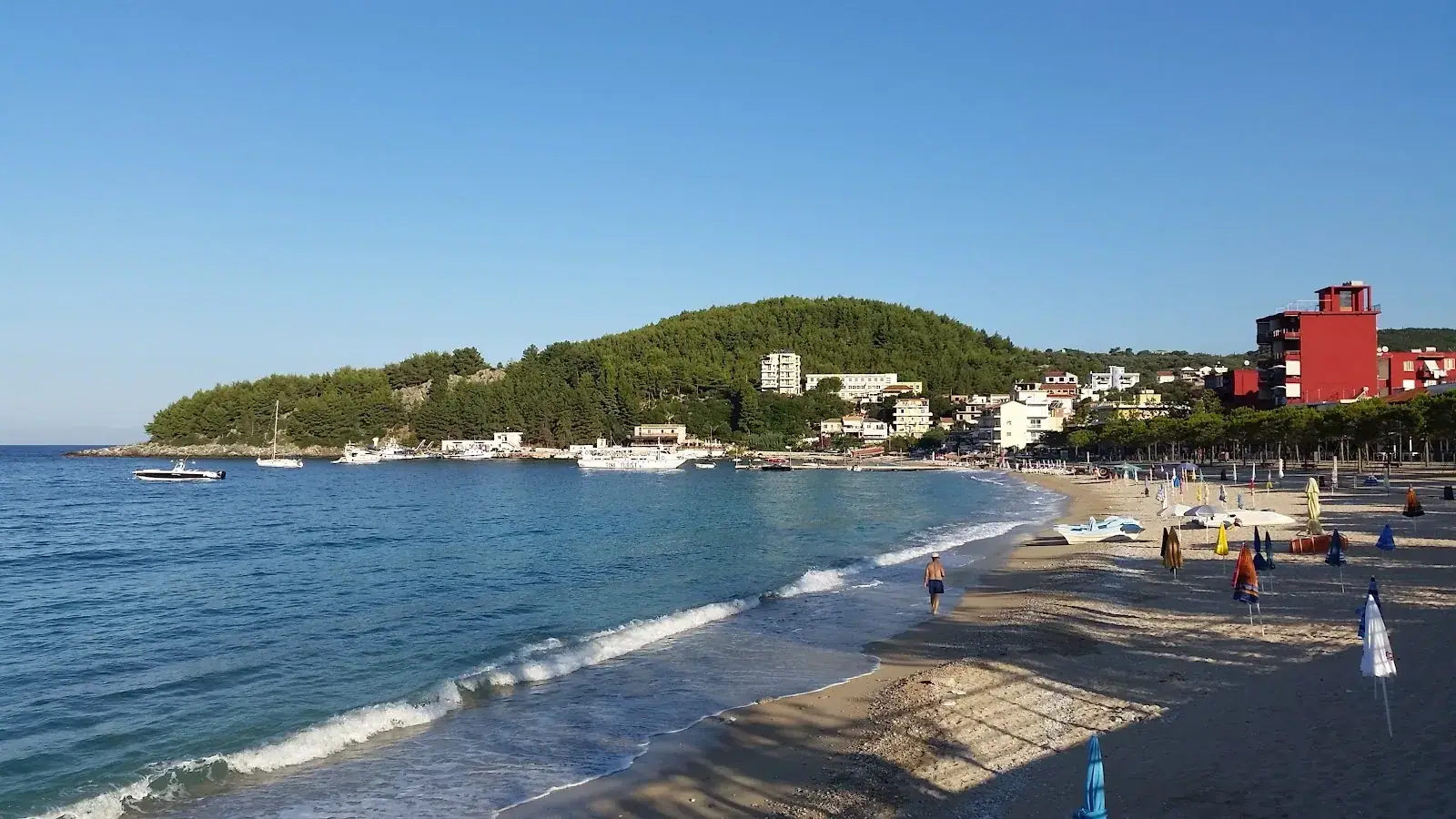
The waterfront promenade has several small souvenir shops mixed in with mini-markets and beach supply stores. This is where you'll find the widest selection of novelty souvenirs (magnets, t-shirts, bunker ashtrays), plus olive oil, raki, and packaged mountain tea. Prices are fair, this is Albania, not Santorini.
Himara Old Town (Kastro)
The narrow stone lanes of the Old Town have a few craft-oriented shops and seasonal stalls, especially during summer. This is the best spot for handmade ceramics, woven textiles, and artisan jewelry. The setting alone, centuries-old stone buildings with Ionian Sea views, makes browsing here worthwhile even if you don't buy anything.
Mini-Markets and Supermarkets
Don't overlook the ordinary mini-markets scattered around town. They stock olive oil, raki, honey, mountain tea, and Albanian wine at local prices, often cheaper than dedicated souvenir shops. The small supermarkets near the main road through town are the most practical option for stocking up on consumable gifts.
Roadside Sellers
Between Himara and Borsh, and along the road toward the Llogara Pass, you'll encounter roadside sellers with honey, olive oil, dried herbs, and seasonal fruit. These are typically small-scale producers selling their own goods. Prices are negotiable and usually cheaper than in-town shops. Pull over, taste, and buy directly, it doesn't get more authentic than this.
Souvenir Price Comparison: Himara vs Other Albanian Riviera Towns
| Souvenir | Himara | Saranda | Dhermi |
|---|---|---|---|
| Olive oil (500 ml) | 800–1,500 ALL | 900–1,800 ALL | 1,000–2,000 ALL |
| Raki (700 ml) | 500–1,200 ALL | 500–1,200 ALL | 600–1,500 ALL |
| Mountain tea (50 g) | 200–400 ALL | 200–500 ALL | 300–500 ALL |
| Honey (500 g) | 600–1,200 ALL | 700–1,500 ALL | 700–1,500 ALL |
| Ceramic plate | 500–1,500 ALL | 500–1,500 ALL | Limited selection |
| Fridge magnet | 100–300 ALL | 100–300 ALL | 150–300 ALL |
Himara prices are generally on par with or slightly below Saranda, and noticeably below Dhermi, which caters to a higher-spending crowd. Saranda has a larger selection of shops but also more tourist markup. Your best value across the board is buying directly from producers and roadside sellers.
What NOT to Buy
A few things to avoid:
- Unlabeled olive oil in large quantities. Without origin or harvest information, you're gambling on quality. Taste first, buy small.
- "Albanian" products made in China. Check labels on ceramics and textiles. If it says "Made in China" on the bottom, put it back.
- Overpriced "artisan" goods at resort areas. Beach clubs and resort lobbies charge premium prices for the same products available in town for less.
- Anything you can't transport. Large glass bottles and fragile ceramics are risky in checked luggage without proper packing. Stick to sizes you can wrap safely.
Practical Tips for Souvenir Shopping in Himara
Pay in lek. You'll get better prices and avoid unfavorable exchange rates. ATMs are available in town, see our money guide for locations.
Bring a sturdy bag. Himara shops rarely provide quality bags. A canvas tote or reusable shopping bag saves hassle.
Buy consumables early in your trip. Olive oil and raki taste better when you've been using them at your rental apartment for a few days and know what you like. Buy your take-home bottle toward the end.
Negotiate at roadside stalls. Polite bargaining is normal at informal sellers. In established shops, prices are generally fixed.
Check airline liquid rules. Olive oil, honey, and raki are liquids for airport security. Pack them in checked luggage. A 500 ml bottle is under the limit for most airlines' checked bag allowances.
For more tips on spending wisely in Himara, read our budget travel guide.
Frequently Asked Questions
What is the best souvenir to buy in Himara?
Extra virgin olive oil from a local producer is the standout. It's high quality, affordable at 800–1,500 ALL (8–15€) for 500 ml, authentically local, and something you'll actually use. A bottle of homemade raki is a close second if the recipient drinks spirits.
Can I bring olive oil and raki on a plane?
Yes, but only in checked luggage. Both count as liquids for security purposes. Wrap bottles in plastic bags and cushion them with clothing. A 500 ml olive oil bottle and a 700 ml raki bottle fit easily in a standard checked bag.
Are there any markets or bazaars in Himara?
Himara doesn't have a permanent bazaar like Kruja or Gjirokaster. Shopping is spread across promenade souvenir shops, Old Town craft stalls, mini-markets, and roadside sellers. For the largest market experience near Himara, visit Saranda's market area, about 75 minutes south by bus.
How much should I budget for Himara souvenirs?
A reasonable souvenir haul, one bottle of olive oil, one bottle of raki, a bag of mountain tea, a jar of honey, and a ceramic piece, costs roughly 3,000–5,000 ALL (30–50€). That covers meaningful gifts for several people without buying anything disposable or generic.
Is bargaining expected in Himara shops?
In established shops along the promenade and Old Town. Prices are generally fixed. At roadside stalls, informal sellers, and when buying multiple items, polite negotiation is normal and expected. A simple "Sa kushton?" (How much?) followed by a friendly counter-offer works fine.