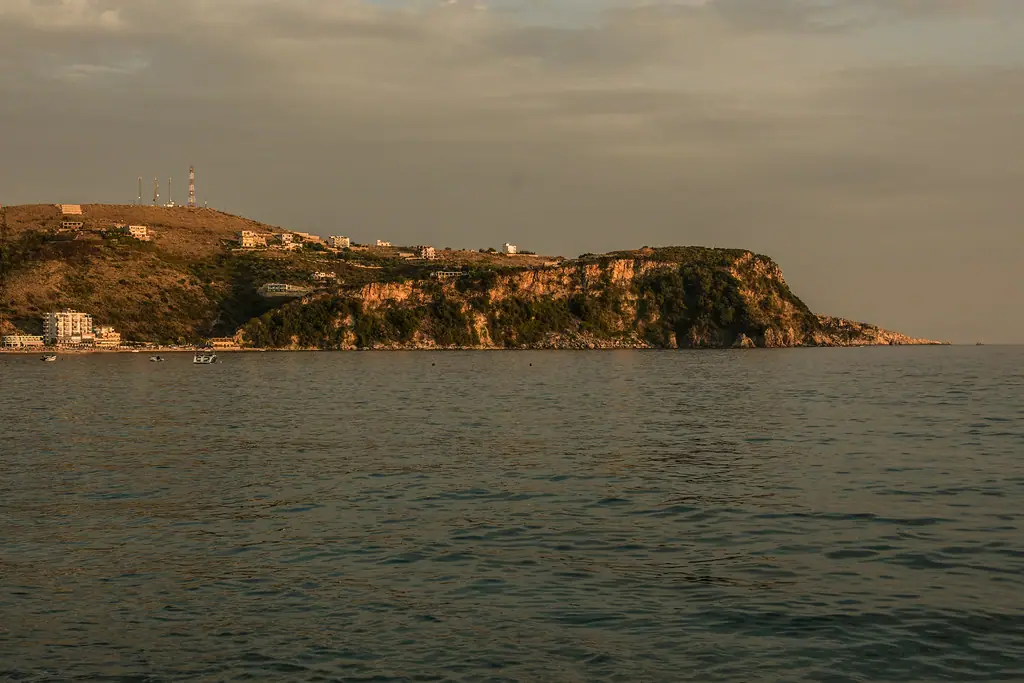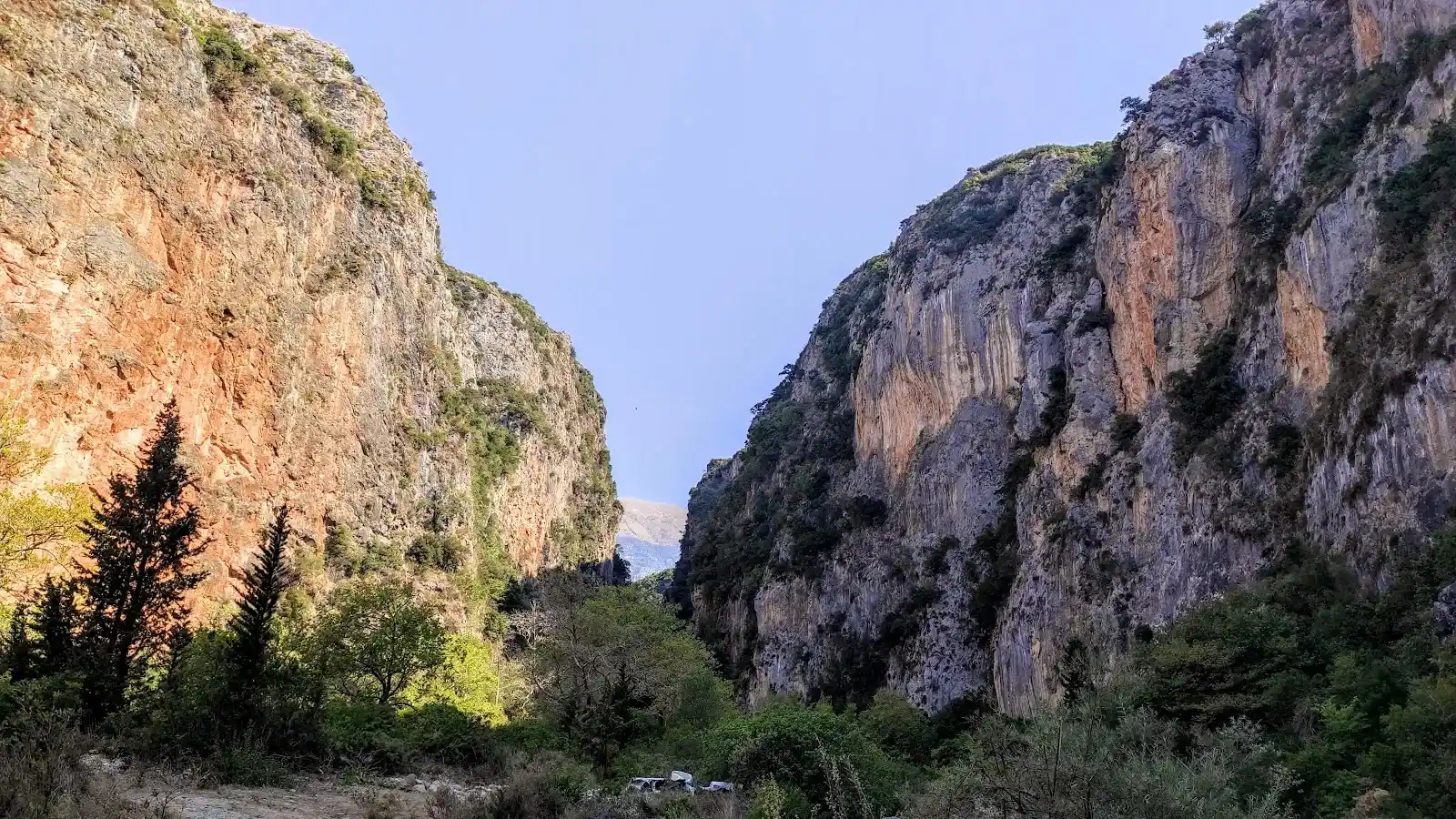
Orthodox Easter in Himara is one of the few times this stretch of the Albanian Riviera feels more like a Greek village than a beach resort. Himara has a significant Greek Orthodox community, and Easter, not Christmas, is the biggest religious event of the year. In 2026, Orthodox Easter Sunday falls on April 12. If you time your visit right, you'll witness midnight candlelight processions, hear "Christos Anesti" echo through the old town's stone streets, and eat more lamb than you thought possible. The catch: April is shoulder season, so many tourist businesses are still closed. That combination of living tradition and quiet coast makes Easter one of the most distinctive times to visit.
Compare hotels, apartments, and Vrbo rentals on the map. Powered by Stay22.
Quick facts
| Detail | Info |
|---|---|
| Orthodox Easter 2026 | Sunday, April 12 |
| Holy Week starts | Palm Sunday, April 5 |
| Main services | Himara Castle church zone, town churches |
| Public holidays | Good Friday and Easter Monday (Albania-wide) |
| Weather in April | 16-20°C, mix of sun and rain |
| Tourist season status | Pre-season, limited restaurants and hotels open |
How Orthodox Easter works in Himara
Orthodox Easter follows the Julian calendar, which is why it rarely falls on the same date as Western Easter. In Albania, both Catholic and Orthodox Easter are recognized public holidays. Himara's population is predominantly Greek Orthodox, and the celebrations here are heartfelt rather than performative. This is a community event that tourists are welcome to observe, not a show put on for visitors.
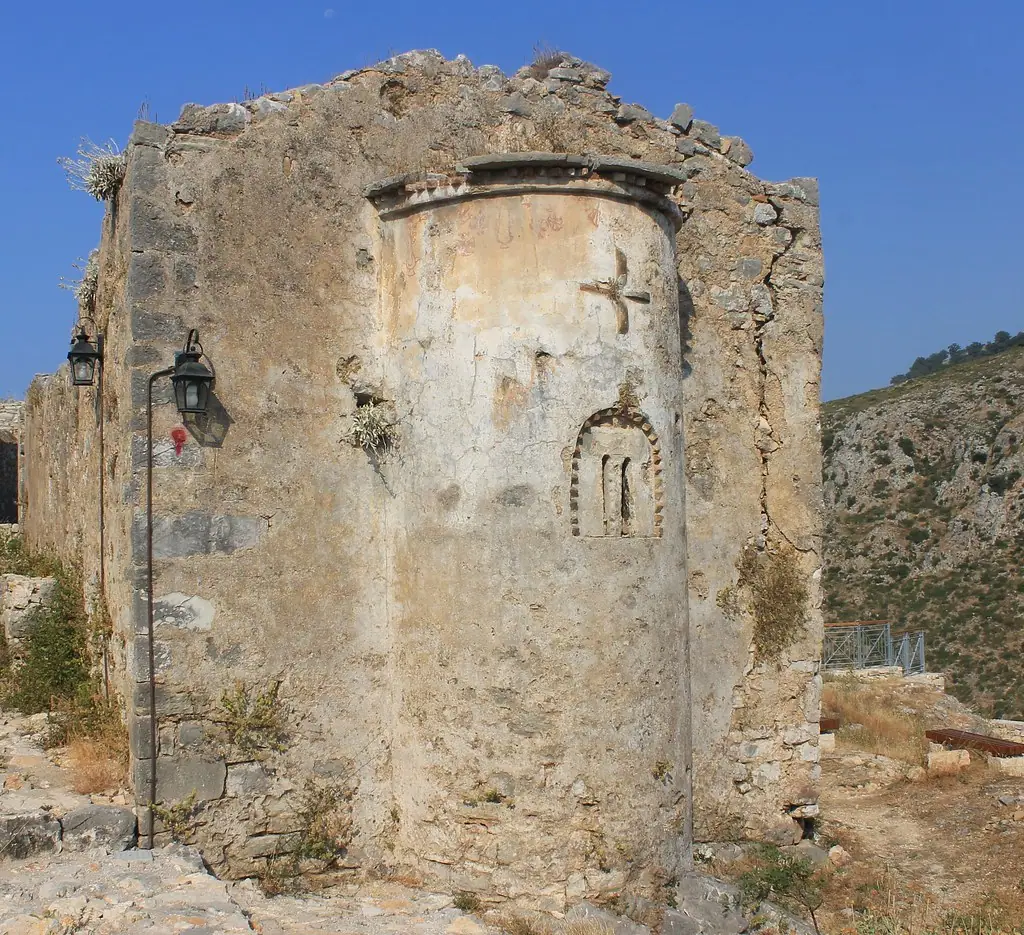
Holy Week, the week leading up to Easter Sunday, involves daily church services that build in intensity. Most of the action centers on the churches inside and around Himara Castle, particularly the Panagia Kassopitra church and the 11th-century Church of Saints Sergius and Bacchus. Services also take place at smaller churches throughout the old town.
Holy Week day by day
Palm Sunday (April 5)
Morning liturgy at the main churches. Families carry palm or olive branches. The mood is festive but restrained, with the solemn days still coming. This is also when many Himara families who live in Tirana or Thessaloniki start arriving for the holiday, and the town begins to feel noticeably busier.
Holy Monday through Wednesday
Evening services each night, typically starting around 7 PM. Attendance is lower on these days, mostly older residents and devout families. The churches are decorated with black and purple ribbons. If you want to see the services without crowds, these are the nights to go.
Holy Thursday (April 9)
The evening service commemorates the Last Supper. In Himara, families begin preparing red-dyed Easter eggs. The deep red stands for the blood of Christ. You may see pots of dyed eggs on balconies and kitchen windowsills around town.
Good Friday (April 10)
The most solemn day of the year. The Epitaphios, a decorated bier representing Christ's funeral, is carried in a procession through the streets in the evening. In Himara, the procession typically winds from the castle area down through the old town, with participants carrying candles. The atmosphere is genuinely moving: quiet streets, flickering light, chanting, and the sound of footsteps on stone.
Good Friday is a public holiday in Albania. Most businesses close. Expect limited restaurant options, so plan your meals ahead.
Holy Saturday (April 11)
The day builds toward the midnight Resurrection service, the highlight of the entire Easter period. People gather at church before midnight. At exactly midnight, the priest announces "Christos Anesti!" (Christ is Risen!), the church goes from darkness to blazing candlelight, bells ring, and in Himara you'll also hear firecrackers, sometimes a lot of them. The congregation spills out into the streets, people kiss each other on both cheeks, and the fast is broken.
After the midnight service, families go home for the traditional midnight meal: mayiritsa (lamb offal soup), red eggs, and tsoureki (sweet bread). Some restaurants near the promenade open late for visitors who want to join the celebration.
Easter Sunday (April 12)
Late morning liturgy, then the main event: lamb on the spit. Across Himara, families set up outdoor grills in courtyards, on balconies, along the roadside. The smell of roasting lamb is everywhere by noon. The Easter meal is a long, wine-fueled affair that stretches into the afternoon. If you're invited to join a local family (it happens), accept.
The egg-cracking game is ubiquitous: two people each hold a red egg and tap them together. Whoever's egg survives uncracked wins. Simple, satisfying, and taken more seriously than you'd expect.
Where services take place
Himara Castle church zone
The cluster of Orthodox churches within Himara Castle is the spiritual center of Easter celebrations. The Panagia Kassopitra, a Byzantine-era church believed to house a miraculous icon of the Virgin Mary, hosts the main services. The 11th-century Church of Saints Sergius and Bacchus and the 13th-century Church of Saint Michael add historical weight to the setting.
The walk up to the castle from town takes 10-15 minutes on foot. For the midnight service, bring a flashlight. The path is uneven and not well-lit after dark.
All Saints Church (Agioi Pantes)
Built around 1775 at the entrance to Himara Castle, this church is sometimes used for overflow services during peak attendance. Its location at the castle gate makes it a natural gathering point.
Town churches
Smaller neighborhood churches hold their own services on a quieter scale. If the castle services feel crowded (they can, especially at midnight), these offer a more intimate experience. Ask your accommodation host which local church they attend.
Practical tips for Easter visitors
Book accommodation early. Easter is one of the few times Himara fills up in spring. The Greek community from Himara returns home for the holiday, and domestic tourists from Tirana add to the demand. Properties near the old town are the most convenient for attending services.
Many businesses close for Good Friday and Easter Sunday. Stock up on groceries by Thursday if you're self-catering. The minimarkets on the main road may open with limited hours, but don't count on restaurants being available on Friday.
Dress respectfully for church. Covered shoulders and knees for both men and women. Women traditionally cover their hair inside the church, though this is not strictly enforced for visitors. Remove hats. Keep phones silent.
Photography is usually fine outside, restricted inside. During services, do not photograph with flash. Some churches allow quiet photography; others don't. Follow what locals do, or ask the person at the entrance.
April weather is unpredictable. Expect daytime temperatures around 16-20°C with a real chance of rain. Evenings drop to 10-13°C. The midnight service is outdoors in parts, so bring a warm layer. For detailed seasonal weather, see the Himara weather guide.
Transport is limited. Pre-season means fewer buses and furgons. If arriving from Tirana, check the transport guide for current schedules. A pre-booked taxi is the most reliable option.
The sea is swimmable but cool. Water temperatures in April sit around 16-18°C. Not warm by summer standards, but locals swim year-round. The beaches will be empty and beautiful. See the best time to visit guide for seasonal context.
Combining Easter with sightseeing
Easter week in Himara pairs naturally with cultural and historical exploration. The tourist crowds haven't arrived, the wildflowers are out, and the light is softer than in summer.
Day 1-2 (before Easter): Explore the old town and castle, visit the Orthodox churches. Walk to Livadhi Beach for a quiet afternoon.
Day 3-4 (Holy Thursday through Saturday): Attend evening services. Watch the Good Friday procession, explore the coast. Drive to Porto Palermo Castle or hike to Filikuri Beach during the day.
Day 5 (Easter Sunday): Morning service, lamb lunch, long afternoon by the sea. This is not a day for ambitious itineraries. It's a day for eating, drinking, and sitting in the sun.
Frequently asked questions
When is Orthodox Easter 2026 in Albania?
Orthodox Easter Sunday falls on April 12, 2026. Holy Week runs from Palm Sunday (April 5) through Easter Sunday. Both Good Friday and Easter Monday are public holidays in Albania.
Can non-Orthodox visitors attend Easter services in Himara?
Yes. Visitors are welcome at all services. Stand respectfully, don't take flash photos during the service, dress modestly (covered shoulders and knees), and follow the lead of local congregants. The midnight Resurrection service on Holy Saturday is the most popular and the most open to visitors.
Is Himara busy during Orthodox Easter?
Busier than a normal April week, but nothing like summer. The Greek community returns home and domestic tourists visit, so accommodation books up. Beaches, restaurants, and roads remain uncrowded compared to July-August.
What's the weather like in Himara at Easter?
Mid-April temperatures range from 16-20°C during the day, dropping to 10-13°C at night. Rain is possible, so pack a waterproof layer. The sea is around 16-18°C, swimmable for the hardy.
What should I eat during Orthodox Easter in Himara?
The traditional Easter meal is lamb roasted on a spit, served with rice, salad, and local wine. Red-dyed eggs are cracked at every table. Mayiritsa (lamb offal soup) is the traditional midnight meal after the Saturday Resurrection service. Tsoureki (sweet braided bread) rounds out the spread.