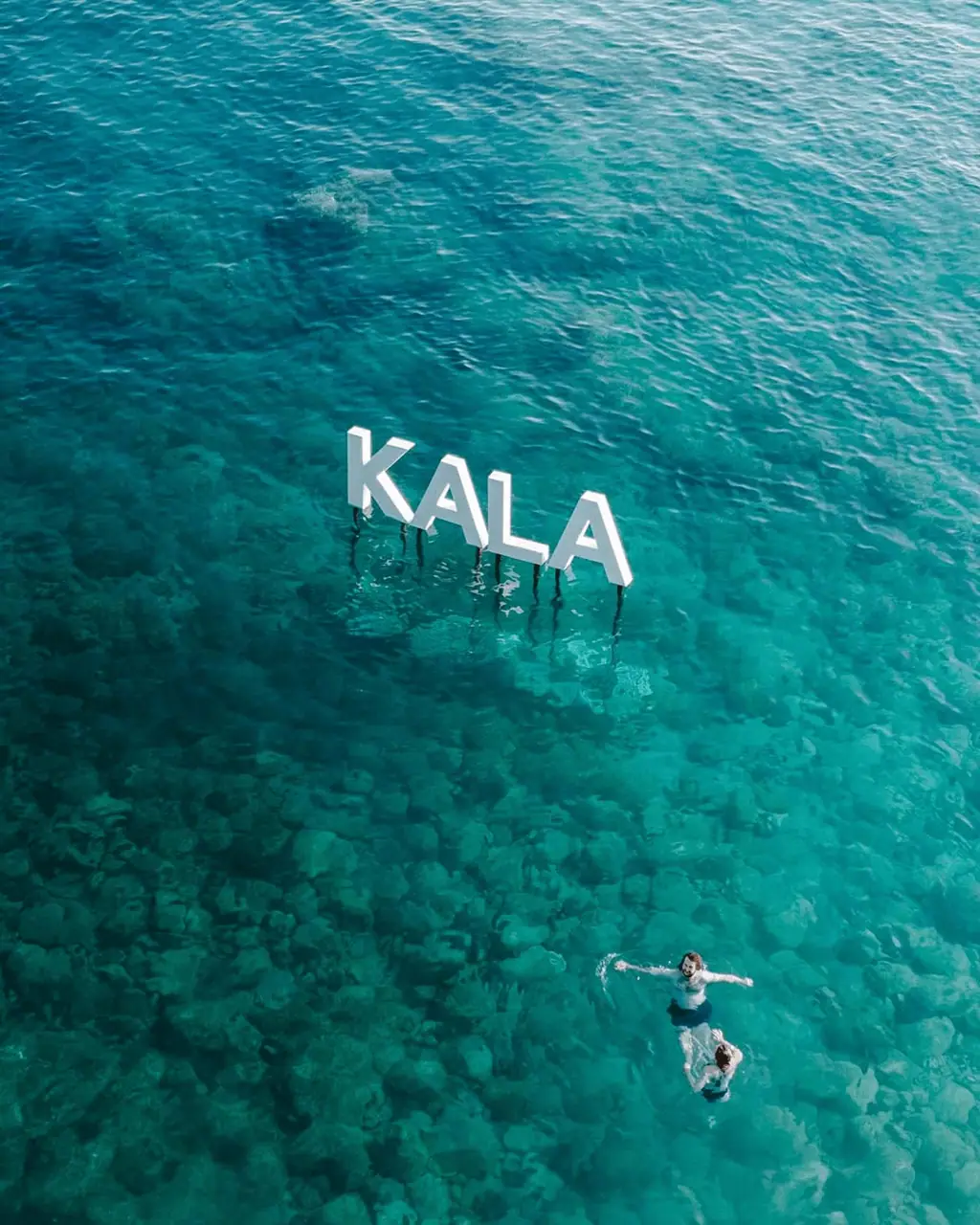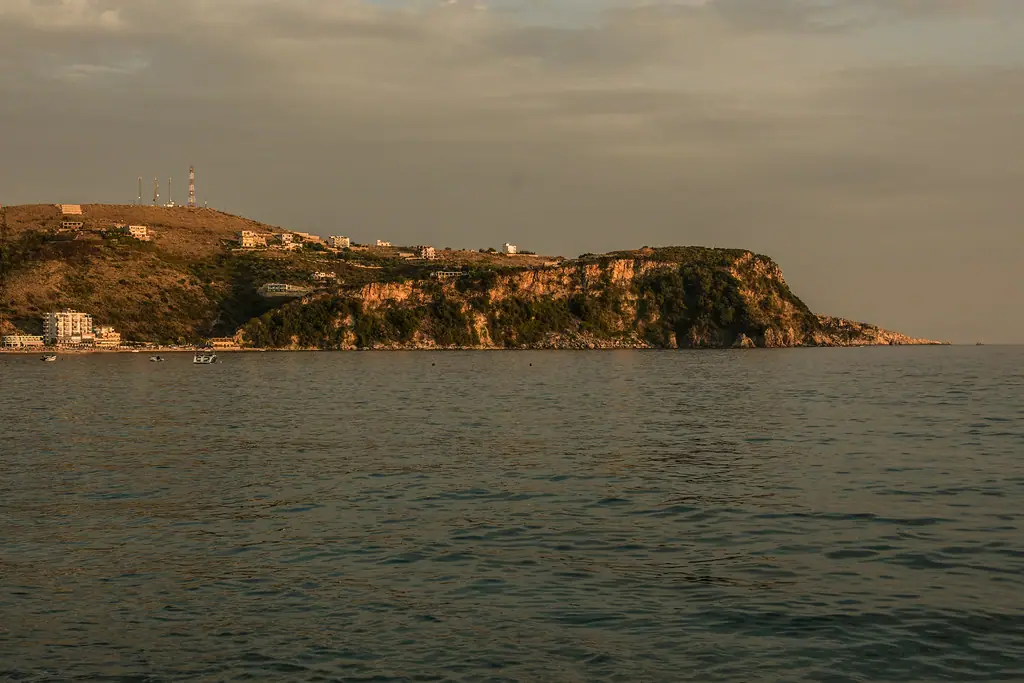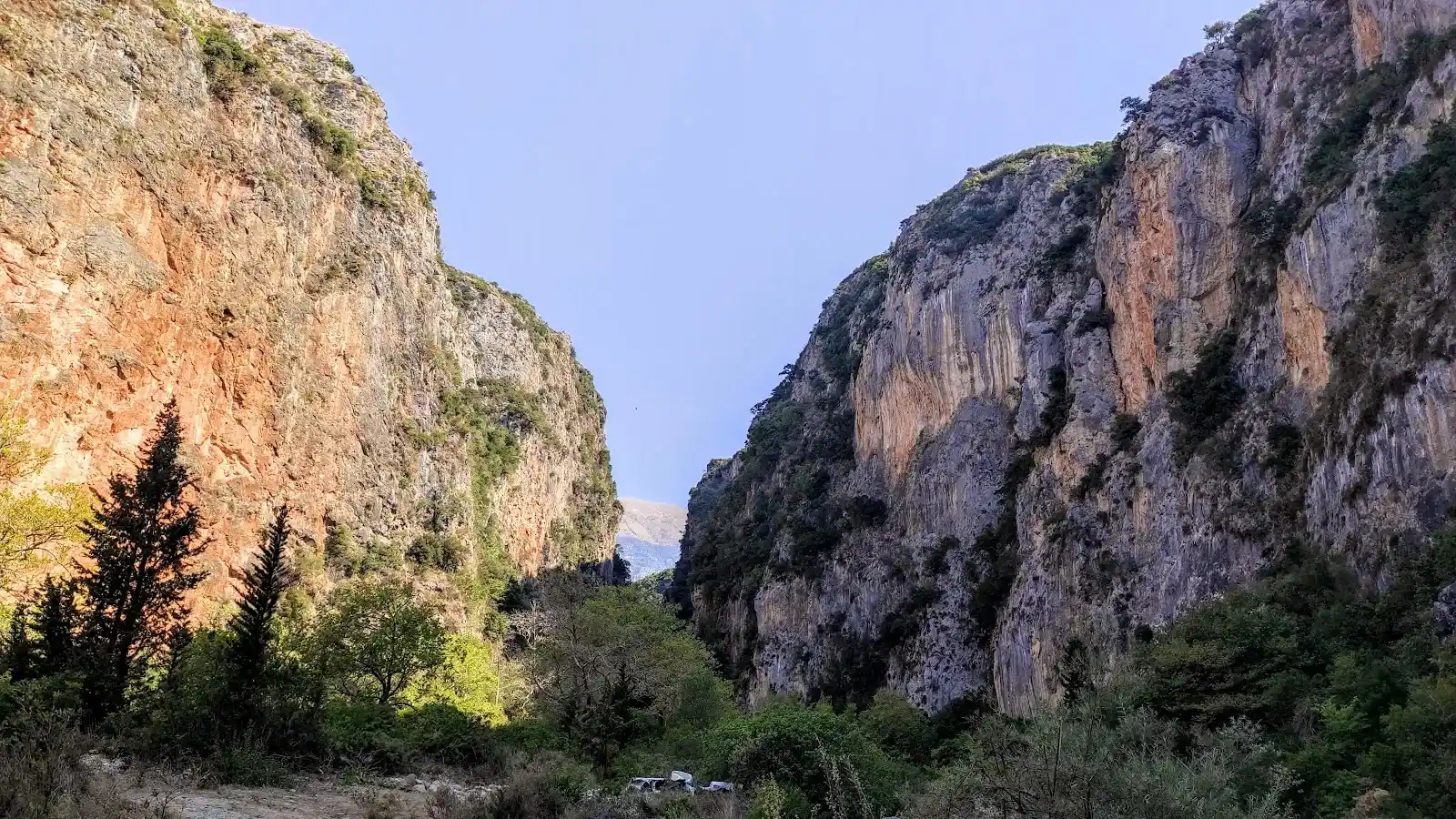
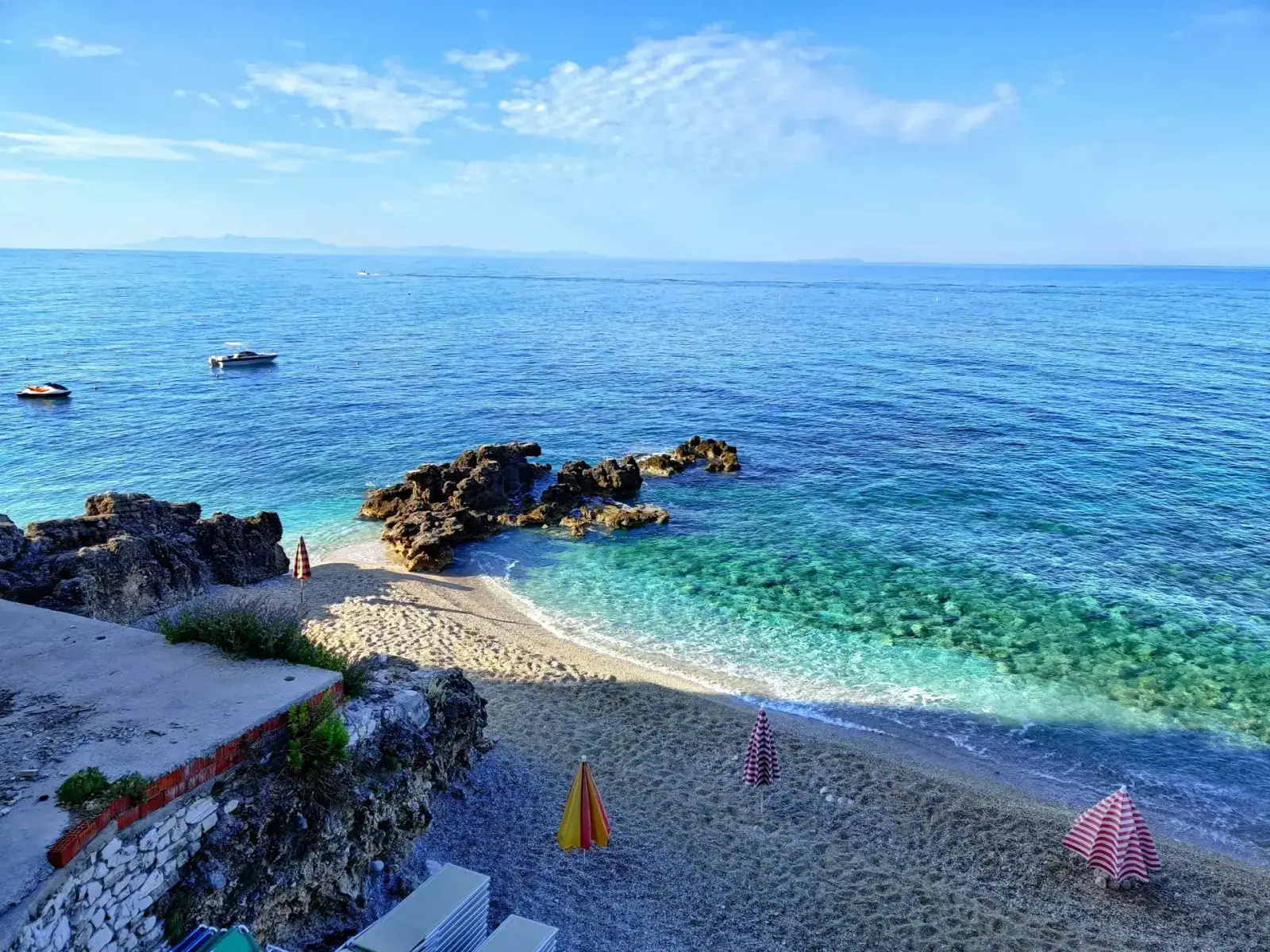
Mjalt'Fest is a small honey festival held in Dhermi on the Albanian Riviera, where local beekeepers from the Himara region set up stalls along the coastal promenade and sell honey varietals, beeswax products, and other local goods. It's not a multi-day music festival. It's a one- or two-day village market with a specific focus. If you happen to be in Dhermi in early July, it's worth a stop. If you're planning a trip specifically around Mjalt'Fest, pair it with a few beach days because the festival itself fills a morning and afternoon, not a whole vacation.
Compare hotels, apartments, and Vrbo rentals on the map. Powered by Stay22.
Quick facts
| Detail | Info |
|---|---|
| Typical timing | Early July (exact dates announced annually) |
| Location | Dhermi coastal promenade |
| Duration | 1-2 days |
| Cost | Free entry; products for purchase |
| What's sold | Honey, beeswax, olive oil, raki, local sweets |
| Crowd size | Small, a few hundred visitors across the day |
What is Mjalt'Fest
"Mjalt" means honey in Albanian. The festival sells bio honey produced in the mountains behind the Himara coast, an area where beekeeping has been practiced for centuries. The Ceraunian mountain range behind Dhermi provides wild thyme, sage, and other Mediterranean herbs that give the local honey its distinctive character. Producers from across the Himara municipality bring their products to the Dhermi promenade for tasting and direct sale.
The festival was established as part of Albania's push to promote local food products in coastal tourism zones. The Ministry of Tourism has backed similar small festivals across the Riviera, each focused on a specific regional product: honey in Dhermi, wine in other villages, olive oil elsewhere. Mjalt'Fest is the honey edition.
What to expect
The market
The main attraction is the producer stalls lined up along the Dhermi promenade. Expect 10-20 beekeepers offering different honey types:
- Thyme honey: the most prized local variety, with a strong herbal flavor and darker color
- Wildflower honey: lighter, milder, from mixed mountain flora
- Sage honey: distinctive, slightly bitter, uncommon outside the region
- Chestnut honey: dark and robust, from the inland mountain forests
Most producers sell by the jar (500g or 1kg). Prices typically range from 500-1,500 ALL (5-15 EUR) per jar depending on type and rarity. Thyme honey commands the highest prices. You can taste before buying. Producers expect it and use it as their main sales tool.
Beyond honey, stalls often carry beeswax candles, propolis tinctures, royal jelly, honey-based cosmetics, and homemade raki infused with honey. Some stalls branch into broader local products: olive oil, dried herbs, traditional Albanian sweets, and spoon sweets (fruit preserves served on a spoon with coffee).
Activities
The festival sometimes includes honey varietal certification, a formal evaluation of local honey types for quality and origin. This is more interesting than it sounds: you can watch experts grade honey by color, clarity, aroma, and taste, and learn what distinguishes a mountain thyme honey from a coastal wildflower.
Depending on the edition, there may also be:
- Beekeeping demonstrations
- Talks about sustainable apiculture in the region
- Traditional music or folk performances
- Cooking demonstrations using honey as an ingredient
The festival is informal. There's no fixed schedule posted weeks in advance. Things happen when they happen, and the emphasis is on browsing, tasting, and chatting with producers rather than following a program.
Atmosphere
Mjalt'Fest is a village event, not a tourist production. The crowd is a mix of Albanian families, Dhermi summer residents, and tourists who happened to be in town. There's no entrance fee, no wristbands, no stages with sound systems. It's relaxed, slow, and genuine. If you've been to a farmers' market in a European village, you know the vibe, just with better weather and a beach 50 meters away.
When exactly does it happen
Mjalt'Fest has typically been held in early July, often coinciding with a weekend. There is no fixed annual date. The timing shifts based on local government scheduling and coordination with producers. The festival has not been held every year consistently.
How to confirm dates: There is no dedicated Mjalt'Fest website. Your best sources are:
- Ask accommodation hosts in Dhermi or Himara as summer approaches
- Check local Albanian tourism social media accounts (Instagram, Facebook)
- The Himara municipality occasionally posts event schedules
Don't book travel specifically around Mjalt'Fest without confirming the date first. Treat it as a bonus if it coincides with your trip, not as the trip's anchor.
Getting to Dhermi
Dhermi is 27 km north of Himara on the SH8 coastal road.
| From | Distance | Time | Options |
|---|---|---|---|
| Himara | 27 km | 30 min | Taxi 1,500-2,000 ALL (15-20€), bus/furgon |
| Saranda | 70 km | 1h 30m | Taxi or bus via Himara |
| Vlora | 48 km | 1h 30m | Via Llogara Pass |
| Tirana | 210 km | 4-4.5h | Bus or airport transfer |
If you're day-tripping from Himara for the festival, a morning taxi to Dhermi, a few hours at the market, lunch at a Dhermi restaurant, an afternoon at Dhermi Beach or Drymades Beach, and a taxi back makes a complete day.
What to buy
If you buy one thing, make it thyme honey. The Himara region's thyme honey is genuinely distinctive. It's not sold in supermarkets, and the flavor profile differs from Greek or Turkish thyme honey because of the specific wild herbs on the Ceraunian slopes. A 500g jar for 800-1,200 ALL (8-12 EUR) is good value for artisan honey.
Other worthwhile purchases:
- Sage honey: harder to find, worth trying if a producer has it
- Honey raki: raki infused with local honey, sold in bottles. A strong drink for cold evenings
- Beeswax candles: small, handmade, and lightweight for packing
- Propolis tincture: locals swear by it for sore throats and immunity
Packing tip: Honey jars are heavy and fragile. If you're flying home, wrap jars in clothing and put them in checked luggage. Glass jars in carry-on bags may cause issues at security.
Combining Mjalt'Fest with a Dhermi day
Since the festival fills a morning and early afternoon, build a full Dhermi day around it:
Morning (9-12): Browse the festival stalls, taste honey, buy jars. Coffee at a promenade cafe.
Lunch: Eat at one of Dhermi's seafood restaurants. The village has improved its dining options significantly in recent years.
Afternoon: Beach time at Dhermi Beach or walk 15 minutes south to Drymades Beach for a less developed stretch. Both have sunbed rentals (1,500-3,000 ALL / 15-30 EUR per set).
Evening: If you're staying in Dhermi, sunset drinks at one of the beach bars. If heading back to Himara, catch a taxi before dark. The road through the mountains is winding.
For more on Dhermi's beaches and what to do beyond the festival, see the Dhermi Beach guide.
Frequently asked questions
Is Mjalt'Fest worth a special trip?
Honestly, not on its own. It's a small village market, not a destination event. But if you're already on the Albanian Riviera in early July, a half-day trip to Dhermi for the festival plus beach time is a great use of a morning. The honey is genuinely good and makes an excellent souvenir.
How much money should I bring to Mjalt'Fest?
Bring 3,000-5,000 ALL (30-50 EUR) in cash if you want to buy several jars of honey plus other products. All transactions are cash-only at the stalls. The nearest ATMs are in Himara or in Dhermi's main area during summer.
Can I visit Dhermi and Mjalt'Fest without a car?
Yes. A taxi from Himara to Dhermi costs 1,500-2,000 ALL (15-20 EUR) per car and takes 30 minutes. Furgons (shared minibuses) also run the Himara-Vlora route through Dhermi, though schedules are irregular. See the bus guide for current options.
What types of honey are produced near Dhermi?
The Himara region produces thyme honey (most prized), wildflower honey, sage honey, and chestnut honey. Thyme honey is the standout. The wild thyme growing on the Ceraunian mountain slopes gives it a flavor distinct from other Mediterranean thyme honeys.
Are there similar food festivals elsewhere on the Albanian Riviera?
Yes. Albania runs seasonal village festivals focused on local products such as wine, olive oil, citrus and figs across the south. The South Outdoor Festival in Borsh is the biggest event nearby, though it focuses on adventure sports rather than food.