Albania is one of the last genuinely underrated destinations in Europe. The Albanian Riviera has water that rivals the Greek islands at a fraction of the price, the food is better than most visitors expect, and the hospitality is unlike anything in Western Europe. But Albania is not Spain or Italy -- it runs on its own logic, and knowing a few things before you arrive makes the difference between confusion and one of the best trips of your life.
These are 20 practical Albania travel tips based on real experience -- not recycled listicles. If you're visiting the Albanian Riviera, Tirana, or anywhere in between, this is what actually matters.
Quick Facts
| Topic | What to Know |
|---|---|
| Currency | Albanian Lek (ALL). 1 EUR is roughly 100 ALL |
| Cards accepted? | Rarely outside hotels and upscale restaurants |
| Language | Albanian. English widely spoken in tourist areas |
| Safety | Very safe for tourists. Low crime rates |
| Best months | June, September, early October |
| Visa | Visa-free for EU, UK, Canadian, Australian citizens (up to 90 days). US citizens: up to 1 year under 2022 bilateral agreement |
| Power | European plugs (Type C/F), 230V |
| SIM card | ~1,000 ALL at the airport. Vodafone or One recommended |
| Tipping | 5-10% appreciated, not expected |
| Water | Bottled water recommended in most areas |
1. Cash Is King -- Bring Albanian Lek, Not Euros
Albania is a cash economy. The official currency is the Albanian Lek (ALL), and while some hotels and upscale restaurants in Tirana and tourist towns accept card payments, the vast majority of daily transactions require cash. Beach bars, taxis, furgon buses, parking attendants, small tavernas, market vendors, and corner shops are all cash-only.
Euros are accepted in some tourist-facing businesses -- you can usually pay for accommodation and restaurant meals in euros in places like Himara, Saranda, and Ksamil. But you'll get a worse exchange rate (rounded in their favor), and smaller vendors simply won't take them. Outside tourist hubs, euros are useless.
The mental math is easy: 1 EUR equals roughly 100 ALL. Withdraw lek from ATMs, not euros. Carry enough for a full day -- 3,000 to 5,000 lek covers meals, beach, and drinks for a couple. For a deeper breakdown of how cash and cards work across Albania, see our cash vs card guide.
2. ATMs Charge Fees -- Use Wise or Revolut to Minimize Costs
Albanian ATMs typically charge 500 to 700 lek (5-7 EUR) per withdrawal, regardless of the amount. That adds up fast if you're withdrawing small amounts every day. Worse, some machines also hit you with a poor exchange rate on top of the fee.
The workaround: use a Wise or Revolut card. Both offer near-interbank exchange rates with no or minimal markup. Withdraw the maximum amount allowed per transaction (usually 40,000 to 60,000 lek) to minimize the per-withdrawal ATM fee. Raiffeisen Bank ATMs tend to have the lowest fees and highest limits. Avoid ATMs in tourist shops or currency exchange kiosks.
If you're heading to the Riviera, read our Himara money and ATM guide for specific ATM locations and tips.
3. The Furgon Is Not a Bus -- Understand the Minibus System
Albania doesn't have a centralized bus system with timetables and ticket offices. Instead, it has furgons -- privately operated minibuses that follow loosely fixed routes and leave when they're full. There are no apps, no posted schedules, and no official stops. You flag them down, you ask around, and you wait.
Furgons are cheap (Tirana to Himara runs around 1,500 ALL) and they cover most routes between towns. But they require patience. Departure times are approximate -- "morning" might mean 7 AM or 9 AM depending on passengers. Ask your hotel for current schedules the day before, because they change seasonally.
On the Albanian Riviera, furgons connect Vlora, Dhermi, Himara, and Saranda along the SH8 coastal road. For the full furgon system explained, routes, and tips, see our Albania furgon guide for the Riviera.
4. Download Offline Maps Before You Arrive
Cell coverage in Albania is good in towns but drops in mountains, tunnels, and between coastal villages. The Llogara Pass, the stretch between Himara and Porto Palermo, and remote beach access roads all have dead zones. If you're relying on Google Maps for navigation, you'll lose signal at exactly the wrong moment.
Download offline maps for the entire Albanian Riviera region before you leave home. Google Maps offline mode works, but Maps.me and Organic Maps are better for footpaths and beach trails that Google doesn't include. Download both.
This is especially important if you're getting around Himara by scooter or rental car. One wrong turn on a mountain road with no signal means a long detour.
5. Albanian Hospitality Is Real -- Expect Free Raki and Coffee Invitations
Besa is the Albanian code of honor that places sacred importance on hospitality toward guests. It's not a museum-piece tradition -- it's alive. If you eat at a family-run taverna, there's a solid chance the meal ends with a free glass of homemade raki. If you chat with a local for more than five minutes, you might be invited for coffee. If you ask for directions, someone may walk you there.
Accept graciously. Refusing hospitality can feel like a slight. You don't need to drink the entire raki (though it's rude to refuse a sip), and you don't need to stay for hours at a coffee invitation. But saying yes, sitting down, and being present for ten minutes is one of the best things about traveling in Albania.
This applies across the country but feels especially strong in smaller towns on the Riviera. Don't mistake it for a sales pitch -- it almost never is.
6. Driving Is an Adventure -- Road Quality Varies, Local Style Is Aggressive
The main highways (A1, A2, A3) are well-paved and perfectly drivable. The SH8 coastal road along the Albanian Riviera is scenic, maintained, and manageable for any driver. But secondary roads deteriorate quickly -- potholes, loose gravel, hairpin bends with no guardrails, and livestock on the road are all real.
Albanian driving culture is assertive. Overtaking on blind curves, tailgating, honking as communication, and creative interpretation of lane markings are standard. Don't take it personally. Drive defensively, use your mirrors constantly, and don't drive at night outside cities if you can avoid it.
If you plan to rent a car or scooter in Himara, you'll be fine on the main roads. Just stay alert, give yourself extra time, and resist the urge to match local driving speed.
7. The Albanian Riviera Water Is Genuinely Spectacular
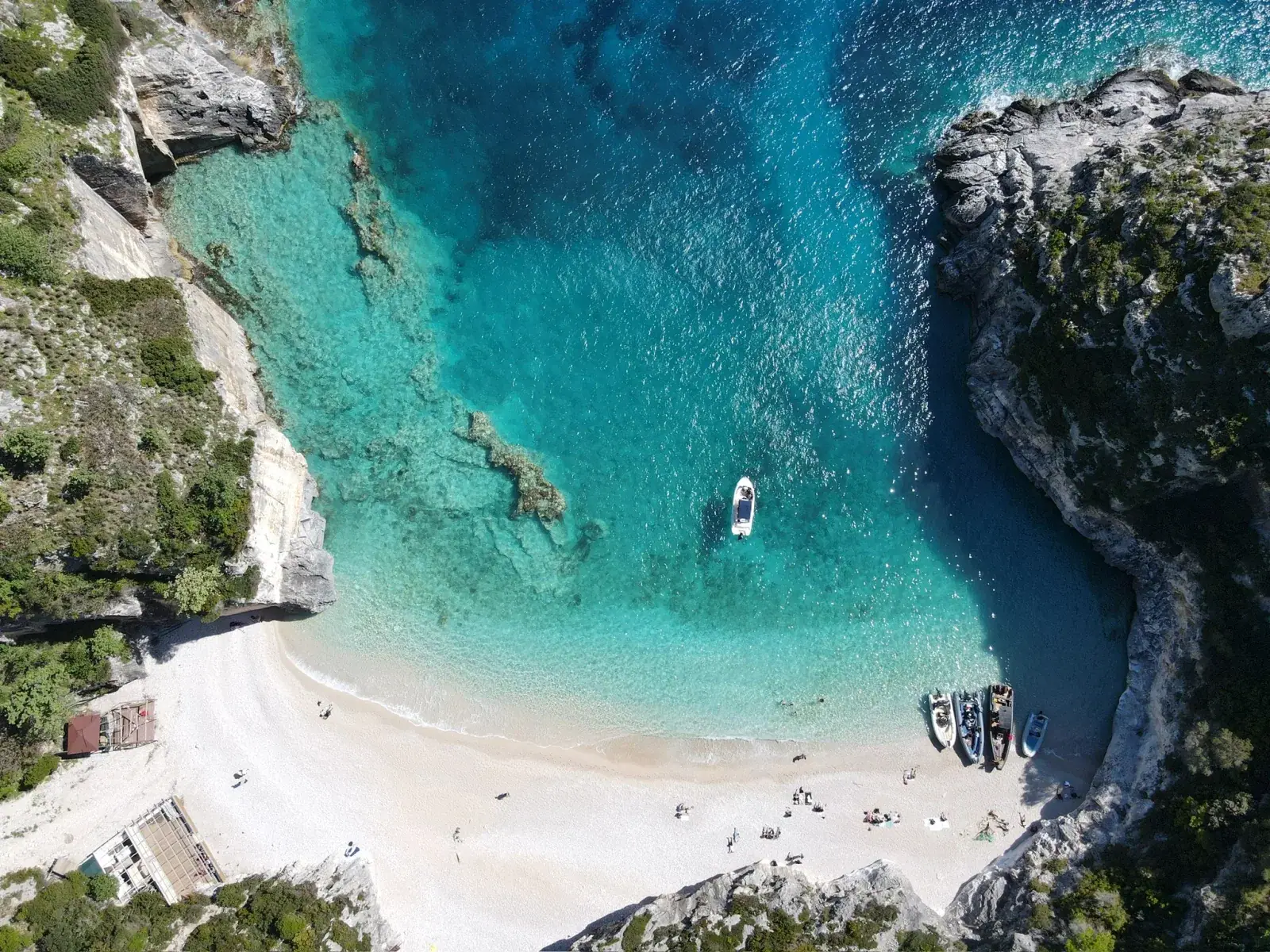
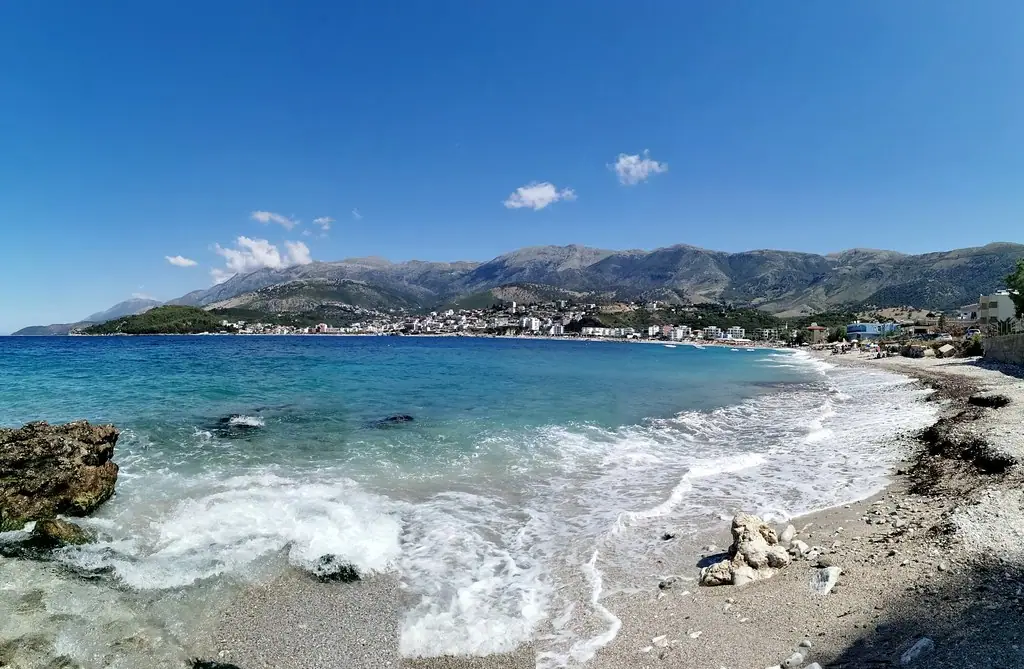
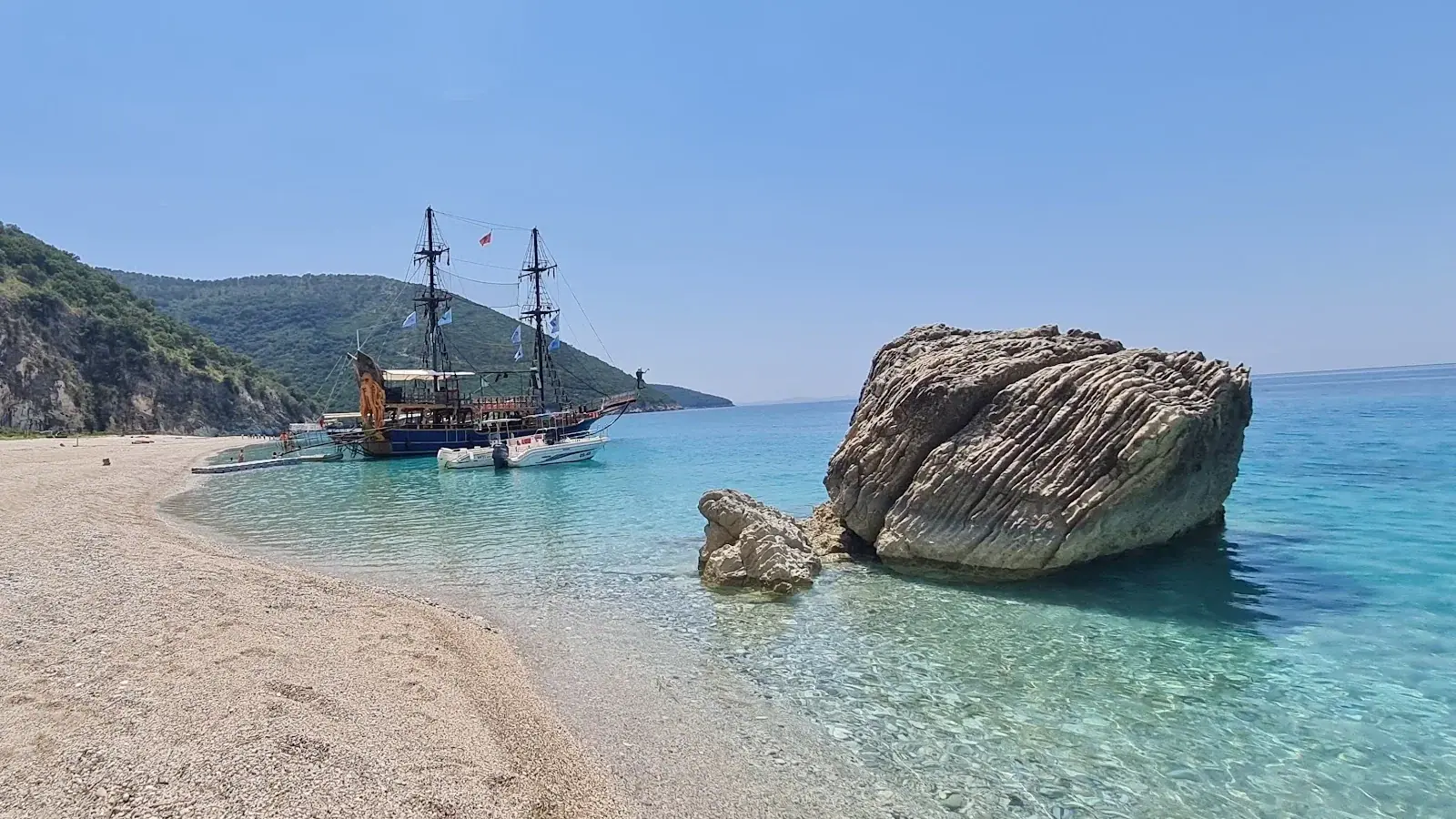
This isn't marketing. The Ionian coast of Albania has some of the clearest, most intensely blue water in the Mediterranean. Gjipe Beach, Kroreza, Filikuri, and the coves around Himara and Dhermi have visibility down to 15-20 meters on a calm day. The colors -- turquoise, emerald, deep sapphire -- are absurd.
The reason is simple: pebble beaches don't suspend sand particles the way sandy beaches do, and the Albanian coastline lacks the industrial pollution and heavy boat traffic that degrades water clarity elsewhere. Add steep mountains dropping directly into deep water, and you get conditions that rival the best of Greece or Croatia.
The best spots are often the hardest to reach -- by boat, by trail, or down a rough dirt road. That is what keeps them clean. Don't just hit the main beaches; get on a boat tour or hike to the hidden coves.
8. Shoulder Season Is the Sweet Spot -- Avoid August Crowds and Prices
July and especially August are Albania's peak tourist months. Temperatures exceed 35 C, beaches fill by 10 AM, accommodation prices double or triple, and restaurants have long waits. If you have any flexibility, avoid August entirely.
The sweet spot is late May through June, or September through early October. Water temperature is warm enough for comfortable swimming (22-26 C in June, 24-26 C in September), most hotels and restaurants are fully operational, beaches are uncrowded, and prices are 30-50% lower than peak season.
October is a gamble -- some businesses start closing mid-month, and you might catch rain -- but early October often delivers warm weather and near-empty beaches. For a detailed month-by-month breakdown. Check our best time to visit Himara guide.
9. Learn Five Albanian Words and Locals Will Love You
You don't need to speak Albanian. English is widely understood in tourist areas, and younger Albanians especially tend to speak it well. But making even a minimal effort in Albanian earns you genuine warmth and often better service.
Five words that matter:
| Albanian | Pronunciation | Meaning |
|---|---|---|
| Faleminderit | fah-leh-meen-deh-REET | Thank you |
| Miredita | meer-eh-DEE-tah | Good day / hello |
| Po / Jo | poh / yoh | Yes / No |
| Sa kushton? | sah koosh-TOHN | How much does it cost? |
| Shendet | shuhn-DEHT | Cheers (when drinking) |
Use "faleminderit" every chance you get. It's the single most effective word for making Albanian interactions smoother and friendlier.
10. Tipping Is Appreciated but Not Expected
Albania does not have a strong tipping culture. Most locals don't tip or leave only loose change. As a tourist, tipping 5-10% at restaurants is considered generous and will be appreciated. There's no obligation, and no one will chase you out the door for not tipping.
For other services: rounding up taxi fares is polite (a 350 lek ride, hand over 400), tipping hotel housekeeping 200-300 lek per day is kind but not expected, and tipping tour guides or boat captains 500-1,000 lek for good service is a nice gesture.
Don't tip at coffee bars -- it's not the custom. For a complete breakdown of when and how much to tip, see our tipping in Himara guide.
11. Restaurant Bills May Not Include Service -- Always Check
Unlike many Western European countries, Albanian restaurants rarely add a service charge to the bill. What you see on the menu is what you pay, plus your optional tip. However, some higher-end restaurants in Tirana and tourist areas have started adding a 5-10% service charge -- always check the bill before adding a tip on top.
Also worth knowing: restaurant prices in Albania are low by European standards. A main course at a good restaurant runs 600-1,200 ALL (6-12 EUR). A full seafood dinner for two with wine on the coast costs 3,000-5,000 ALL (30-50 EUR). The best restaurants in Himara offer extraordinary value compared to similar quality in Greece or Croatia.
12. SIM Cards Are Cheap -- Buy One at the Airport
A local Albanian SIM card costs around 1,000 ALL (10 EUR) and gives you 10-15 GB of data that lasts a month. Vodafone and One (formerly Telekom Albania) are the two main carriers, and both have kiosks at Tirana International Airport. Bring your passport -- it's required for registration.
Having local data means functional maps, translation apps, restaurant lookups, and the ability to call your hotel or rental car company if needed. EU roaming does not apply in Albania, so using your home SIM will rack up steep charges.
If you prefer not to swap SIMs, an eSIM works in most modern phones, Saily is our top pick for Albania. For full details on carriers, coverage, data plans, and eSIM options, see our Albania SIM card and WiFi guide.
13. The Coffee Culture Is Intense
Albania has more cafes per capita than almost any country in Europe. Coffee isn't a quick morning habit -- it's a social institution. Albanians sit at cafes for hours, nursing an espresso while watching the street, meeting friends, or doing business. Every town, village, and beach settlement has multiple cafes, often outnumbering restaurants.
The default order is an espresso (called simply "kafe" or "ekspres"). If you want a larger coffee, ask for "kafe Amerikano." Macchiato ("makiato") is also widely understood. Prices are low: 80-150 ALL (0.80-1.50 EUR) for an espresso, 150-250 ALL for a cappuccino.
Sit down, slow down, and do as the Albanians do. For a full rundown of the coffee scene and the best spots, see our Himara coffee guide.
14. Sunscreen and Water Shoes Are Non-Negotiable for Beaches
The Albanian sun is fierce from June through September, and the reflection off the water and white pebbles amplifies UV exposure. Factor 50 sunscreen is essential, not optional. Buy it before you arrive -- sunscreen in Albanian tourist shops is marked up significantly and selection is limited.
Water shoes are equally important. Most Riviera beaches are pebble -- smooth pebbles at some, sharp stones at others. Walking barefoot across hot stones into the water ranges from uncomfortable to painful. A basic pair of water shoes from any sports shop transforms the experience.
Pack both. Add a UV-rated rash guard if you burn easily, and a good reef-safe sunscreen if you care about the water quality that makes these beaches special. Our Himara packing list has the complete rundown.
15. Accommodation Books Up Fast in July and August -- Reserve Early
Peak-season accommodation in popular Riviera towns sells out weeks in advance. Himara, Dhermi, and Ksamil have limited hotel stock compared to demand, and the best-value places go first. If you're traveling in July or August. Book at least 4-6 weeks ahead for good options. Last-minute searches in August will leave you with either overpriced leftovers or nothing at all.
Shoulder season (June, September) gives you much more flexibility -- you can often book a few days ahead or even walk in. But the top-rated properties still fill up on weekends.
For accommodation recommendations by budget and neighborhood, see our where to stay in Himara guide.
16. Albania Is Safe -- Don't Believe Outdated Stereotypes
Albania's reputation suffers from decades-old stereotypes rooted in the 1990s post-communist instability. That era is long over. Modern Albania is safe for tourists -- violent crime against visitors is essentially nonexistent, petty theft is lower than in most Western European capitals, and the biggest risk you face is aggressive driving.
Solo travelers, women traveling alone, and families all report feeling safe across the country. The Albanian Riviera is particularly low-risk because it's a small-town coastal area where everyone knows everyone. Use standard precautions (don't flash large amounts of cash, lock your car. Keep valuables out of sight) and you'll be fine.
For a detailed, honest look at safety considerations, read our is Albania safe guide.
17. Stray Dogs Exist -- They're Mostly Friendly, but Give Them Space
Albania has a visible stray dog population, especially in smaller towns and rural areas. Most are docile, accustomed to people, and well-fed by locals who leave out food and water. You'll see them sleeping on sidewalks, lounging at beach bars, and trotting around neighborhoods.
That said, don't approach strays you don't know. Avoid feeding them directly (it encourages dependence and territorial behavior), and give a wide berth to any dog guarding a property or behaving aggressively. If a stray follows you, it's usually curious rather than threatening -- walk calmly and don't run.
The situation has improved significantly in recent years, with municipal neutering programs reducing numbers in tourist areas. Most visitors find the dogs friendly rather than a problem. For the full picture, where you'll see them, the rabies question, and exactly what to do if one follows you, read our guide to stray dogs in Albania.
18. Power Cuts Happen Occasionally in Rural Areas
Albania's electricity grid has improved massively in the last decade, but occasional power cuts still occur, particularly in rural areas during summer when demand spikes from air conditioning. In tourist towns like Himara and Saranda, outages are rare and typically short -- 30 minutes to a few hours. In more remote villages, they can last longer.
Most hotels and guesthouses have backup generators or inverters. If you're renting a villa or apartment. Ask the owner about the power situation. A portable power bank for your phone is worth carrying regardless.
WiFi reliability follows the same pattern -- solid in towns, patchy in rural areas. Download what you need offline and don't rely on streaming in remote locations.
19. The Food Is Better Than You Expect -- Especially Seafood on the Coast
Albania sits at the intersection of Greek, Turkish, and Italian culinary influences, and the result is exceptional. On the coast, the seafood is the star -- fresh-caught daily, grilled simply, and served at prices that would be unthinkable in Greece. Expect whole grilled sea bream (koce) for 800-1,200 ALL, octopus salad for 500-700 ALL, and mussels for 400-600 ALL.
Beyond seafood, Albanian food excels at slow-cooked meat dishes (tave kosi -- lamb baked in yogurt), fresh salads with extraordinary tomatoes and peppers, flaky byrek (savory phyllo pastries), and mezze spreads with local cheese, olives, and pickled vegetables. The quality of raw ingredients -- often from family gardens or small farms -- is noticeably superior to supermarket-supplied Western European restaurants.
Don't stick to one restaurant. Eat at the tavernas where locals sit, order whatever the owner recommends, and finish every meal with a raki. For specific recommendations, see our best restaurants in Himara.
20. Don't Try to See Everything -- Pick a Base and Explore from There
Albania is small on the map but slow to traverse. Distances that look like a 30-minute drive can take 90 minutes on winding mountain roads. First-timers often try to cram Tirana, Berat, Gjirokaster, Saranda, and the entire Riviera into a single week, and end up spending most of their trip in a car.
Pick one or two bases instead. Himara is ideal for the central Riviera -- from there you can reach Gjipe, Dhermi, Porto Palermo, Borsh, and dozens of beaches and coves without relocating. Saranda works for the southern end (Ksamil, Butrint, Blue Eye). Berat or Gjirokaster work for the interior.
Three to four nights in each location beats one night in five. Slow down, swim twice a day, eat long dinners, and leave room for the unplanned moments that make Albania special. If it's your first time, start with our things to know before visiting Himara and first-timer mistakes to avoid.
Frequently Asked Questions
Is Albania expensive to visit?
No. Albania is one of Europe's most affordable destinations. Budget travelers can manage comfortably on 30-40 EUR per day including accommodation, food, and transport. Mid-range travelers spend 60-100 EUR per day and eat very well. For detailed cost breakdowns, see our Himara on a budget guide.
Do I need a visa to visit Albania?
Citizens of the EU, UK, Canada, Australia, and most Western nations can enter Albania visa-free for up to 90 days within a 180-day period. US citizens get a longer 1-year visa-free allowance under a 2022 bilateral agreement. No advance registration or e-visa is needed for any of these nationalities. For full details by passport, see our Albania visa requirements 2026 guide.
Is Albania safe for solo female travelers?
Yes. Albania consistently ranks as safe for solo female travelers. Harassment is rare, locals are protective of guests (the besa tradition applies strongly), and tourist areas are well-lit and populated. Standard precautions apply, but Albania is no riskier than Portugal, Greece, or Croatia.
What is the best way to get to the Albanian Riviera?
Fly into Tirana International Airport (TIA), then take a furgon, bus, or rental car south. The drive to Himara takes 4-5 hours via the Llogara Pass. Alternatively, fly into Corfu and take the ferry to Saranda, then travel north along the coast. Both routes are scenic.
Can I drink the tap water in Albania?
Tap water is generally safe in major cities like Tirana, but bottled water is recommended in smaller towns and rural areas, including most of the Albanian Riviera. Bottled water is cheap -- 50-100 ALL for 1.5 liters at any shop.
How many days do I need for the Albanian Riviera?
A minimum of five days gives you enough time to explore the central Riviera around Himara -- beaches, a boat tour, a day trip or two, and several dinners at different restaurants. Seven to ten days lets you comfortably add Saranda, Ksamil, and an inland excursion to Gjirokaster or the Blue Eye spring.