If you are comparing Albania cash vs card for your 2026 trip, the direct answer is simple: use a hybrid setup. In larger hotels, many supermarkets, and higher-volume restaurants, card acceptance is increasingly normal. In beach kiosks, smaller guesthouses, parking, small transport, and informal services, cash still solves problems faster.
Trying to run Albania fully cashless can work in limited city scenarios, but it often fails on the Riviera where your day moves between beaches, village stops, parking points, and seasonal vendors. Carrying both card and cash is not old-school paranoia. It is operational efficiency.
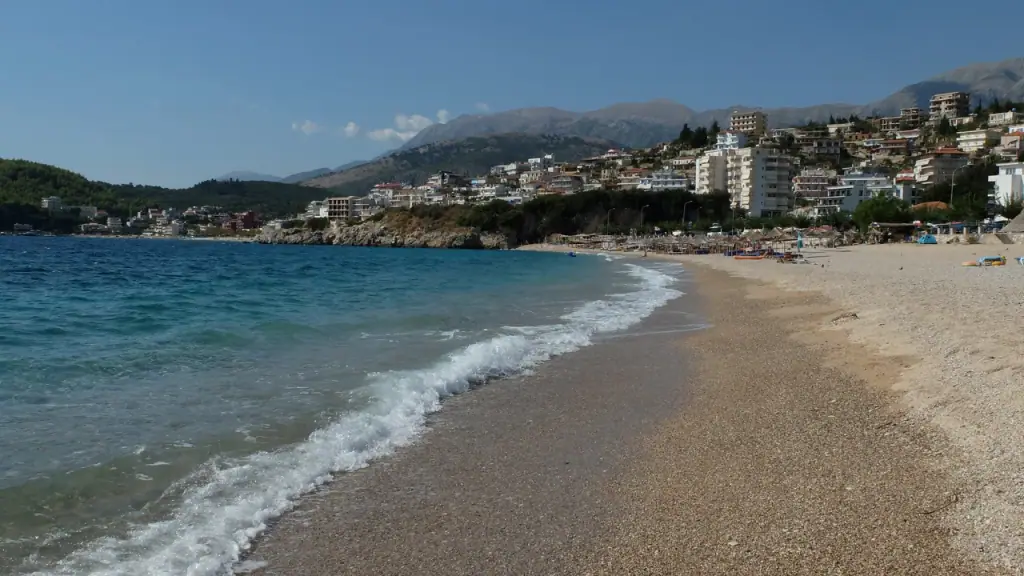
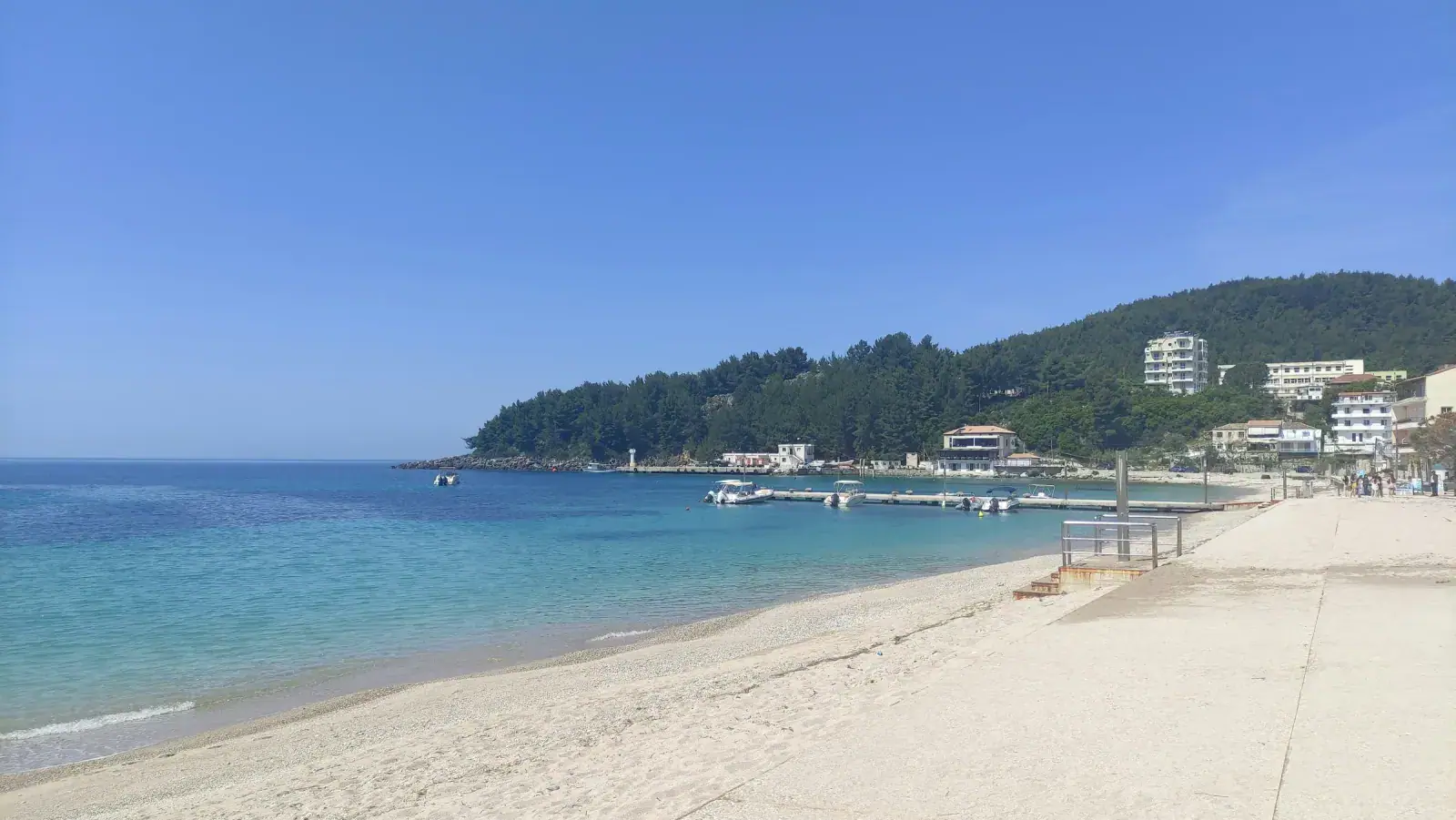
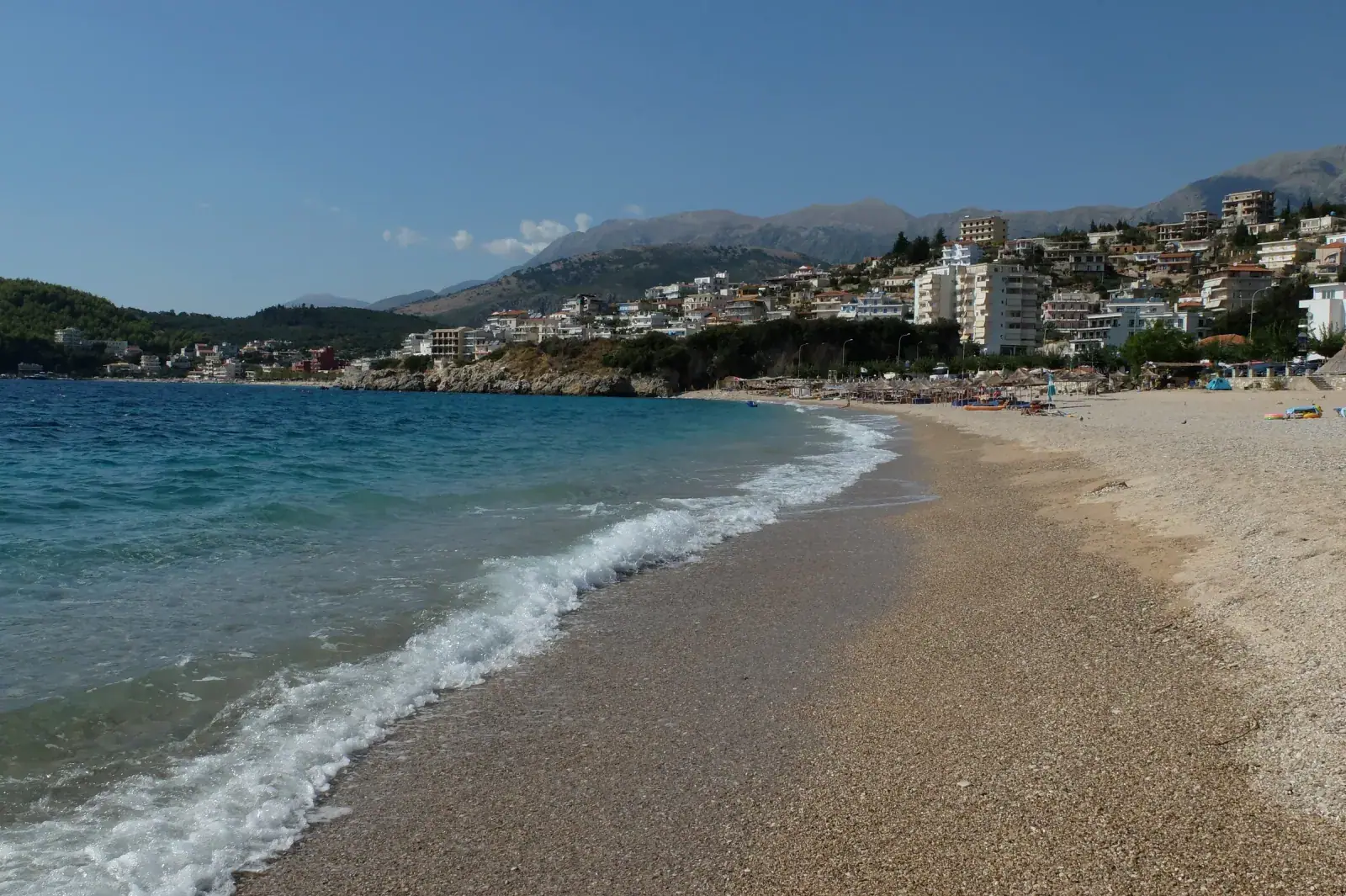
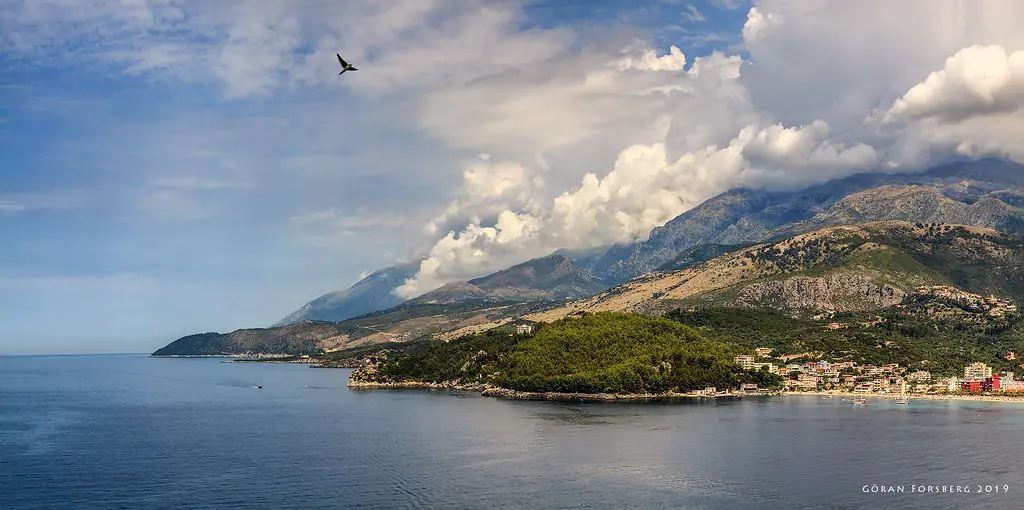
This guide is written for visitors staying in Himara, Saranda, Dhermi (Greek: Δρυμάδες, Albanian: Dhërmi), and Ksamil.
Quick summary
| Decision | Practical rule |
|---|---|
| Primary spend method | Card where reliable, cash for friction points |
| Cash carry target | 5,000-15,000 ALL day reserve |
| ATM strategy | Fewer, larger withdrawals to reduce fee stacking |
| Emergency setup | 2 cards + cash + offline banking access |
| Most common failure | Arriving at cash-only point with no reserve |
Direct answer: what actually works
- Arrive with one low-fee travel card and one backup card.
- Withdraw a starter cash buffer in Albanian lek (ALL).
- Use card for larger predictable bills.
- Use cash for small, fast, or uncertain transactions.
- Refill cash before long beach or road days.
That model balances convenience, cost control, and failure resilience.
Where cards usually work vs where cash still wins
| Spend category | Card reliability | Cash recommendation |
|---|---|---|
| Mid-range and upscale hotels | High | Keep small cash for city tax/small extras |
| Large restaurants | Medium-high | Carry cash backup |
| Beach bars and kiosks | Low-medium | Cash-first |
| Parking and roadside services | Low | Cash required in many cases |
| Local transport and informal transfers | Low-medium | Cash strongly advised |
| Pharmacies and chains | Medium-high | Card often works, still carry cash |
You do not need to assume every place is cash-only. You do need to assume card acceptance is uneven.
Currency and conversion: why ALL matters
Albania's local currency is the lek (ALL). Even when prices are shown in EUR in tourist zones, many transactions settle in ALL and conversion practice can vary by vendor.
Practical conversion rule
- Track your budget in ALL for daily spending decisions.
- Keep a quick EUR mental equivalent only for high-level planning.
| Example spend | ALL | Approx EUR equivalent |
|---|---|---|
| Coffee + water | 300-600 ALL | 3-6 EUR |
| Casual lunch | 800-1,500 ALL | 8-15 EUR |
| Mid-range dinner | 1,500-3,000 ALL | 15-30 EUR |
| Local short taxi | 800-2,000 ALL | 8-20 EUR |
| Day reserve carry | 5,000-15,000 ALL | 50-150 EUR |
Use these ranges as planning bands, not fixed price promises.
ATM strategy: reduce hidden fee drag
Multiple small withdrawals are the most common avoidable money leak.
Better strategy
- Withdraw larger amounts less frequently.
- Prefer bank-affiliated ATMs in central areas.
- Decline poor dynamic-currency-conversion offers if your card terms are better in local currency.
- Check your bank's international ATM and FX fee structure before departure.
| ATM pattern | Outcome |
|---|---|
| Many small withdrawals | Higher cumulative fixed-fee drag |
| Fewer planned withdrawals | Better fee efficiency |
| Last-minute cash hunt in tourist peak | Higher stress and weaker options |
Cash flow planning by travel style
Budget traveler
- Keep 5,000-8,000 ALL daily in accessible cash.
- Use card for accommodation or larger pre-booked items.
Mid-range couple
- Keep 8,000-12,000 ALL daily.
- Use card for dinner and hotel where accepted.
Family with kids
- Keep 10,000-15,000 ALL daily due to unplanned purchases.
- Always keep a backup stash separate from main wallet.
Payment failure playbook
Payment issues happen. A defined response avoids panic spending.
| Failure event | First response | Backup |
|---|---|---|
| Card terminal offline | Offer cash | Use second card if needed |
| Main card blocked | Use backup card | Contact issuer via app/call |
| ATM failure | Move to bank-area ATM | Shift non-critical purchases |
| Lost wallet | Freeze cards immediately | Use emergency reserve cash |
Minimum resilient setup
- 2 independent cards from different networks.
- 1 day of cash in main wallet.
- 1 backup cash reserve in separate location.
- Offline copy of issuer support numbers.
Tipping and service expectations
Tipping culture in Albania is less rigid than in some countries. Many travelers tip for strong service, but a fixed percentage expectation is not universal in all settings.
Practical approach:
- Round up for small service.
- Tip intentionally where service quality is high.
- Avoid overcompensating due to uncertainty.
Card tips may not always be smooth in smaller venues, so cash helps.
Budget guardrails: keep daily spend predictable
| Daily budget style | Spend guardrail |
|---|---|
| Tight budget | 4,000-7,000 ALL person/day excluding lodging |
| Comfortable budget | 7,000-12,000 ALL person/day excluding lodging |
| High-flex day | 12,000-20,000 ALL person/day excluding lodging |
Set a daily top-line and split by category each morning:
- Food and drinks
- Mobility and parking
- Beach costs (sunbeds, extras)
- Contingency
That one step prevents end-of-day surprises.
Riviera-specific friction points
On Himara-centered trips, payment friction clusters in specific moments:
- Arrival day last-mile transfer.
- Beach day add-ons (sunbeds, parking, snacks).
- Evening taxi return after late dinner.
- Small village stops where terminal uptime is inconsistent.
Carry cash proactively before these windows.
When card-first is still the right call
Card-first makes sense when:
- You have low international fees.
- You are spending mostly at established businesses.
- You track spending in real time through your banking app.
- You carry backup cash for inevitable edge cases.
Card-only and cash-only are both brittle systems. Hybrid is robust.
Monthly spending pattern: why your payment mix should change
Payment strategy should shift by season, not stay fixed all year.
| Month band | Tourism pressure | Recommended payment posture |
|---|---|---|
| May-June | Rising but manageable | Card-first with moderate cash reserve |
| July-August | Peak demand and higher queue friction | Hybrid with larger same-day cash buffer |
| September-October | Good balance of demand and reliability | Hybrid, smaller reserve than peak |
| November-April | Lower density, some limited operations | Cash reserve remains important in smaller areas |
In high season, the same card method that worked in Tirana may fail at a crowded beach service point. Carrying extra lek is not about distrust. It is about avoiding time loss when acceptance fails at exactly the wrong moment.
Payment plan by day type
| Day type | Card share | Cash share | Why |
|---|---|---|---|
| Transfer day | 60% | 40% | Last-mile and informal transport often cash-friendly |
| Full beach day | 40% | 60% | Sunbeds, parking, and small service vendors |
| City/admin day | 75% | 25% | Larger venues and chain businesses accept cards more often |
| Mixed hiking + village day | 50% | 50% | Variable access and terminal reliability |
One-envelope method for control
If you overspend on flexible trips, use a simple envelope model:
- Morning envelope for food and drinks.
- Mobility envelope for taxi/parking/transport.
- Reserve envelope for emergencies only.
When one envelope empties, you must consciously reallocate from another. This behavioral constraint is stronger than vague "I should spend less" intent.
Card network and backup logic
Do not depend on one issuer and one app.
| Setup element | Minimum standard |
|---|---|
| Primary card | Internationally accepted debit/credit card |
| Backup card | Different network or issuer |
| Cash reserve | At least one full day of planned spend |
| Access method | Banking app + offline support number |
| Storage | Split between wallet and separate location |
Why split storage matters
If your wallet is lost or frozen after a failed payment cycle, split storage prevents total lockout. Keep part of your cash in a separate secure pocket/bag and leave a small room reserve when feasible.
Practical "Do Not" list
- Do not start a remote beach day with less than your realistic cash floor.
- Do not rely on one ATM immediately before dinner or transport windows.
- Do not assume every vendor offering EUR quotes will give favorable conversion.
- Do not let tips and micro-payments erode your day budget silently.
Frequently asked questions
Is Albania mostly cash or card in 2026?
Both are used, but card acceptance is still uneven outside larger businesses. For Riviera travel days, a hybrid setup is safest: card for major bills and cash for transport, beach services, and smaller vendors.
How much cash should I carry per day in Albania?
A practical range is 5,000-15,000 ALL depending on your travel style, group size, and route complexity. Families and travelers doing multiple short paid services should carry the higher end.
Are ATMs easy to find in Riviera towns?
They are available in main areas, but availability and convenience can vary by town and season. Avoid last-minute dependence by withdrawing before full beach or transfer days.
Should I pay in EUR or ALL when both are offered?
Track your trip in ALL and evaluate conversion quality case by case. For most daily spending, thinking in ALL gives better control and clearer budget discipline.
Conclusion
The most reliable answer to Albania cash vs card is not one method. It is a controlled mix. Use cards where acceptance is stable, carry a meaningful ALL reserve for high-friction moments, and run a two-card backup setup. That keeps your budget intact and your travel days smoother.
5-minute daily money reset
Do this each evening to keep the next day predictable:
- Count remaining cash and log it in ALL.
- Review card transactions and mark unexpected fees.
- Refill the next-day envelope amounts by travel plan.
- Move emergency reserve back to a separate location.
- Set a hard spend ceiling for tomorrow.
This habit sounds simple, but it prevents cumulative budget drift across a week-long Riviera trip.
Emergency cash access checklist
| Problem | Fast response |
|---|---|
| All nearby ATMs offline | Use reserve stash and shrink discretionary spending for one day |
| Card compromised | Freeze in app, switch to backup card, notify issuer immediately |
| Unexpected high transport spend | Rebalance envelopes and cut optional paid activities that day |
| Poor conversion quote | Delay non-essential purchase and pay in ALL where possible |
When you run money operations as a system, you travel with less friction and better choices.
Sources and fact-check references
- https://www.bankofalbania.org/
- https://www.gov.uk/foreign-travel-advice/albania/money
- https://www.instat.gov.al/en/themes/industry-trade-and-services/tourism-statistics/
Final rule
If you need one practical rule for payment success in Albania, use this: never start a high-friction day with only one payment method. Card plus cash plus a fallback card is the lowest-stress setup.