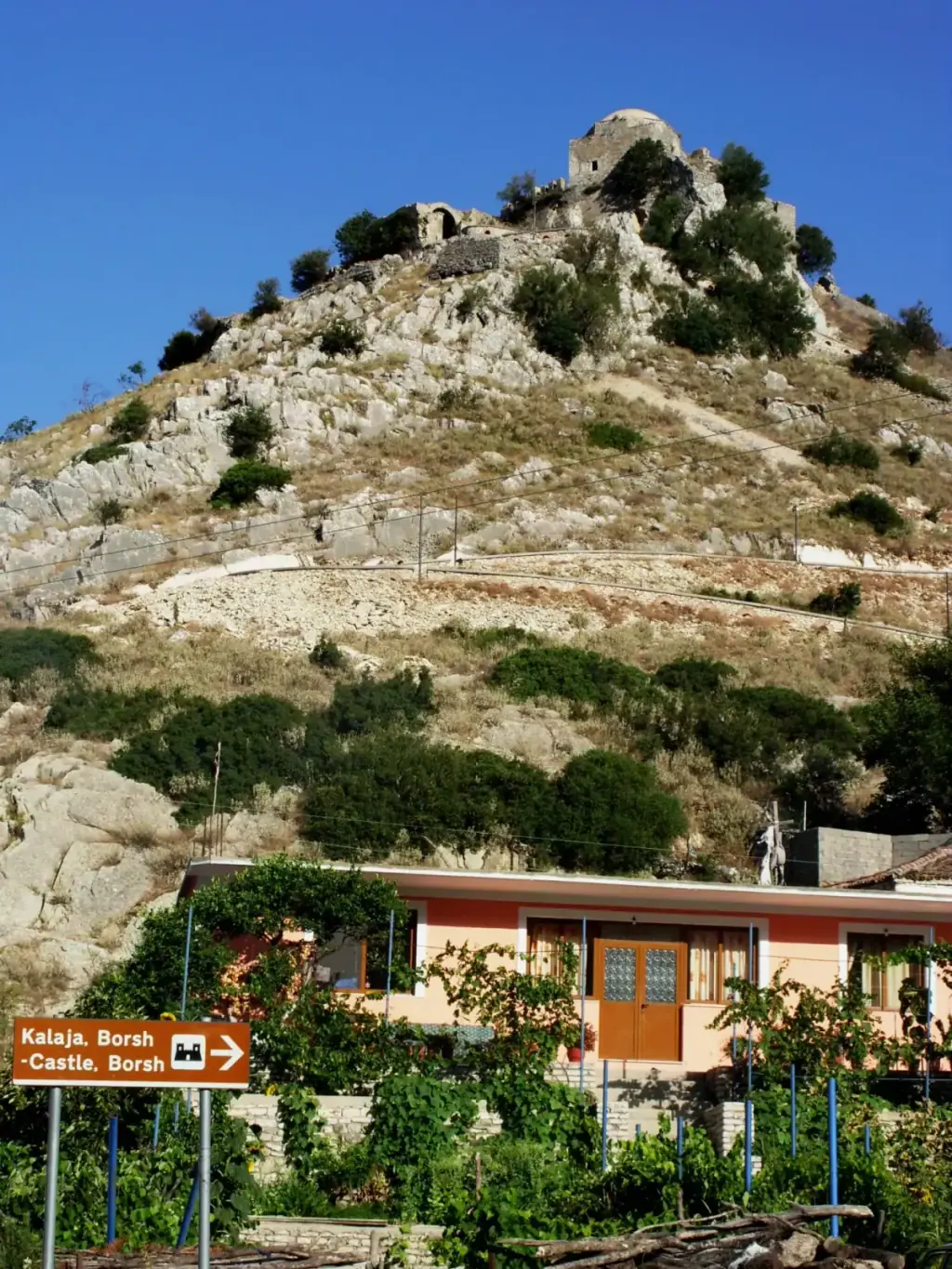
Himara Castle & Old Town
In town, 15–20 min walk uphill from the promenade
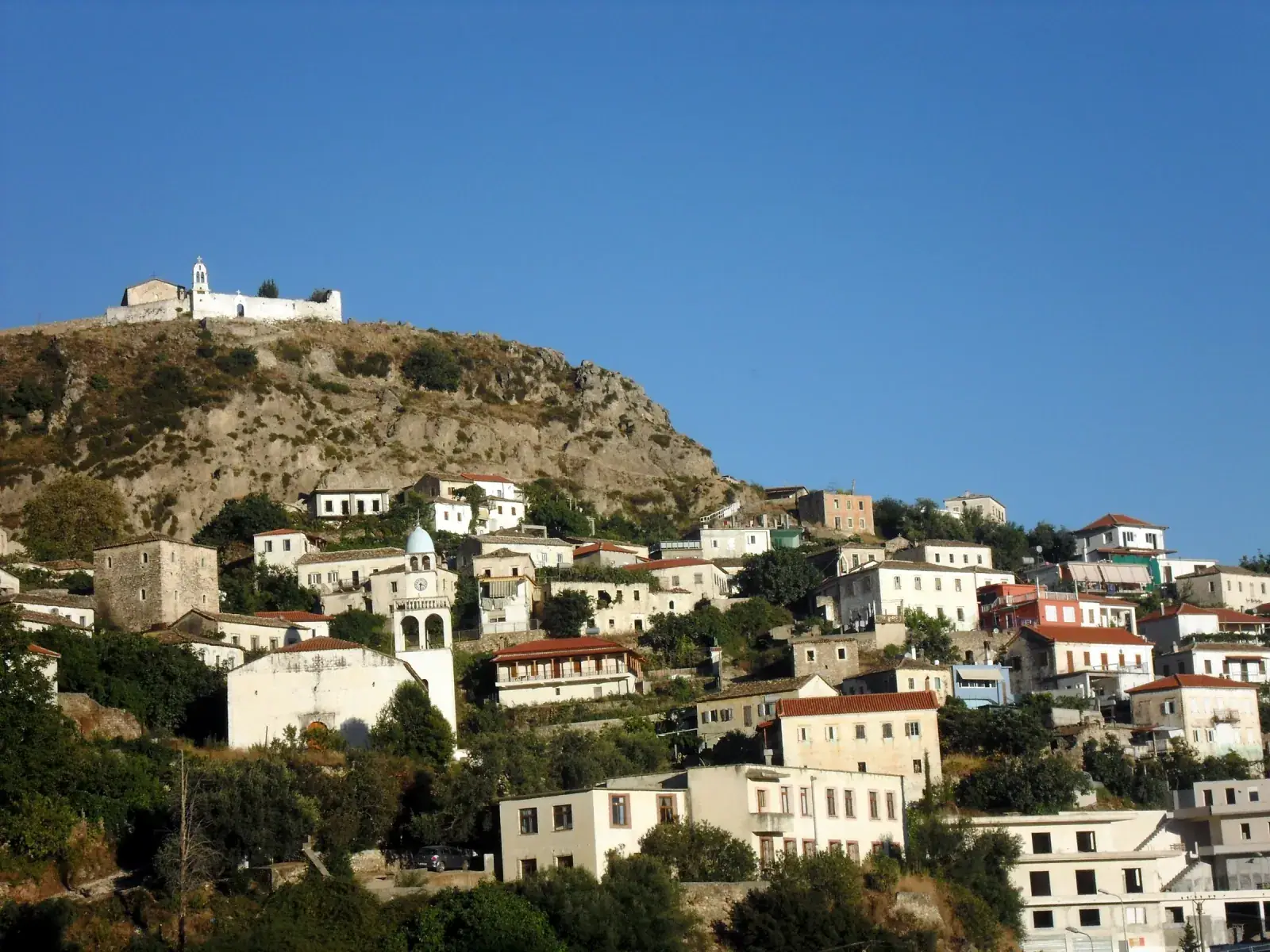
Hilltop between Dhermi and Gjipe Beach
Saint Theodore Monastery (Albanian: Manastiri i Shën Theodhorit, Greek: Μονή Αγίου Θεοδώρου) sits on a hilltop between Dhermi and Gjipe Beach, one of the most historically layered sites on the Albanian Riviera. Built on the ruins of an ancient temple to Zeus, converted into an Orthodox monastery in the 14th century, repurposed as a Soviet navy holiday resort in the 1950s, then an Albanian military post until the late 1980s, and now under restoration. This single hilltop tells the entire story of Albania in compressed form.
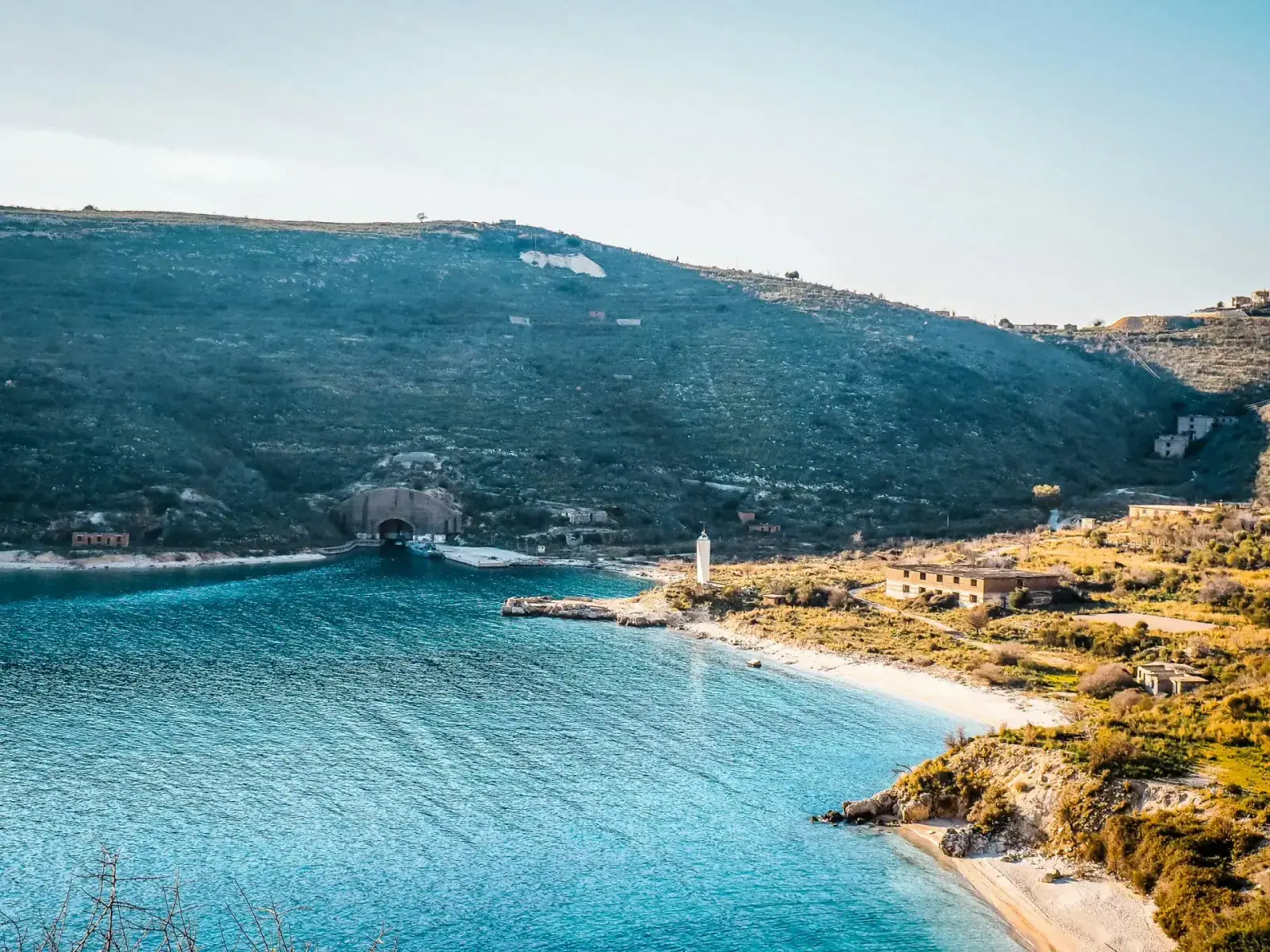
The earliest layer is an ancient temple of Zeus, pre-Christian and classical in date. The Byzantines built the Orthodox monastery on top in the 14th century. The complex operated continuously until WWII, when the Italians occupied it. After the Soviet split in 1961, the new Albanian regime used the site as a military observation post over the bay and fortified it with bunkers that are still visible. Earlier, between 1948 and 1961, parts of the complex were a Soviet navy holiday resort; visiting officers from the Pasha Liman submarine base stayed here. Restoration began after 1991.
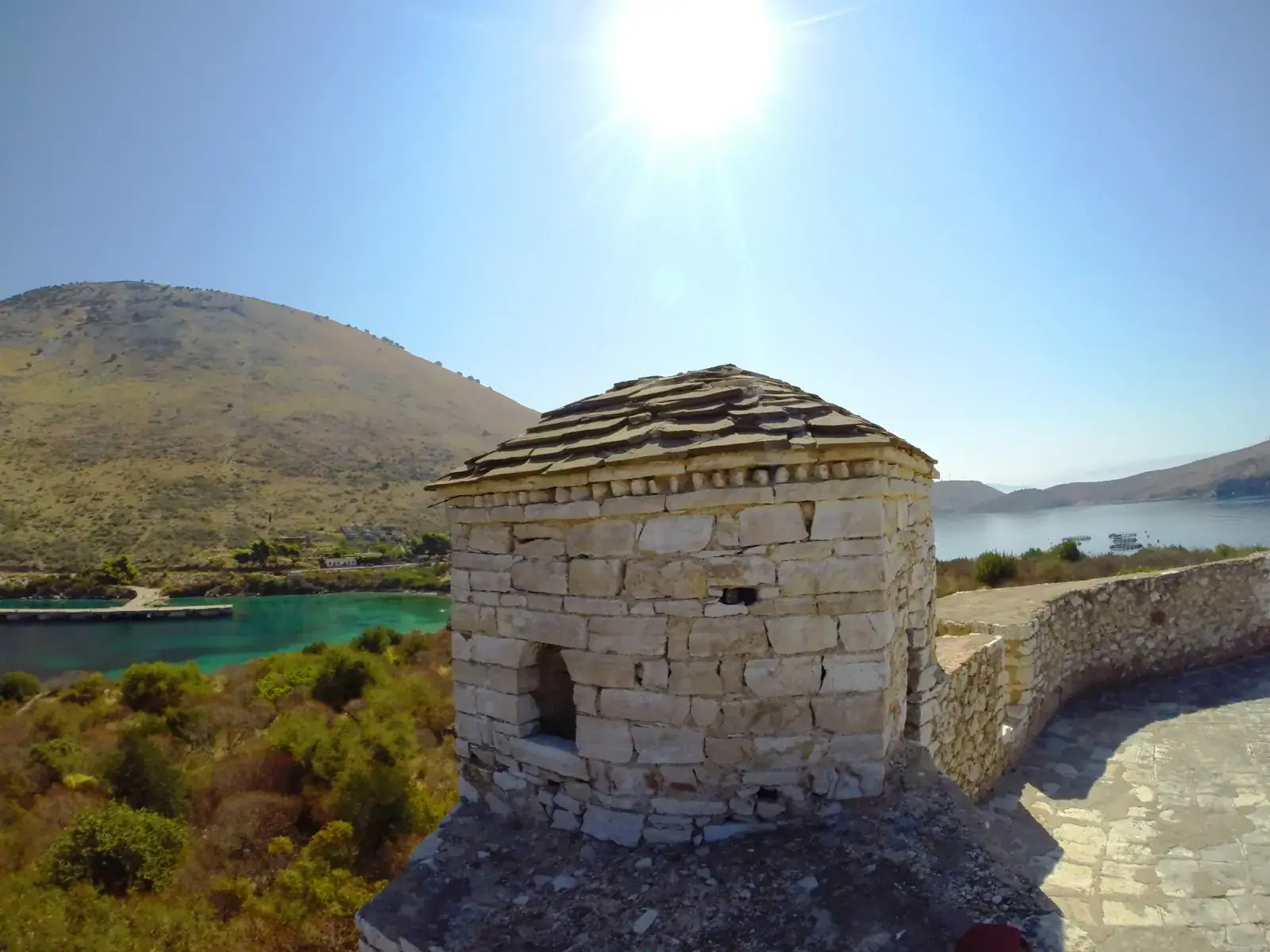
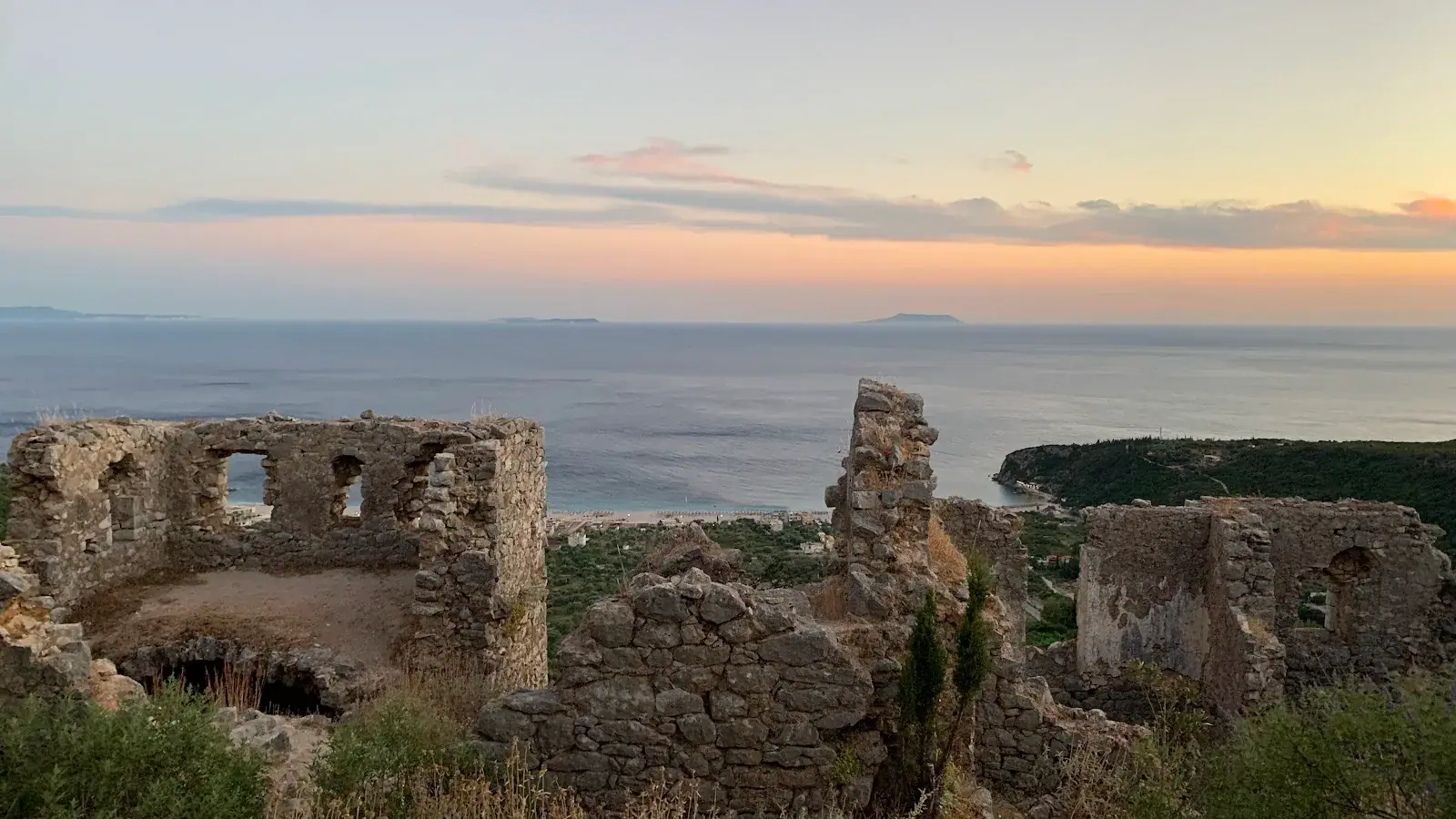
14th-century Byzantine church foundations and partial walls; visible ancient temple stones reused in the monastery construction; Hoxha-era bunkers and military outbuildings around the perimeter; coastal views south toward Himara and north toward Llogara Pass, with Gjipe Beach far below; on exceptionally clear days, Corfu on the western horizon.
Drive north from Himara on SH8 (~15 km, 20 min). The turnoff is signed 'Manastiri i Shën Theodhorit' before you reach Dhermi village, on the left. A narrow single-lane road winds 2.5 km through olive groves to a small parking area, the same lot used for Gjipe Beach access. From the parking, a paved stone footpath climbs 10–15 minutes to the monastery.
Morning for clearest views and coolest temperatures. The walk up from the parking is partly exposed. Combine with Gjipe Beach in the afternoon; the same parking lot covers both, and the beach is a longer downhill walk from there.
History, practical tips, and route notes in long form. The article that goes deeper than this page.
How operators reach this site by boat, which tours include it, and what the arrival looks like from offshore.
The natural other half of the day. Sand and sea after stone and history.
These routes include Saint Theodore Monastery as a stop. Prices are per person and booked online.
Operated by Himara Sea Escapes
Operated by Aqua & Terra Drymades
No. You can drive 2.5 km from SH8 to a parking area through olive groves, but the final 10–15 minute stretch is a paved stone footpath. Parking costs 200–300 ALL (~€2–3). The same lot serves Gjipe Beach, so it fills up in peak summer, so arrive before 10 AM in July and August.
Entry to the monastery itself is free. You only pay for parking at the lot near the trailhead, 200–300 ALL (~€2–3). There are no fixed visiting hours, no gate, and no ticket booth. The site is partly under restoration; access to specific buildings may be limited.
Built in the 14th century on the foundations of an ancient temple to Zeus. Operated continuously as an Orthodox monastery until WWII. After 1948 it served as a Soviet navy holiday resort, then as an Albanian military post from 1961 until the late 1980s. Restoration began after 1991. Few sites compress this much Albanian history into one hilltop.
Yes, this is the standard half-day plan. The same parking area serves both. Visit the monastery first (1.5–2 hours), then walk the downhill path to Gjipe Beach for the afternoon. The beach is one of the Riviera's prettiest: pebbly, partly clothing-optional, and reachable only by foot or boat.
Compare live hotel, apartment, and guesthouse prices near Saint Theodore Monastery on the map. Filter by your dates and budget.
Something missing or incorrect? Email us at info@himara.net