Himara Castle & Old Town
In town, 15–20 min walk uphill from the promenade
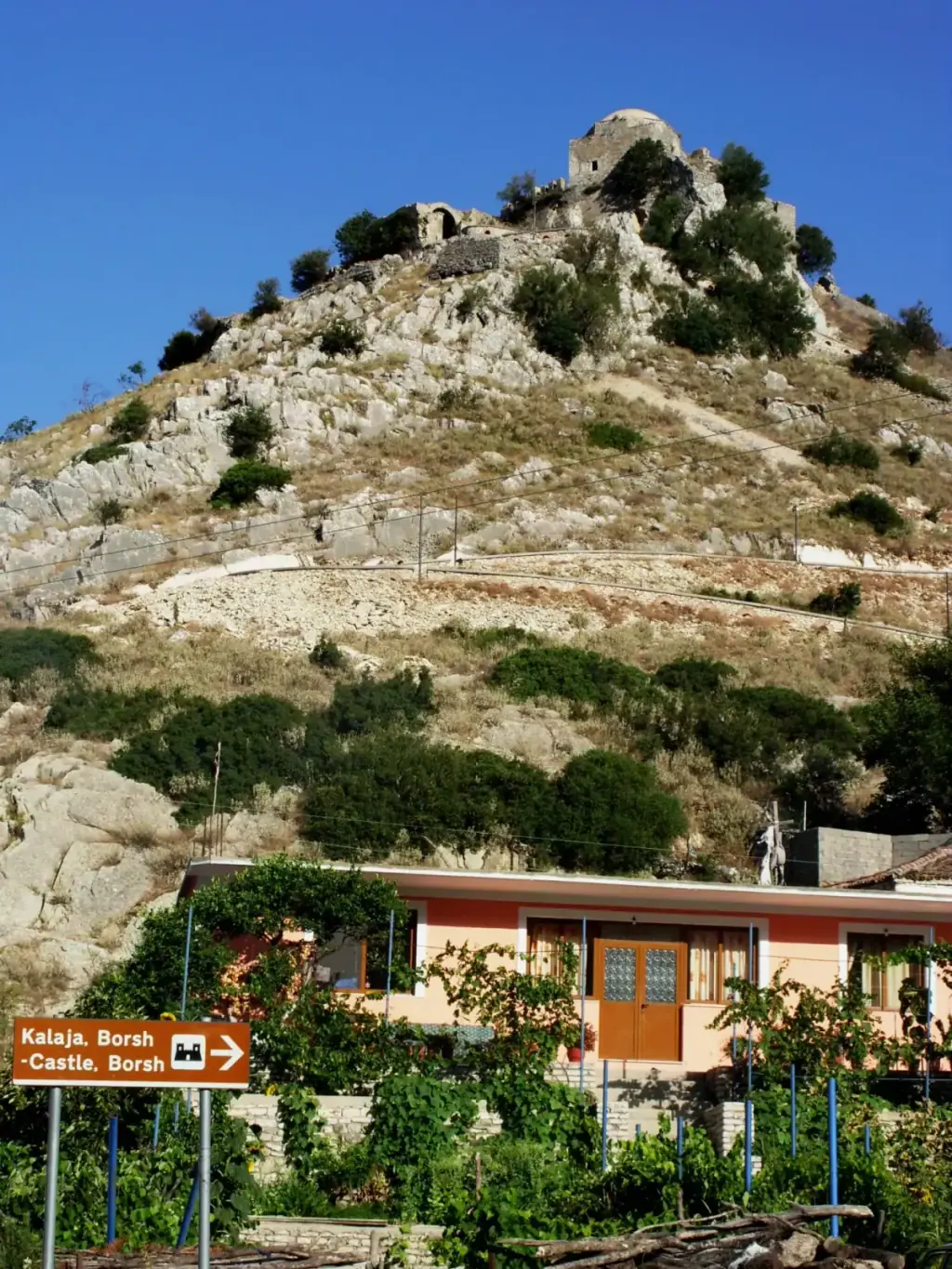
Hilltop above Borsh village, 500 m above sea level
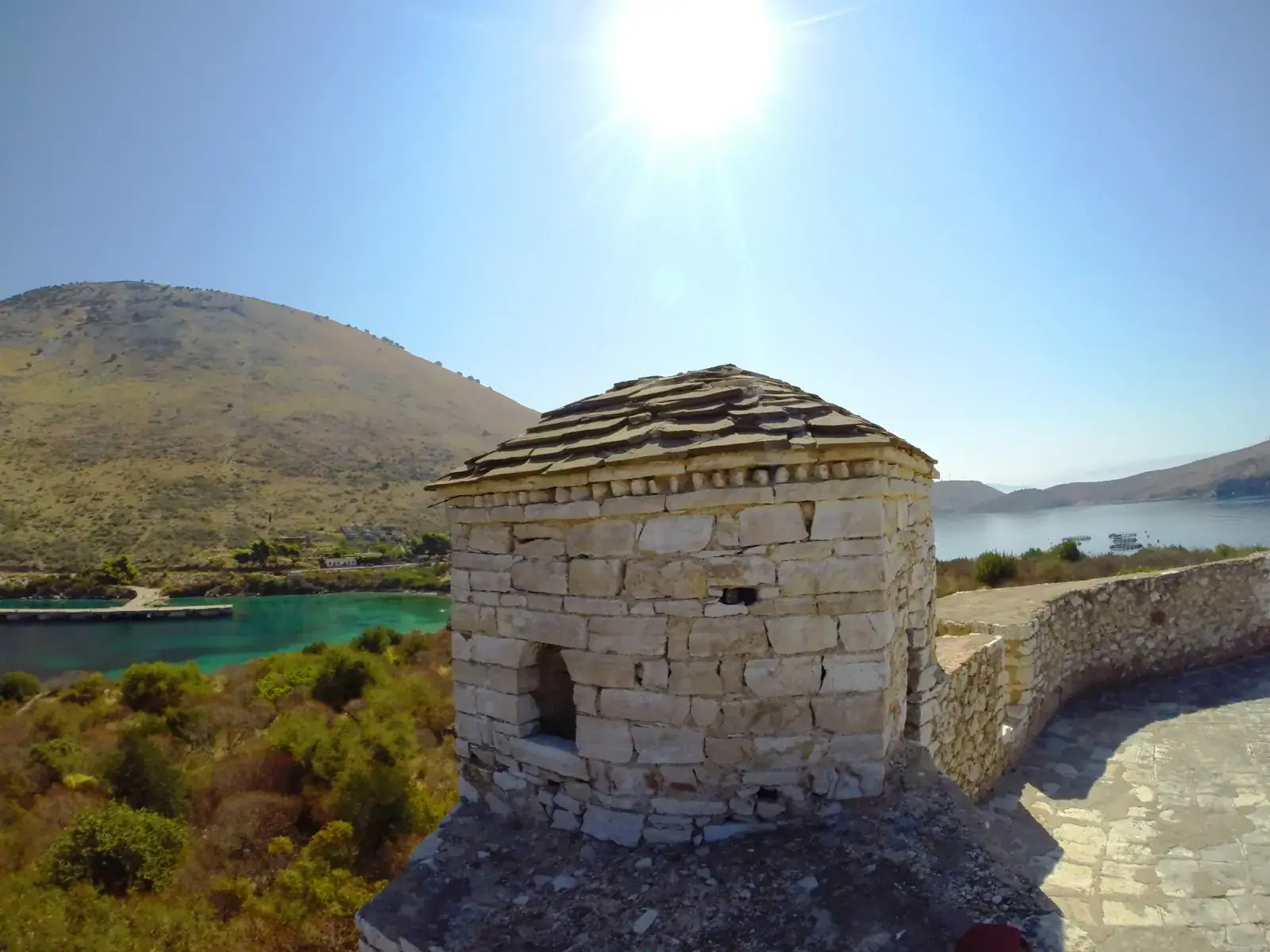
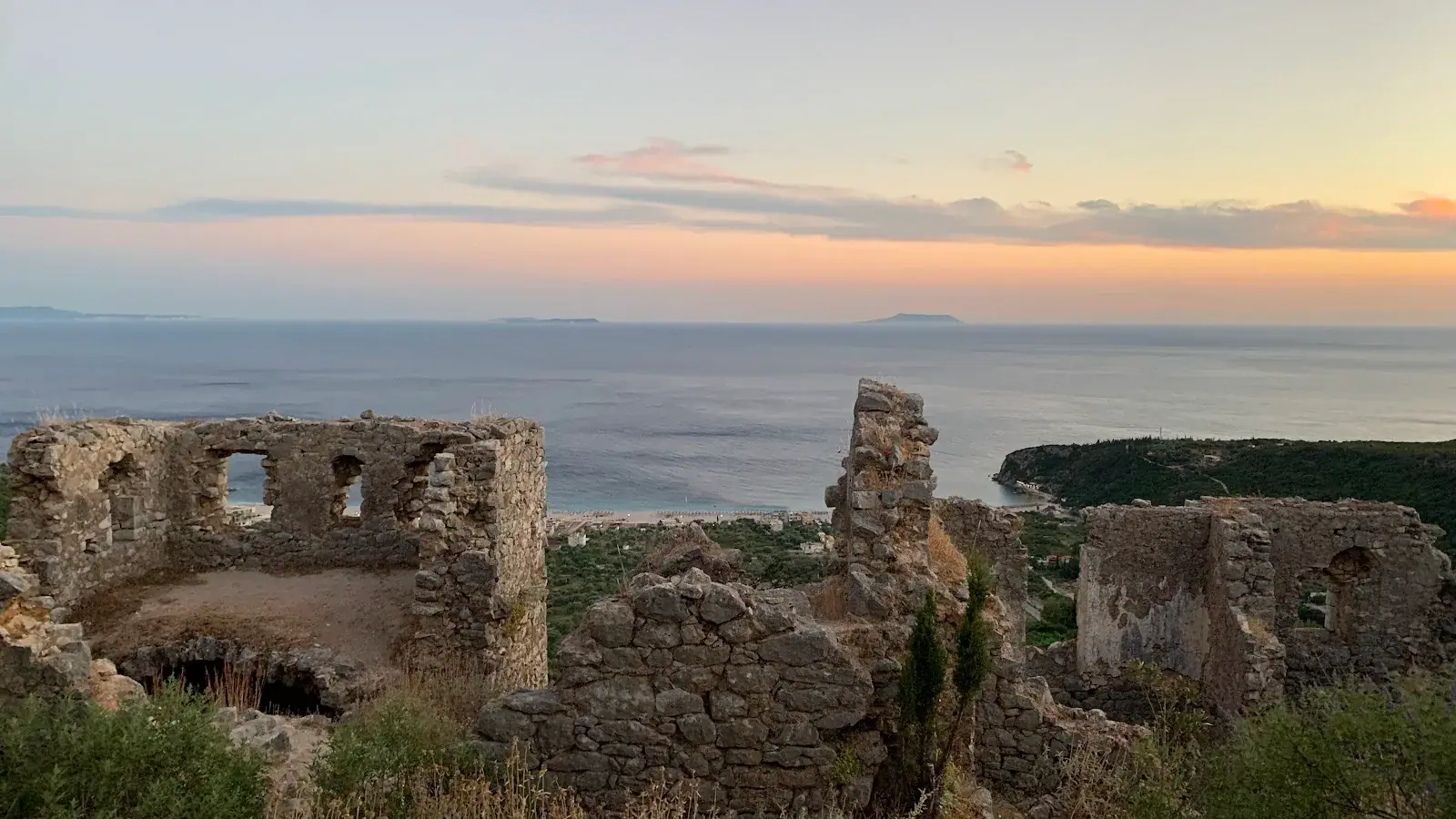
Borsh Castle (Albanian: Kalaja e Sopotit, Greek: Κάστρο του Σόποτου), historically known as Sopot Castle, sits on a rocky hilltop 500 meters above sea level overlooking Borsh Beach, Albania's longest stretch of sand at 7 km. The fortification has been continuously occupied since the 4th century BC, layered by every power that controlled the Ionian coast: Chaonian acropolis, Byzantine stronghold, Venetian outpost, Ottoman fortification under Ali Pasha. It now sits in ruin, free to visit, and the steep uphill hike ends with 360° views over beach, valley, and mountains.
The earliest walls are 4th century BC Chaonian, built by the same Greek tribe that fortified Himara Castle to the north. The Byzantines expanded the fortifications during their long control of the Riviera. Venetian traders left their mark in the 15th century before the Ottomans took it. Ali Pasha rebuilt sections in the early 19th century, the same period as Porto Palermo. The site was abandoned after the Ottoman collapse and has weathered freely ever since, which is what makes it so striking.
Layered stonework where each occupation's walls overlap the previous; the surviving gate arch on the southern approach; ruined Byzantine chapel foundations near the summit; 360° views: Borsh Beach 7 km below to the west, the Borsh River valley inland, the mountains behind. On clear days the view south extends toward Saranda.
Drive south from Himara on SH8 (~20 km, 25 min) or take the Himara–Saranda minibus to Borsh. From the village, a narrow asphalted road climbs partway up; you can drive closer to the castle than the village path, reducing the hike to 15–20 minutes. The final stretch is always on foot over cobblestone, 250 meters of elevation gain over about 1.3 km, no shade.
Early morning (before 9 AM) or late afternoon (after 5 PM). The cobblestone path is exposed and brutal at midday in summer. Combine with Borsh Beach for the afternoon: sunbeds €7–10, several beachfront restaurants.
History, practical tips, and route notes in long form. The article that goes deeper than this page.
Moderate. The cobblestone path gains 250 meters in elevation over about 1.3 km, taking 30–60 minutes one-way. The main challenge is the lack of shade. The exposed hillside is relentless on hot days. Start early or visit in late afternoon. You can drive partway up and reduce the hike to 15–20 minutes.
Yes, free to visit. No gate, no tickets, no fixed hours. The castle sits in open ruin and you can wander freely. Unlike Porto Palermo and Himara Castle, there is no organised access. Bring water and proper shoes; the path is uneven cobblestone for the entire climb.
The earliest fortifications date to the 4th century BC, built by the Chaonian Greeks who controlled this coast. Successive Byzantine, Venetian, and Ottoman occupations rebuilt and expanded the walls over more than 2,000 years. It is one of the oldest continuously used defensive sites on the Albanian Riviera.
Yes, this is the standard itinerary. Hike the castle in the cool morning hours (2–3 hours total), then descend to Borsh Beach for the afternoon. Sunbeds rent for 700–1,000 ALL (~€7–10) and several beachfront restaurants serve fresh seafood. Borsh Waterfall is a 20-minute drive further south for a longer day.
Compare live hotel, apartment, and guesthouse prices near Borsh Castle on the map. Filter by your dates and budget.
Something missing or incorrect? Email us at info@himara.net