Most people don't need a "map image," they need a decision map. This guide turns Himara into practical zones so you know where to stay, where to swim, and how to sequence days without zig-zagging the coast.
If your query is himara map beaches, this is the working model:
- Town zone for easy walking and evening life
- North zone for bigger beach day trips
- South zone for landmarks and quieter coves
- Hill/village zone for cultural context and viewpoints
Himara by zone (fast orientation)
| Zone | Core Places | Best For | Typical Move Time from Town |
|---|---|---|---|
| Town Core | Spile, Sfageio, promenade | No-car stays, easy evenings | 0-10 min walk |
| North Coast | Livadhi, Jale, Dhermi direction | Full beach days | ~10-25 min drive |
| South Coast | Potami, Llamani, Porto Palermo, Borsh direction | Mixed beach + landmark days | ~5-30 min drive |
| Hill/Culture Belt | Old town, castle, nearby villages | Culture, sunset viewpoints | ~15-45 min depending stop |
Zone 1: town core (your default base)
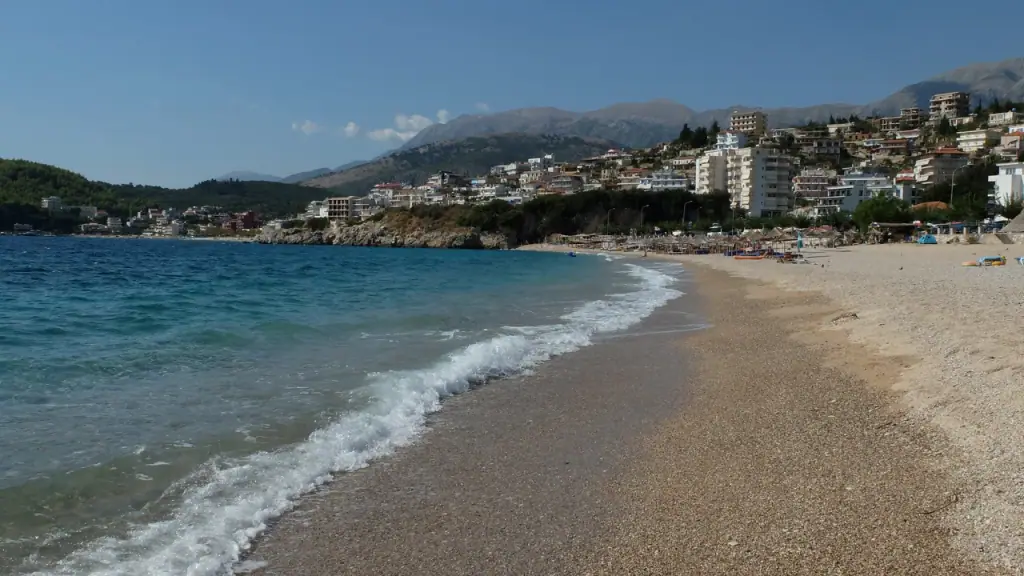
Town core includes Spile and Sfageio waterfront areas plus the promenade strip.
Why it matters
- Most practical base without a car
- Easiest access to restaurants, bars, and daily services
- Fast evening routine (swim -> xhiro -> dinner)
What it is best for
- First-time visitors
- Short stays (2-4 nights)
- Mixed groups with different activity energy
Key link: Himara town beach guide
Zone 2: north coast (beach priority)
This side is where you go when beaches are the main point of the day.
Main north stops:
- Livadhi
- Jale
- Drymades/Dhermi corridor
- Gjipe access routes (further north side logic)
Planning rule
Do one full north day instead of trying to combine north and south in one loop.
Why:
- Better beach time quality
- Less transfer fatigue
- Easier parking rhythm
Useful guides:
Zone 3: south coast (landmarks + quieter mix)
This side combines practical near-town beaches with historic stops.
Main south stops:
- Potami
- Llamani
- Porto Palermo
- Borsh direction
Why south days work well
- Easier blend of swimming and cultural stops
- Strong sunset alternatives to town center
- More flexible half-day formats
Useful guides:
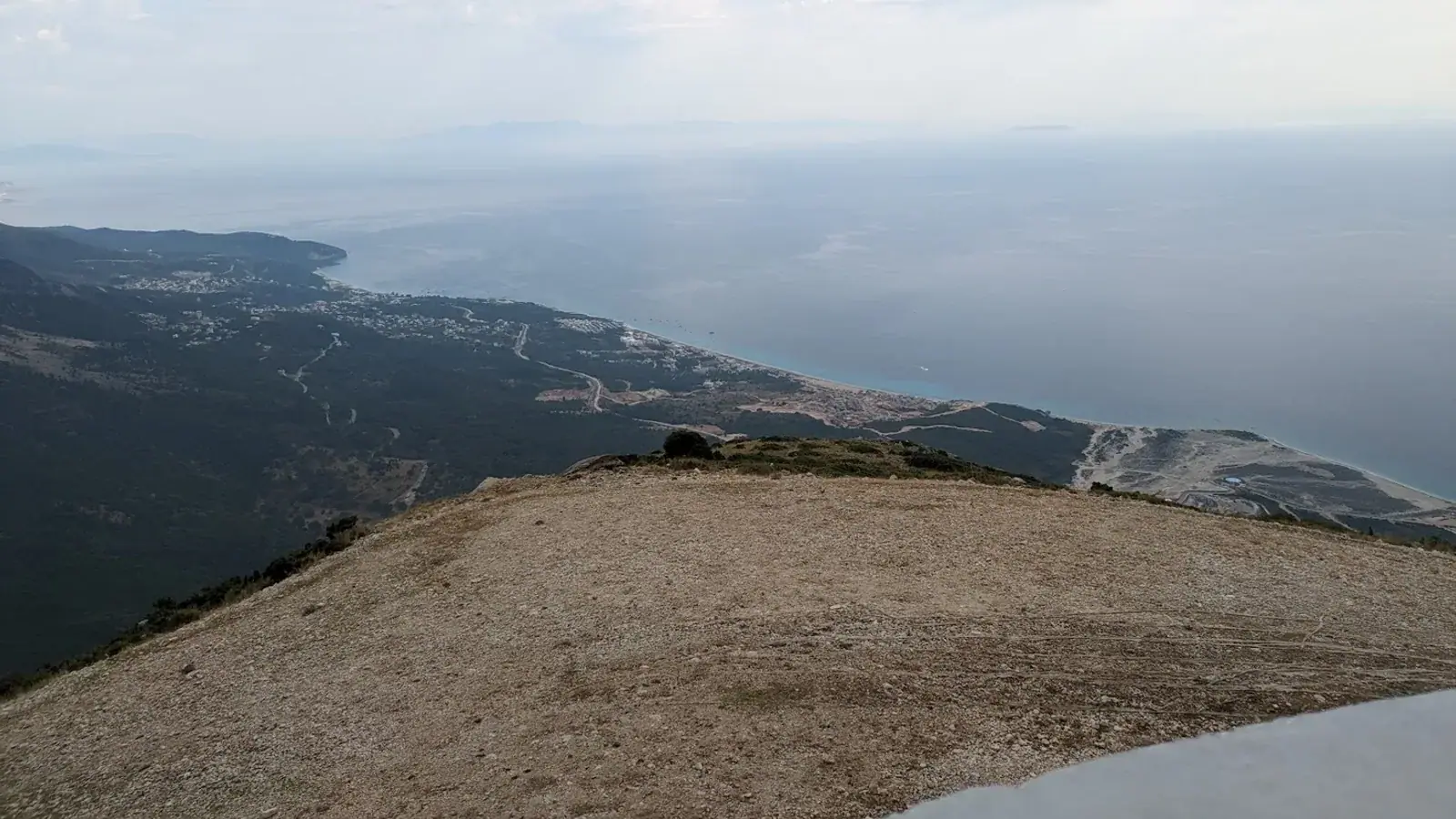
Zone 4: hill + heritage layer
This is the layer many beach-only itineraries miss.
Core elements:
- Himara old town and castle
- Village routes (Vuno/Qeparo side)
- Monastery/church context in wider area
Use this zone for:
- Sunset from elevation
- Cooler-hour walking
- Culture days when sea is rough or windy
Links:
Distance and time matrix
| From Himara Town | Typical Time | Best Mode |
|---|---|---|
| Potami | ~5 min | Taxi, scooter, car |
| Livadhi | ~10 min | Car/scooter/taxi |
| Jale | ~20 min | Car/scooter/taxi |
| Llamani | ~12 min | Car/scooter/taxi |
| Porto Palermo | ~15-20 min | Car/taxi |
| Borsh area | ~25-30 min | Car/taxi |
These are practical, traffic-aware planning bands, not precision stopwatch times.
Best base by traveler type
| Traveler Type | Best Base Zone | Why |
|---|---|---|
| No-car first timer | Town core | Walkability + service density |
| Family with stroller/kids | Town core or Livadhi-side stay | Easier logistics |
| Beach club/social trip | North corridor days + town base | Better evening options |
| Quiet couple trip | South cove pattern + selective town nights | Less crowd pressure |
| Culture + food traveler | Town + hill layering | Better church/old-town access |
3-day map plan (low-fragility)
Day 1: town + castle
- Town swim
- Old town/castle late afternoon
- Promenade dinner
Day 2: north beach day
- Livadhi morning
- Jale or Drymades afternoon
- Return to town evening
Day 3: south day
- Potami/Llamani
- Porto Palermo landmark stop
- Sunset in south bay or back in town
This structure minimizes transport waste and maximizes variety.
7-day map plan (balanced)
- 2 town-core easy days
- 2 north-coast beach days
- 2 south-coast mixed days
- 1 flexible weather/adaptation day
A flexible day is critical. Weather, traffic, and group energy always shift.
Common mapping mistakes
-
Planning all beaches in one direction every day. Split north and south to reduce backtracking.
-
Underestimating transition time. A "quick stop" can consume 60-90 minutes with parking and setup.
-
Ignoring evening return quality. After long beach days, easy-town dinners are often best.
-
Treating Himara like one beach only. The area is a zone system, not a single-strip destination.
Tools you actually need
- Offline maps downloaded before day trips
- Saved pins for parking/trail starts
- One simple daily target list (2-3 core stops max)
For route planning beyond Himara, add Albanian Riviera road trip.
himara map beaches: advanced planning matrix
Use this matrix when your itinerary is still fuzzy. It keeps decisions practical around himara map beaches, not generic travel advice.
| Scenario | Recommended Move | Why It Works |
|---|---|---|
| Short stay (2-3 days) | Keep one base and avoid daily relocations | Reduces transfer waste and improves day quality |
| Medium stay (4-6 days) | Split days by direction (north vs south) | Better route efficiency and less backtracking |
| Connection-heavy trip | Prioritize reliability over tiny savings | Prevents missed links and rushed schedules |
| Budget-sensitive trip | Use free-first daytime structure + selective paid highlights | Keeps experience quality while controlling spend |
For himara map beaches, the highest-value pattern is to plan in blocks: one easy day, one exploration day, and one buffer day. This gives you resilience against weather shifts, transport delays, and energy dips that usually break over-optimized itineraries.
Risk control checklist
- Confirm critical timings one day ahead for transfer-heavy segments.
- Keep one fallback option per day if wind, rain, or crowd pressure changes conditions.
- Carry enough cash for local services even when cards are commonly accepted.
- Avoid stacking multiple major decisions late in the day.
- Protect at least one low-friction evening per two-day block to prevent itinerary fatigue.
Cost and time efficiency notes
Most Riviera trip inefficiency comes from micro-decisions, not major errors: late departures, unnecessary return loops, and overpaying for convenience every day. A better approach is to deliberately choose where convenience is worth paying for and where a slower, lower-cost choice still preserves quality.
When in doubt, optimize for continuity: fewer base changes, cleaner morning starts, and predictable return windows. This consistently improves himara map beaches outcomes more than trying to maximize total stop count.
Conclusion
For himara map beaches planning, think in zones instead of pin overload. Town core for daily ease, north for full beach days, south for mixed landmark days, and hill zone for culture and sunset depth. That map logic gives better trips with less friction.
Frequently asked questions
Is Himara walkable without a car?
Yes in town core. For outer beaches and landmarks, taxi/scooter/car becomes useful.
Should I stay in town or near a specific beach?
Most first-time visitors should stay in town for flexibility, then day-trip to beaches by direction.
Can I do north and south beaches in one day?
Possible, but usually rushed. It is better to split by direction.
What is the best first-day map plan?
Town swim, castle/old town in late afternoon, promenade dinner is a reliable first-day structure.
Is Himara a good base for wider Riviera exploration?
Yes. It is one of the best central bases for mixing beaches, day trips, and cultural stops.