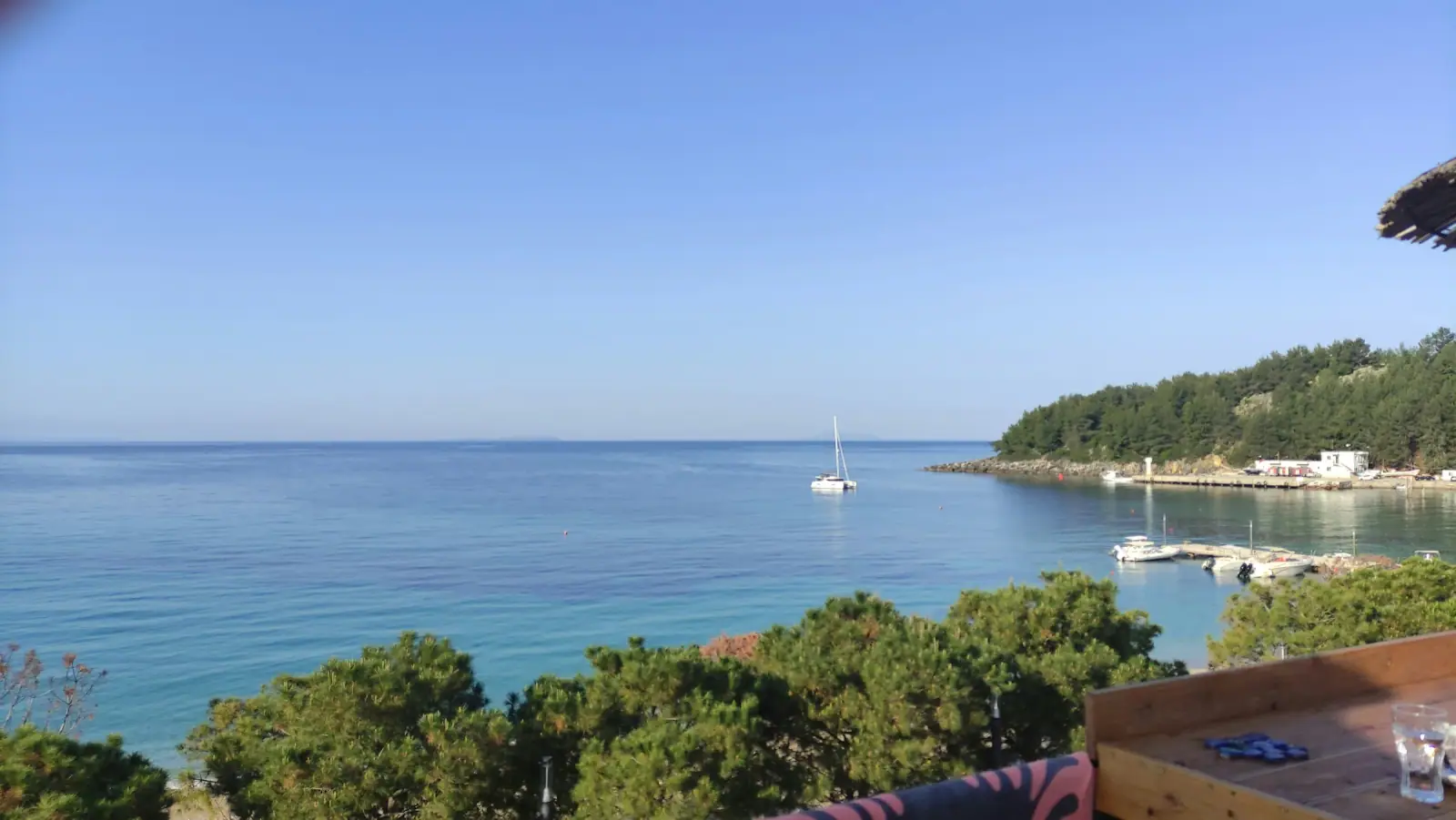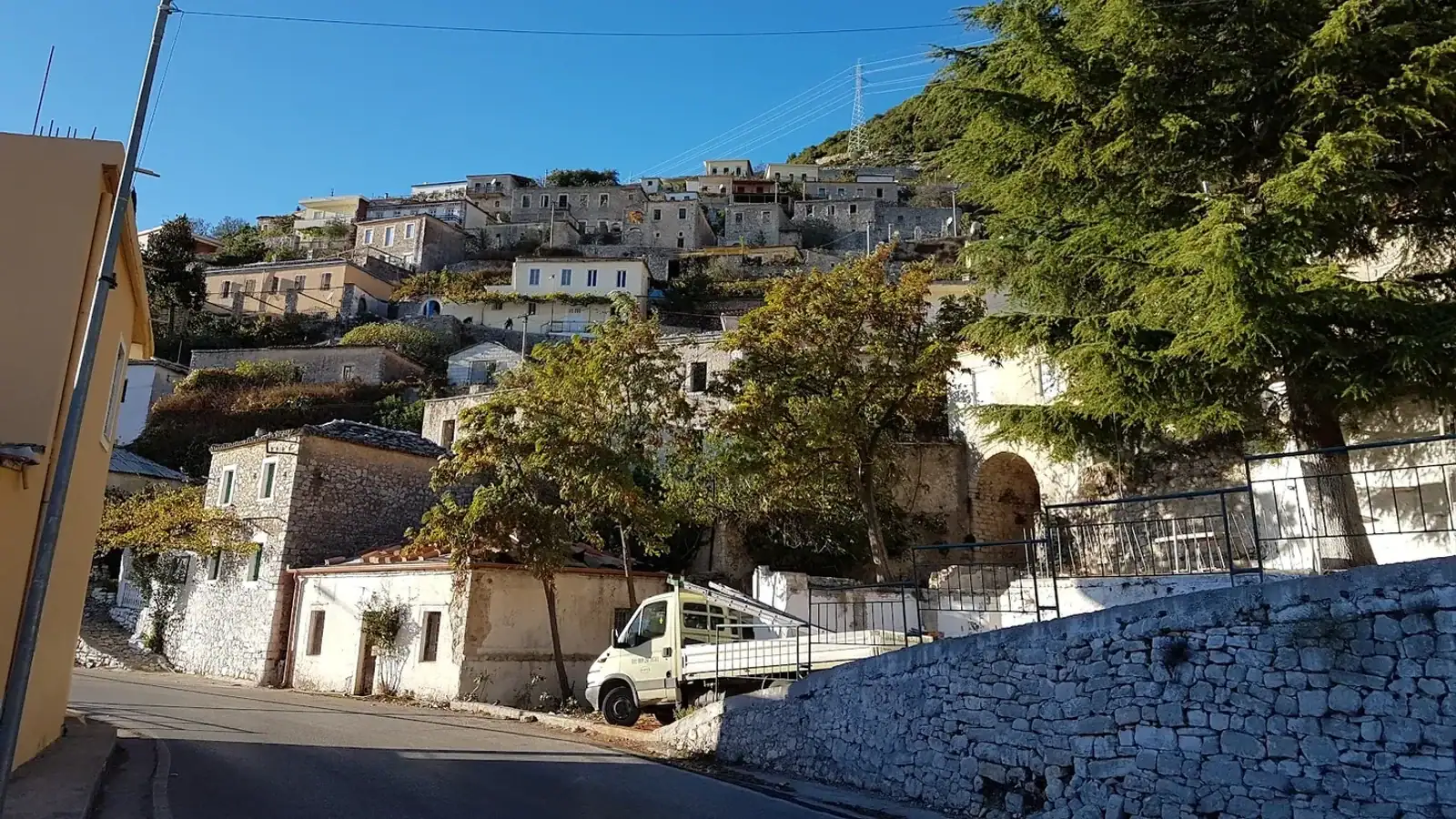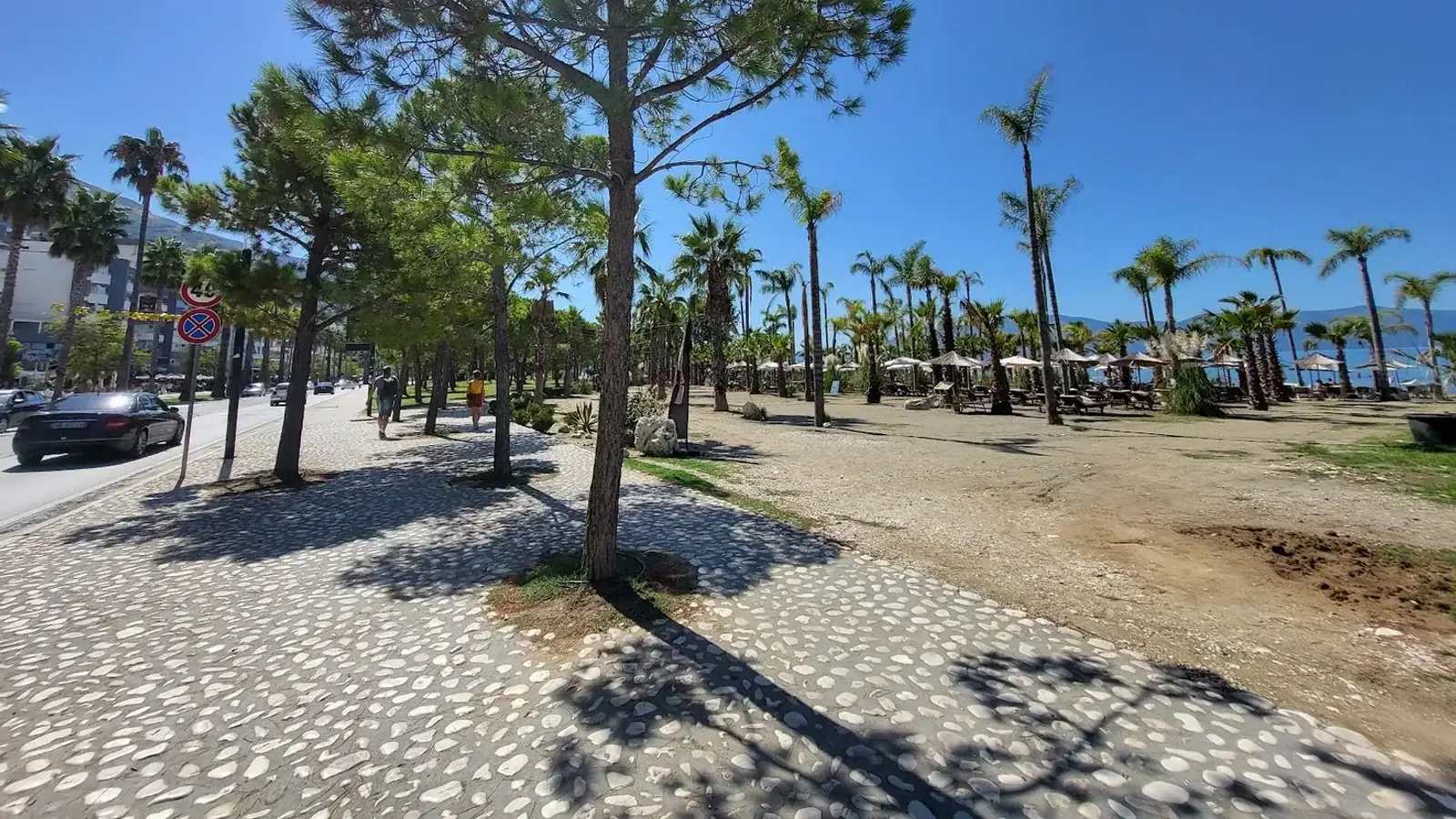
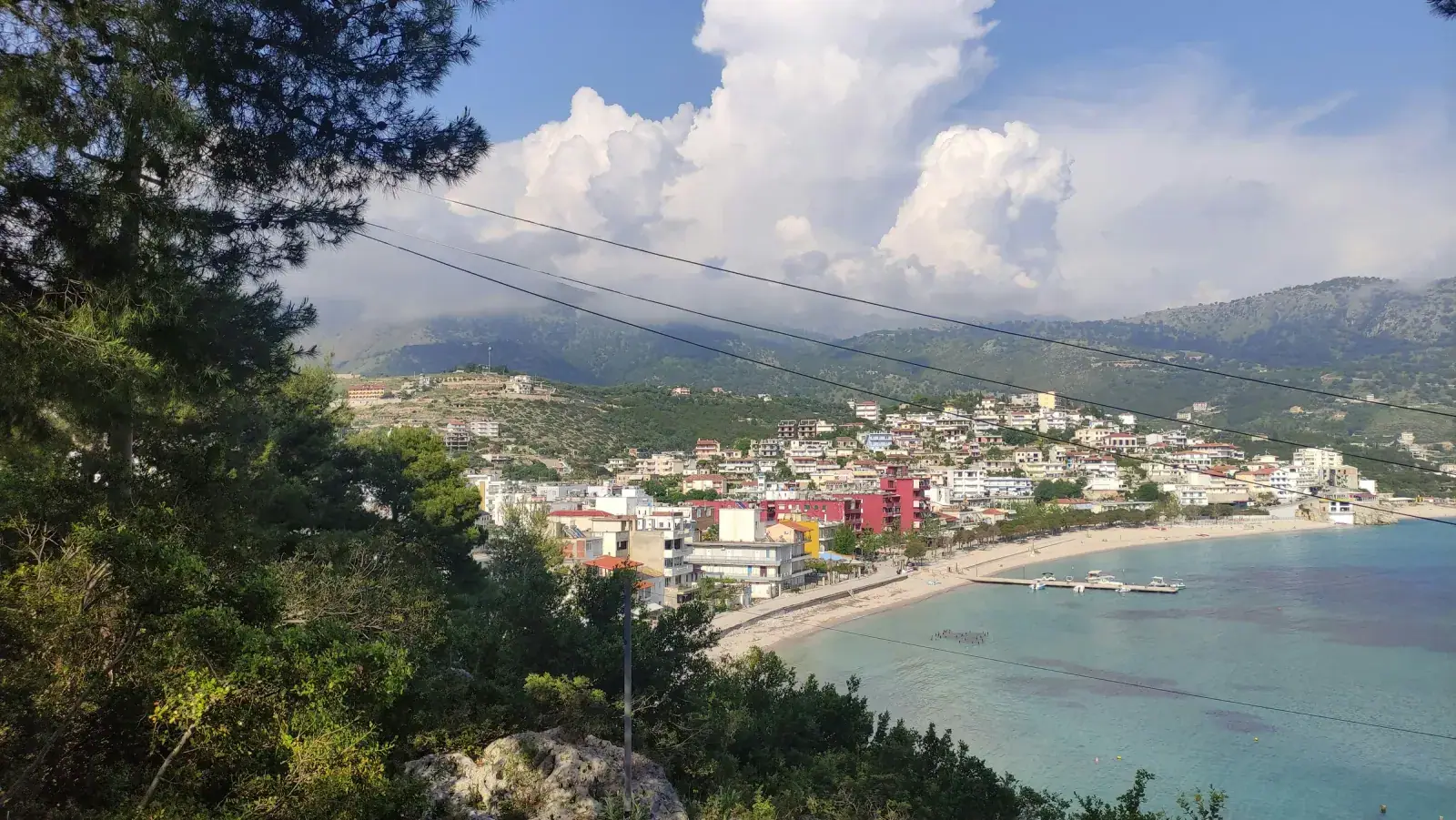
Himara in March is the Albanian Riviera in transition. Winter hasn't fully let go, but spring is starting to push through. Himara in March means milder days than January or February, the first wildflowers appearing on the hillsides, and a handful of additional restaurants and guesthouses testing the waters. The Albanian Riviera is still firmly off-season. Beach bars remain shuttered, boat tours aren't running, and you won't see sunbeds on the sand. But compared to the deep hibernation of midwinter, March feels like a corner being turned.
This guide covers what March actually delivers so you can decide whether this transition month matches what you're looking for.
Compare hotels, apartments, and Vrbo rentals on the map. Powered by Stay22.
Quick March snapshot
| Detail | March Reality |
|---|---|
| Air Temperature | 10-18°C (50-64°F) |
| Sea Temperature | ~15°C (59°F) |
| Rain Days | 8-10 per month |
| Wind | Moderate, decreasing toward month's end |
| Crowds | Almost none |
| Hotel Prices | 2,500-4,500 lek (25-45€) per night |
| Restaurants Open | ~15-25% of summer capacity |
| Beach Bars | All closed |
| Boat Tours | Not running |
| Nightlife | Minimal |
| Wildflowers | Starting to bloom |
| Overall Vibe | Late off-season, spring emerging |
March weather in Himara
March is the month where you feel the shift. It's not warm, not by any beach-holiday standard, but it's noticeably better than February, and the improvement accelerates as the month progresses.
Temperature
Daytime highs range from 10-18°C, with the lower end typical in early March and the upper end appearing during sunny stretches in the second half of the month. You'll get individual days that push toward 20°C and feel like spring has arrived. Then a cold front rolls in and drops you back to 12°C with wind and rain. Nights still cool to 6-10°C. The general trajectory is upward, but March doesn't follow it in a straight line.
Compared to February's consistent 8-14°C ceiling, March gives you more warm days to work with. The difference is felt. A sunny afternoon at 17°C on the Himara promenade feels genuinely pleasant, a different experience from the same walk at 11°C with February wind.
Rain
Expect 8-10 rainy days across the month, fewer than February's 10-12, but still enough to require rain plans. March rain tends to come in shorter, more intense bursts rather than the sustained all-day downpours of deep winter. You'll get more breaks between the wet spells, more hours of usable daylight. The second half of March is typically drier than the first.
Wind
Coastal wind remains a factor, especially in early March. The northwesterlies that make the waterfront raw in winter are still present, though they begin to ease by mid-month. Sheltered spots, the old town's narrow lanes and south-facing cafe terraces, stay comfortable even on windy days. By late March, calm days outnumber windy ones.
Sea temperature
The Ionian sits at roughly 15°C throughout March. This is marginally warmer than February's 14-15°C, but the difference is academic. 15°C water is not swimmable for most people. You'll see the occasional cold-water enthusiast taking a morning dip, but this is a shock-and-exit situation, not a swim. The beaches are empty, free, and physically accessible; the water simply isn't inviting yet.
What to pack: Layers are the key to March comfort. A light jacket for sunny afternoons, a warm fleece for mornings and evenings, a rain jacket, and shoes that handle both cobblestones and trail mud. Throw in a swimsuit only if you're a committed cold-water swimmer. Sunglasses and light sun protection are worth having. March sun can surprise you.
For how March fits into the broader annual picture, see our month-by-month guide to visiting Himara.
Sea temperature and swimming
At 15°C, the Ionian in March is functionally the same temperature as it has been since December. The sea takes longer to warm than the air, and you won't feel a meaningful difference until late April or May.
Can you swim? The same answer as February: technically yes, practically no. The beaches are open and deserted. Nobody will stop you from wading in. But 15°C water combined with air temperatures that might only be 14-16°C means you'll be cold getting in and colder getting out. Unless cold-water swimming is already part of your routine, this isn't a swimming month.
The upside is the scenery. Walking an empty Spile Beach or Livadhi Beach in March morning light, with the Ceraunian Mountains still carrying traces of snow above and the turquoise Ionian below, is arguably more beautiful than the same view crowded with umbrellas in August.
What's open and what's closed
March sits in a slightly better position than February, but don't overestimate the difference. The fundamental reality, that most summer infrastructure is closed, still applies.
What's open
- Town center cafes and bakeries: The year-round core of Himara's food scene operates through March. Coffee, byrek, and simple meals are always available. A few more places may open their shutters compared to February, especially on warm weekends.
- Year-round restaurants: Around 15-25% of summer dining capacity is active, concentrated in the town center. Late March sometimes sees one or two additional tavernas reopening, testing whether the season is coming. The food is local, honest, and cheap. Grilled meats, fresh salads, soups, home-style Albanian cooking.
- Some hotels and guesthouses: Slightly more options than midwinter. Hotel Prado operates year-round, and several family-run guesthouses are available. By late March, a few seasonal properties may begin opening. Always confirm availability directly. Listings don't always reflect reality.
- Mini-markets and pharmacies: Basic supplies and services are available year-round.
- The old town and castle: Always open, always free, and in March nearly always empty. The Himara castle and old town is at its most atmospheric without summer crowds.
What's closed
- Beach bars: Still shuttered. These won't open until late May at the earliest.
- Boat tours: Not running. Operators return to Himara closer to June.
- Most beachfront restaurants: The promenade dining scene is a summer phenomenon.
- Water sports and rental shops: Kayaks, snorkeling gear, and jet ski rentals are seasonal.
- Tour operators: Organized day trips and excursion services haven't started.
- Nightlife: Effectively nonexistent. A couple of bars may be open on weekends, but the summer scene is months away.
The late-March difference
The last week of March can feel meaningfully different from the first. If Easter falls in late March or early April (Orthodox Easter follows a different calendar, sometimes landing weeks after Western Easter), local activity picks up. A few more restaurants may open. Some guesthouses begin preparing for the season. It's subtle, but it signals the direction things are heading. March is when Himara starts thinking about summer, but only thinking.
Things to do in Himara in March
March activities lean heavily toward walking, exploring, and absorbing the quietness. This is not an action-packed month, but it has genuine appeal for the right traveler.
Hiking and coastal walks
March is when hiking near Himara starts to come into its own. Temperatures of 12-18°C on dry days are ideal for walking, warm enough to be comfortable in a single layer, cool enough to handle sustained uphill effort. February hiking is possible but often wet and cold; March gives you more windows of genuinely good trail weather.
Best March options:
- Himara to Vuno coastal path. An 8 km cliff-edge trail above the Ionian. In March, the first wildflowers line the route and you'll likely have it entirely to yourself.
- Gjipe Canyon descent. The 2.5 km trail down to Gjipe Beach is dramatic year-round, and spring rains may still have water running through the canyon.
- Old town and castle loop. A shorter option (1-2 hours) with panoramic coastal views. Free and accessible regardless of conditions.
- Llogara Pass trails. The national park above the coast offers forest walks and mountain paths. March conditions at higher elevation can still be cold and wet, so check before heading up.
Trail caution: Paths can be muddy and slippery after rain. Some sections lack clear markings. Don't hike alone in remote areas without telling someone your route. Check the weather forecast before committing to longer trails.
Wildflower season begins
March marks the start of wildflower season along the Albanian coast. Anemones, wild orchids, and cyclamen begin appearing on hillsides and along trail edges. The Ceraunian Mountains behind Himara go from winter brown to early green. For plant enthusiasts and photographers, this natural transition is one of March's strongest draws. The landscape is waking up in a way that's visible day to day.
Old town and castle exploration
The Himara old town castle complex rewards a slow visit in any month, but March adds a quality that summer cannot: complete solitude. Walk the Ottoman-era lanes, peer into Byzantine churches, and sit on the castle walls overlooking the Ionian with nobody else around. Budget 1-2 hours. Free.
Village visits
Nearby villages like Vuno, Qeparo, and Pilur are accessible by car or on foot and offer a window into rural Albanian life that hasn't changed much in decades. Stone houses, elderly locals in kafenejos, goats on narrow roads, and mountain views. In March, these villages are as quiet as they ever get. Combine a village visit with a coastal drive for a full day.
Llogara Pass drive
The road over Llogara Pass between Himara and Vlora is one of Albania's most spectacular drives. In March, the pass may still have snow at higher elevations while the coast below is mild, a striking visual contrast. Check road conditions first. The pass can be icy after storms, and occasional closures happen in early March. When it's clear, the viewpoints are empty and the scenery is outstanding.
Orthodox fasting period
Depending on the Orthodox calendar, March often falls during Great Lent. This doesn't dramatically affect visitor experience, but you may notice local fasting customs, with some tavernas offering more bean-based and vegetable dishes and quieter social atmospheres on certain days. It's a subtle cultural layer worth being aware of rather than something that changes your plans.
Where to stay in March
Accommodation options in March are limited but improving compared to deep winter.
Year-round options
Hotel Prado remains the most reliable choice, offering heated rooms through winter and into spring. Expect 3,000-4,500 lek (30-45€) per night for a double room, a fraction of summer rates.
Family-run guesthouses in town offer rooms at 2,500-3,500 lek (25-35€) per night. Quality varies. The important questions remain the same as winter: Is there heating? Is hot water reliable? Is the owner actually there?
Late-March openings
By the final week of March, a few seasonal properties may begin opening, particularly if warm weather arrives. This can expand your options slightly but don't count on it. Check and confirm before booking. Booking.com listings don't always reflect whether a property is genuinely operational in the off-season.
Booking tips
- Contact directly. Call or message before booking online to confirm the property is open and heated.
- Negotiate for longer stays. A week in March will get you a significant discount. Owners want any revenue during off-season.
- Stay in Himara town center. Properties near the old town and main road give you the easiest access to whatever is open. Remote beach locations like Dhermi or Jale will have nothing operating nearby.
For comprehensive accommodation guidance, see our where to stay guide and browse current options on our hotels page.
Daily budget in March
March costs are among the lowest of the year, not quite as cheap as January or February (when literally everything is closed), but substantially below any month from May onward.
Budget traveler
| Expense | Cost (ALL) | Cost (EUR) |
|---|---|---|
| Guesthouse (double room) | 2,500-3,500 lek | 25-35€ |
| Coffee (2x) | 200-300 lek | 2-3€ |
| Lunch (taverna) | 500-800 lek | 5-8€ |
| Dinner (taverna, no alcohol) | 800-1,200 lek | 8-12€ |
| Misc (snacks, water) | 200-300 lek | 2-3€ |
| Daily Total | 4,200-6,100 lek | 42-61€ |
Mid-range
| Expense | Cost (ALL) | Cost (EUR) |
|---|---|---|
| Hotel (double room) | 3,000-4,500 lek | 30-45€ |
| Coffee and pastry (2x) | 400-500 lek | 4-5€ |
| Lunch | 700-1,000 lek | 7-10€ |
| Dinner (with wine or raki) | 1,200-1,800 lek | 12-18€ |
| Misc | 300-500 lek | 3-5€ |
| Daily Total | 5,600-8,300 lek | 56-83€ |
As in February, there is no meaningful luxury tier in March. The restaurants with curated wine lists and tasting menus are closed. This is simple food, modest lodging, and low costs, which for many travelers is the point.
For more on stretching your money, see our budget travel guide.
Who should visit Himara in March
March suits a narrow but real audience. You'll enjoy it if you are:
- A hiker wanting trails without heat or crowds. March temperatures are ideal for walking, and you'll have every path to yourself. The improving weather compared to February makes for better and more reliable trail days.
- A remote worker or digital nomad looking for a cheap coastal base. Spend 45-65€ per day on room and meals while working from a cafe overlooking the Ionian. A month costs what a week would in most Western European coastal towns. See our digital nomad guide for WiFi and workspace details.
- A photographer or nature lover. Early wildflowers, spring light, empty beaches, dramatic skies, snow-capped mountains above a turquoise sea. March offers compositions that don't exist in summer.
- A budget traveler on a longer Balkans trip. Himara in March is one of the cheapest coastal stops in Europe, period.
- Someone who genuinely likes empty, quiet places. If your ideal day is a cliff walk followed by a simple meal in a half-empty taverna, March delivers.
Who should NOT visit Himara in March
Be honest with yourself about these:
- Anyone expecting a beach holiday. The water is 15°C, beach bars are closed, and there are no sunbeds. If swimming and sunbathing are the point of your trip, wait until June.
- Nightlife seekers. There is no nightlife. Not reduced nightlife. None. The town is quiet by 9 PM most nights.
- Travelers who need guaranteed sunshine. You might get five sunny days in a row or four rainy ones. If rain ruins your holiday, March is a gamble you shouldn't take.
- Families with young children. Limited restaurant options, cold water, no organized activities for kids, and unpredictable weather make March a difficult sell for families.
- Anyone wanting the "Instagram Albania" experience. The turquoise-water, packed-beach-bar version of the Albanian Riviera doesn't start until late May at the earliest. March is beautiful in a different, quieter, less photogenic-in-the-obvious-sense way.
If March doesn't fit, check our best time to visit guide to find a month that does. February is similar but colder and quieter; April is the next step up in both weather and availability.
March compared to adjacent months
| Factor | February | March | April |
|---|---|---|---|
| Air Temp | 8-14°C | 10-18°C | 15-22°C |
| Sea Temp | 14-15°C | ~15°C | 16-18°C |
| Rain Days | 10-12 | 8-10 | 6-8 |
| Restaurants Open | ~15-20% | ~15-25% | ~30-40% |
| Hotels Open | Very few | Few more | Noticeably more |
| Crowds | None | Almost none | Minimal |
| Wildflowers | No | Starting | Full bloom |
| Hiking Conditions | Often wet, cold | Improving, good dry days | Excellent |
| Best For | Deep off-season solitude | Early spring quiet | Pre-season sweet spot |
| Daily Budget (mid) | 55-78€ | 56-83€ | 65-90€ |
The takeaway: March is measurably better than February, warmer, drier, with more open businesses and the first signs of spring. But it's not yet April, which brings another meaningful step up in both weather and infrastructure. If you want off-season prices with the best possible off-season conditions, April is the stronger choice. If you want the cheapest possible stay with just enough improvement over deep winter to feel like spring is coming, March hits that mark.
Practical information
Check current Albania visa rules for 2026 before booking.
- Getting there: Buses from Tirana operate daily year-round, though winter schedules run fewer departures. The trip takes 5-6 hours. Confirm current times locally before traveling. If driving, the coastal road is open but Llogara Pass conditions should be checked in early March.
- Currency: Albanian lek (ALL). Euros are accepted at most shops and restaurants but you'll get better value paying in lek. ATMs are available in Himara town center.
- Language: Albanian and Greek are both spoken locally. English is understood at hotels and some cafes. Carry a translation app for interactions outside the tourist core.
- Connectivity: WiFi is available at hotels and some cafes. Mobile coverage (Vodafone Albania, ONE) is reliable in town, less consistent in surrounding villages and on mountain trails.
For detailed logistics, see our practical info page.
Planning for a different month?
Himara in February ← | → Himara in April
Full year comparison: Best Time to Visit Himara
Frequently asked questions
Is Himara worth visiting in March?
For the right traveler, yes. March offers improving weather, the first wildflowers, excellent hiking conditions on dry days, rock-bottom prices, and almost no other tourists. It's not a beach month and many businesses remain closed, but if you value quiet exploration and low costs over beach infrastructure, March rewards the visit. Think of it as the month where spring arrives without the crowds that follow it.
What is the weather like in Himara in March?
Expect daytime highs of 10-18°C with nights dropping to 6-10°C. You'll get 8-10 rain days, mostly shorter bursts rather than all-day downpours. The second half of March is generally warmer and drier than the first. Wind is still a factor, especially early in the month. It's not beach weather, but sunny days feel genuinely pleasant for walking and exploring the coast.
Can you swim in the sea at Himara in March?
The Ionian Sea is about 15°C in March, which is too cold for comfortable swimming. The beaches are open and free, but the water temperature makes anything beyond a quick dip unrealistic for most people. Dedicated cold-water swimmers may enjoy it; everyone else should wait until late May or June when the sea reaches 20°C and above.
Are hotels and restaurants open in Himara in March?
A small core of year-round hotels and guesthouses operates through March, with a few more opening by late March. Expect 15-25% of summer restaurant capacity, concentrated in the town center. You will not go hungry, but choices are limited. Always confirm accommodation is genuinely open before booking, as online listings can be misleading during the off-season.
How does March compare to April for visiting Himara?
April is better by most metrics: warmer air (15-22°C vs 10-18°C), warmer sea (16-18°C vs 15°C), fewer rain days (6-8 vs 8-10), and roughly double the restaurant options. April also brings full wildflower bloom and near-perfect hiking conditions. March is cheaper and emptier, but April offers a noticeably more comfortable and varied experience while still being well below summer prices.