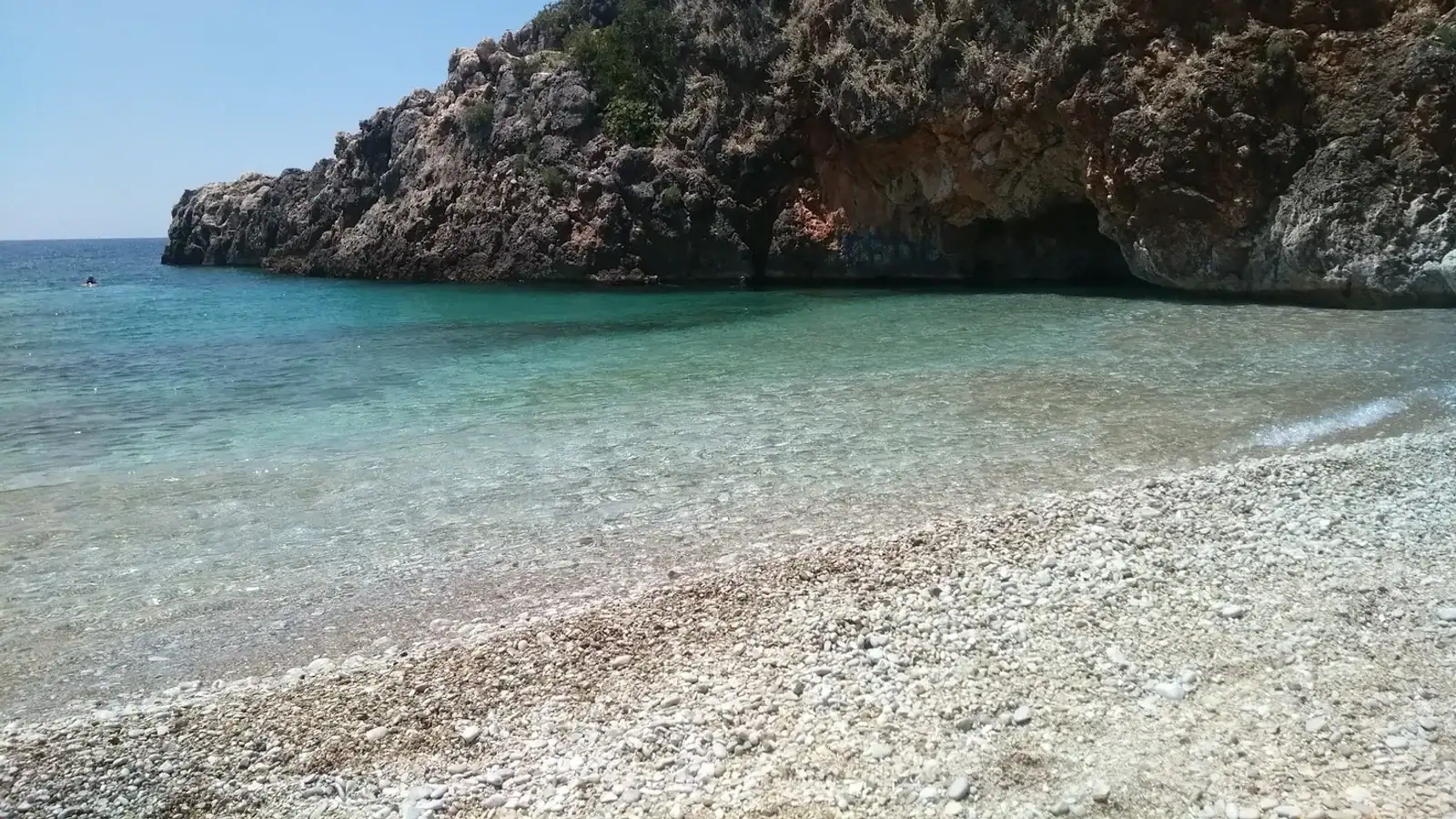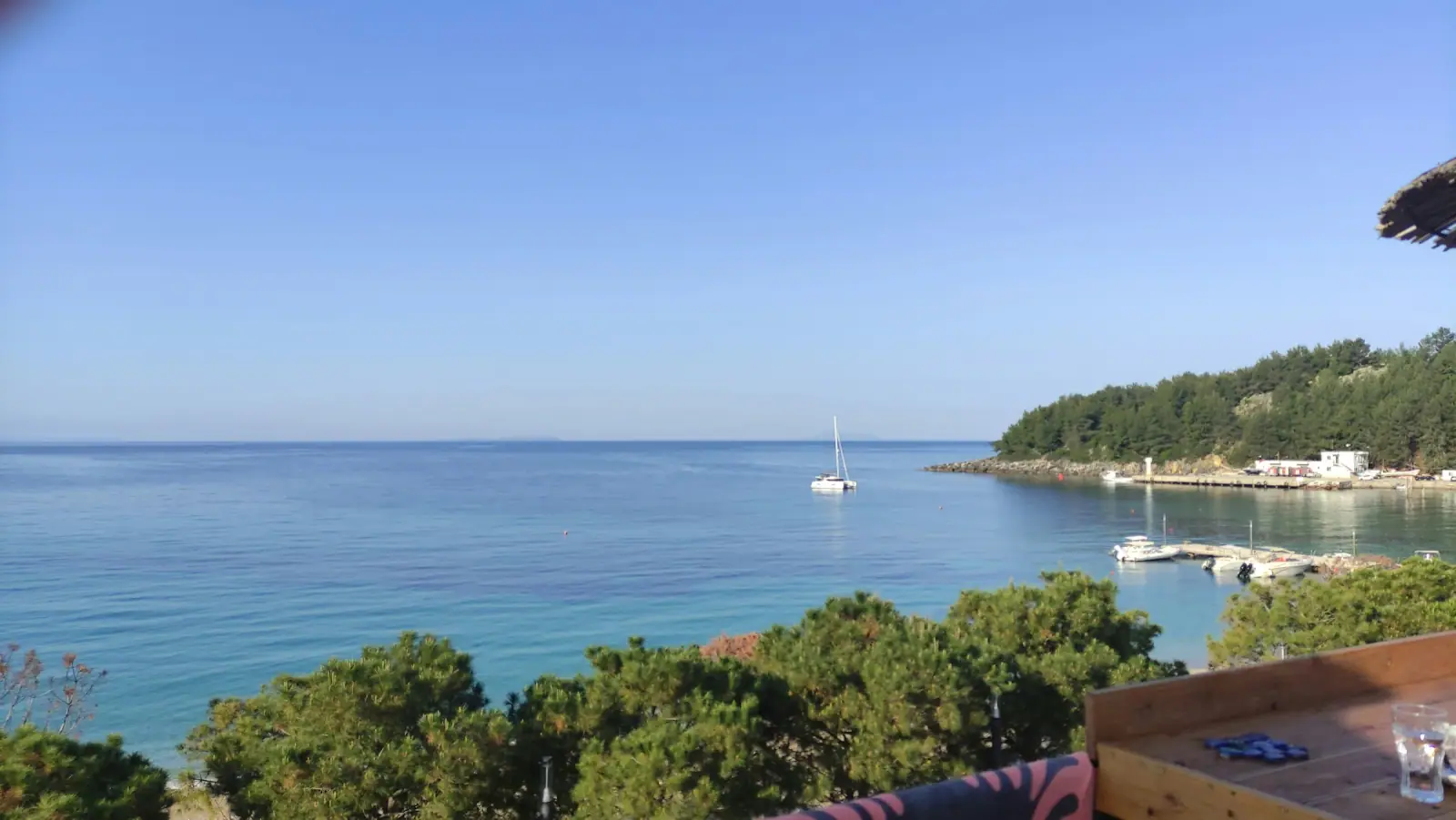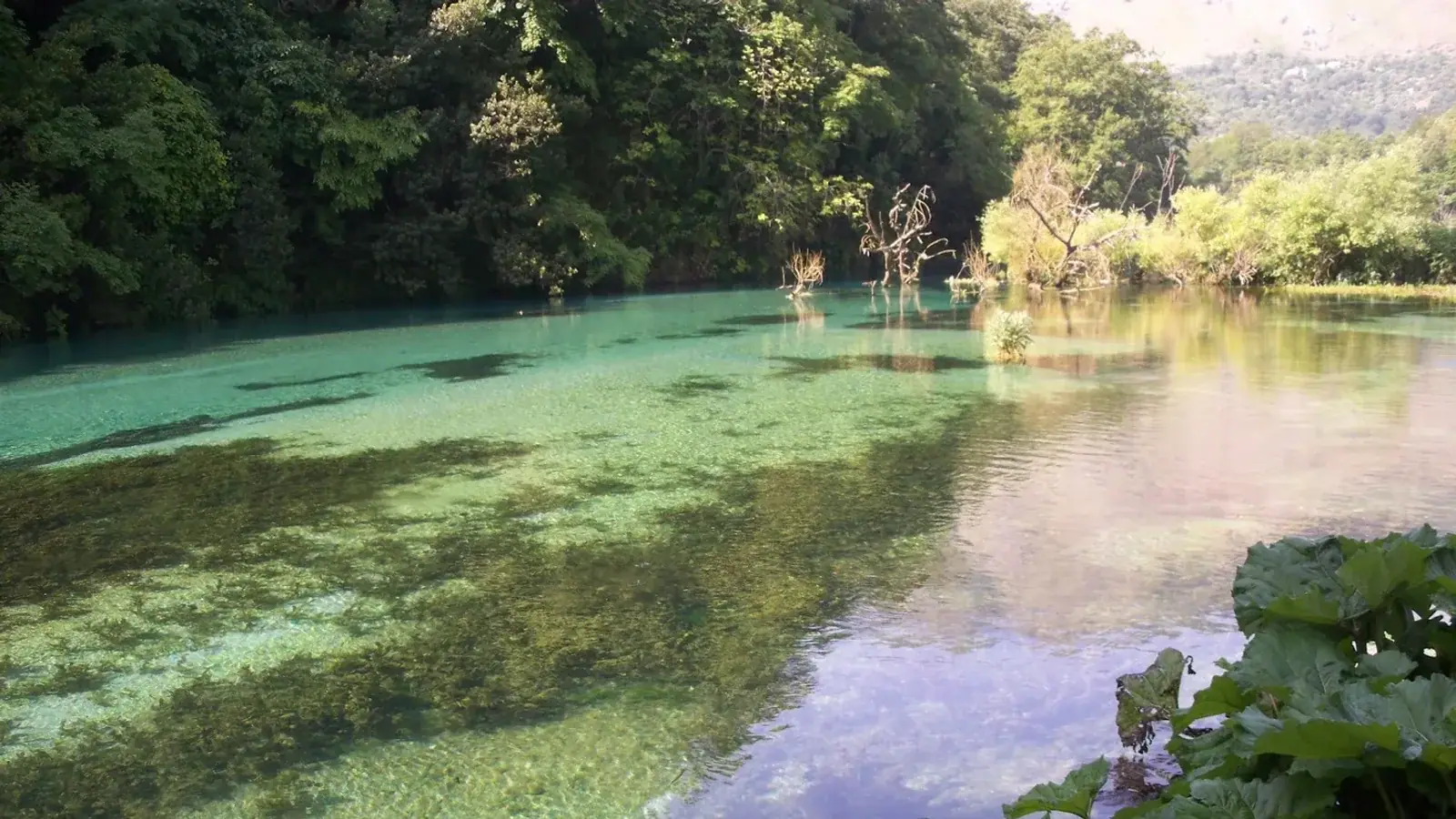
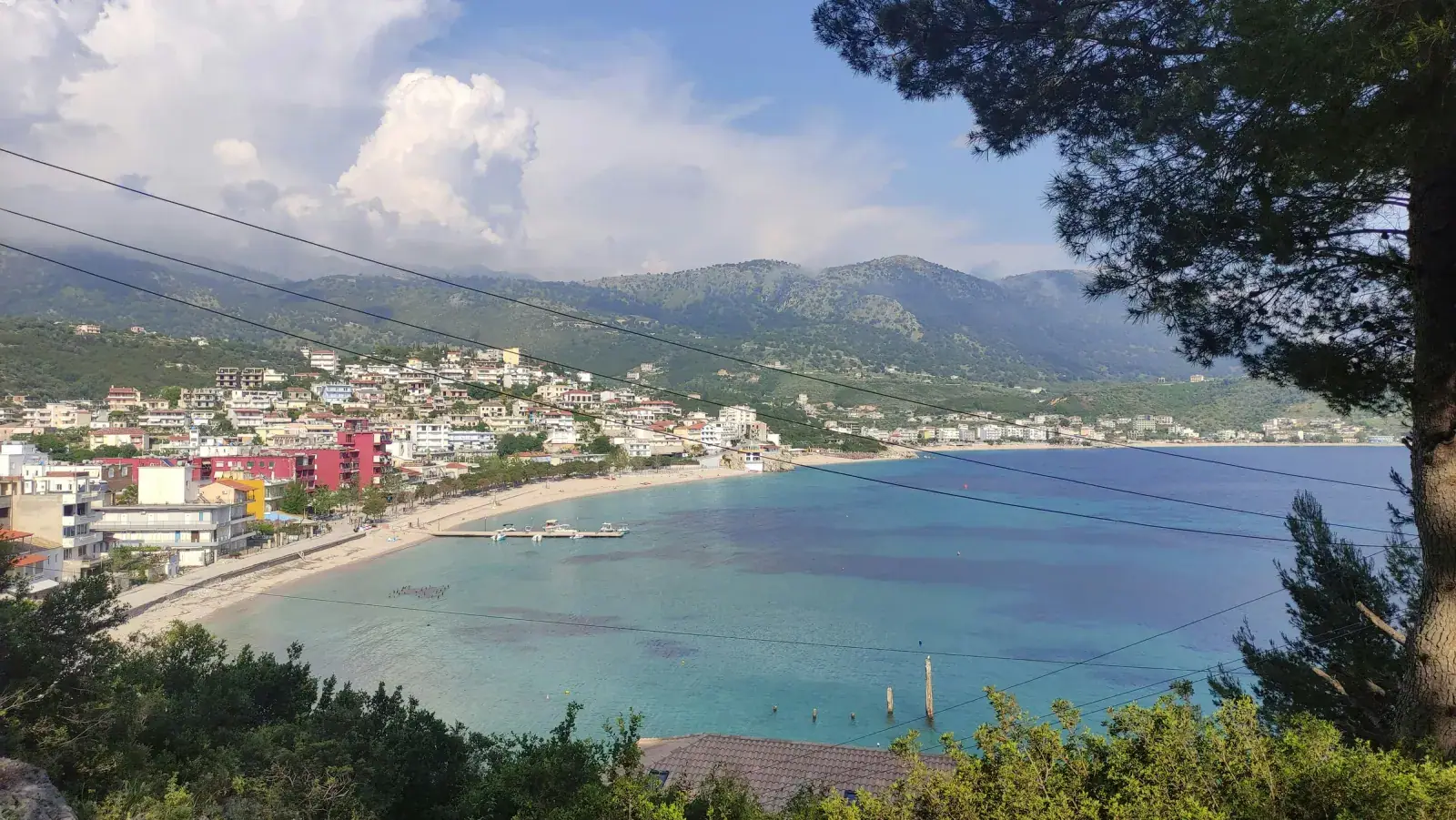
Himara is one of the most beautiful places you could park yourself with a laptop. Turquoise Ionian water, fresh seafood for lunch, and a cost of living that makes your remote salary feel enormous. The Albanian Riviera is one of the best value-for-lifestyle locations in Europe.
Compare hotels, apartments, and Vrbo rentals on the map. Powered by Stay22.
Quick Overview
| Detail | Info |
|---|---|
| Average Wi-Fi speed | ~19 Mbps (cafes and apartments) |
| 4G mobile data | 30-40 Mbps (Vodafone/ONE) |
| Monthly cost of living | 800-1,200€ |
| Timezone | CET (UTC+1) / CEST (UTC+2) in summer |
| Visa | US citizens: 1 year visa-free. Others: Digital Nomad "Unique Permit" available |
| Nearest airport | Tirana (TIA), 4-5 hours by car |
| Best months | May-June, September-October |
| Coworking spaces | None (nearest in Saranda) |
Digital Nomad Himara: Internet & Connectivity
This is the first question every remote worker asks, so let's address it directly. Himara's internet is workable but not fast by Western European standards.
Most apartments and cafes offer Wi-Fi speeds around 19 Mbps download, which is enough for video calls, screen sharing, and general productivity. It's not enough for uploading large video files or running bandwidth-heavy workflows without patience. Speeds vary by location and time of day, evenings are slower when everyone in the neighborhood is streaming.
Mobile data is your best backup. Albanian 4G regularly hits 30-40 Mbps through Vodafone and ONE, the two main providers. In practice, many nomads use mobile data as their primary connection and apartment Wi-Fi as the fallback, not the other way around.
SIM Cards & Data Plans
Pick up a SIM card when you arrive. It takes five minutes at any Vodafone or ONE shop. You'll need your passport.
| Plan | Provider | Data | Validity | Price |
|---|---|---|---|---|
| Tourist Pack | Vodafone | 100 GB | 21 days | ~29€ |
| Monthly plan | Vodafone/ONE | Various | 30 days | 10€-20 |
eSIM options like Saily are also available if your phone supports them, useful if you want to set up before arriving. The 100 GB Vodafone Tourist Pack at 29€ is the best value for nomads who'll be tethering their laptop regularly.
Fixed internet in longer-term apartments runs about 18€/month through local ISPs. Ask your landlord what's included, many furnished apartments come with Wi-Fi already set up.
For more on SIM cards and connectivity logistics. Check the practical info guide.
Work-Friendly Cafes
There's no dedicated coworking space in Himara. The nearest is in Saranda, about 1.5 hours south. What Himara does have is a handful of cafes where you can camp out with a laptop without anyone giving you side-eye.
Café Ionian and The Pirate Bar are popular choices among nomads, known for their good Wi-Fi and welcoming ambiance.
Kafe Pasticeri 1928 is the closest thing to a nomad workspace. It's a well-established cafe in the center with reliable Wi-Fi, indoor seating, and a steady flow of coffee. The espresso runs about 1€, and nobody rushes you out.
Butterfly Cafe sits near the Old Town with views over the bay. It's quieter than the promenade spots, which makes it better for focused work. The setting is distracting in the best way, you'll look up from your screen and see the Ionian stretching out below.
Hercules on the promenade is a solid option for the afternoon shift. Good Wi-Fi, sea views, and easy access to food when you need a lunch break without going far.
The boulevard cafes along the main promenade work for lighter tasks, emails, messages, calls. They get noisier in the afternoon as the town wakes up, so front-load your deep work in the morning.
A few ground rules: buy something every couple of hours, don't monopolize a four-top during lunch rush, and tip a little extra if you're taking up space for half the day. Nobody in Himara has formalized cafe-as-office culture, so being a good guest goes a long way.
Cost of Living
This is where Himara shines for remote workers. Your money stretches further here than in almost any comparable Mediterranean setting.
Himara vs Other Nomad Destinations
| Destination | Monthly Cost (EUR) |
|---|---|
| Himara, Albania | 800€-1,200 |
| Tirana, Albania | 1,000€-1,500 |
| Tbilisi, Georgia | 800€-1,500 |
| Bali, Indonesia | 1,500€-2,000 |
| Lisbon, Portugal | 1,500€-2,000+ |
Monthly Breakdown
| Expense | Monthly Cost (EUR) |
|---|---|
| Rent (furnished apartment) | 300€-500 |
| Food (mix of cooking and eating out) | 200€-400 |
| Internet (fixed line) | ~18€ |
| Utilities (electricity, water) | ~100€ |
| Mobile data (SIM) | 10€-30 |
| Coffee & cafe working | 30€-60 |
| Total | ~660€-1,110 |
A comfortable digital nomad lifestyle in Himara runs roughly 800€-1,000/month. That includes a decent apartment, eating out regularly, reliable internet, and enough left over for weekend beach hopping and the occasional boat tour.
The food alone makes it worthwhile. A full restaurant lunch costs 5€-10. Espresso is under 1€.50. A seafood dinner with wine on the promenade is 15€-20. You can eat extremely well here without it denting your budget. Check the restaurant guide for specific recommendations.
For daily costs in detail, read our Himara on a budget guide.
Accommodation for Longer Stays
Short-term tourist pricing and long-term nomad pricing are completely different in Himara. If you're staying a month or more, you have leverage.
Airbnb monthly rates are the easiest starting point. Expect 300€-500/month for a furnished studio or one-bedroom in the off-season, that's a place with Wi-Fi, a kitchen, air conditioning, and usually a balcony. Some listings drop below 300€ for basic apartments further from the water.
Seasonal variation is dramatic. That 350€/month apartment in October might cost 900€-1,200 in July and August. Summer prices can hit 2-3x the off-season rate, and many landlords prefer short-term tourist bookings during peak months anyway.
Off-season (October-May) is where the real deals are. Landlords are happy to lock in a reliable tenant for the quiet months. Negotiate directly, message Airbnb hosts and ask about monthly discounts, or look for "for rent" signs in town. Locals sometimes offer apartments that never make it onto booking platforms, and those tend to be cheaper.
The best strategy: arrive in September or October, rent short-term for a week while you look around, then lock in a monthly rate for the winter. You'll find better places at better prices than anything available online.
Albania's Digital Nomad Visa
Albania has made it remarkably easy for remote workers to stay legally.
The "Unique Permit" is Albania's digital nomad visa. It grants a 1-year stay, renewable, for remote workers employed by or contracting for companies outside Albania. The income requirement is approximately 817€/month, the lowest threshold of any digital nomad visa in Europe. Application fees range from 25€-100, and you can apply online at e-visa.al.
US citizens don't even need it for the first year. Americans can stay in Albania for up to 1 year visa-free, no application, no fees, no paperwork. Just show up with a valid passport. This makes Albania one of the most accessible long-term destinations for American remote workers, period.
EU citizens can stay 90 days without any visa, then apply for the Unique Permit if staying longer.
Tax considerations: If you stay more than 183 days in a calendar year, you may become an Albanian tax resident. Albania's income tax is a flat 15%, which is competitive, but consult a tax professional about your specific situation and any tax treaties between Albania and your home country.
For broader visa and entry information, see our Albania visa requirements 2026 guide and practical info page.
Community & Social Life
Let's be realistic: Himara is not Lisbon, Bali, or Tbilisi when it comes to nomad community. It's a small town of about 3,000 permanent residents. The digital nomad scene exists but is small and seasonal.
DNA Albania (Digital Nomads Albania) is the main network connecting remote workers across the country. Most activity is concentrated in Tirana, where there are coworking spaces, regular meetups, and a critical mass of nomads year-round. Himara's nomad presence is growing but still thin, you might meet a dozen other remote workers in peak months, fewer in winter.
Facebook groups like "Digital Nomads Albania" and "Expats in Albania" are worth joining before you arrive. They're useful for apartment leads, visa questions, and connecting with people in the area.
The social reality is that your community in Himara will be a mix of other nomads (when they're around), long-term expats, and locals. The town's small size is both a limitation and a strength, you'll become a regular at your cafe within a week, the restaurant owners will remember your order, and you'll develop the kind of easy familiarity that bigger nomad hubs can't replicate.
The nightlife scene is modest but social enough for evening wind-downs. Don't expect co-living events or nomad happy hours, do expect genuine conversations over raki at a waterfront bar.
Best Seasons for Remote Work
Timing matters more in Himara than in most nomad destinations because the town is deeply seasonal.
May-June and September-October are the sweet spot. The weather is warm (22-30°C), the town is alive but not overwhelmed, accommodation prices are reasonable, and all the cafes and restaurants are open. These months give you the full Himara experience, work in the morning, beach in the afternoon, without the peak-season chaos.
July-August works but with caveats. It's hot (35°C+), the town fills with tourists, cafe seating is harder to snag, and apartment prices spike. The upside is maximum social energy and the longest beach days. If you can handle the heat and the crowds, summer has its appeal.
November-April is the quiet season. Most restaurants, cafes, and beach bars close. The town shrinks to its permanent residents. If you're the type who thrives on solitude and doesn't need external stimulation, winter Himara can be productive and incredibly cheap. But you'll be limited to a handful of open cafes, and the social scene effectively disappears.
For detailed seasonal guidance, read our best time to visit Himara guide.
The Lifestyle
Here's what a typical workday looks like in Himara, and it's honestly hard to beat.
Morning: Wake up, walk to a cafe, work for 3-4 hours with espresso and the sea in your peripheral vision. The town is quiet before noon, ideal for deep focus and calls.
Afternoon: Close the laptop. Walk five minutes to Spile Beach or drive ten minutes to a less crowded cove. Swim, read, do nothing. This is the part that sells the lifestyle and it delivers every time.
Evening: The xhiro. Albania's tradition of the evening promenade. The whole town walks the waterfront as the sun drops. Grab dinner at one of the seaside restaurants, meet people, or just sit with a glass of wine and watch the light change over the Ionian.
Weekends: Day trip to Dhermi or Drymades beach. Hike down to Gjipe canyon. Drive to Porto Palermo castle. Take a boat to a hidden cove. The Albanian Riviera has enough within an hour's drive to fill months of weekends without repeating yourself.
It's a simple rhythm, and that's the point. You won't find coworking rooftop parties or nomad networking brunches here. What you will find is an uncluttered life where the work-to-beach pipeline is five minutes long.
Honest Limitations
This section matters. Himara is beautiful, but it's not for every remote worker.
Power outages are real. They happen, sometimes daily, sometimes for hours. Most last 15-60 minutes, but they can knock out your Wi-Fi and interrupt calls. A laptop battery and mobile hotspot are non-negotiable backups. Higher-end apartments and hotels have generators, but budget spots usually don't.
No coworking space. If you need a professional environment, standing desks, meeting rooms, fast fiber, reliable power. Himara doesn't have it. The nearest coworking is in Saranda, and even that's modest. You're working from cafes and your apartment. Period.
Limited nightlife off-season. From November to April, the town is quiet. If you need social stimulation to stay sane, winter in Himara will test you. Summer is fine, there's enough going on to keep evenings interesting. Read more in our nightlife guide.
ATM fees and cash dependency. ATMs sometimes run dry in peak season. International withdrawal fees add up. Card acceptance has improved but many small businesses remain cash-only. Carry backup cash and check our practical info for details.
Healthcare is basic. Himara has a small health center for minor issues. Anything serious means a hospital in Saranda (1.5 hours) or Tirana (4-5 hours). Travel insurance with medical evacuation coverage is essential, not optional.
The airport is far. Tirana International Airport (TIA) is 4-5 hours away by car. There's no quick flight connection. If your work requires frequent international travel, this isolation becomes a real logistical problem. Corfu airport in Greece is closer by sea but requires a ferry and border crossing.
Seasonal closures. Many businesses operate only from May to October. In winter, your choice of cafes, restaurants, and services narrows dramatically. Plan accordingly, and read our things to know guide before committing to a longer stay.
Frequently Asked Questions
Is Himara good for digital nomads?
Yes, with caveats. If you need fast fiber, coworking spaces, and a large nomad community, Himara will disappoint. If you want an affordable, beautiful, low-key base where you can work from cafes in the morning and swim in the Ionian in the afternoon, it's excellent. The internet is workable (19 Mbps Wi-Fi, 30-40 Mbps 4G), the cost of living is among the lowest in Europe, and the quality of life per dollar spent is hard to beat.
How fast is the internet in Himara?
Apartment and cafe Wi-Fi averages around 19 Mbps download, which handles video calls and standard remote work. Mobile 4G through Vodafone or ONE delivers 30-40 Mbps and works as a reliable backup or primary connection. It's not fast enough for heavy uploading or streaming-intensive work, but it covers most remote jobs without issues.
How much does it cost to live in Himara as a digital nomad?
Budget 800-1,200€/month for a comfortable nomad lifestyle. That breaks down to roughly 300€-500 for a furnished apartment, 200€-400 for food, 18€ for fixed internet, and 100€ for utilities. Summer months cost more due to higher rents. The off-season (October-May) is significantly cheaper, with apartments sometimes dropping below 300€/month.
Do I need a visa to work remotely from Albania?
It depends on your nationality. US citizens can stay up to 1 year visa-free with just a passport. For others, Albania offers a "Unique Permit" digital nomad visa, 1 year, renewable, with a minimum income requirement of ~817€/month. It's one of the most accessible and affordable digital nomad visas in Europe. Apply online at e-visa.al.
What is the best time of year to be a digital nomad in Himara?
May-June and September-October offer the ideal balance. The weather is warm, all businesses are open, accommodation is reasonably priced, and the town has enough energy to feel alive without being overwhelmed by tourists. Avoid July-August if you dislike heat and crowds, and be prepared for a very quiet town if you stay through winter.