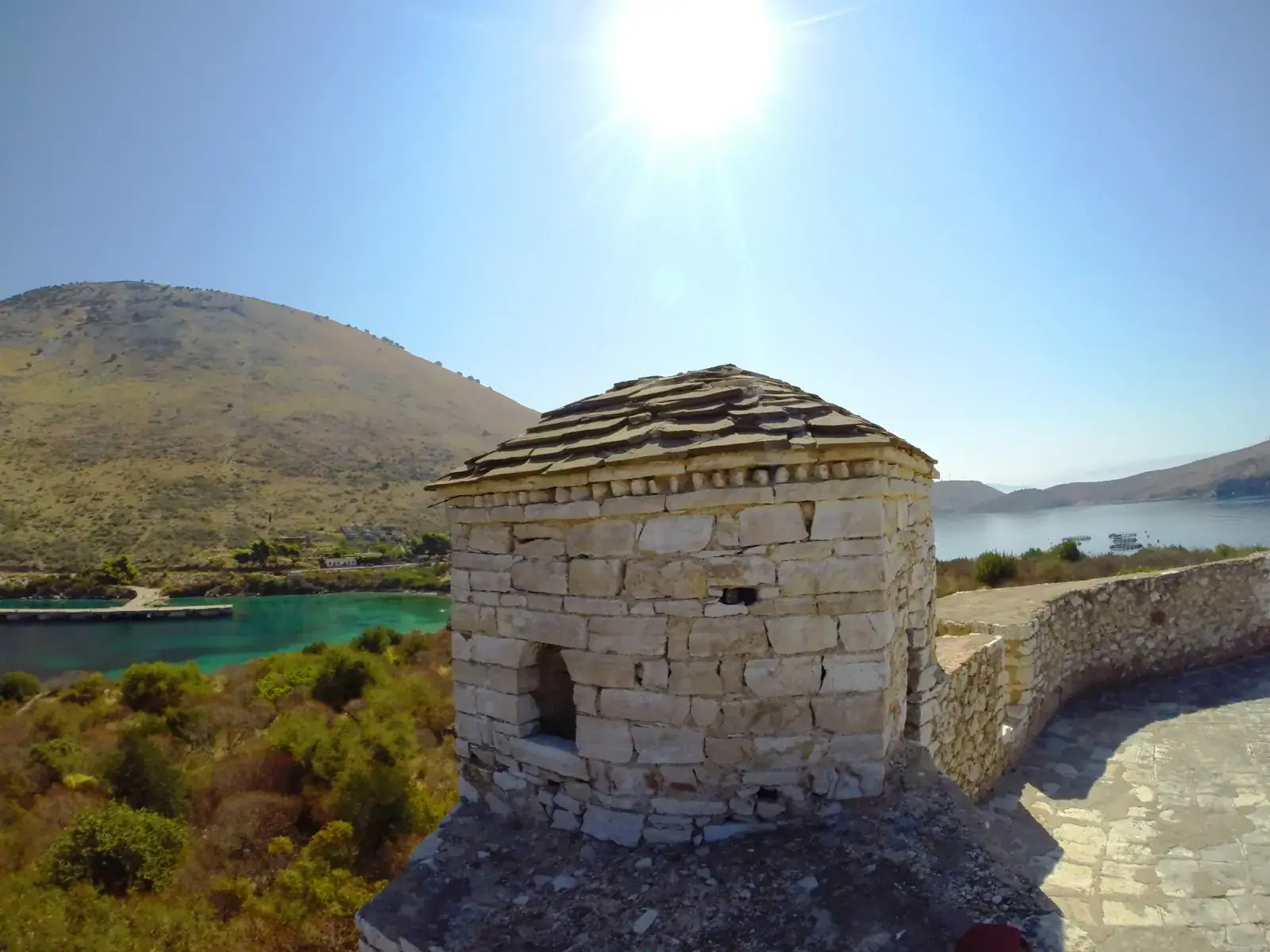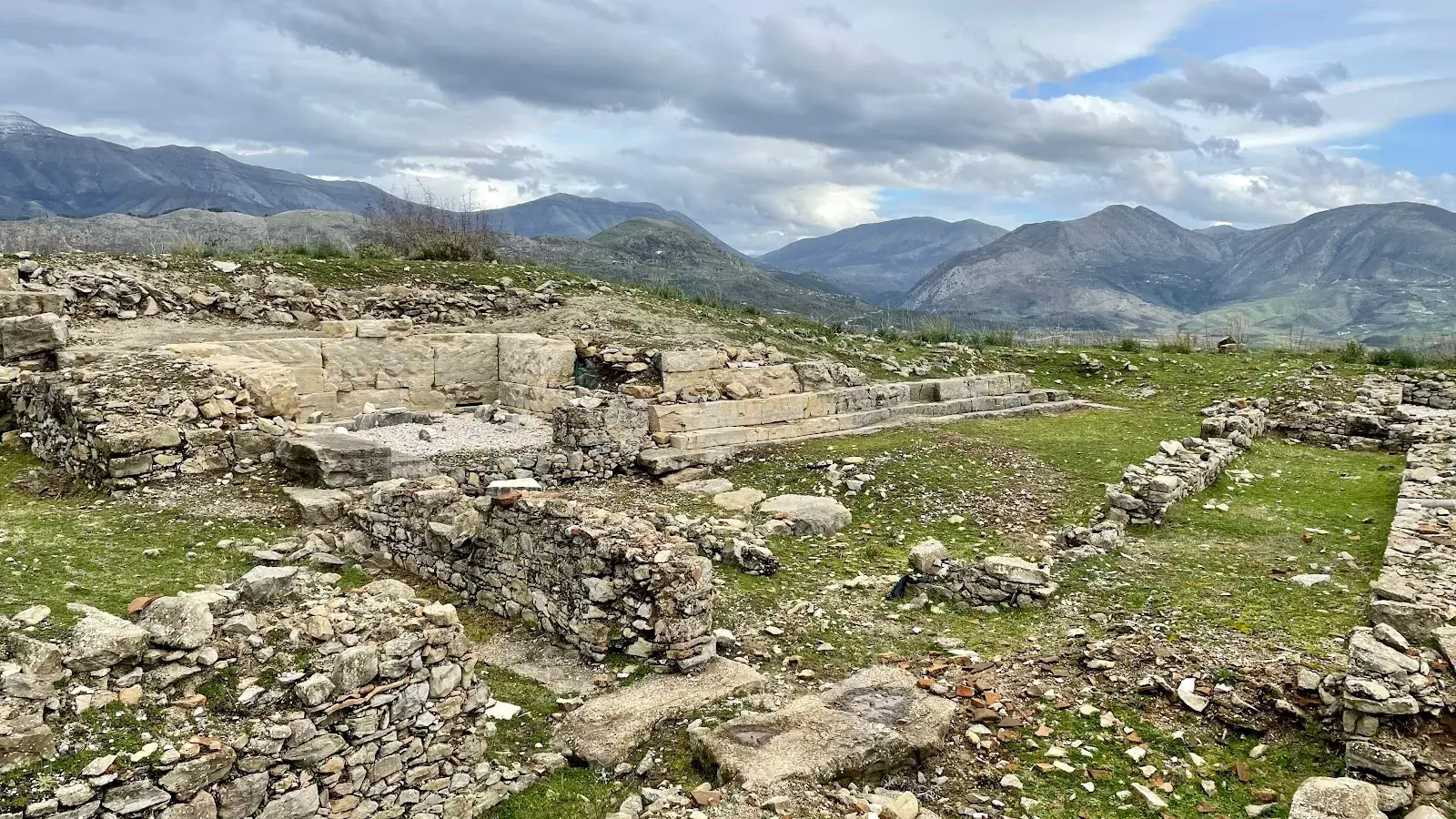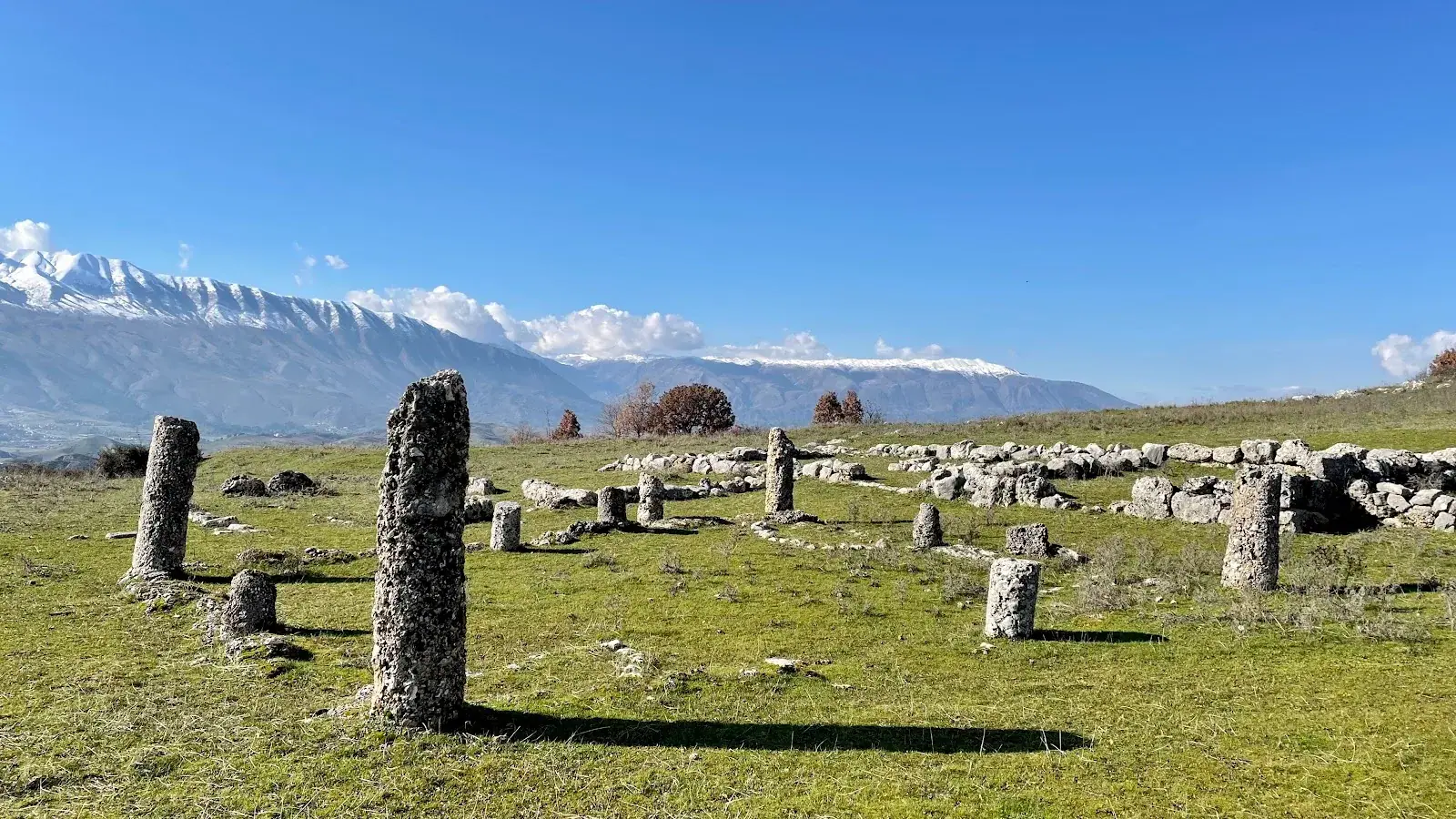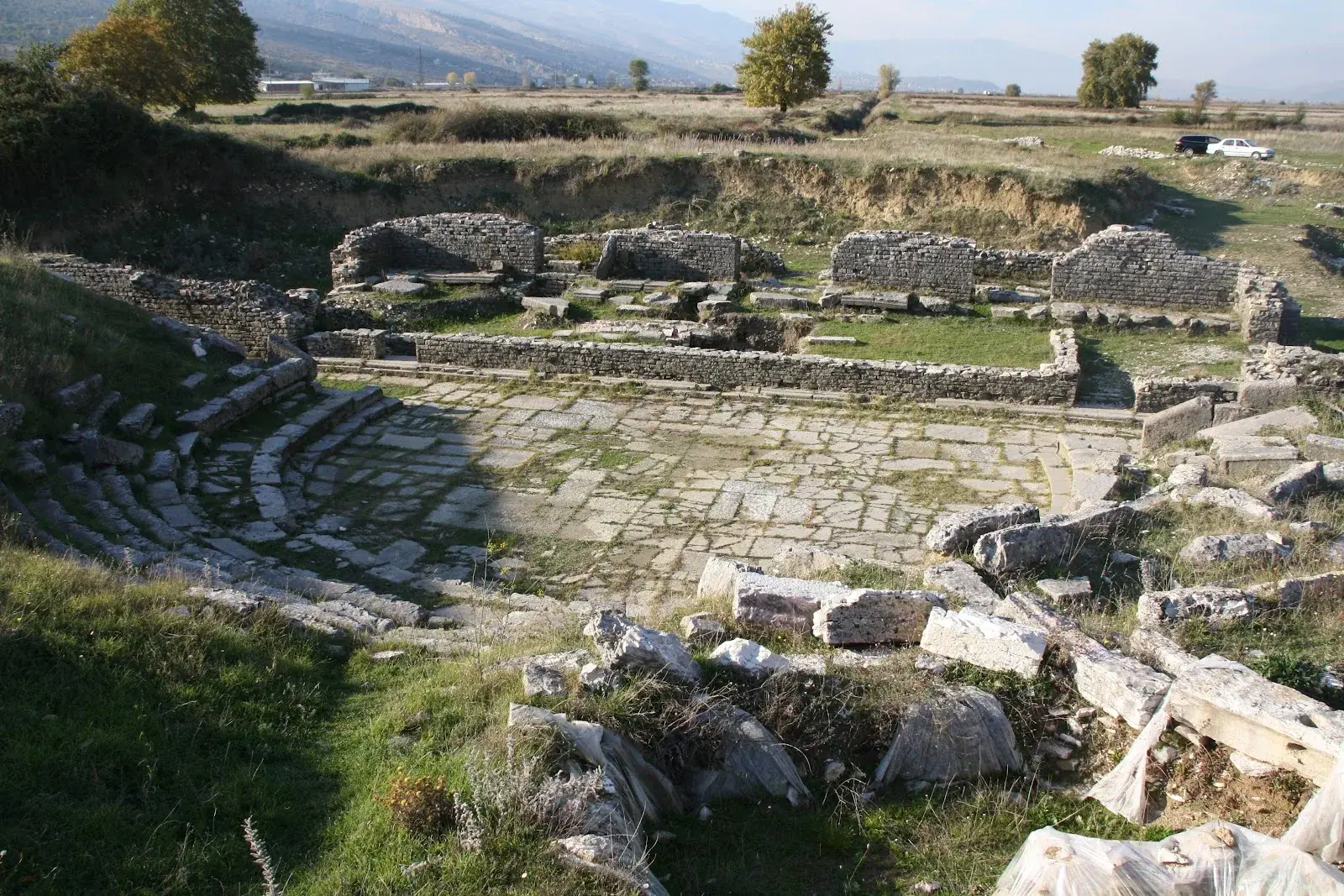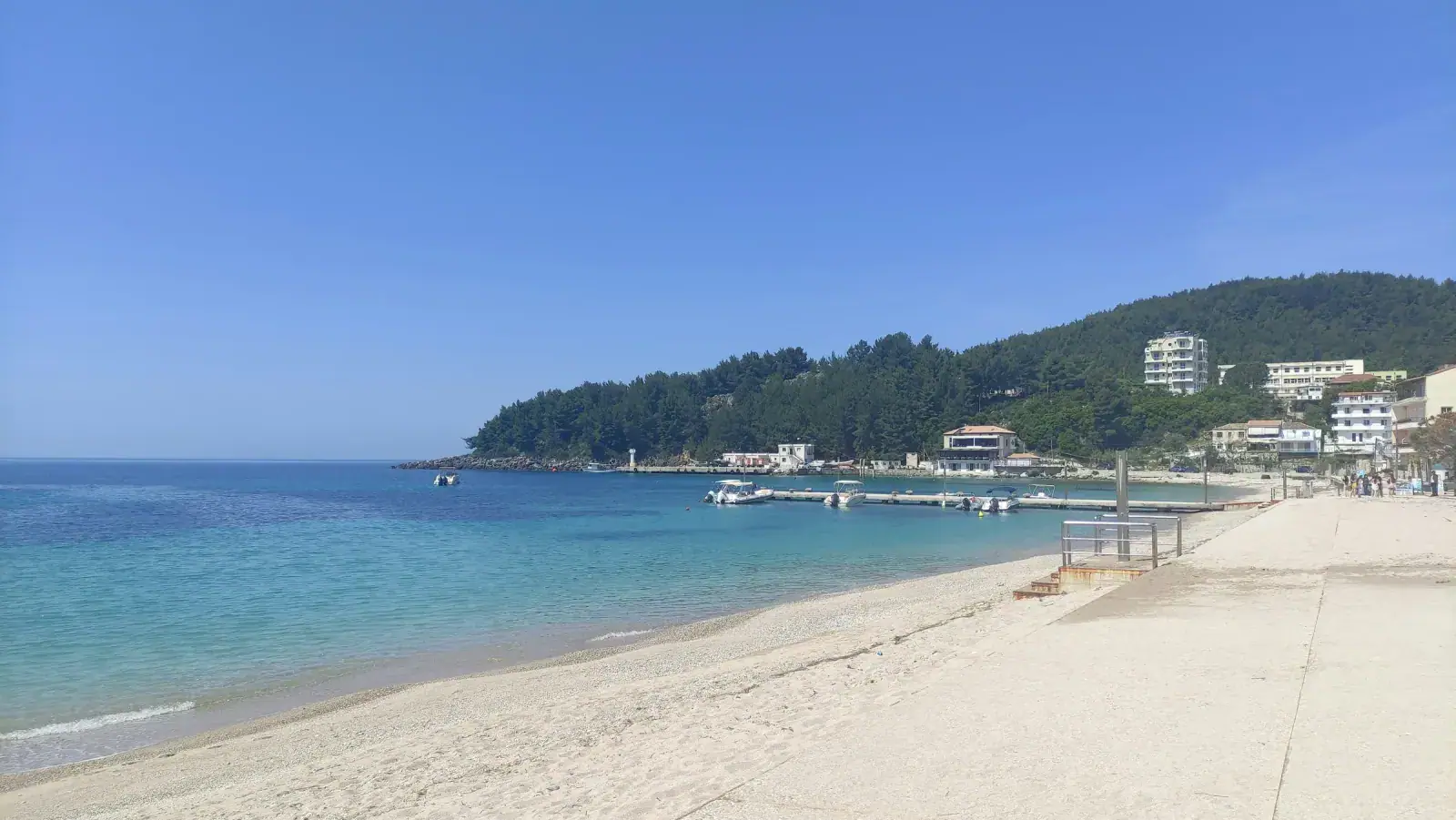
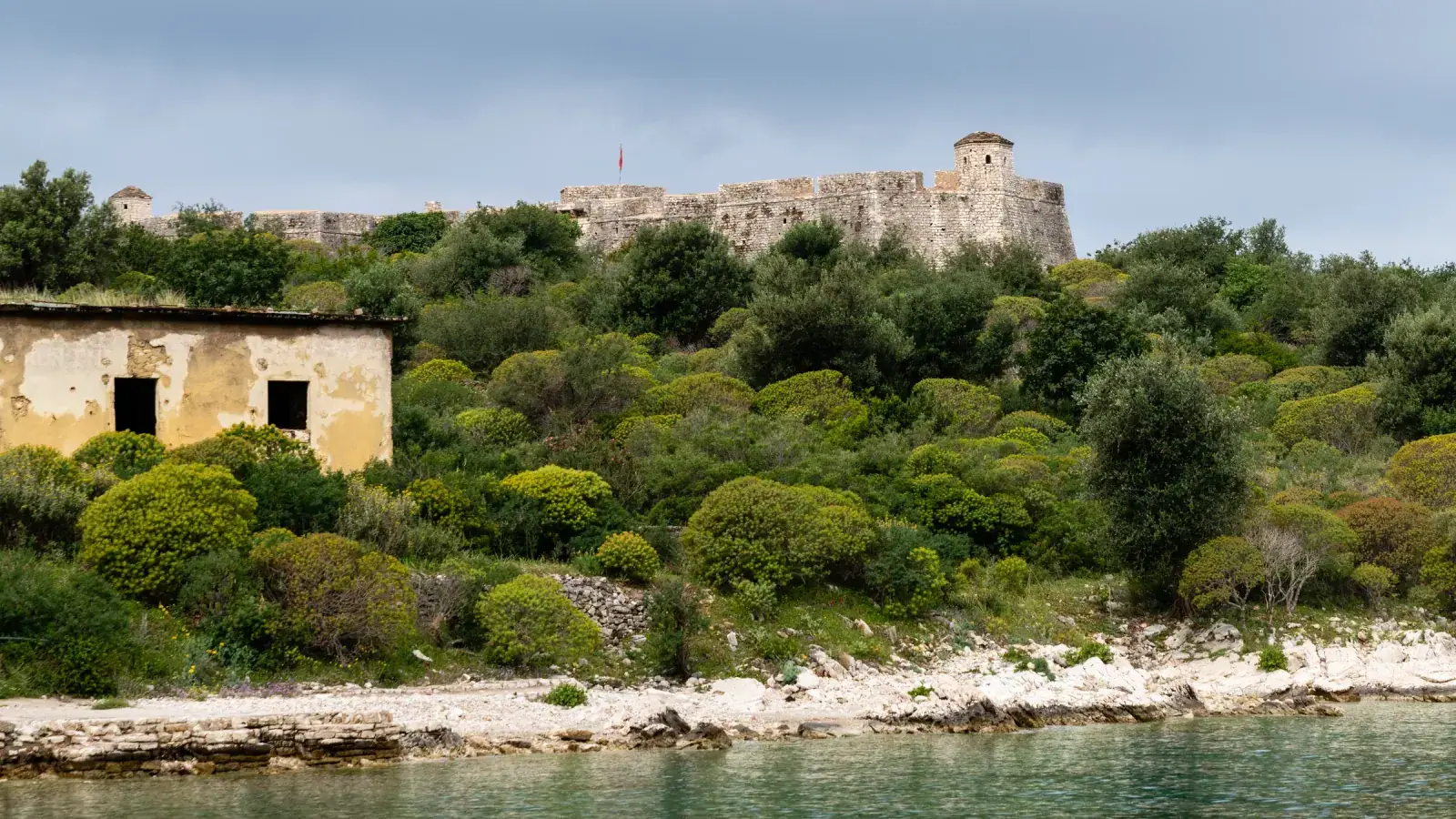
Porto Palermo Castle on its peninsula overlooking the Ionian Sea — one of many landmarks near Himara

Sehenswürdigkeiten

8 Burgen, Klöster und historische Stätten in leichter Reichweite von Himara — von Befestigungen aus dem 5. Jahrhundert v. Chr. bis zu U-Boot-Tunneln aus dem Kalten Krieg.

Klöster & Kirchen

Byzantinische Kirchen und Bergklöster, die die osmanische Zeit und die kommunistische Unterdrückung der Religion überdauerten.

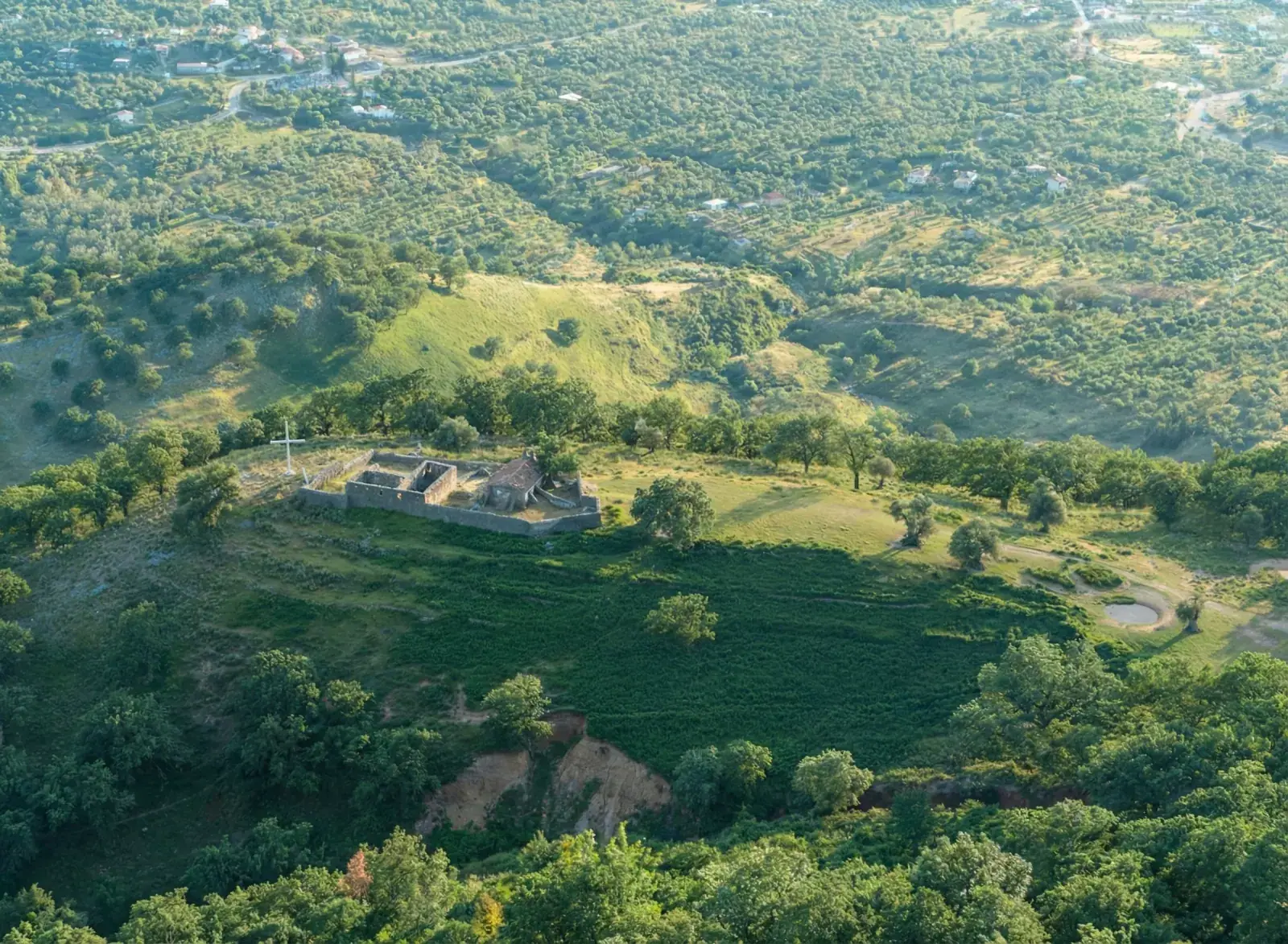
Hilltop above Dhermi where Saint Theodore Monastery overlooks the Ionian coast
14th century (built on ancient Temple of Zeus ruins)

Saint Theodore Monastery

Saint Theodore Monastery (Albanian: Manastiri i Shën Theodhorit, Greek: Μονή Αγίου Θεοδώρου) sits on a hilltop between Dhermi and Gjipe Beach — one of the most historically layered sites on the Albanian Riviera. Built on the ruins of an ancient temple to Zeus, converted into an Orthodox monastery in the 14th century, repurposed as a Soviet navy holiday resort in the 1950s, then an Albanian military post until the late 1980s, and now under restoration. This single hilltop tells the entire story of Albania in compressed form.

~15 km north on SH8 (20 min drive)·1.5–2 hours including the walk up from the parking
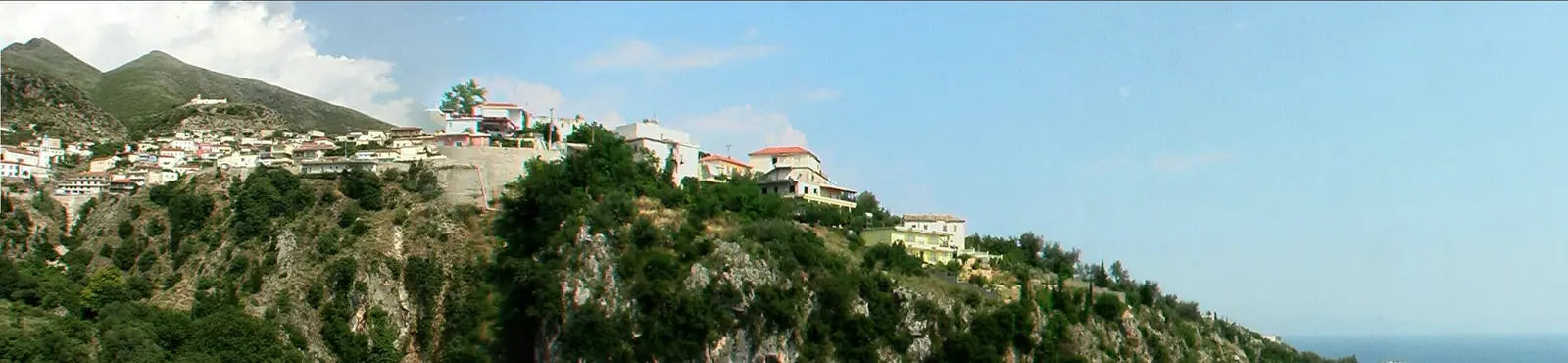
Panoramic view of Himara and the surrounding mountains where Athali Monastery is located
18th century

Athali Monastery

Athali Monastery (Albanian: Manastiri i Athalit, Greek: Μονή Αθαλιού) sits high on Athali Mountain above Himara — a remote 18th-century Byzantine-style pilgrimage site reached only by a 2-hour uphill hike. The monastery is small but significant: a continued site of Orthodox pilgrimage, associated with reports of miraculous healing, and built into one of the most panoramic positions on the Riviera. Most travellers never make the climb, which is exactly why it remains one of the most atmospheric landmarks in the area.

~10 km by trail from Spile Beach (2 hr hike)·3–4 hours round trip including the hike and time at the monastery
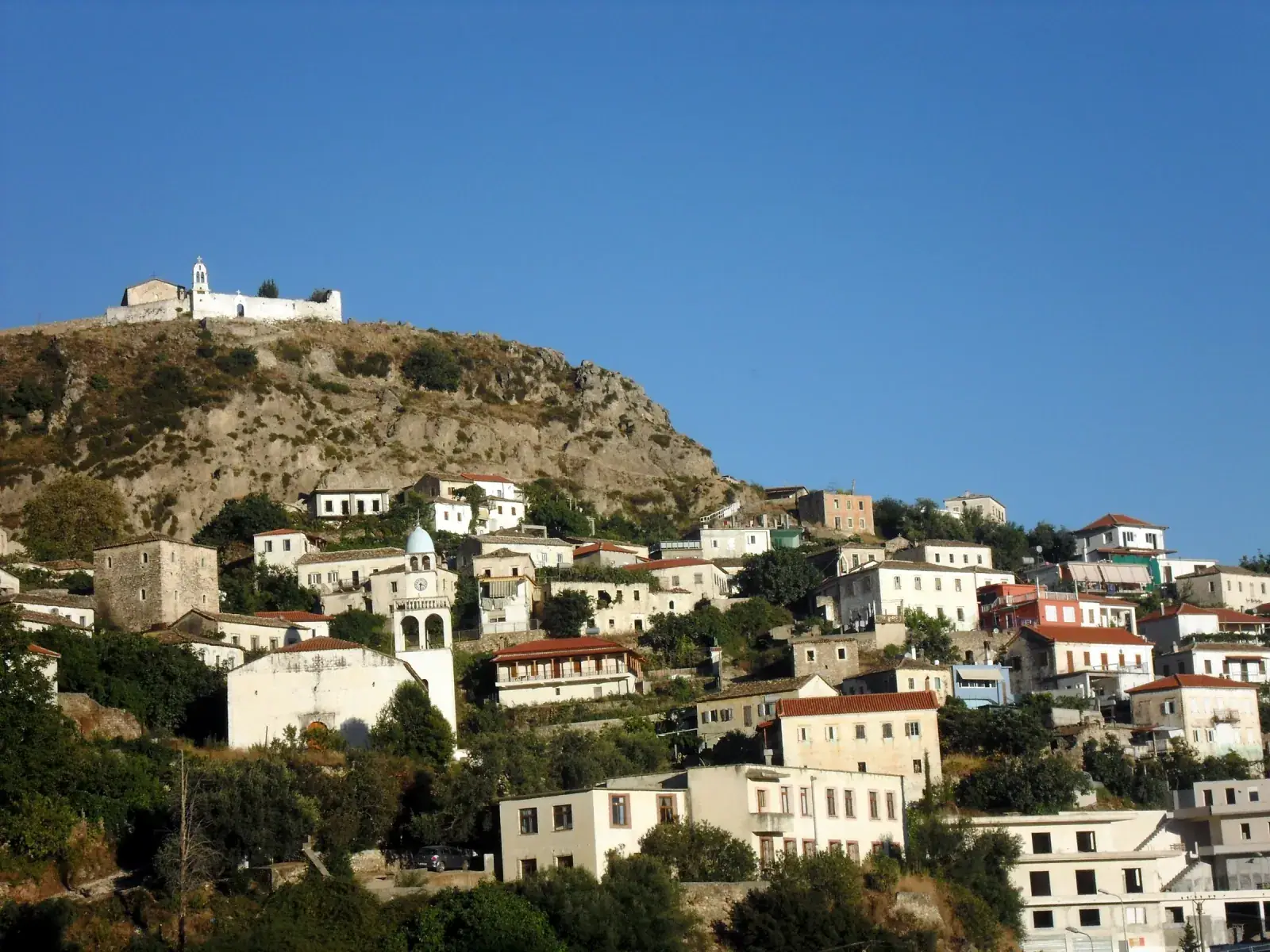
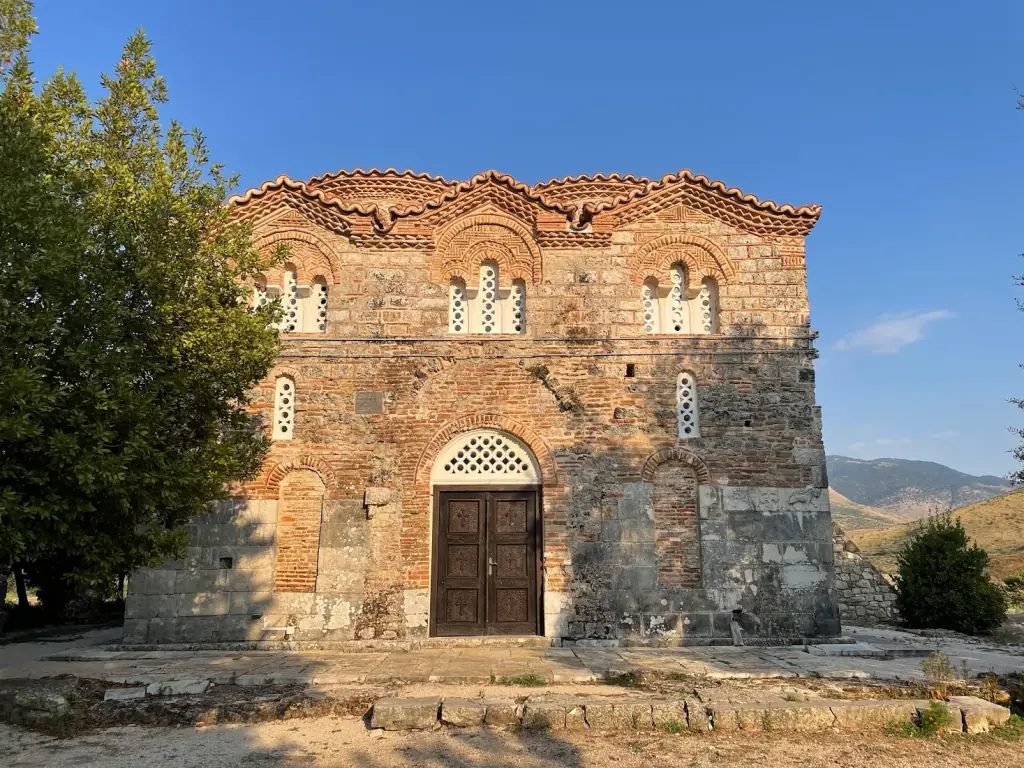
Dhermi village below and the hilltop where Panagia Drymadon monastery overlooks the Ionian coast
13th–14th century

Panagia Drymadon Monastery

Panagia Drymadon Monastery (Albanian: Manastiri i Shën Mërisë, Greek: Παναγία Δρυμάδων) — also called the Monastery of Saint Mary — sits on a hilltop at 257 m elevation above Dhermi village. Built in the 13th–14th century, it is a Cultural Monument of Albania and one of the best-preserved examples of Byzantine-era religious architecture on the Albanian Riviera. The monastery operated continuously for over 600 years — through Byzantine decline, Ottoman rule, and Italian occupation — until 1967, when the communist regime forced the last nun to leave.

~15 km north on SH8 (20 min drive + 15 min walk)·45 minutes – 1 hour

Häufige Fragen zu Sehenswürdigkeiten in Himara

Welche historischen Stätten kann man rund um Himara besuchen?

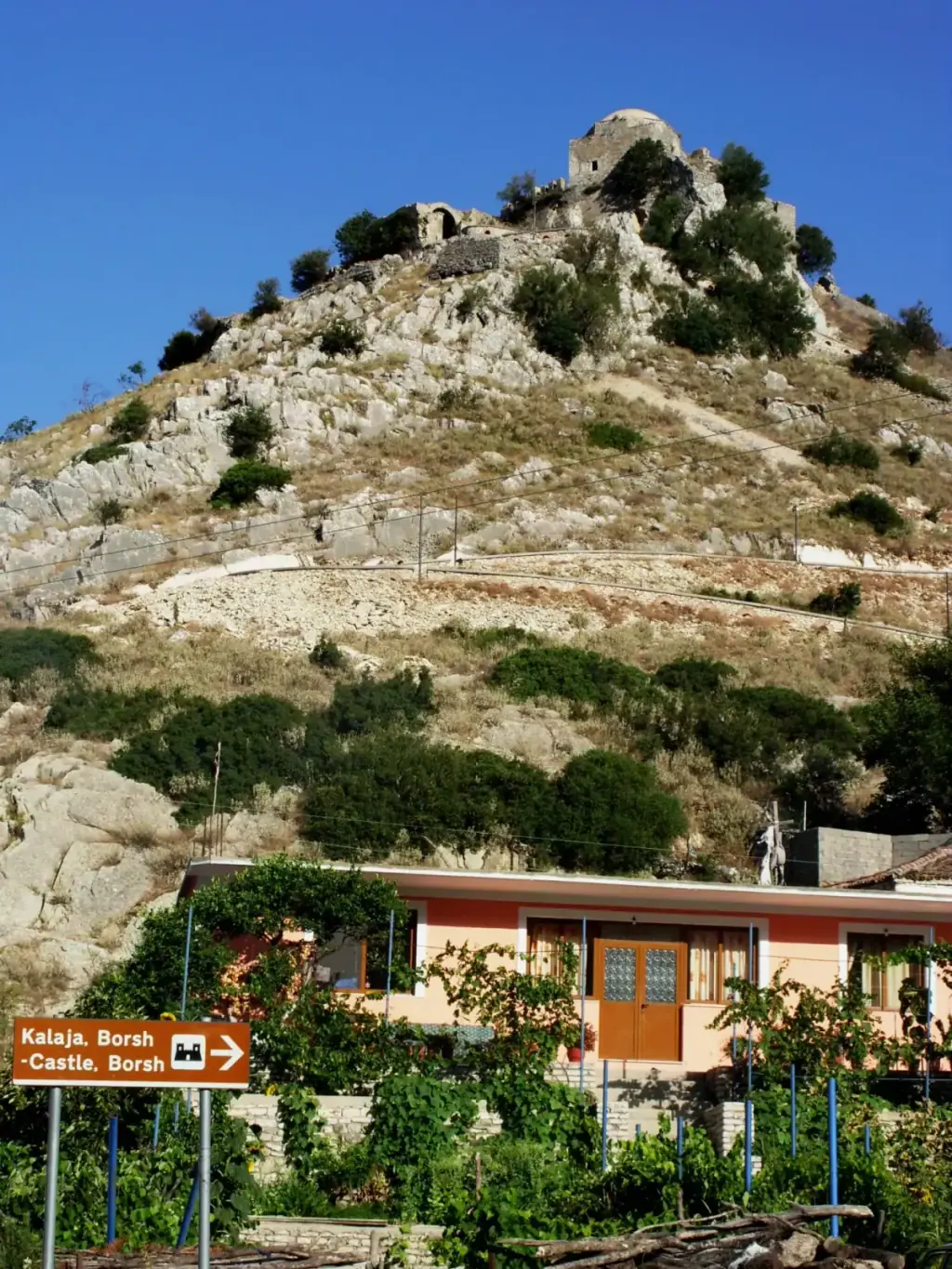
Das Aushängeschild ist die Burg von Himara auf dem Hügel mit ihrer Altstadt, seit etwa dem 5. Jahrhundert v. Chr. befestigt und bewohnt. Südlich entlang der Küste liegen die Burg von Porto Palermo — die Festung des Ali Pascha auf ihrer eigenen Halbinsel (um 1804) — und die Burg von Borsh, dazu der U-Boot-Tunnel von Porto Palermo aus dem Kalten Krieg. Im Norden und Landesinneren liegen orthodoxe Klöster: Heiliger Theodor, Athali und Panagia Drymadon.

Verlangen die Burgen und Klöster Eintritt?

Die meisten sind kostenlos, darunter die Altstadt der Burg von Himara, die Burg von Borsh und die Klöster. Die Hauptausnahme ist die Burg von Porto Palermo, die etwa 300 ALL (~3 €) verlangt, zahlbar nur in albanischen Lek — also bring Bargeld. Ein paar Stätten erheben eine kleine Parkgebühr von rund 200–300 ALL.

Wie alt ist die Burg von Himara?

Sehr alt. Der Hügelstandort ist seit etwa dem 5. Jahrhundert v. Chr. befestigt, mit späteren byzantinischen und osmanischen Schichten, und Teile der Altstadt innerhalb der Mauern sind bis heute bewohnt. Es ist ein 15–20-minütiger Fußmarsch bergauf von der Strandpromenade.

Wie erreicht man die Stätten außerhalb des Orts?

Die meisten sind eine kurze Fahrt auf der Küstenstraße SH8: Die Burg und der U-Boot-Tunnel von Porto Palermo liegen etwa 10 km südlich (15–20 Min.), die Burg von Borsh rund 20 km südlich und die Klöster Heiliger Theodor und Panagia Drymadon etwa 15 km nördlich. Das Athali-Kloster ist die Ausnahme — es ist eine etwa zweistündige Wanderung ins Landesinnere vom Spile Beach aus.

Was ist der U-Boot-Tunnel von Porto Palermo?

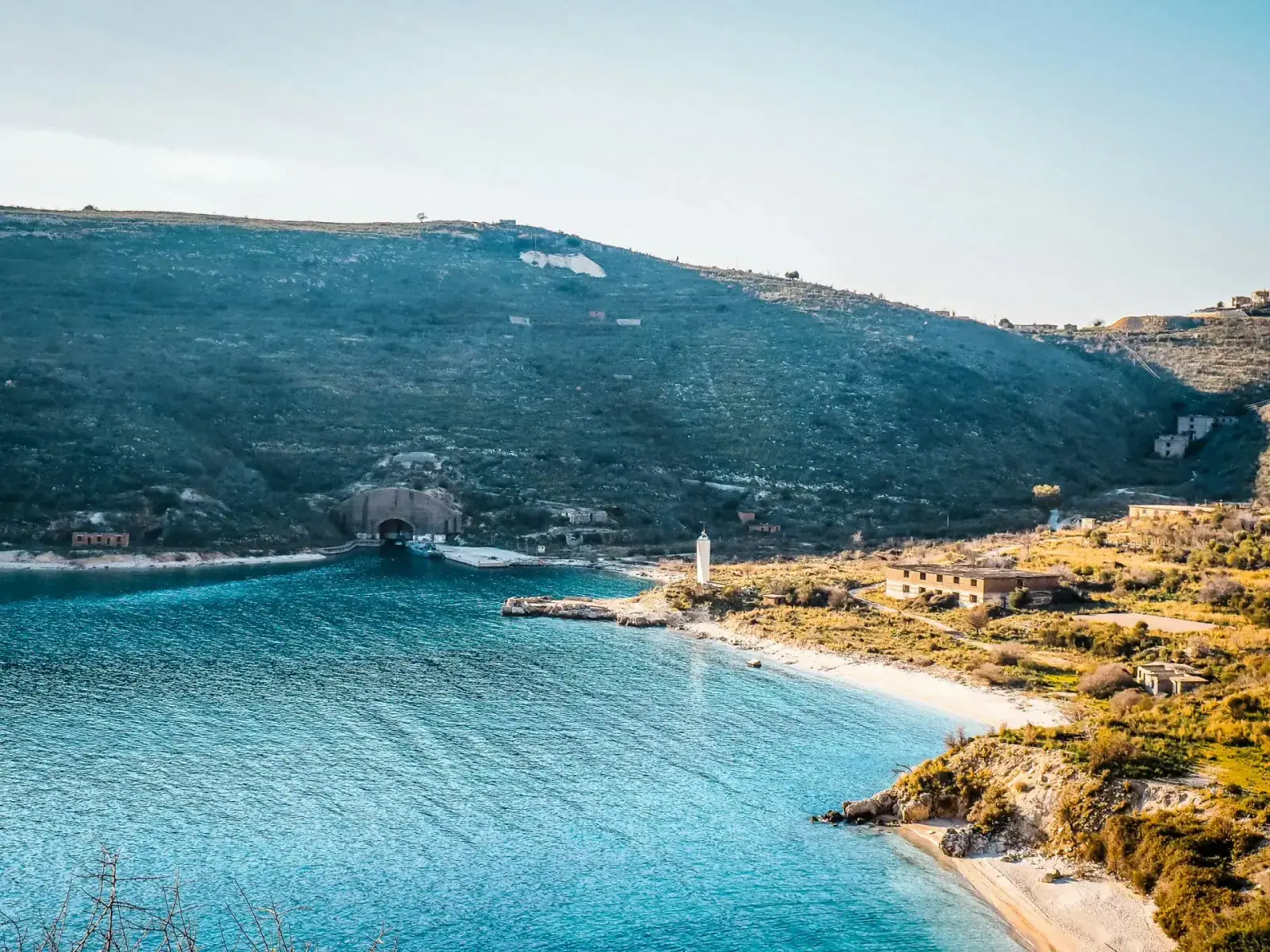
Ein Marinestützpunkt aus dem Kalten Krieg, gebaut zwischen 1969 und 1988, als Albaniens Militär U-Boote in einem in das Kap von Porto Palermo gehauenen Tunnel versteckte. Du kannst ihn kostenlos von der Straße oder von einer Bootstour aus sehen; das Betreten ist eingeschränkt.

Planst du deine Besichtigungstage?

Kombiniere Sehenswürdigkeiten mit nahen Stränden, Bootstouren und den Restaurants, die das Verweilen an der Albanischen Riviera lohnenswert machen.