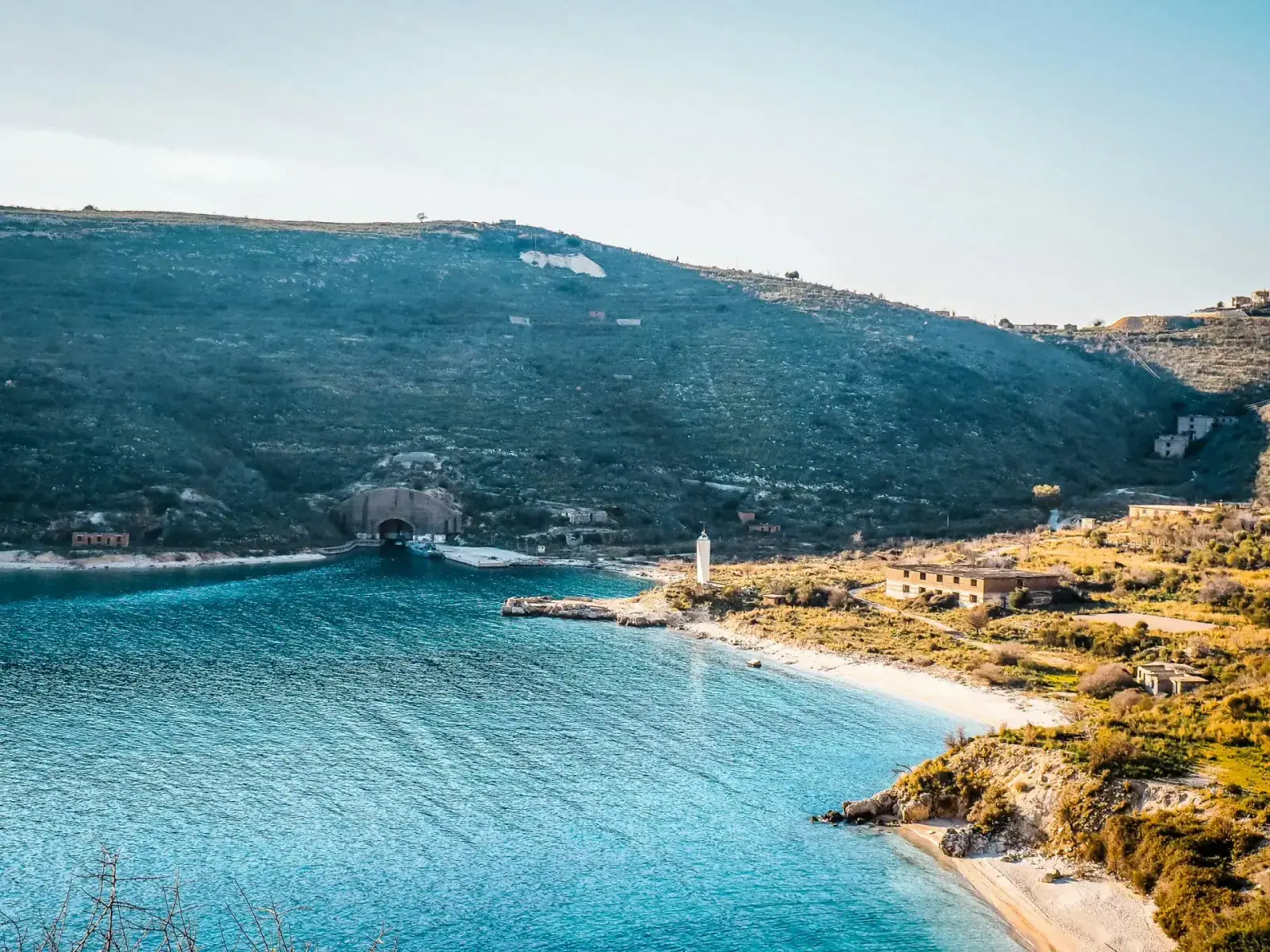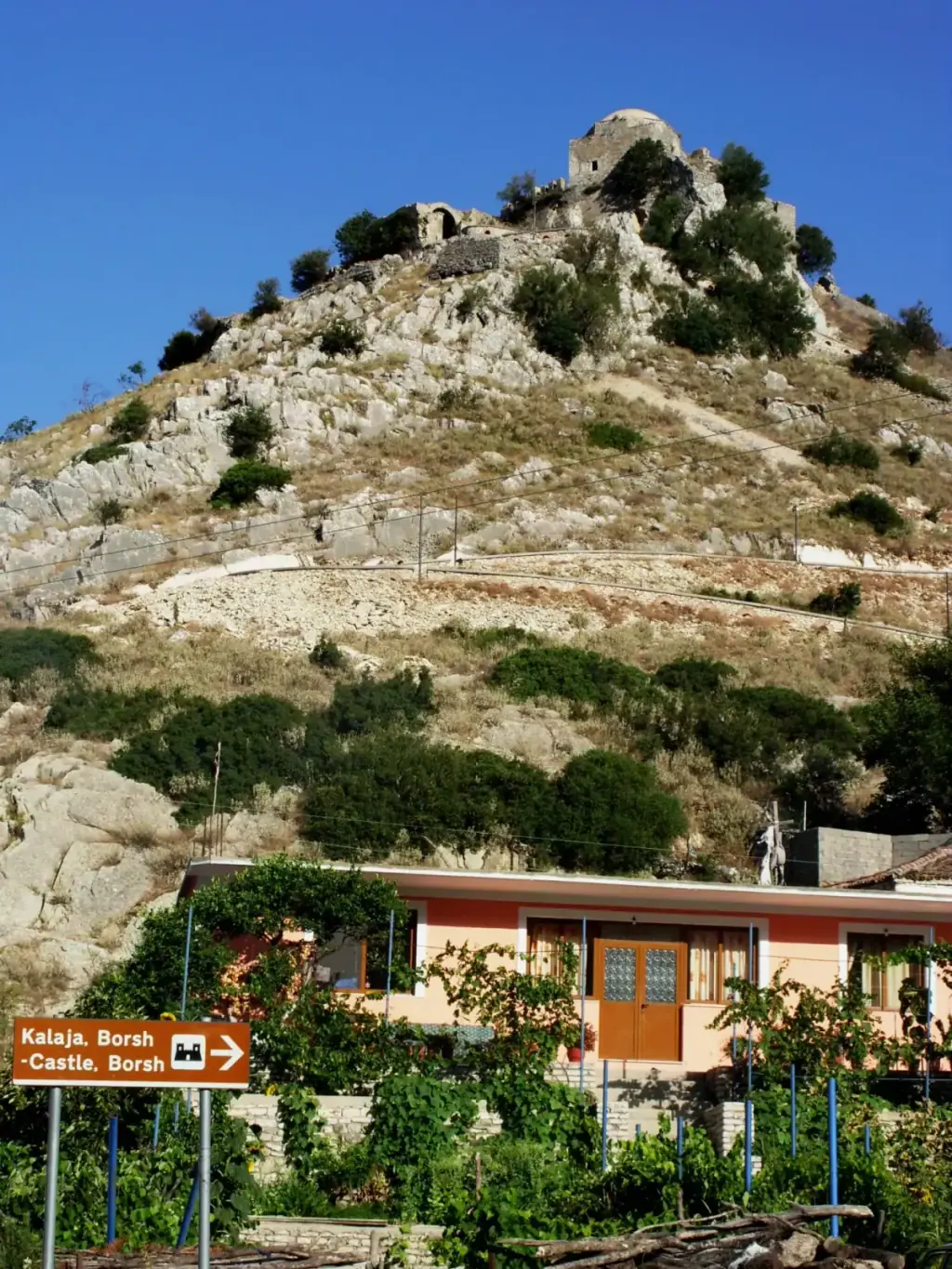
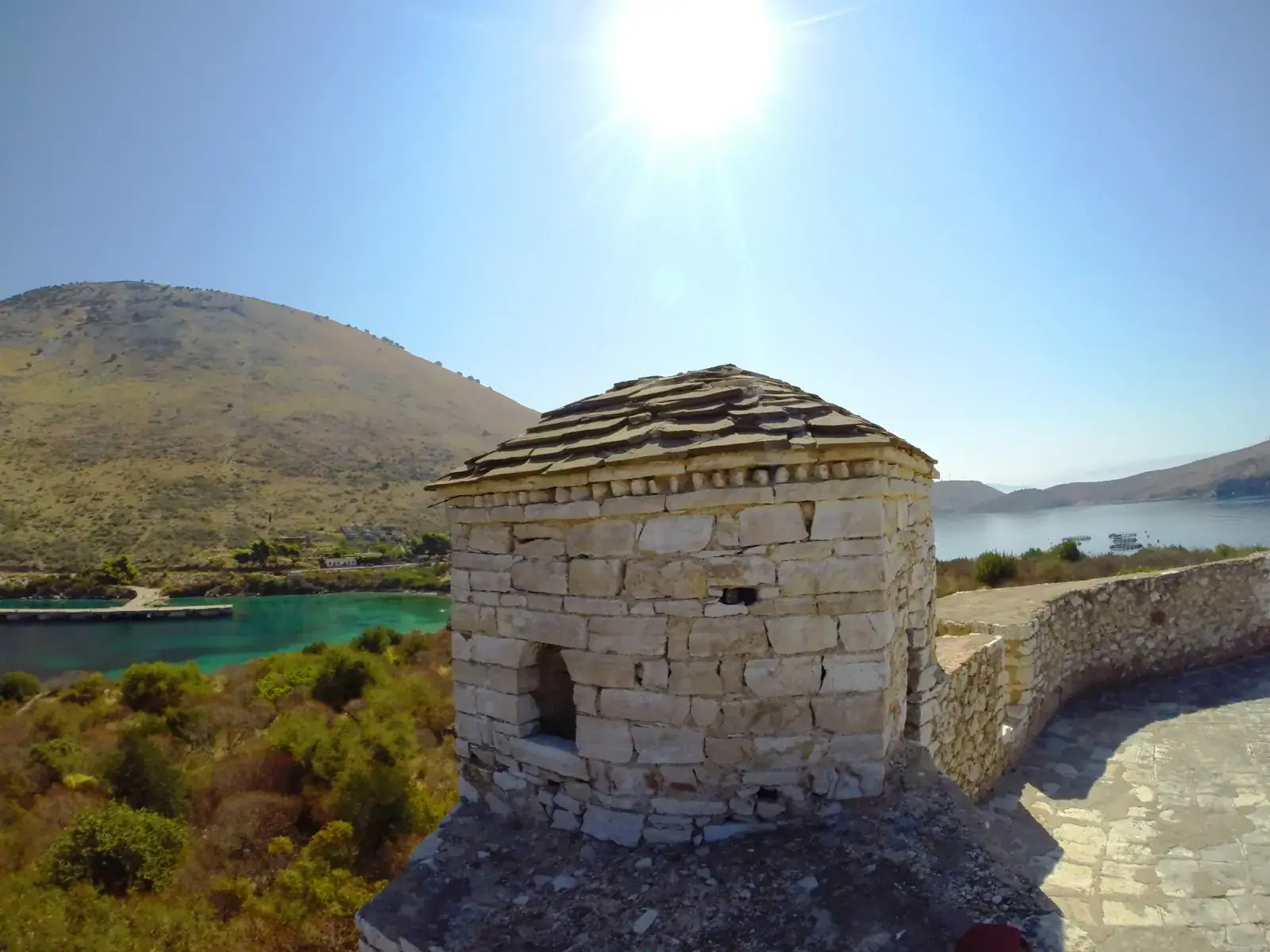
Porto Palermo Castle
~10 km south on SH8 (14–20 min drive)
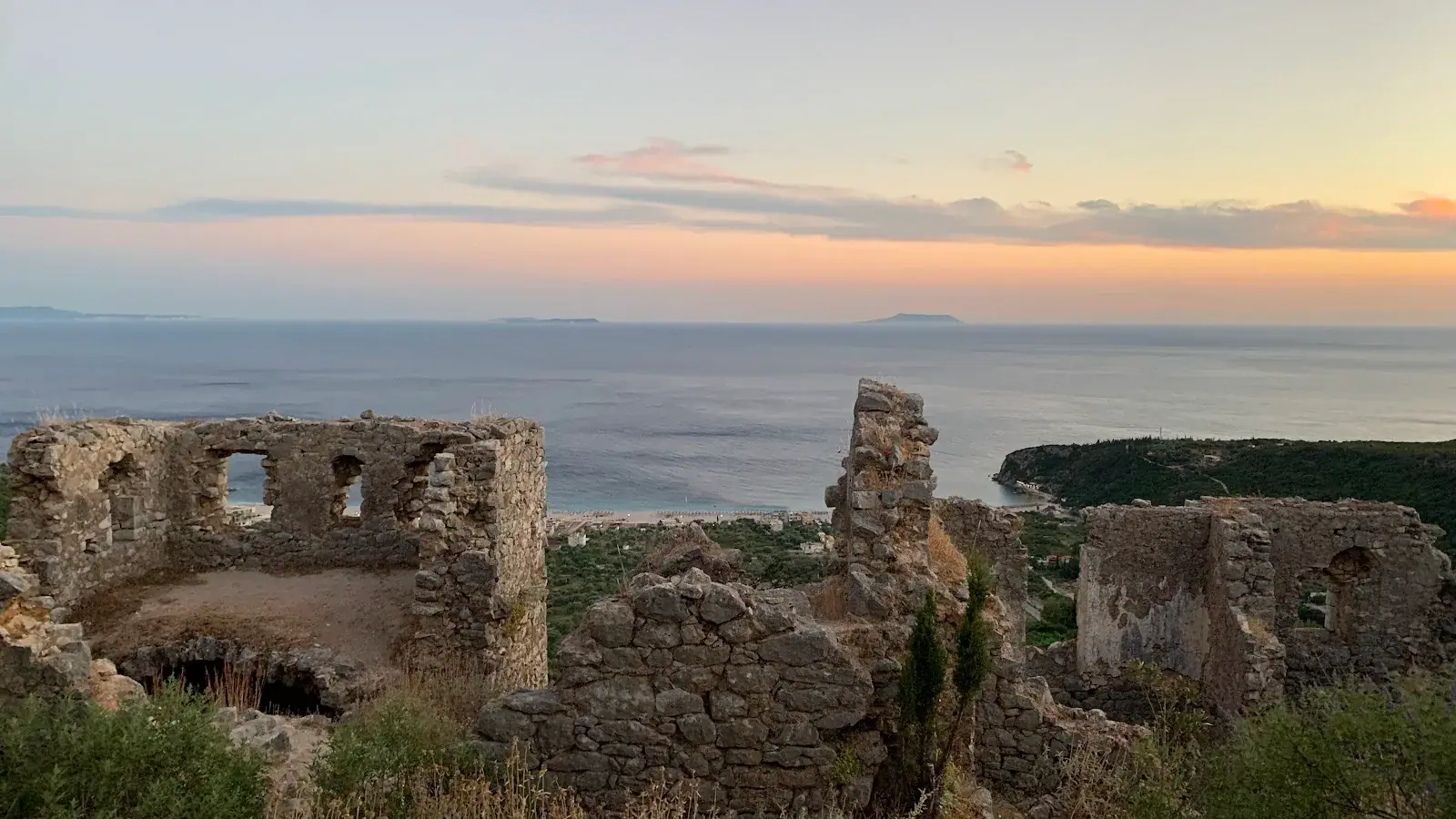
Barbaka-Hügel, oberhalb des Zentrums von Himara
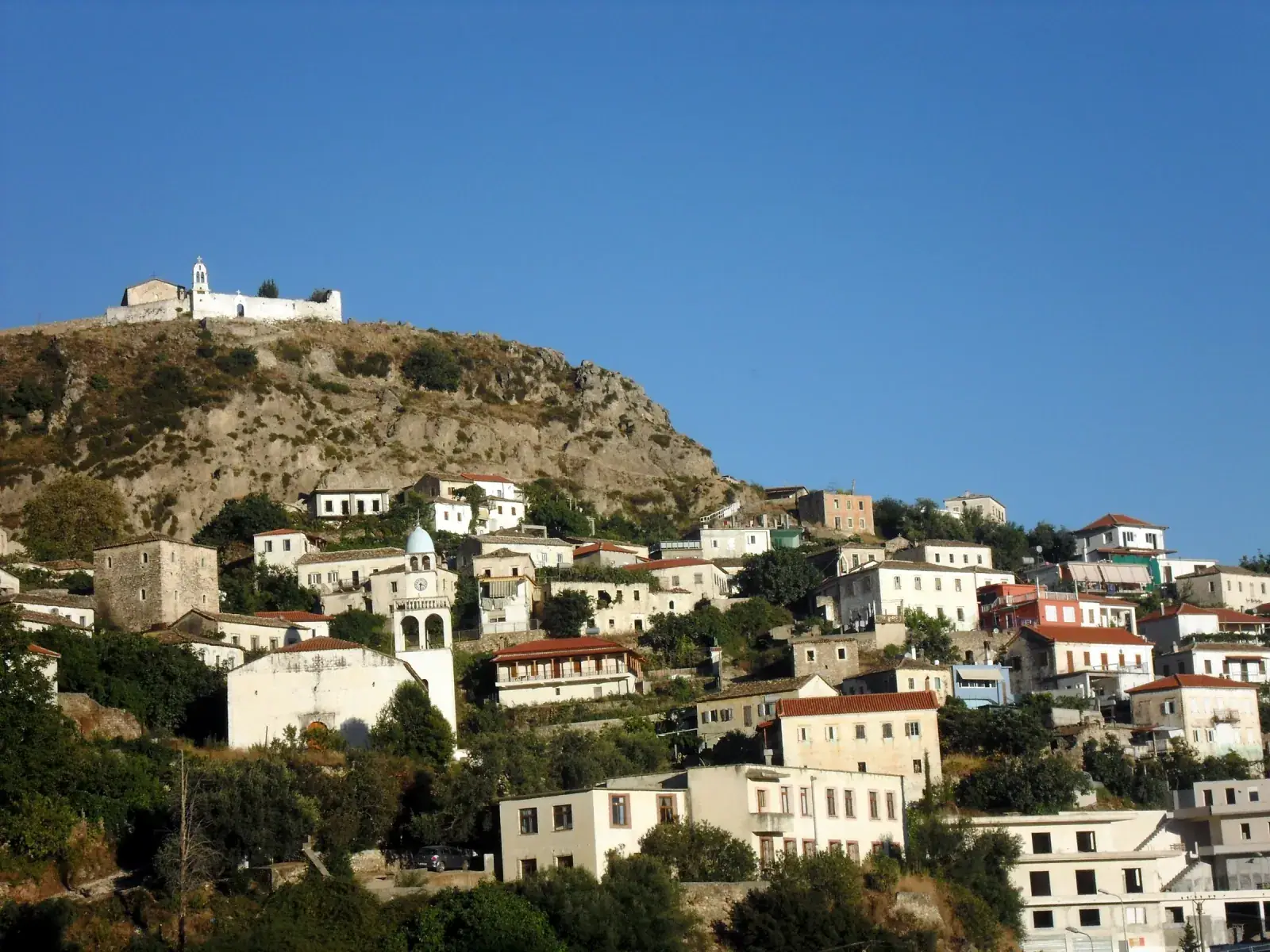
Die Burg von Himara liegt auf dem Barbaka-Hügel über der modernen Stadt. Die Befestigungen hier stammen aus dem 5. Jahrhundert v. Chr. und sind seither durchgehend bewohnt, was die Altstadt, von Einheimischen Kastro genannt, zum einzigen lebendigen mittelalterlichen Dorf der Albanischen Riviera macht. Steinhäuser klammern sich an den Hang zwischen byzantinischen Kirchenruinen und verblassten Fresken, mit Panoramablick, der sich an einem klaren Tag über das Ionische Meer bis Korfu erstreckt.
Die ältesten Mauern sind chaonisch und wurden im 5. Jahrhundert v. Chr. von dem griechischen Stamm errichtet, der diese Küste beherrschte. Die Anlage wurde unter den Byzantinern erneut befestigt, die die Kirchen erbauten, durch deren Ruinen man noch heute wandeln kann. Die osmanische Herrschaft hat Kastro nie vollständig eingegliedert, die Bevölkerung von Himara behielt über Jahrhunderte hinweg de facto ihre Autonomie, zollte Istanbul Lippenbekenntnisse und praktizierte dabei das orthodoxe Christentum. Die Altstadt beherbergte zu Beginn des 20. Jahrhunderts noch Hunderte von Familien, bevor sie sich während der kommunistischen Ära entvölkerte. Einige wenige Häuser sind heute ganzjährig bewohnt, mehrere wurden als Gästehäuser restauriert.
Drei byzantinische Kirchen mit teilweise erhaltenen Freskenresten; der Haupteingangsbogen und die erhaltenen Ringmauern; die Panoramaterrasse, auf der das Cafe Butterfly Kaffee mit dem besten Ausblick von Himara serviert; der Weg hinab zum direkt darunter sichtbaren Livadhi Beach; an klaren Morgen Korfu am westlichen Horizont, etwa 70 km entfernt.
Zu Fuß bergauf von der Promenade von Himara, 15–20 Minuten auf einer schmalen asphaltierten Straße. Mit dem Auto oder Roller können Sie den größten Teil der Strecke fahren; parken Sie auf dem ausgewiesenen Parkplatz nahe dem Eingang (kostenlos, auf wenige Plätze begrenzt) und gehen Sie das letzte Stück zu Fuß. Die Straße ist schmal und kurvenreich, aber gut zu bewältigen. In die Altstadt selbst kann man nicht hineinfahren.
Früher Morgen (vor 10 Uhr) für kühle Temperaturen und beste Sicht in Richtung Korfu, oder später Nachmittag (17–19 Uhr) für goldenes Licht und um den Besuch mit Sonnenuntergang und einem Drink im Cafe Butterfly zu verbinden.
Geschichte, praktische Tipps und Hinweise zur Route ausführlich, der Artikel, der tiefer geht als diese Seite.
Die natürliche andere Hälfte des Tages. Sand und Meer nach Stein und Geschichte.
Zu Fuß bergauf von der Promenade von Himara, es dauert 15–20 Minuten auf einer asphaltierten Straße. Mit dem Auto oder Roller können Sie den größten Teil der Strecke fahren und auf einem kleinen kostenlosen Parkplatz nahe dem Eingang parken, dann das letzte Stück zu Fuß gehen. In die Altstadt selbst kann man nicht hineinfahren.
Das Erkunden der Altstadt ist kostenlos. Einige Betreiber erheben in der Hochsaison möglicherweise eine kleine symbolische Gebühr am Tor, erkundigen Sie sich bei der Ankunft. Die byzantinischen Kirchenruinen und der Aussichtspunkt auf der Terrasse sind alle kostenlos zugänglich.
Früher Morgen (vor 10 Uhr) für kühle Temperaturen und die besten Chancen, Korfu über dem Wasser zu sehen. Der späte Nachmittag (17–19 Uhr) ist das zweitbeste Zeitfenster, goldenes Licht auf dem Stein, mit Sonnenuntergang von der Terrasse des Cafe Butterfly.
1–2 Stunden reichen, um die Hauptwege zu erkunden, die Kirchenruinen zu besichtigen, den Panoramablick zu genießen und einen Drink im Cafe Butterfly zu nehmen. Verbinden Sie den Besuch mit dem Livadhi Beach (10 Minuten Fahrt entfernt) für eine halbtägige Burg-und-Strand-Tour.
Ja, an klaren Tagen. Korfu liegt etwa 70 km westlich am Horizont. Die Morgenstunden, bevor sich der Nachmittagsdunst aufbaut, bieten in der Regel die beste Sicht. Die griechische Insel ist am besten von der Terrasse am oberen Ende der Altstadt aus zu sehen.
Fehlt etwas oder ist etwas falsch? Schreib uns an info@himara.net