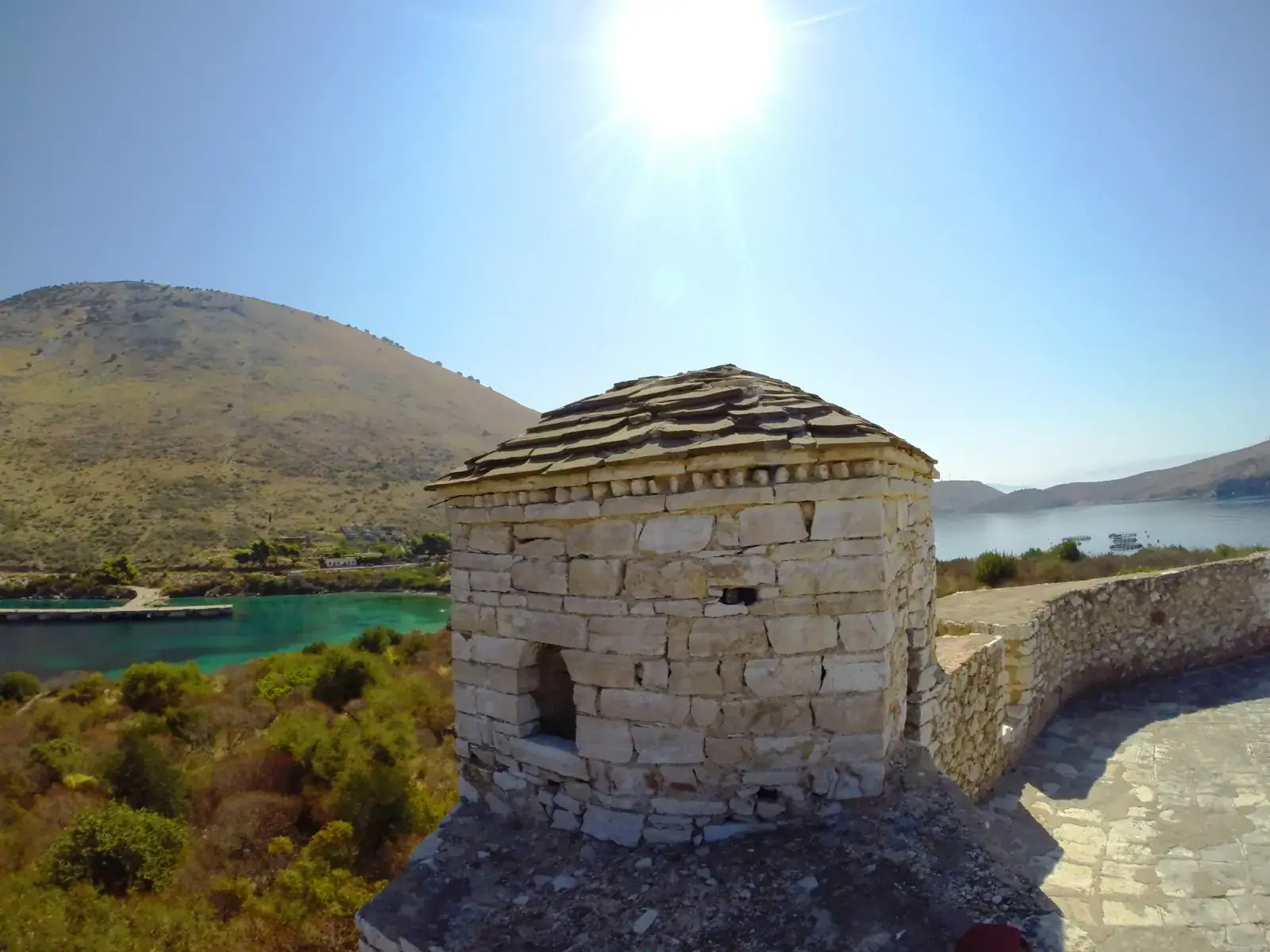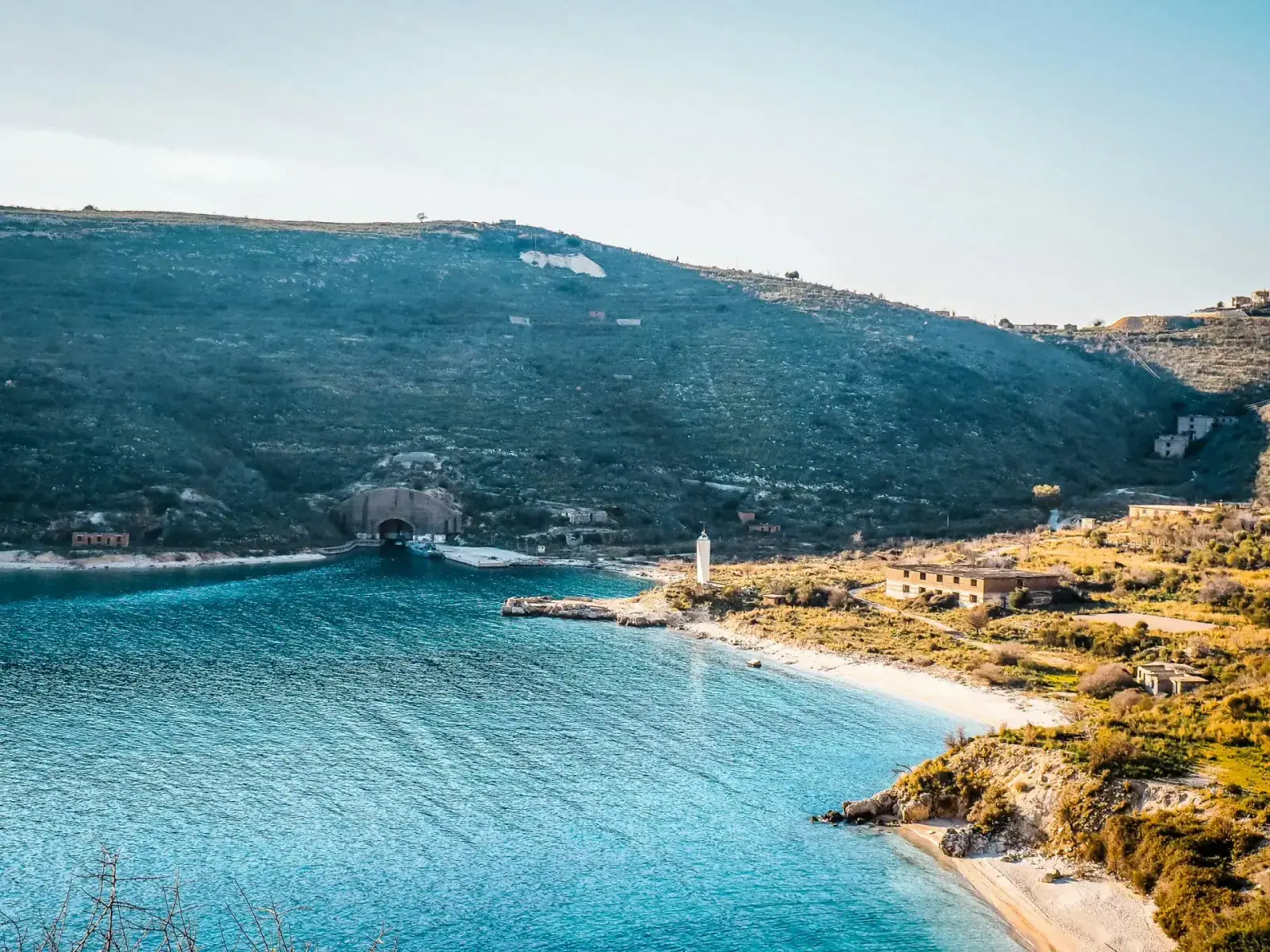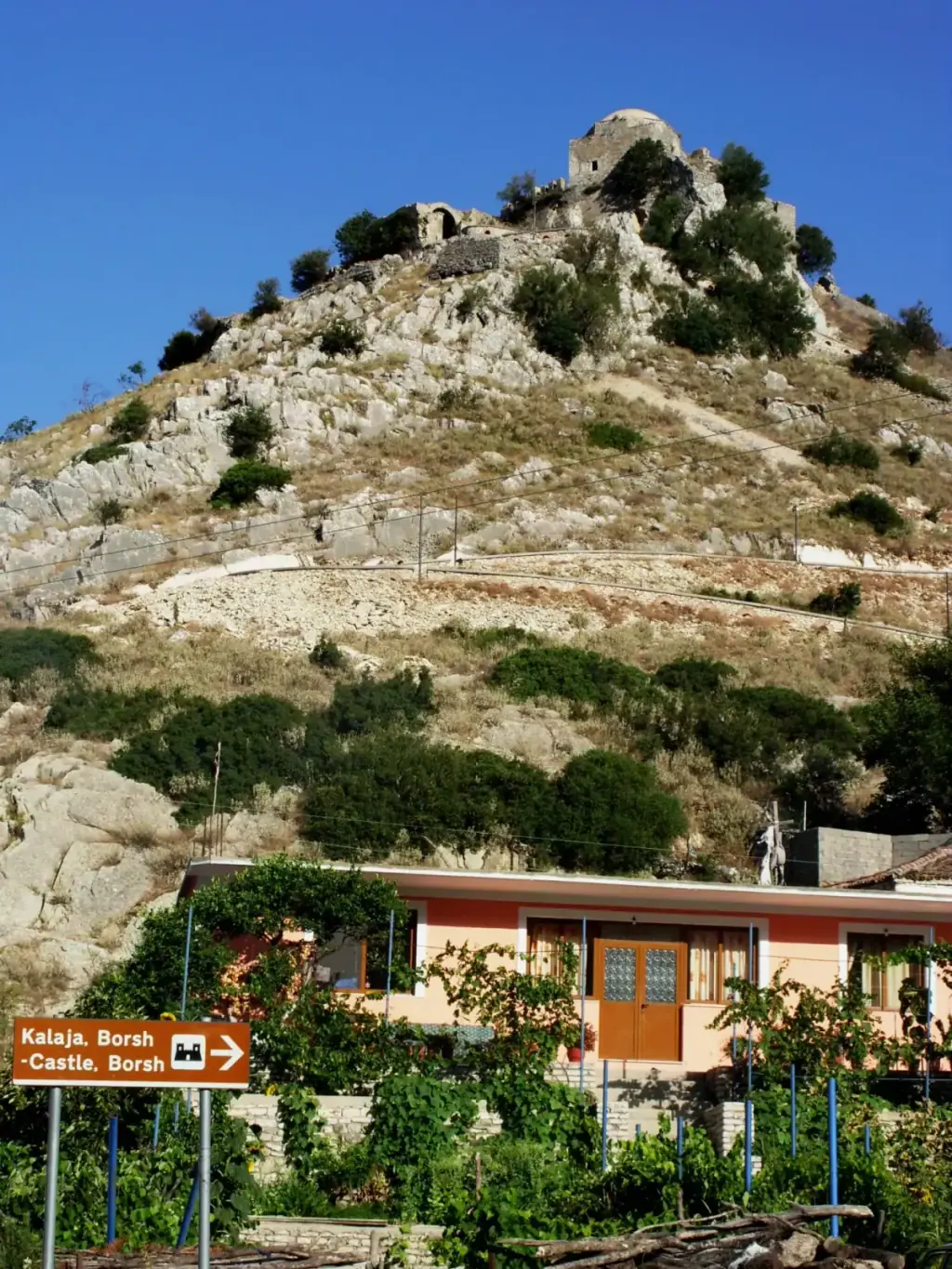
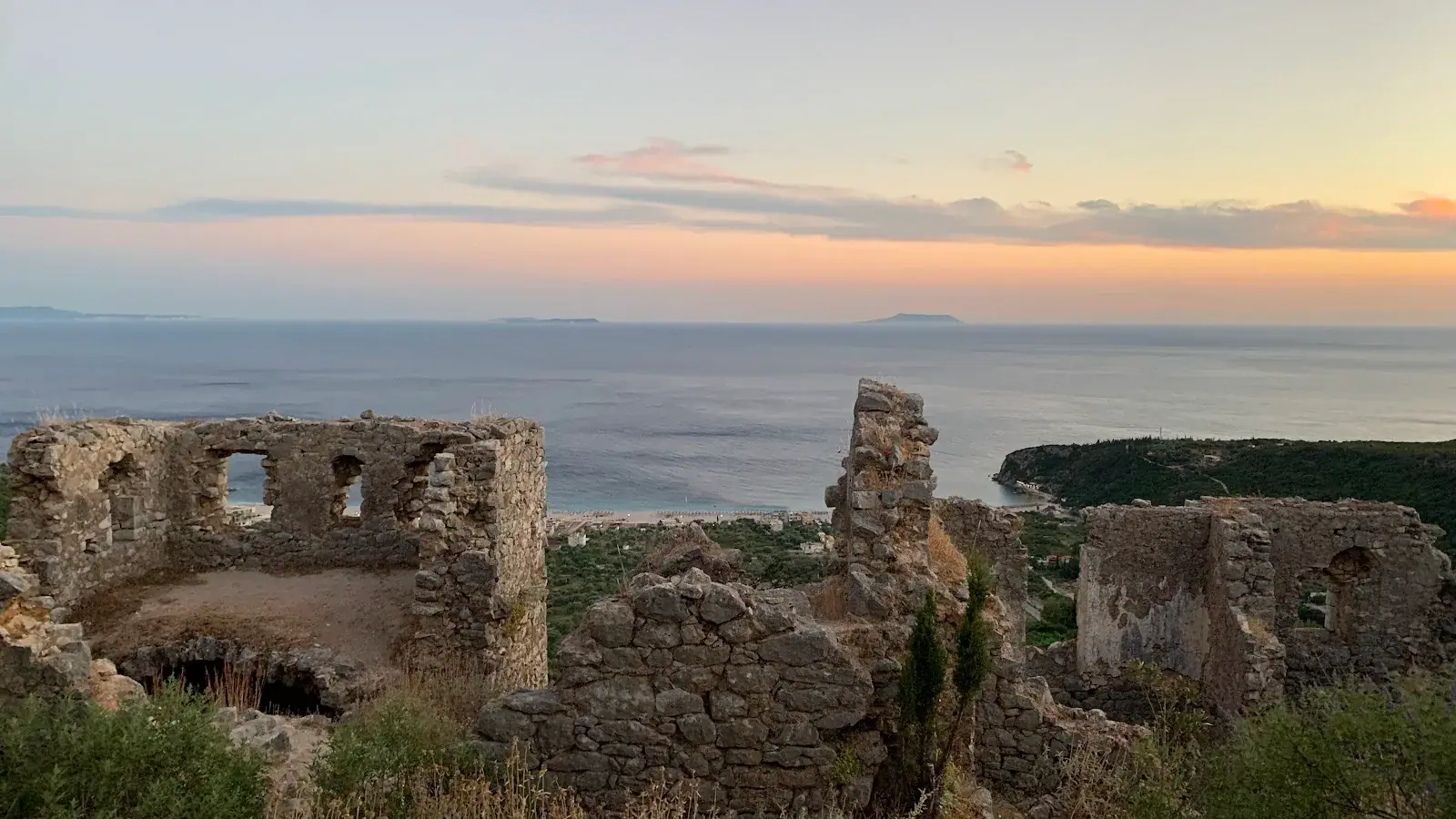
Himara Castle & Old Town
In town, 15–20 min walk uphill from the promenade
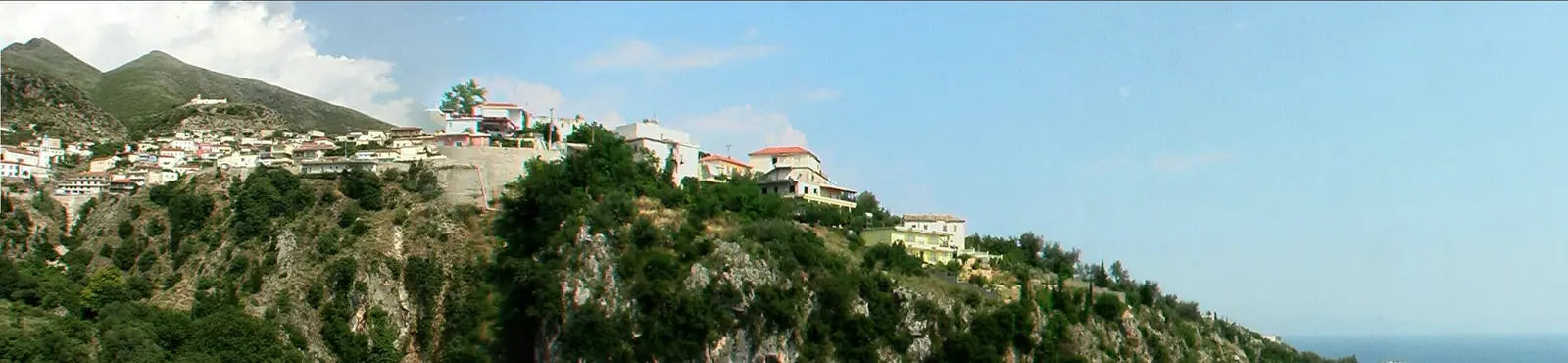
Hügelkuppe oberhalb des Dorfes Dhermi, 257 m Höhe
Das Kloster Panagia Drymadon (albanisch: Manastiri i Shën Mërisë, griechisch: Παναγία Δρυμάδων), auch Kloster der Heiligen Maria genannt, liegt auf einer Hügelkuppe auf 257 m Höhe über dem Dorf Dhermi. Im 13.–14. Jahrhundert erbaut, ist es ein Kulturdenkmal Albaniens und eines der am besten erhaltenen Beispiele religiöser Architektur der byzantinischen Zeit an der Albanischen Riviera. Das Kloster war über 600 Jahre durchgehend in Betrieb, durch den byzantinischen Niedergang, die osmanische Herrschaft und die italienische Besatzung hindurch, bis 1967, als das kommunistische Regime die letzte Nonne zum Verlassen zwang.
Die Basilika wurde im 13.–14. Jahrhundert während der späten byzantinischen Periode gegründet. Die Bevölkerung von Himara bewahrte über 500 Jahre osmanischer Herrschaft hinweg ihre orthodoxe Praxis, und Panagia Drymadon blieb durchgehend in Betrieb. 1781 gab der Erzbischof von Himara und Delvina ein Freskenprogramm in Auftrag, das im Inneren der Kirche noch erhalten ist, einer der am besten erhaltenen Freskenzyklen der Küste. Das Kloster war ununterbrochen in Funktion bis 1967, als Hoxhas Regime die Schließung aller religiösen Einrichtungen in Albanien erzwang. Die letzte Nonne wurde vertrieben. Die Restaurierung begann in den frühen 1990er Jahren.
Die Basilika aus dem 13.–14. Jahrhundert mit originalem byzantinischem Mauerwerk; das 1781 vom Erzbischof von Himara und Delvina in Auftrag gegebene Freskenprogramm, einer der vollständigsten Freskenzyklen der Riviera; die erhaltenen Mönchszellen rund um die Kirche; Panoramablicke über das Dorf Dhermi unterhalb, das Ionische Meer im Westen und die Küste, die sich nördlich nach Llogara und südlich nach Himara erstreckt.
Fahren Sie von Himara aus nördlich auf der SH8 (~15 km, 20 Min.) und weiter ins Dorf Dhermi. Vom oberen Dorf aus folgen Sie der Rruga Vlladas oder fragen vor Ort nach dem Weg, das Kloster ist ausgeschildert und am Hang darüber sichtbar. Ein kurzer 10–15-minütiger Fußweg bergauf vom oberen Dorf führt zum Kloster. Der Weg ist gepflastert, aber stellenweise steil.
Später Vormittag für das beste Licht auf den Fresken im Inneren der Kirche (wenn die Türen geöffnet sind). Die Lage auf der Hügelkuppe ist ungeschützt; Besuche am Nachmittag können im Sommer heiß sein. Große orthodoxe Feiertage (Mariä Himmelfahrt, 15. August) ziehen die größten örtlichen Versammlungen an.
Geschichte, praktische Tipps und Hinweise zur Route ausführlich, der Artikel, der tiefer geht als diese Seite.
Fahren Sie von Himara aus nördlich auf der SH8 nach Dhermi (~15 km, 20 Min.). Vom oberen Dorf aus folgen Sie der Rruga Vlladas, das Kloster ist ausgeschildert und am Hang darüber sichtbar. Ein 10–15-minütiger Fußweg bergauf vom oberen Dorf führt zur Stätte. Der Weg ist gepflastert, aber stellenweise steil.
Die Hügelkuppe und das Kirchenäußere sind jederzeit während des Tageslichts zugänglich. Das Innere, einschließlich der Fresken von 1781, ist außerhalb der Gottesdienste in der Regel verschlossen. Fragen Sie im Dorf nach oder planen Sie Ihren Besuch für einen großen orthodoxen Feiertag (Mariä Himmelfahrt am 15. August zieht die größten Menschenmengen an, und die Kirche wird geöffnet sein).
Ja, das Kloster wurde nach 1990 restauriert, und an den großen Feiertagen finden wieder orthodoxe Gottesdienste statt. Es ist keine ständige Klostergemeinschaft mehr (die letzte Nonne wurde 1967 vertrieben), aber es funktioniert als aktive Kirche und Wallfahrtsort. Gottesdienste und Versammlungen finden am verlässlichsten an Mariä Himmelfahrt (15. August) statt.
Das Freskenprogramm stammt aus dem Jahr 1781, in Auftrag gegeben vom Erzbischof von Himara und Delvina. Es ist einer der am besten erhaltenen postbyzantinischen Freskenzyklen an der Albanischen Riviera. Die Basilika selbst ist älter, 13.–14. Jahrhundert —, doch die erhaltenen Malereien im Inneren sind die Auftragsarbeit aus dem späten 18. Jahrhundert.
Fehlt etwas oder ist etwas falsch? Schreib uns an info@himara.net