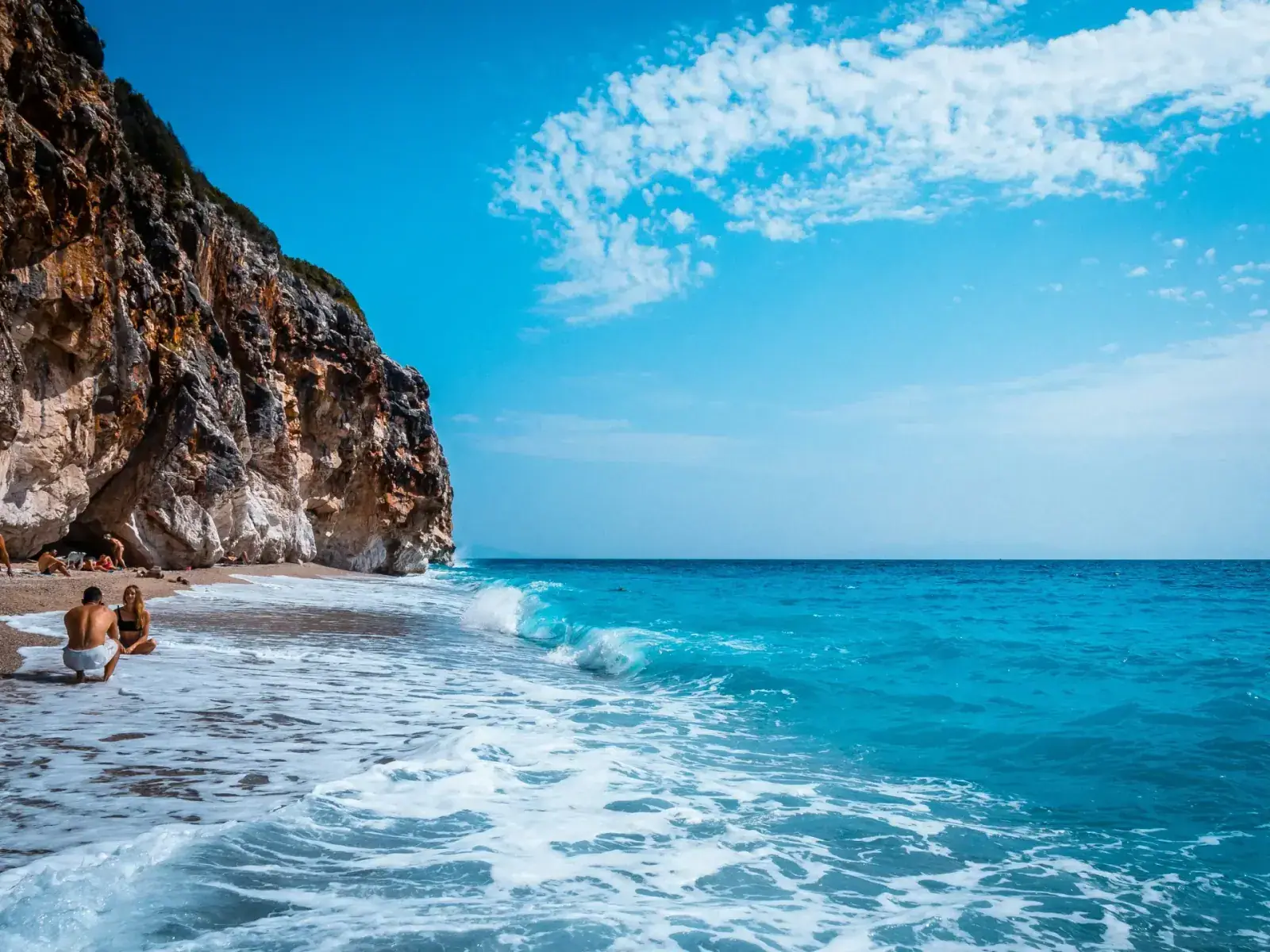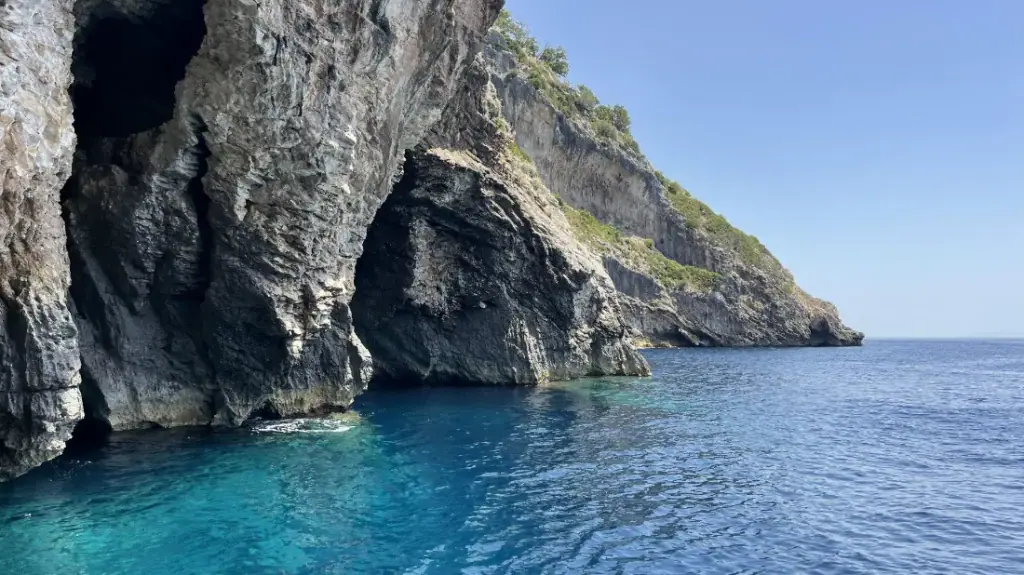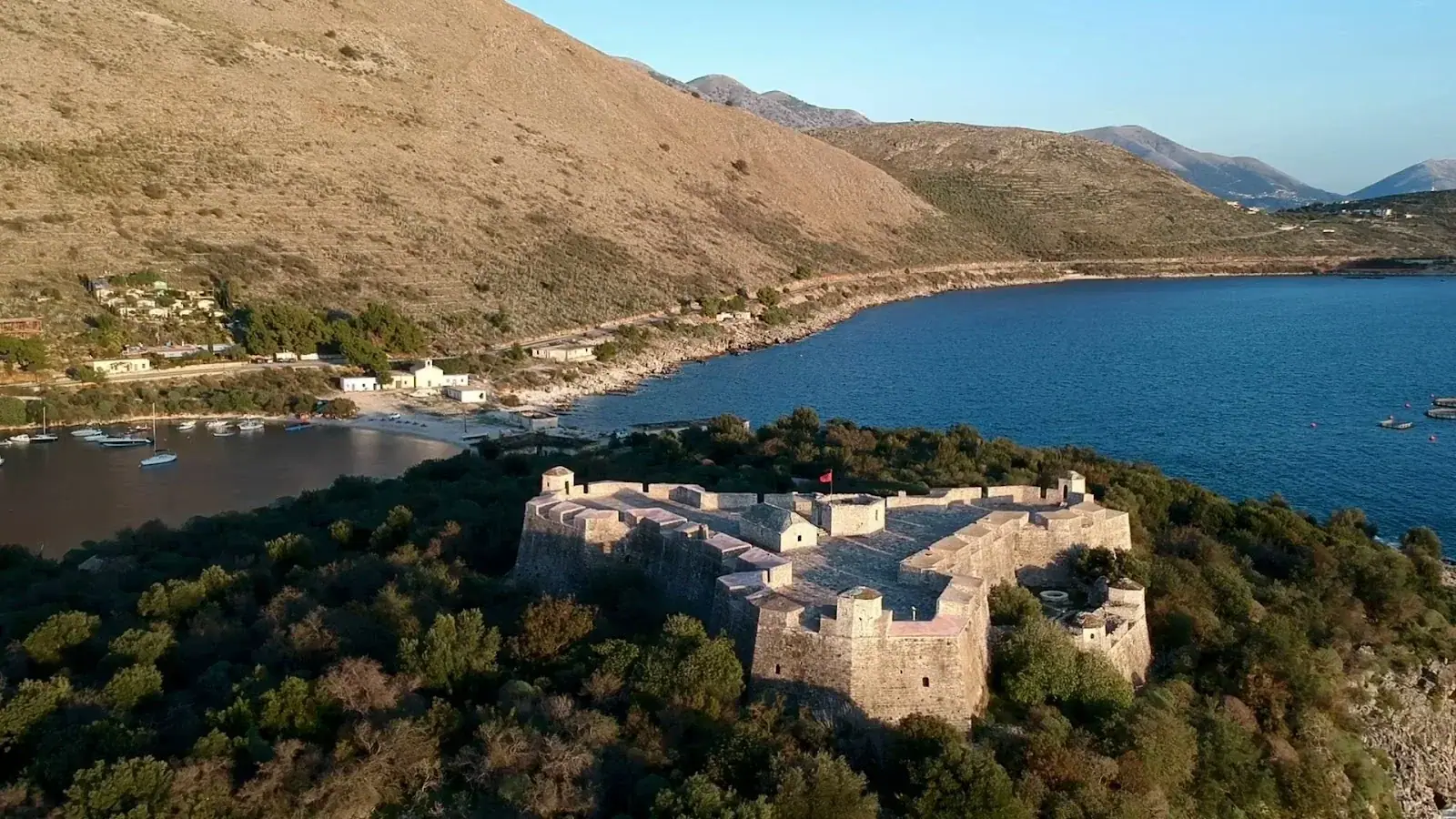
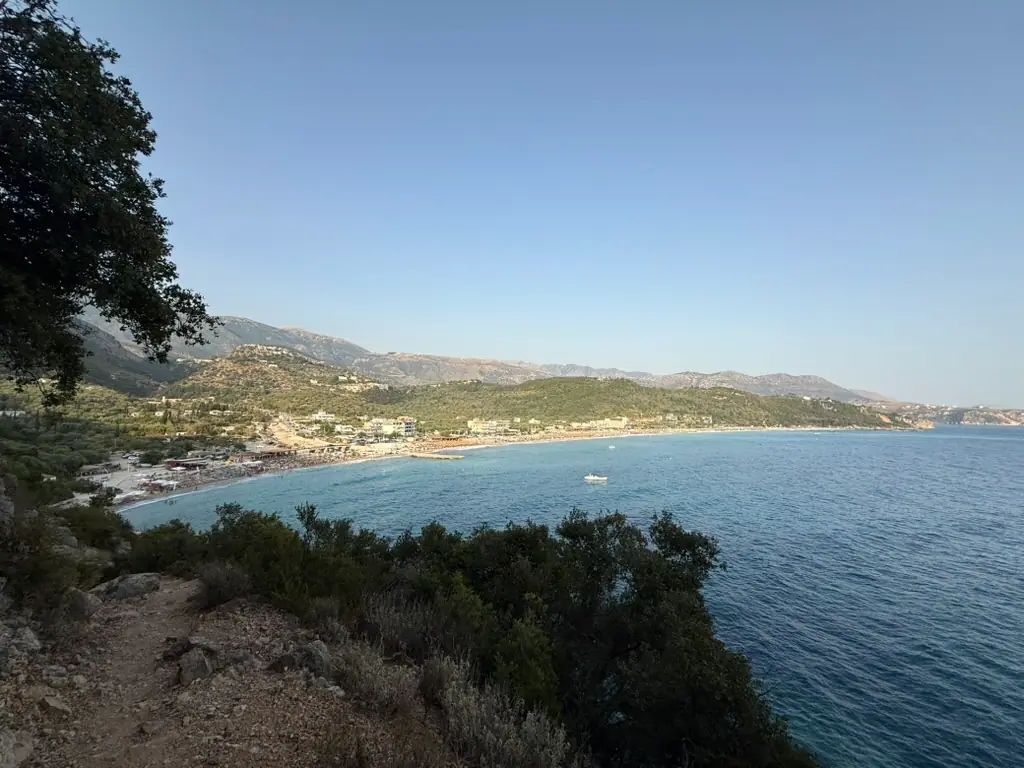
The Albanian Riviera has some of the clearest water in the Mediterranean, with visibility that regularly exceeds 15 meters. The Ionian coastline around Himara drops off into deep blue over rocky seabeds, sea caves, and submerged formations that make it one of the best places in southeastern Europe to put your face underwater. Here's where to snorkel and dive near Himara. For dive sites across the rest of the country, see our Albania diving guide.
Compare hotels, apartments, and Vrbo rentals on the map. Powered by Stay22.
Book tours & activities: Compare guided day trips, boat tours, and excursions on GetYourGuide.
Best snorkeling spots ranked
| Rank | Spot | Water Clarity | Accessibility | Marine Life | Best For |
|---|---|---|---|---|---|
| 1 | Filikuri Beach | Exceptional | Hard (hike/kayak) | Colorful fish, rocky formations | Experienced snorkelers |
| 2 | Akuarium Beach | Exceptional | Moderate (hike) | Fish in shallow cove | Photography, beginners |
| 3 | Gjipe Beach | Excellent | Moderate (hike/boat) | Caves, rock formations | Explorers |
| 4 | Llamani Beach | Excellent | Easy (short drive) | Large rocks, deep water species | Confident swimmers |
| 5 | Livadhi Beach | Very Good | Easy (drive/walk) | Fish near headlands | Beginners, families |
| 6 | Boat tour stops | Excellent | Easy (book a tour) | Caves, open water | Everyone |
1. Filikuri Beach: the best snorkeling near Himara
Filikuri Beach is the spot. A secluded cove between Himara and Llamani with clear turquoise water, colorful fish darting between rocky formations, and visibility that stretches far enough to feel like you're floating in air. The seabed is a mix of boulders, rock shelves, and sand patches, the kind of varied terrain that attracts marine life.
The catch: getting there takes effort. You either hike 20-30 minutes from Spile Beach along a coastal trail, paddle a kayak from town (about 30 minutes), or take a boat taxi. There are no facilities: no shade, no water, no vendors. You bring everything or go without.
That effort is also what makes it work. On most days, you'll share the water with fewer than a dozen people. The underwater world is undisturbed. Spend an hour floating along the rock edges with a mask and snorkel and you'll understand why people who've been here talk about it for years.
Tips: Bring your own snorkel gear. There's nowhere to rent at Filikuri. Pack at least 2 liters of water, sunscreen, and food. The afternoon sun hits the cove directly, so go in the morning for the best light underwater.
2. Akuarium Beach: glass-clear water in a tiny cove
Akuarium Beach earned its name. The water in this small cove is so transparent it looks like a swimming pool, with a turquoise-to-blue gradient that's almost surreal. The beach is barely big enough for a few dozen people, wedged between rocks with a pebble-sand floor that gives way to a shallow underwater landscape perfect for snorkeling without going deep.
Fish congregate in the rocky edges of the cove. The snorkeling here is more about the water clarity and the colors than about spotting rare species. It's an aquarium in the literal sense, bright and vivid and close enough to the surface that you can see everything without diving down.
The problem: Akuarium went viral on social media. By 11 AM in summer it's packed. Arrive before 10 AM or accept that you'll be snorkeling shoulder-to-shoulder.
Getting there: Hike 1.5 km from Livadhi Beach following red trail markings, or approach from Jale Beach with a 4x4.
3. Gjipe Beach: caves and canyon walls
Gjipe Beach is famous for its canyon setting, but the underwater terrain deserves its own reputation. At low tide, small caves and rock formations appear along the base of the canyon walls on both sides of the cove. Bring snorkel gear and explore these edges. The rock overhangs create sheltered pockets where fish gather, and the visibility in the shallow sections near the walls is outstanding.
The open water in front of the beach is deep and blue. Strong swimmers can snorkel farther out where the seabed drops away, but the best snorkeling is close to the rocks where the terrain is most varied.
Getting there: 30-minute hike from the parking area (15 km north of Himara), or by boat from Himara. The boat-in, hike-out combination is ideal, since it saves you the hot downhill walk and leaves you more energy for the water.
Tips: The cave formations are best explored at low tide when water levels drop and the entrances are more accessible. Morning is calmest. Read our full Gjipe Beach guide for trail details and logistics.
4. Llamani Beach: deep water over large rocks
Llamani Beach is different from the other spots on this list. Instead of shallow coves with sand patches, you get a deep bay surrounded by cliffs where large rocks and boulders sit on the seabed several meters below the surface. The depth creates a dramatic sense of scale. You're floating above a submerged landscape of house-sized stones with blue water fading into the distance.
This is snorkeling for confident swimmers. The water is deep close to shore, the seabed is far below in most places, and the rocky entry requires water shoes (the stones underfoot are large and unforgiving).
Getting there: Short drive south of Himara, then a gravel path to the beach. Easy car access.
Tips: Water shoes are essential, not optional. The best snorkeling is along the cliff edges on both sides of the bay. Don't come here expecting tropical-style reef. The appeal is the clarity, the depth, and the dramatic rock formations below you.
5. Livadhi Beach: easy access, good for beginners
Livadhi Beach is Himara's main long beach, 1.5 km of pebbles with shallow, family-friendly water. The snorkeling isn't the main draw, but the edges of the beach where it meets the rocky headlands on both the north and south ends are genuinely worth exploring with a mask.
The headland rocks create small underwater walls and shelves where fish gather. The water stays shallow enough to touch bottom, making it comfortable for beginners and children trying snorkeling for the first time. You won't find Filikuri's clarity, but you also won't need to hike 30 minutes to get there.
Tips: Walk to either end of the beach where the pebbles give way to rocks. That's where the snorkeling starts. The south end toward the cliffs tends to have better marine life. Rent or buy a mask in Himara town and bring it here for an easy afternoon session.
6. Boat tour snorkeling stops
The boat tours from Himara visit several spots along the coast that are only accessible by water, and some of them are excellent for snorkeling:
- Pirate's Cave. The boat motors into a dramatic sea cave. The water inside glows turquoise where sunlight enters through gaps in the rock. You can swim here, and with a mask the underwater visibility inside the cave is striking.
- Blue Cave. A smaller cave where reflected light turns the water an intense blue. Snorkeling inside gives you a view of the rock walls extending below the waterline.
- Crystal Beach. An open-water stop with underwater rock formations and fish. Purpose-built for swimming and snorkeling.
- Aquarium Bay, named for its water clarity. A snorkeling stop on the Grama Bay full-day tour.
Most group boat tours include basic snorkel gear (masks). If you want serious snorkeling time at these stops. Book a private boat and request longer snorkeling stops, because group tours tend to keep moving.
Scuba Diving
While Himara is primarily a snorkeling destination, scuba diving is possible through regional operators. The Albanian Riviera doesn't have coral reefs. What it has is rocky Mediterranean terrain: overhangs, caves, walls dropping into deep blue, fields of posidonia (seagrass), and the fish that come with them. Think grouper, octopus, sea bream, moray eels, and occasional barracuda. The water clarity makes up for the lack of tropical color. You can browse Albania snorkeling and diving experiences for guided options out of Saranda, Ksamil, and Vlora.
What you'll see underwater
The Ionian coast around Himara is Mediterranean marine habitat. Here's what to look for while snorkeling and diving:
Fish: Sea bream (the most common), damselfish, wrasse, blennies hiding in rock crevices, occasional schools of sardines and anchovies in open water. Near rocky formations you may spot grouper and moray eels peering from holes. Octopus are present but masters of camouflage, so look for the telltale pile of shells near a rock crevice.
Invertebrates: Sea urchins (watch where you step and where you put your hands), starfish on sandy patches, sea cucumbers on the deeper seabed. Hermit crabs in the shallows near rocky beaches.
Plant life: Posidonia oceanica (Neptune grass) meadows in sandy areas. These seagrass beds are a sign of clean water and harbor their own ecosystem of small fish and crustaceans. Don't anchor in them; they're a protected habitat across the Mediterranean.
Rock formations: Underwater caves at Gjipe, dramatic overhangs along the Karaburun Peninsula, boulder fields at Llamani, and the distinctive rocky shelves at Filikuri that create corridors and channels fish use for shelter.
Visibility: On a calm summer morning. Expect 15-25 meters of visibility. After wind or rain, it drops to 5-10 meters. The clearest water is typically in June and September when there's less boat traffic and less particulate.
Where to rent or buy gear
Snorkel gear
Bring your own mask and snorkel if you can. Rental availability in Himara is limited and unreliable. Here's the current situation:
- Boat tour operators provide basic snorkel masks on tours (included in price), but the quality varies and fit is hit-or-miss.
- Beach vendors at the larger beaches (Livadhi, Spile) occasionally rent masks, but don't count on it.
- Shops in Himara town sell cheap masks and snorkels (10-20€), functional for a trip but not high quality.
- Best option: Bring a mask and snorkel from home. Even a 20€ set from a sports store will outperform anything you'll find locally. A mask that fits your face makes the difference between an enjoyable session and a frustrating one full of water leaks.
Water shoes
Essential for most beaches near Himara. The entries are pebble or rocky, and sea urchins populate the shallows at several spots. Bring water shoes from home or buy a pair in Himara (available at small shops in town, 10-15€). You'll use them every single beach day.
Wetsuit
Not needed from June through September. Water temperatures range from 22-26 degrees C in those months, comfortable for extended snorkeling in just a swimsuit. In May and October the water drops to 18-20 degrees C, and a thin wetsuit (2-3mm shorty) is helpful if you plan to spend more than 30 minutes in the water. Dive operators provide wetsuits for scuba.
Best conditions and timing
Time of day
Morning (before 10 AM) is best for snorkeling. The water is calmest, visibility is highest, and the low-angle light penetrates the surface cleanly. Afternoon wind picks up along this coast most days, creating surface chop that reduces visibility and makes snorkeling less pleasant.
Month by Month
| Month | Water Temp | Visibility | Wind/Sea | Verdict |
|---|---|---|---|---|
| May | 18-20 degrees C | Excellent | Occasional wind | Cool water, wetsuit helpful. Dive season starts. |
| June | 21-23 degrees C | Excellent | Calm | Best month for snorkeling. Warm enough, few crowds. |
| July | 24-26 degrees C | Very Good | Afternoon chop | Warm water, more boats. Go early. |
| August | 25-26 degrees C | Good | Afternoon chop | Peak crowds, boat traffic reduces clarity slightly. |
| September | 23-25 degrees C | Excellent | Calm | Warm water, fewer people. Best all-around month. |
| October | 20-22 degrees C | Very Good | Variable | Cooling, some operators closing. Call ahead. |
Peak snorkeling conditions: A calm June or September morning at Filikuri or Akuarium, with 20+ meters of visibility and water warm enough to stay in for an hour. That's as good as Mediterranean snorkeling gets.
Tides and currents
Tidal range in the Ionian is minimal (under 30 cm), so tide timing matters less here than in the Atlantic. However, low-tide periods expose more rock at the base of cliffs, which is useful at Gjipe where the cave formations become more accessible.
Currents are generally mild near shore. Open-water areas between headlands can have stronger flow. Stay close to the coastline and don't snorkel alone in unfamiliar spots.
Boat tours with snorkeling
If you want snorkeling without the hiking, a boat tour is the most efficient way to hit multiple spots in one outing. The tours aren't snorkel-specific, but the swimming stops double as snorkeling opportunities.
Half-day tour (Pirate's Cave route)
| Price | ~30€ per person (group) |
| Duration | 2.5-4 hours |
| Snorkeling stops | Crystal Beach, swimming coves, cave entries |
| Gear included | Basic snorkel masks |
The standard Pirate's Cave tour includes 2-3 swimming stops where you can snorkel. Crystal Beach is the designated snorkeling spot with rock formations and fish. The caves offer unique underwater views but limited time, since the group moves quickly.
Full-day tour (Grama Bay route)
| Price | ~60€ per person (group) |
| Duration | 5-6 hours |
| Snorkeling stops | Aquarium Beach, Crystal Beach, Grama Bay, additional coves |
| Gear included | Basic snorkel masks |
The full-day tour gives you significantly more water time. The Grama Bay stop alone is 1-1.5 hours, enough for a proper snorkeling session. Aquarium Beach is a highlight with its glass-clear water.
Tips for snorkeling on boat tours
- Bring your own mask. The provided ones leak and fog. Your own well-fitted mask transforms the experience.
- Request snorkel-focused stops. On private tours (150€-500 depending on route). You can ask the captain to linger at the best snorkeling spots.
- Sit near the exit. Be first in the water at each stop to get the most time snorkeling before the group moves on.
- Bring water shoes. Some swimming stops involve climbing onto rocks.
Safety tips
General snorkeling safety
- Never snorkel alone. Always have someone on shore or in the water who knows where you are. Even experienced swimmers get cramps, hit by boats, or disoriented.
- Check conditions before entering. If the sea is choppy or visibility is poor. Skip it. There's always tomorrow.
- Stay close to shore. The coastline near Himara drops off quickly. What looks like a short swim can put you in deep, open water with currents.
- Watch for boats. Speedboats and jet skis operate along this coast in summer. Stay in designated swimming areas at busy beaches. At remote spots, use a brightly colored snorkel or float to increase visibility.
- Sea urchins. Present on rocky surfaces in the shallows at almost every beach near Himara. Wear water shoes. If you step on one, vinegar helps dissolve the spines, and pharmacies in town stock it.
Sun and heat
The Ionian sun is intense, and water reflects it directly into your face. Sunburn on your back, shoulders, and the backs of your legs is the most common snorkeling injury on the Riviera. Wear a rash guard or apply waterproof sunscreen to exposed skin before every session. Reapply after 30 minutes in the water, even if the sunscreen claims to be water-resistant.
Dehydration sneaks up on you when you're in the water. Drink before you snorkel, bring water to the beach, and drink again immediately after.
Scuba safety
All scuba diving near Himara should be done through a certified operator. Don't attempt shore dives without local knowledge. The underwater terrain includes caves and overhangs that require experience to navigate safely. If you hold an open-water certification. Bring your card and logbook. If you don't, a Discover Scuba program is the safe entry point.
Planning your snorkeling days
If you have one day
Go to Filikuri Beach. Hike or kayak in the morning, snorkel for 2-3 hours, and return to Himara by mid-afternoon. This is the single best snorkeling experience near Himara.
If you have two days
Day 1: Filikuri Beach in the morning for serious snorkeling. Afternoon at Livadhi Beach to explore the headland edges with a mask.
Day 2: Half-day boat tour hitting Pirate's Cave and Crystal Beach. Afternoon at Akuarium Beach if you can arrive before the crowds.
If you have three or more days
Add a full-day Grama Bay boat tour for the Aquarium Beach stop and extended swimming time. Try Gjipe Beach with snorkel gear to explore the canyon wall caves. Revisit Filikuri on a calm morning; it's worth going twice.
See our 3-Day Himara Itinerary and Best Beaches in Himara for full trip planning.
Prefer a guided session? Browse Albanian Riviera snorkeling and diving tours on GetYourGuide for fixed prices, free cancellation, and verified reviews.
Frequently asked questions
Is the snorkeling in Himara good?
Yes. The water clarity along the Albanian Riviera rivals the best in the Mediterranean, with visibility of 15-25 meters on calm days. The rocky coastline creates varied underwater terrain with fish, caves, and rock formations. It's not tropical reef snorkeling, but for the Mediterranean it's outstanding.
Where is the best snorkeling near Himara?
Filikuri Beach is the best overall snorkeling spot near Himara. Clear turquoise water, colorful fish, and rocky formations in a secluded cove. Akuarium Beach is a close second for its unreal water clarity.
Do I need to bring my own snorkel gear?
Strongly recommended. Rental availability in Himara is limited and inconsistent. Boat tours provide basic masks, but they often leak. A well-fitted mask and snorkel from home (even a budget set) will make a significant difference. Water shoes are essential, so buy a pair in town if you didn't pack them.
Can beginners snorkel in Himara?
Yes. Livadhi Beach has shallow water and easy access, making it ideal for first-time snorkelers. Akuarium Beach is also beginner-friendly in the shallow sections of the cove. Avoid Llamani and Filikuri until you're comfortable in deeper water.
How much does scuba diving cost in Himara?
Dives start from 40€ per dive (shore) or 110€ (boat). Operators offer Discover Scuba / Try Scuba for beginners (from 70€) and full-day two-dive packages for certified divers. Dive operations generally run from May through October.
When is the best time to snorkel in Himara?
June and September offer the best combination of warm water (21-25 degrees C), excellent visibility, and fewer crowds. Time of day matters too, so go before 10 AM for the calmest water and best clarity. July and August work fine but morning sessions are essential as afternoon wind stirs up the surface.
Are there jellyfish in the water?
Jellyfish appear occasionally, most commonly in late August and September when currents bring them inshore. They're usually the common Mediterranean species (moon jellyfish) with a mild sting. Locals can tell you about current conditions. If you see them, snorkel with a rash guard for protection.
Can I snorkel at the beaches without a boat?
Absolutely. The best shore-accessible snorkeling is at Filikuri (hike or kayak in), Akuarium (hike in), Gjipe (hike or boat), and the headland edges of Livadhi (walk from the beach). You only need a boat for the cave stops and more remote coves along the Karaburun Peninsula.