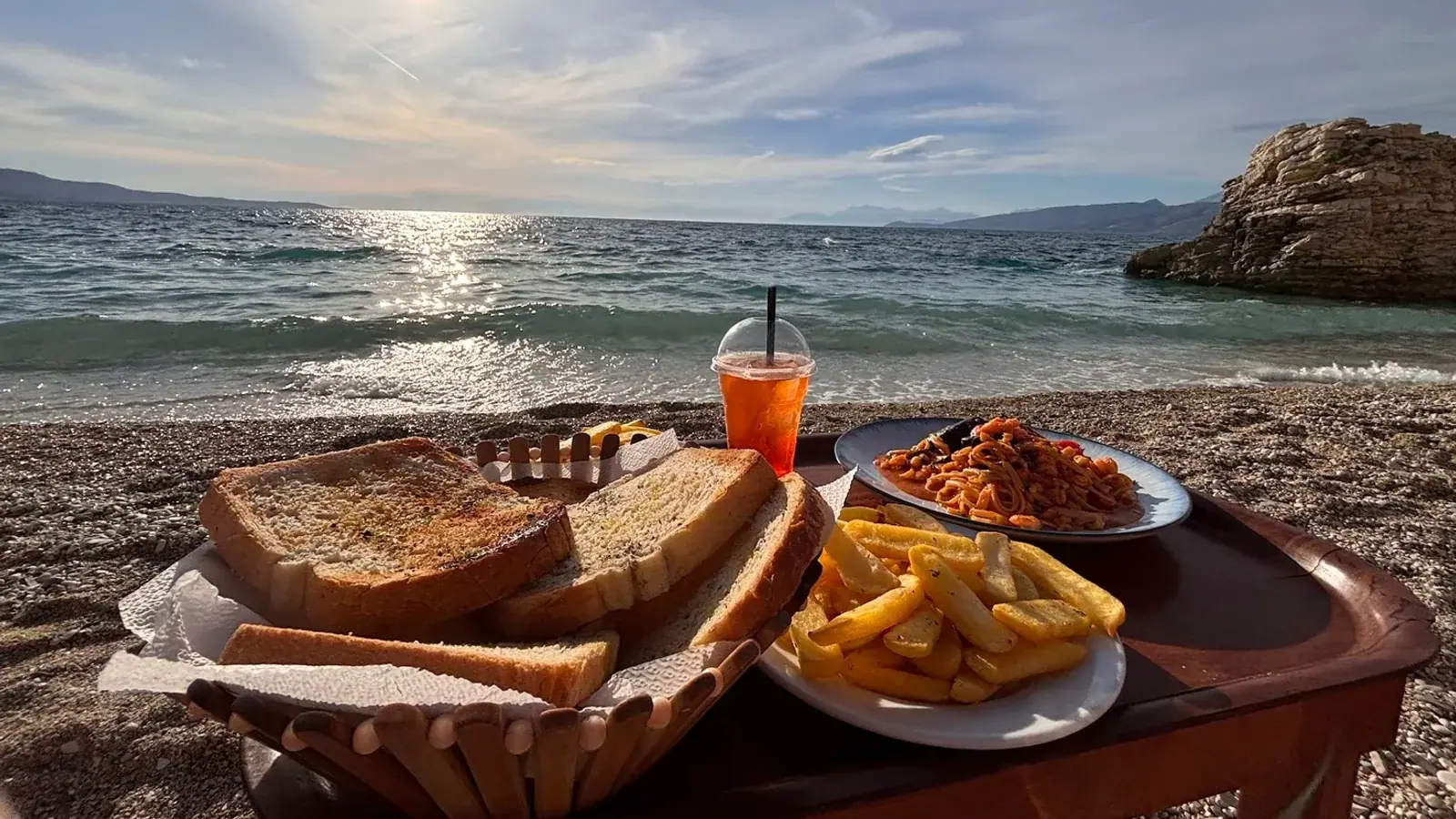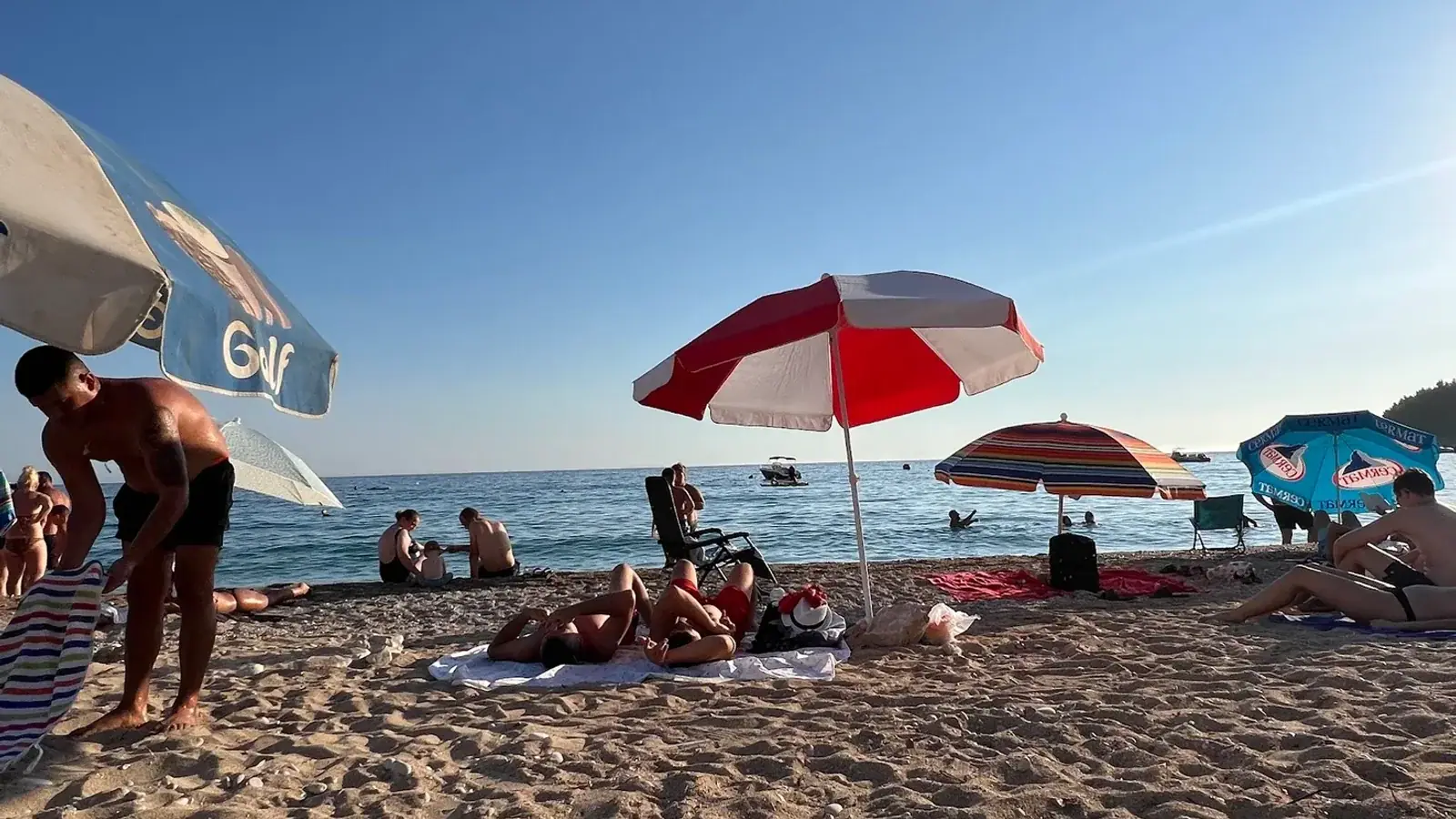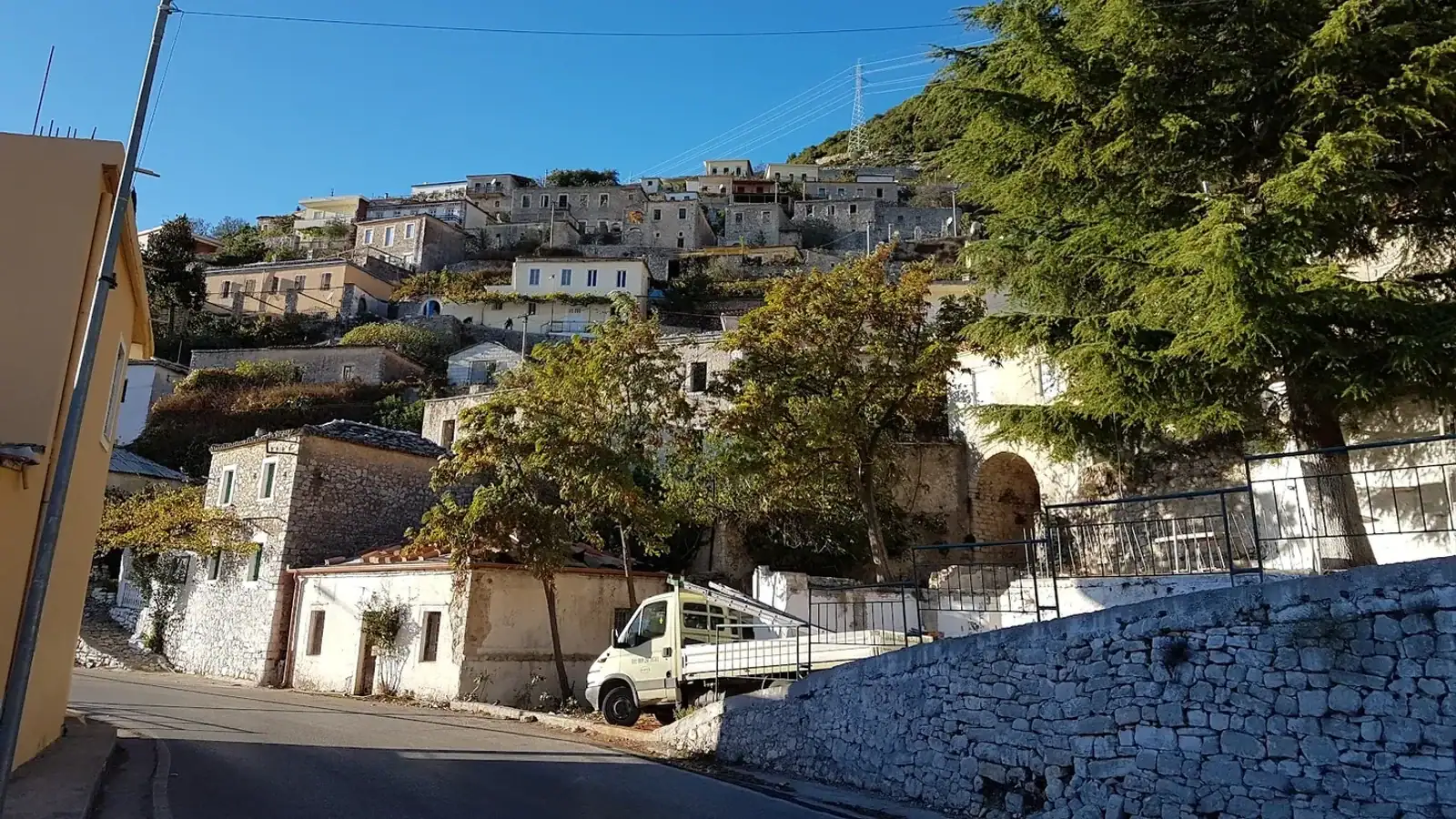
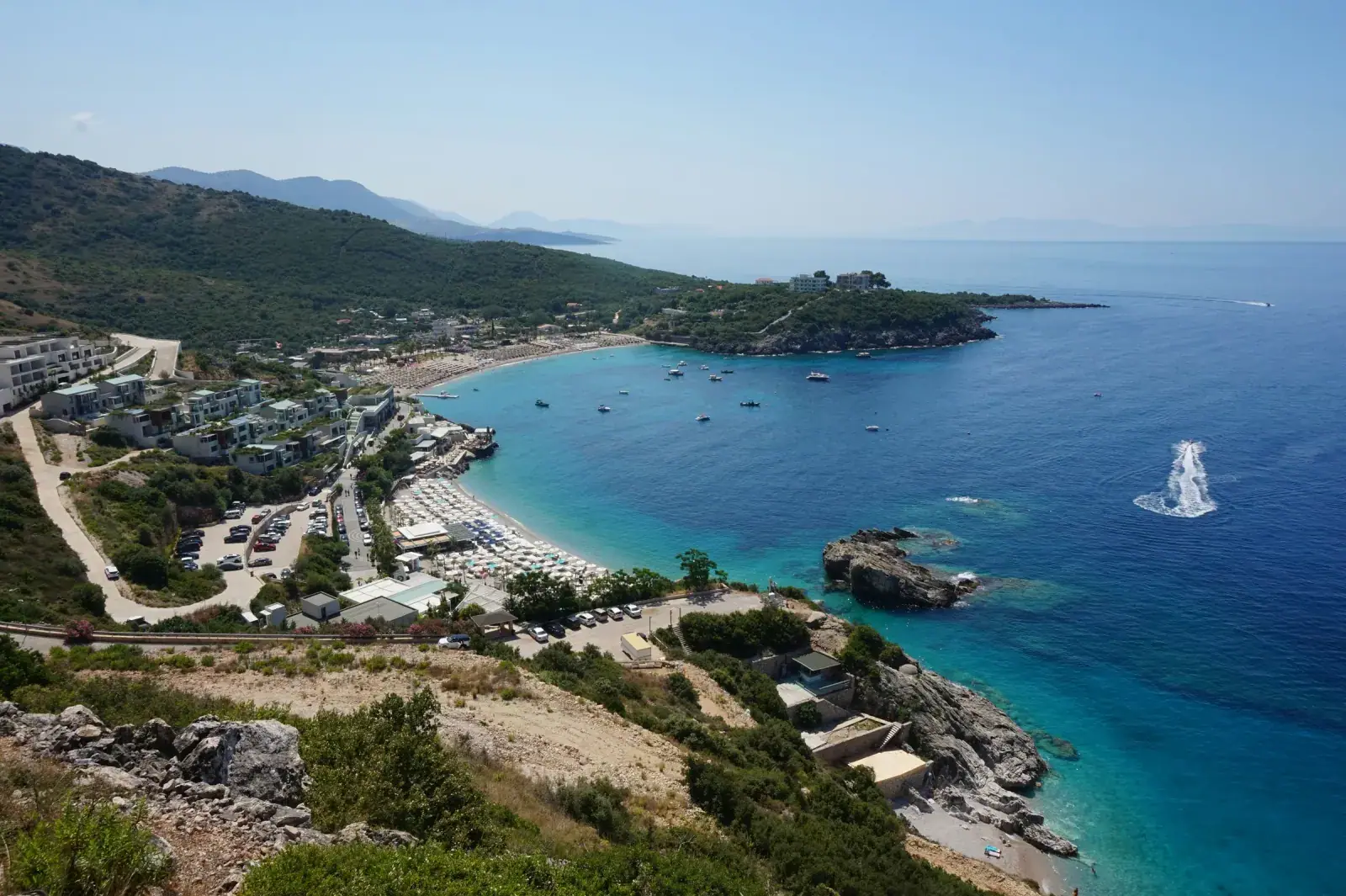
Himara in July is the Albanian Riviera running at full power. Beaches busy from mid-morning, every restaurant with an evening queue, nightlife thumping seven nights a week, and the Ionian Sea warm enough to stay in for hours. Himara in July is unmistakably peak season, but it's peak season with one clear advantage over August: the crowds haven't yet reached their ceiling. Prices are high but not at their absolute max, and the overall experience still has breathing room. July is the month where everything the riviera offers is available and running at capacity, but the machine hasn't been redlined yet. The first half of July especially carries a trace of June's manageability. The second half is a dress rehearsal for August.
This guide breaks down exactly what to expect, what it costs, and how to time your visit.
Compare hotels, apartments, and Vrbo rentals on the map. Powered by Stay22.
Quick July snapshot
| Detail | July Reality |
|---|---|
| Air Temperature | 27-34°C (81-93°F) |
| Sea Temperature | 23-26°C (73-79°F), warm, perfect swimming |
| Rain Days | 1-3 per month |
| Crowds | High. Beaches fill by 10-11 AM. |
| Hotel Prices | Near peak, below August, above June |
| Restaurants Open | All, full hours |
| Beach Bars | All open, full schedule every night |
| Boat Tours | Daily departures, multiple operators |
| Nightlife | Full swing, bars, beach clubs, rooftop parties |
| Overall Vibe | High energy, full services, not yet at breaking point |
Weather in July
July weather in Himara is hot, predictable, and relentless. Daytime temperatures sit at 27-30°C in the first half and push toward 32-34°C by month's end. Some days spike higher. Nights stay warm at 20-24°C, comfortable for outdoor dining and too warm for sleep without air conditioning. If your accommodation doesn't have working AC, this is the month where that stops being tolerable.
Rain is negligible: 1-3 days per month, and most of those are brief afternoon storms that blow through in under an hour. You'll see dramatic clouds build over the mountains behind town, hear thunder. Watch a downpour for 30 minutes, and then the sun comes back. Planning around rain in July is unnecessary. It won't meaningfully disrupt anything.
Humidity is noticeable. Not the constant oppression of late August, but enough that midday in town feels heavy. The coastal breeze is your best friend. Beaches at Livadhi and Spile catch it directly, which makes a significant difference. Inland spots and sheltered coves can feel airless at midday.
UV is serious. At these latitudes, in July, sunburn happens in 20-25 minutes of unprotected exposure. The sea surface amplifies it. Sunscreen (SPF 50), a hat, and shade during 12-3 PM are non-negotiable.
What to pack: Light summer clothing, multiple swimsuits (humidity means slow drying), high-SPF sunscreen, sunglasses, a wide-brimmed hat, comfortable sandals, and a reusable water bottle. You'll drink 2-3 liters a day easily. A light layer for evening boat rides is nice but not essential. For more month-by-month context, see our Himara weather guide.
Sea temperature and swimming
July is when the Ionian Sea hits its stride. Water temperature ranges from 23-26°C through the month, warm enough to walk in without hesitation, float for an hour, and never think about the cold. Early July sits around 23-24°C, which is comfortable and refreshing simultaneously. By late July, you're at 25-26°C, approaching the warmest the sea gets all year. For comparison, this is a meaningful jump from June's 21-24°C and only a degree or two below August's peak.
Water clarity remains good, though heavier boat traffic and beach foot traffic start to affect the shallows at popular beaches compared to June. At less-visited spots like Filikuri, or Gjipe on weekday mornings, visibility is still exceptional.
Best swimming beaches in July:
- Livadhi Beach. Warmest water in the shallow bay, easy access, full sunbed service. Arrive early or go in the golden-hour window (5-7 PM).
- Jale Beach. South-facing, consistently warm water, beach bars right there when you come out. Fills fast on weekends.
- Llamani Beach. Small sheltered cove that traps warm water. Limited space means it crowds quickly, so go early or midweek.
- Gjipe Beach. The hike or boat ride filters out some crowds even in July. Canyon backdrop, turquoise water.
- Filikuri Beach. The steep descent keeps this beach more manageable than its neighbors. Bring water and snacks; no services.
For the full breakdown, see our beaches guide.
Crowds and beach timing strategy
July crowds are real and require strategy. The first two weeks of July feel like late June intensified, busy but workable. The second half, particularly after mid-July when European school holidays fully kick in, approaches August levels. Here's how to handle it:
The timing rules:
- Arrive by 9-10 AM at popular beaches (Livadhi, Jale, Dhermi). By 10-11 AM, sunbeds are claimed and the free sections of sand are filling fast. Late arrivals on weekends will struggle.
- Midday retreat (12-3 PM): The heat peaks and the beach is at maximum capacity simultaneously, the worst possible combination. This is your window for a long lunch in a shaded taverna, a nap at your hotel, or exploring the old town. Don't fight midday.
- The golden window (5-7 PM): Temperatures drop, families with young children start leaving, and the light turns warm. This is the best beach time in July, with warm water, softer sun, more space, and a sunset on west-facing beaches worth waiting for.
- Weekdays vs weekends: The difference is stark. Monday through Thursday at Livadhi in July is busy but manageable. Saturday at Livadhi is a different planet. If you have flexibility, weight your beach days toward midweek and save weekends for boat tours, day trips, or the less accessible beaches.
Morning beach, midday shade, evening exploration. This is the rhythm that works. Fight it and you'll be exhausted by day three.
Parking: Difficult at popular beaches, especially on weekends. Himara town parking fills by mid-morning. If your hotel is within walking distance of your preferred beach, don't drive. Scooter rentals solve the problem for more distant beaches without the parking headache.
What's open in July
Everything. No exceptions, no variability, no "is it open?" gambles:
- All restaurants and tavernas. Full menus, full hours. Both town-center spots and beachfront dining running at capacity. Popular places with terrace seating may need a reservation for weekend dinners.
- All beach bars. BOHO Livadh on Livadhi Beach runs DJ sets and cocktail nights throughout the week, not just weekends. Favela at Jale is in full tropical-party mode nightly. Rescue beach club is operational. Coba is spinning deep house most nights.
- Boat tour operators. Daily departures to hidden beaches, Gjipe, Filikuri, Porto Palermo, and sunset cruises. Group tours run 2,500-4,000 lek (25-40 EUR) per person. Private half-day charters run 15,000-25,000 lek (150-250 EUR). Book 2-3 days ahead for group tours.
- Water sports. Kayak, paddleboard, jet ski and parasailing are all operational at Livadhi and Dhermi. Walk-up availability most days.
- Nightlife. Full swing. Every bar on the promenade open late, beach club parties running, rooftop bars packed. The energy is high and consistent through the month. See our nightlife guide for the full scene.
- Scooter and car rentals. All agencies running. Book 2-3 days ahead for weekends; weekday availability is usually fine.
- All services. Minimarkets (extended hours), pharmacies, ATMs, everything a tourist needs including seasonal beach-side outposts.
Where to stay in July
Every property is open. Prices are near their peak, higher than June and slightly below August's maximum. The key constraint in July is availability: popular mid-range properties book out fast, especially for the second half of the month.
| Property | Style | July Price Range | Notes |
|---|---|---|---|
| Hotel Prado | Upscale beachfront | 18,000-35,000 lek (180-350 EUR) | Lower end early July, peak late July. Book 6+ weeks. |
| Miamar Hotel | Mid-upper range | 15,000-28,000 lek (150-280 EUR) | Popular with returning guests. Book 4-6 weeks. |
| Rapo's Resort | Comfortable mid-range | 10,000-16,000 lek (100-160 EUR) | Best value at this tier. Book 4+ weeks. |
| Nia Boutique | Boutique budget-friendly | 7,000-13,000 lek (70-130 EUR) | Fills fast. Book early. |
| Geo & Art | Budget option | 5,500-9,000 lek (55-90 EUR) | Most affordable option in town. Still book 3-4 weeks ahead. |
Early July (1-15): Slightly better availability and occasional rates that haven't fully jumped to peak pricing. If your dates are flexible, the first two weeks offer better value.
Late July (16-31): Availability tightens sharply as European holidays begin in full. Prices hit their July ceiling. If you have fixed dates in this window, don't wait. The best rooms go to planners.
For full hotel recommendations, see our where to stay guide and our hotels page.
Budget: what July costs
July is expensive, not quite August's peak but noticeably above June. Here's a realistic daily budget for two people:
Budget traveler (per day, two people)
| Expense | Cost |
|---|---|
| Accommodation (budget room) | 6,000-10,000 lek (60-100 EUR) |
| Meals (local tavernas, no alcohol) | 3,500-5,000 lek (35-50 EUR) |
| Coffee and snacks | 500-800 lek (5-8 EUR) |
| Beach (free section, no sunbed) | 0 lek |
| Transport (walking/scooter) | 300-800 lek (3-8 EUR) |
| Daily Total | 10,300-16,600 lek (103-166 EUR) |
Mid-range traveler (per day, two people)
| Expense | Cost |
|---|---|
| Accommodation (mid-range hotel) | 12,000-18,000 lek (120-180 EUR) |
| Meals (seafood restaurants, drinks) | 6,000-8,000 lek (60-80 EUR) |
| Drinks and cocktails | 1,500-2,500 lek (15-25 EUR) |
| Sunbed rental | 600-1,200 lek (6-12 EUR) |
| Boat tour or activity | 3,000-5,000 lek (30-50 EUR) |
| Daily Total | 23,100-34,700 lek (231-347 EUR) |
The single biggest saving lever is accommodation booked early. Last-minute July rooms can run 25-40% more than advance rates. For more tips, see our budget guide.
When to book for July
Timing matters more in July than in any month except August. The booking windows:
- Accommodation: Book 4-6 weeks ahead minimum. For late July (after the 15th), 6 weeks is safer. Premium properties like Prado and Miamar fill earlier, 6-8 weeks for the most desirable rooms. This isn't a suggestion; it's the difference between getting a room you want and scrambling for whatever's left.
- Flights to Tirana: Book 4-6 weeks ahead. Summer routes have good capacity but prices climb steeply within a month of departure.
- Car rental: Book 3-4 weeks ahead. Albanian rental stock is limited and summer demand is real. See our how to get to Himara guide for transport options.
- Boat tours: Book 2-3 days ahead for group tours, especially weekends. Private charters need a week's notice for premium weekend slots.
- Restaurant reservations: For popular terrace spots on Friday and Saturday nights. Book the day before or by midday. Weeknight walk-ins generally work.
For the broader booking strategy across months, see our accommodation booking guide.
July vs August: the real comparison
This is the question most travelers ask, and the answer matters. Here's the honest breakdown:
| Factor | July | August |
|---|---|---|
| Air Temp | 27-34°C | 28-35°C, often above 35°C |
| Water Temp | 23-26°C | 25-27°C, warmest |
| Hotel Price (mid-range double) | 100-180 EUR | 150-280 EUR |
| Beach Crowds | High | Maximum |
| Nightlife | Full swing | Peak+ with special events |
| Traffic | Heavy on weekends | Severe, especially around Aug 15 |
| Booking Lead Time | 4-6 weeks | 6-8 weeks |
| Restaurant Waits | Sometimes on weekends | Common at popular spots |
| Parking | Difficult | Near-impossible at peak times |
| Overall Value | Better balance of price and experience | Highest energy, lowest value |
The verdict: July is the smarter choice for most travelers. You get warm water, full nightlife, everything open, and genuine peak-season energy, without August's extreme crowds, worst traffic, highest prices, and the frantic August 15 week. The first half of July especially hits a sweet spot: summer in full swing but the coast hasn't reached maximum density. August only wins if you specifically want the warmest possible water (1-2 degrees warmer), the peak-of-peak social energy, or you're locked to August holidays.
For more on choosing between months, see our best time to visit Himara guide.
Who should visit Himara in July
July is ideal for:
- Beach lovers who want warm water and full services. 23-26°C water, every beach fully equipped, sunbed service everywhere. July delivers the complete summer beach experience.
- Couples. Warm evenings, beachfront dining, sunset cocktails, nightlife that's lively without being overwhelming. Late July weekends bring the most energy.
- Groups of friends. Beach bars, boat tours, nightlife every night, and enough restaurant variety to keep everyone satisfied. July has the social energy without August's logistical stress.
- Nightlife seekers. Every bar and beach club is running full schedule. The party scene is fully operational seven nights a week.
- Travelers who want peak season without peak chaos. This is July's core value proposition. Everything is open and buzzing, but you're not fighting for every sunbed and parking spot the way you would in August.
Who should consider another month:
- Heat-sensitive travelers. Temperatures above 32°C are standard in late July. If you overheat easily, June or September offers the same beaches at more comfortable temperatures.
- Budget travelers. July is expensive. The same room costs 30-40% less in early June and the experience is nearly as good. If budget is your primary constraint, shoulder season months deliver far better value.
- Travelers who want quiet beaches. July beaches have people, noise, and music. If your ideal day involves an empty stretch of sand, visit in April, May, or October.
- Hikers. The heat limits hiking to early mornings (before 9 AM). If hiking is your primary activity, spring or fall is the responsible recommendation.
- Spontaneous travelers. July punishes last-minute planning. Without advance bookings, you'll pay premium prices for subpar accommodation and may find popular tours full.
Planning for a different month?
Himara in June ← | → Himara in August
Full year comparison: Best Time to Visit Himara
Before you go
Check current Albania visa rules for 2026 before booking.
Frequently asked questions
Is the sea warm enough for comfortable swimming in Himara in July?
Yes. This is one of July's strongest selling points. The Ionian Sea reaches 23-26°C through the month, which is warm enough for long, comfortable swims with no cold shock whatsoever. You can float for an hour, swim out to rocks, and stay in the water as long as you want. This is significantly warmer than June's early weeks (21-22°C) and only marginally below August's peak (25-27°C). Water temperature alone is not a reason to choose August over July.
How crowded is Himara in July compared to August?
Busy, but noticeably less than August. The first half of July feels like the coast is operating at high capacity but not overflowing. You can find sunbeds at popular beaches if you arrive by 10 AM, restaurants don't always need reservations, and parking exists (if tight). The second half of July approaches August levels, especially on weekends. August, by contrast, is the busiest month of the year: beaches at absolute capacity, 30+ minute restaurant waits, traffic gridlock on the SH8, and the August 15 week pushing everything to its limits. July gives you roughly 85% of August's energy at 70% of the crowd level.
Should I visit Himara in early July or late July?
If you have the choice, early July (1-15) offers better value and slightly more manageable crowds. Accommodation prices haven't fully peaked, beaches are busy but not sardine-packed, and the overall pace is more sustainable. Late July (16-31) is hotter, more crowded, and more expensive. It's effectively a preview of August. The trade-off is that late July has marginally warmer water and more intense nightlife energy. For most travelers, early July is the better bet.
What's the nightlife like in Himara in July?
Full swing, every night of the week. Beach bars like BOHO Livadh and Favela host DJ sets and cocktail parties throughout the week, not just weekends. Promenade bars in town are open late and lively. Coba draws the electronic music crowd. Rooftop parties and special events happen regularly. The energy is distinctly more intense than June. July is when the nightlife reaches its sustained peak and stays there through August. For the complete rundown, see our nightlife guide.
Is July good value compared to June and August?
July sits in the middle. Accommodation runs roughly 15-25% more than June and 10-20% less than August. The experience-to-cost ratio favors June for value-conscious travelers, but July delivers noticeably warmer water and more consistent nightlife energy. Compared to August, July is clearly better value, with similar weather, slightly cooler water, meaningfully lower prices, and far less crowd stress. The sweet spot for most travelers is early July, which combines near-peak conditions with prices that haven't fully hit their ceiling.
For more practical information about visiting Himara, see our practical info page.