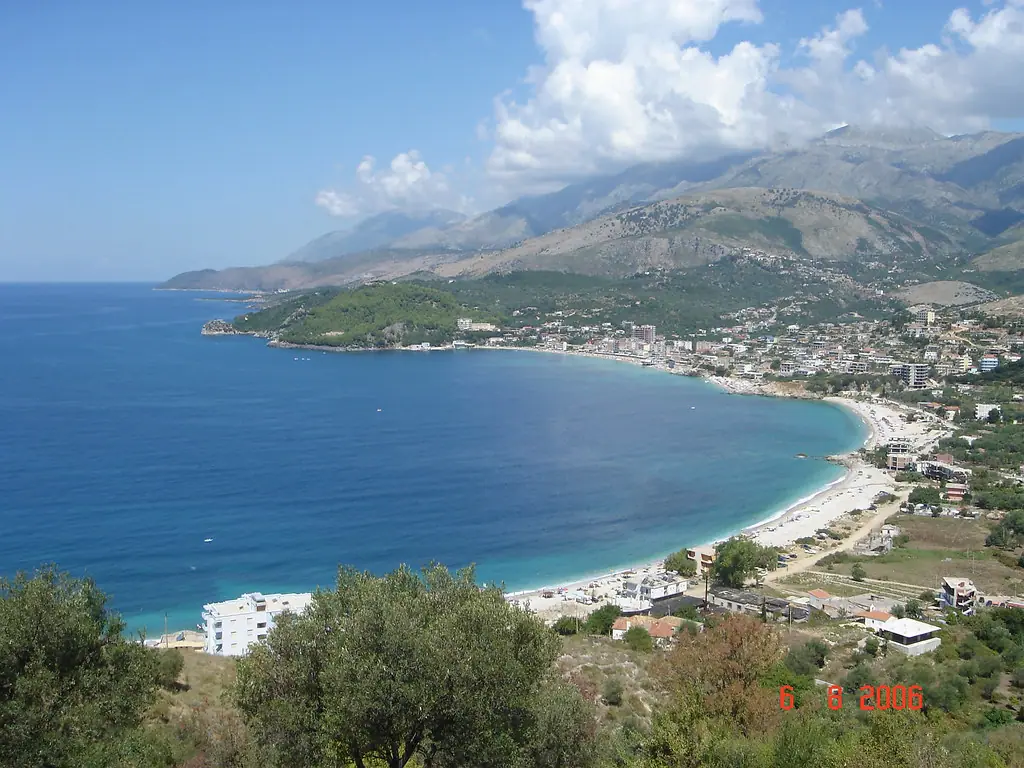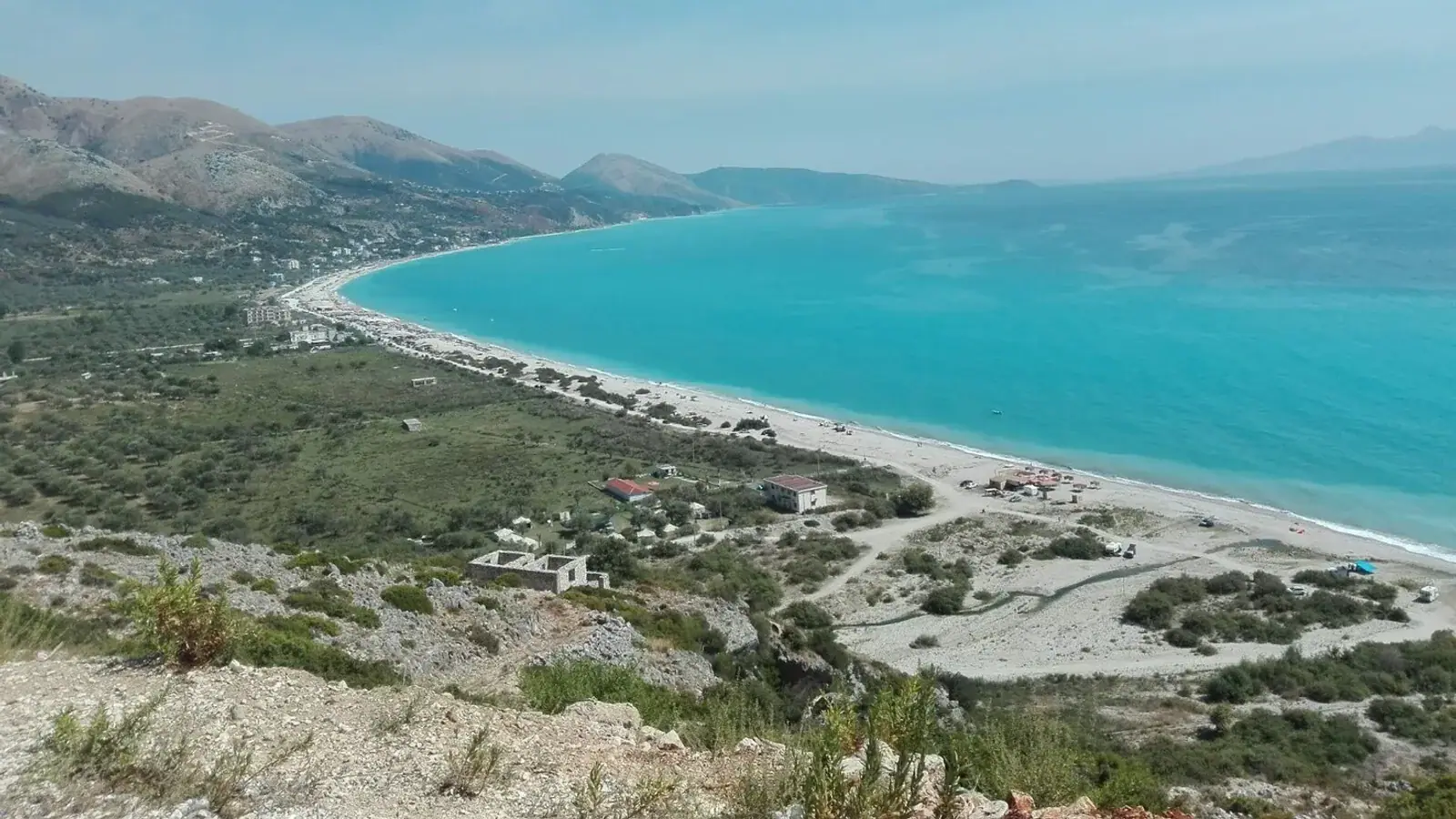
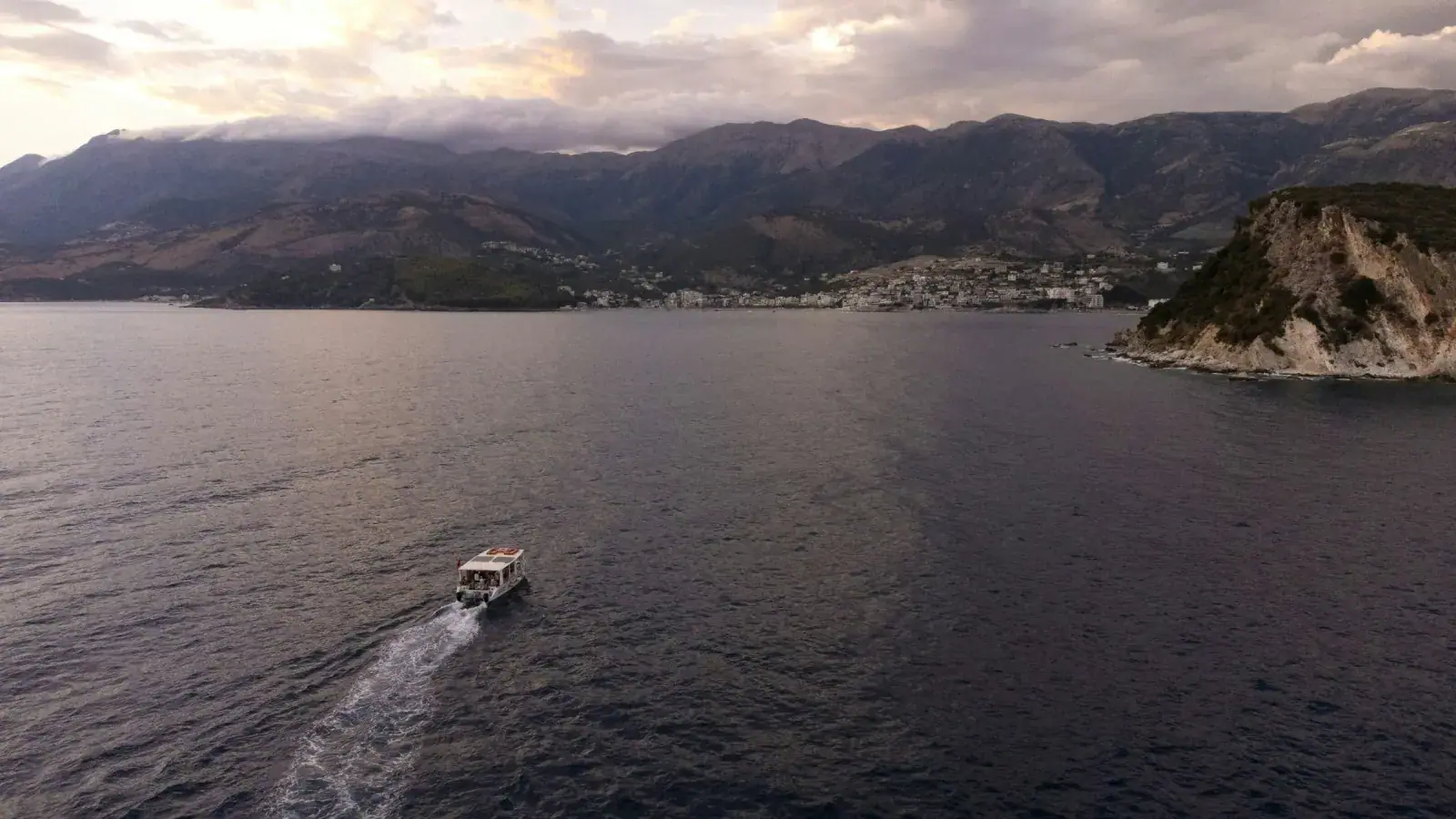
Petrol stations near Himara exist, but they are limited. There are one or two small stations along the main road through town, and then stretches of nothing until Borsh to the south or the outskirts of Vlora to the north. If you are driving the Albanian Riviera, the single most useful habit is this: fill up every time you see a station. The mountain road over Llogara Pass has no fuel for roughly 40 km, and running low on a narrow two-lane highway with no hard shoulder is not an experience you want.
This guide covers station locations, fuel prices, payment realities, and practical tips so you can drive the Riviera without fuel anxiety.
Compare hotels, apartments, and Vrbo rentals on the map. Powered by Stay22.
Quick summary
| Detail | What to Know |
|---|---|
| Stations in Himara | 1-2 small stations on SH8, near town edges |
| Distance to next fuel (south) | ~15 km toward Borsh |
| Distance to next fuel (north) | ~40+ km back toward Vlora (past Llogara Pass) |
| Fuel price range | 220-280 ALL/liter (~2.00-2.50 EUR) |
| Diesel | Usually 10-20 ALL cheaper per liter |
| Card payment | Unreliable at small stations, carry cash |
| Preferred currency | Albanian lek (ALL) |
| LPG/autogas | Very limited, do not rely on it |
Petrol stations in and near Himara
Himara is a small town, and its fuel infrastructure reflects that. You will find one or two stations along the SH8 national road, typically near the edges of the town area rather than in the center. These are usually no-brand or small-brand operations: a couple of pumps, a small kiosk, and an attendant who fills your tank.
Do not expect the setup you know from Western European motorways. There are no self-service pumps, no attached convenience stores, and no car wash bays. An attendant will pump your fuel, you pay in cash, and you drive on. That is the standard format along this stretch of coast.
The stations in and around Himara generally stock both petrol (benzine) and diesel (gazoil/naftë). Premium fuels or specific octane options beyond regular unleaded are uncommon at small stations.
One practical note: station hours can be irregular, especially outside peak summer months. During July and August you can usually fuel up late into the evening, but in shoulder season some stations close by 7-8 PM. Plan accordingly if you are arriving after dark.
Fuel prices in Albania
Albanian fuel prices fluctuate, but as of 2026. Expect roughly:
| Fuel Type | Price per Liter (ALL) | Price per Liter (EUR) |
|---|---|---|
| Petrol (unleaded) | 240-280 ALL | ~2.15-2.50 EUR |
| Diesel | 220-260 ALL | ~2.00-2.35 EUR |
These are broadly comparable to Southern European prices. Diesel tends to be slightly cheaper. Prices can vary by 10-20 ALL between stations, and coastal stations sometimes charge a small premium over larger towns.
For context, filling a typical rental car (40-liter tank) from near-empty costs roughly 9,600-11,200 ALL (85-100 EUR). If you are budgeting for a week of Riviera driving, set aside 150-250 EUR for fuel depending on how much you explore.
Payment methods at petrol stations
This is where many visitors get caught off guard. Cash in Albanian lek is the default at small Riviera stations. Here is what works and what does not:
| Payment Method | Reliability |
|---|---|
| Cash in ALL (lek) | Works everywhere, always accepted |
| Cash in EUR | Sometimes accepted, but at a poor exchange rate |
| Debit/credit card | Unreliable. Larger brand stations in Vlora or Saranda may accept cards, but small Riviera stations rarely do |
| Contactless/mobile pay | Do not count on it |
The practical rule: carry enough cash in lek to fill your tank at least once. If you are doing a long driving day along the coast, carry enough for two fills. ATMs exist in Himara town center, so withdraw before heading out on road days. For a deeper dive on cash vs card decisions across Albania, see the cash vs card travel guide.
If a station does accept euros, the conversion rate they apply will typically be 5-10% worse than the market rate, you are paying a convenience fee you did not agree to. Stick with lek.
Fuel stations along the SH8 corridor
The SH8 is the main road connecting Vlora to Saranda via the coast. It passes through Himara, and it is the road you will use for almost all Riviera driving. Here is where fuel is available along the route.
Vlora to Llogara Pass
Fill up in Vlora before you start climbing. The city has multiple full-service stations, including brand-name options (Kastrati, Bolv Oil) where card payment is more likely to work. Once you leave Vlora and begin the ascent toward Llogara Pass, there are essentially no fuel stations for roughly 40 km until you descend into the coastal stretch near Palasa and Dhermi. The pass tops out at about 1,027 meters, the road winds heavily, and fuel consumption increases on the climb.
This is the single most important fueling decision on the Riviera: do not start the Llogara Pass road without at least half a tank. If you are coming from Tirana or Fier and already burning through fuel, stop in Vlora. There is no backup plan on the pass itself.
For more on the drive, see the SH8 Vlora to Himara drive guide.
Himara to Saranda
South of Himara, the next fuel options appear around the Borsh area, roughly 15 km down the coast. Between Borsh and Saranda, the road is less mountainous but still winding, and stations are sparse until you approach Saranda itself. Saranda is a proper city with full fuel infrastructure: brand-name stations, card payment, and reliable hours.
If you are doing a day trip to Butrint or the Blue Eye, fill up in either Himara or Saranda before heading inland. The road to Blue Eye is a 20 km detour off the main highway with no fuel along the way.
Tips for driving on the Albanian Riviera
Fuel management is part of a broader set of driving habits that make Riviera road trips smooth rather than stressful. Here are the fuel-specific ones:
Never let your tank drop below half on mountain roads. The Llogara Pass stretch, the climb between Himara and Dhermi, and some of the inland detours have no services at all. Half a tank gives you enough margin to reach the next station even if you take a wrong turn or need to backtrack.
Fill up whenever you see a station. This sounds excessive, but on a coast where stations are 15-40 km apart and sometimes closed, topping off is cheap insurance. A 5-minute stop beats a roadside situation.
Carry cash in lek. Repeated for emphasis because it matters. See the cash vs card guide for ATM and currency strategy.
Check fuel before returning a rental. Most car and scooter rentals in Himara expect a full tank on return, and there is no station directly at the rental office. Fill up on your way back into town.
Watch your fuel economy on mountain roads. The SH8 has constant elevation changes. Low gears, heavy braking, and air conditioning in summer heat all increase consumption. If your dashboard says 200 km range on flat road, treat it as 150 km on Riviera terrain.
For general driving advice, including speed limits, road conditions, and right-of-way rules, see the Albania driving rules guide. For broader transport options, the getting around Himara guide covers taxis, buses, and scooters.
LPG and autogas availability
If your vehicle runs on LPG (autogas), availability on the Albanian Riviera is very limited. Some stations in larger cities like Vlora and Saranda have LPG pumps, but along the coastal SH8 corridor between them. You should not count on finding autogas.
If you are renting a car, this is unlikely to be relevant, since most rentals run on petrol or diesel. If you are driving your own LPG vehicle into Albania, fill the LPG tank before entering the Riviera stretch and plan your refills around Vlora or Saranda.
What to do if you run out of fuel
Roadside assistance in Albania is not what you are used to in Western Europe. There is no universal breakdown number with guaranteed 30-minute response times on the Riviera coast. Here is what to do:
- Pull off the road completely. The SH8 has narrow shoulders in many places. Get as far off the carriageway as possible and use hazard lights.
- Call your rental company. If you rented in Himara or Saranda, they may be able to send someone with a jerry can. Have their number saved in your phone.
- Ask locals. Flagging down a passing car or walking to the nearest village often works faster than formal services. People are genuinely helpful, and someone may be able to drive you to the nearest station or bring fuel back.
- Albanian roadside assistance. ANPA (Albanian National Road Assistance) operates a breakdown line, but response times on remote coastal stretches are unpredictable. Your rental company is usually a faster channel.
The best emergency plan is not needing one. Keep your tank above half, carry cash for fuel, and fill up before mountain stretches.
For more on vehicle logistics, see the car and scooter rental guide and the practical info page.
Frequently asked questions
Are there petrol stations on the Llogara Pass road?
No. Between the outskirts of Vlora and the descent toward Palasa and Dhermi. There are no fuel stations along the Llogara Pass road. This stretch is roughly 40 km of mountain road. Always fill up in Vlora before starting the pass, or in Himara if you are driving northbound.
Can you pay by card at Albanian petrol stations?
At larger brand-name stations in cities like Vlora and Saranda, card payment sometimes works. At the small independent stations along the Riviera coast, including those near Himara, card payment is unreliable. Carry cash in Albanian lek to avoid problems.
How much does petrol cost in Albania?
As of 2026, petrol costs approximately 240-280 ALL per liter (roughly 2.15-2.50 EUR). Diesel is slightly cheaper at around 220-260 ALL per liter. Prices vary between stations and fluctuate with international oil markets.
Should I fill up before driving to Himara?
Yes. If you are coming from Vlora, fill up before the Llogara Pass, there is no fuel for about 40 km. If you are coming from Saranda, you have more options, but filling up before departure is still the safer choice. Fuel stations along the SH8 coast road are infrequent and can have irregular hours.
Is it safe to carry a spare fuel can in Albania?
Carrying a small emergency fuel container (5-10 liters) is legal and practical, especially for longer road trips on the Riviera. Store it securely in your boot, away from direct sunlight. If you are renting, check with the rental company first, because some prohibit fuel containers in their vehicles.