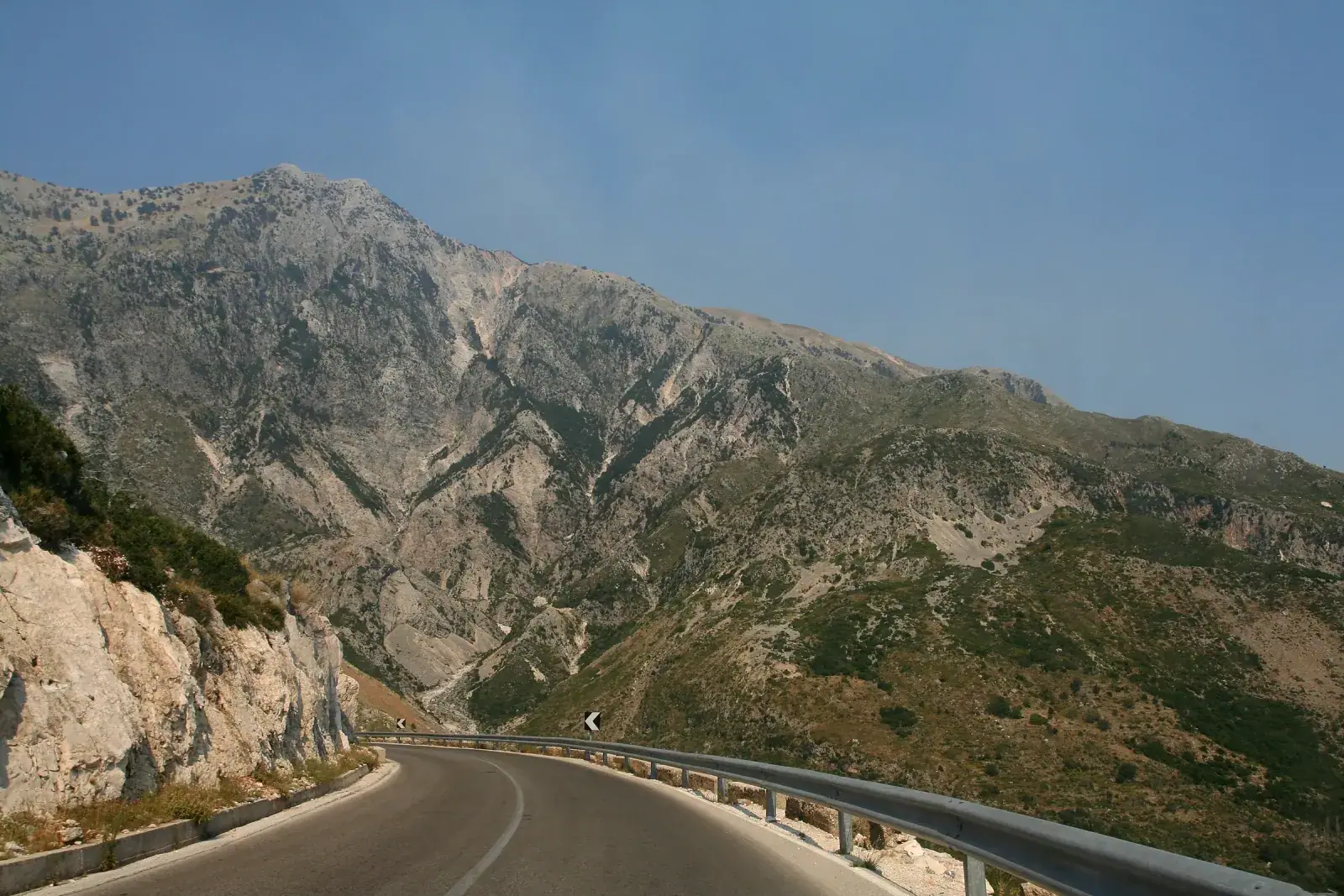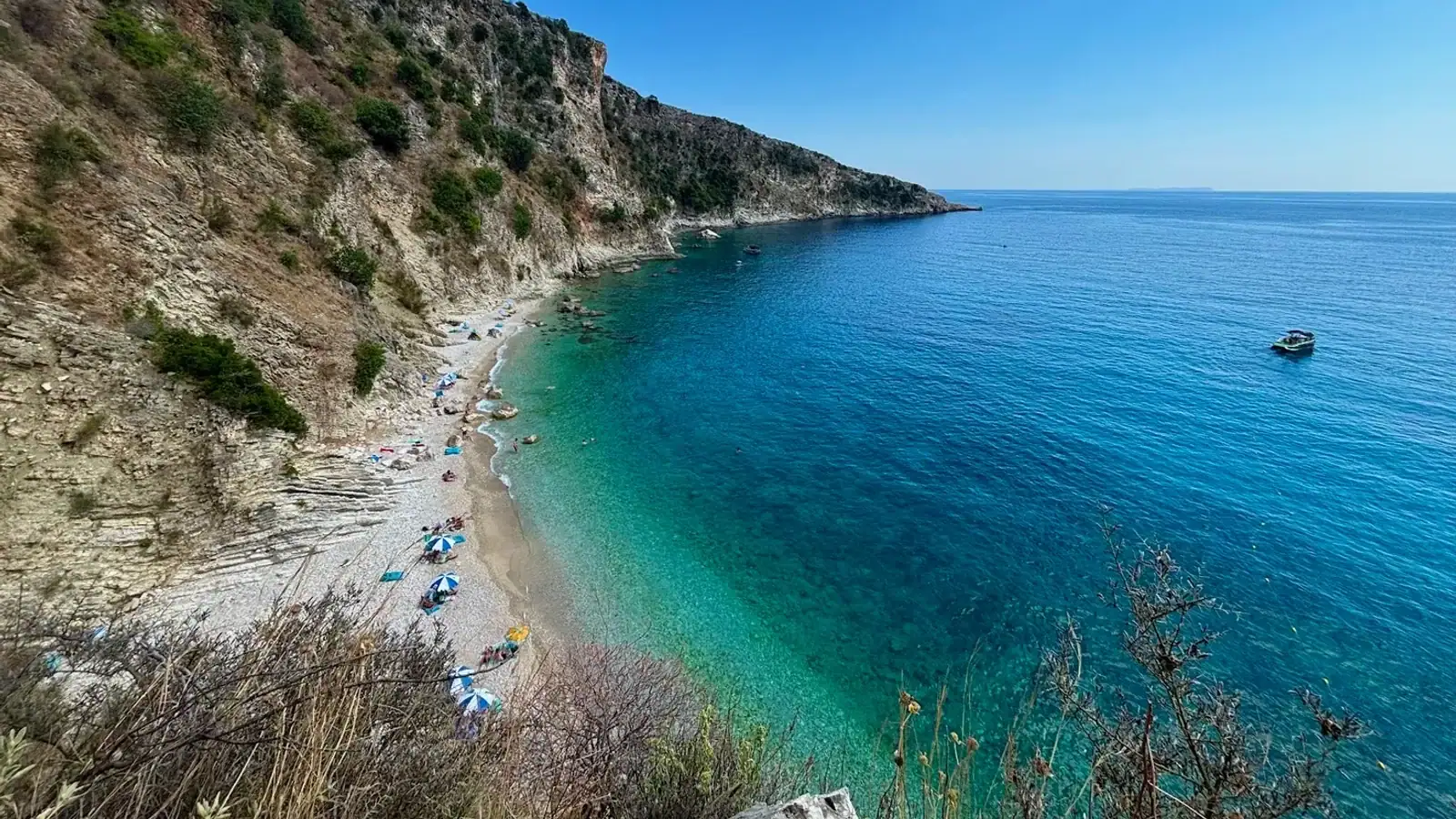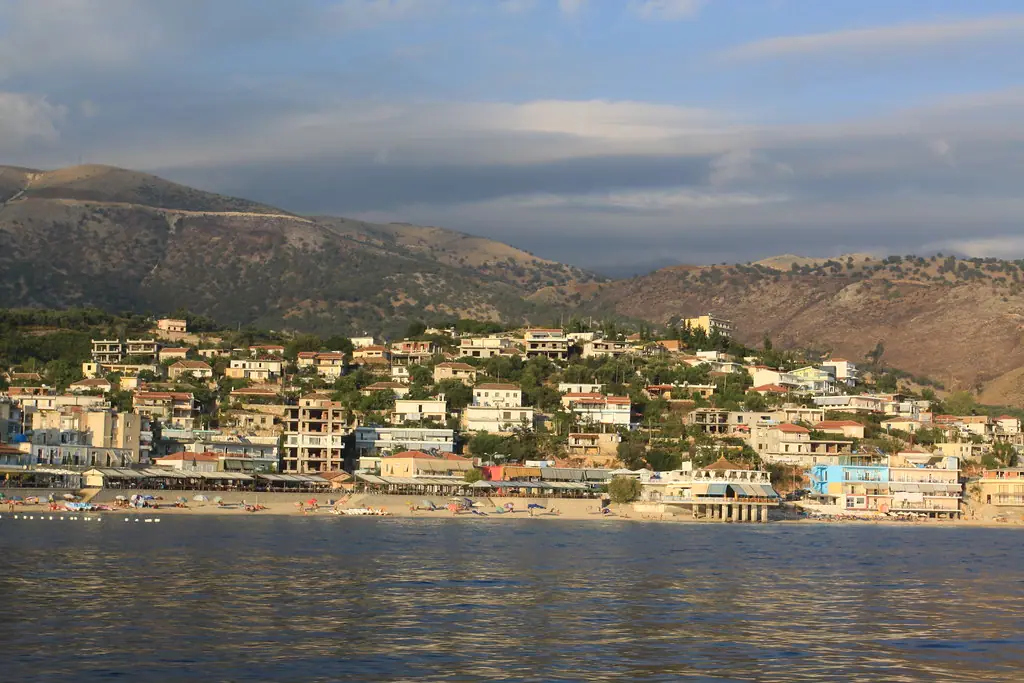
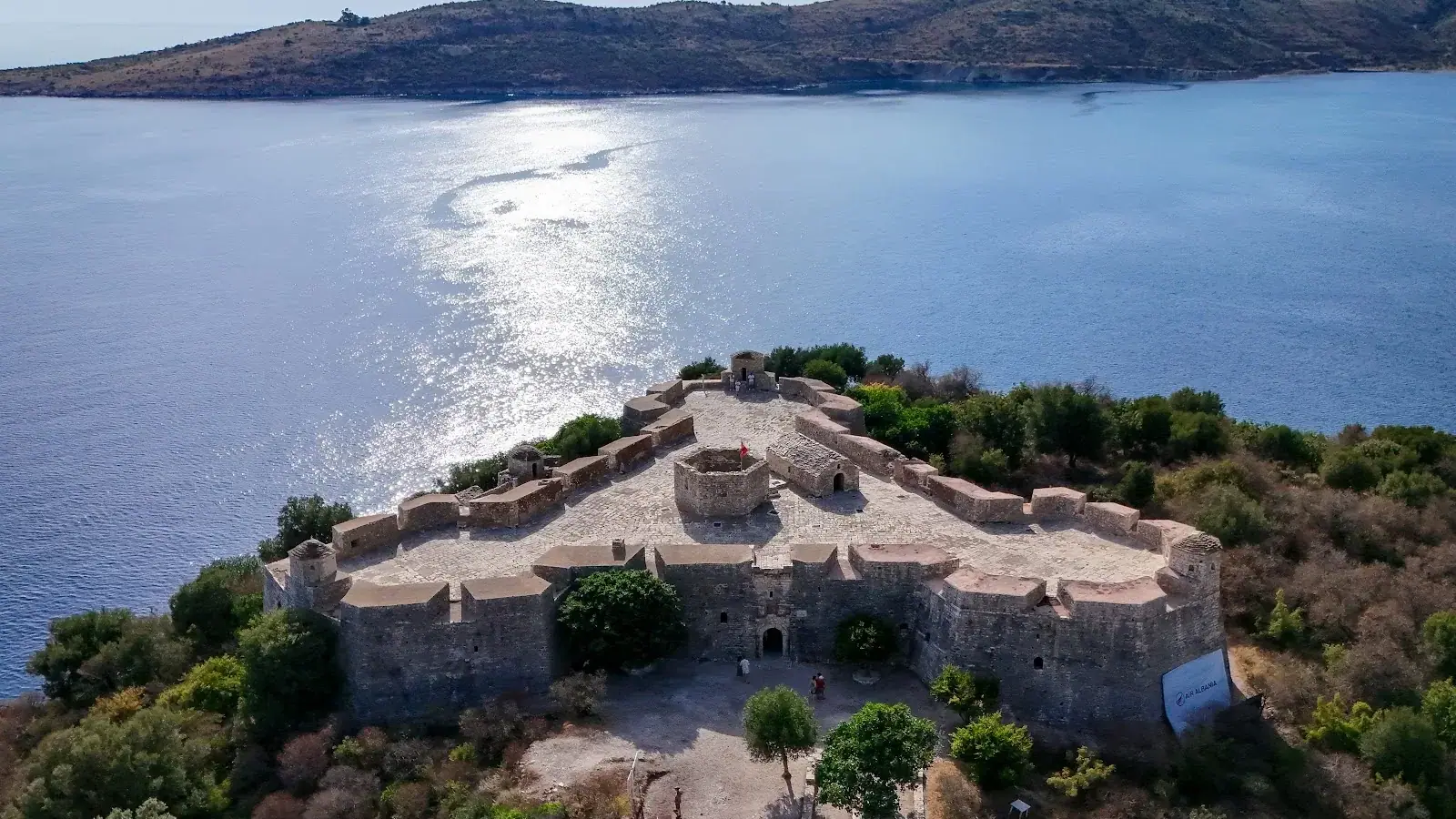
A Blue Eye day trip from Himara is absolutely feasible, but only if you treat it as a full-day logistics block rather than a quick stop. Blue Eye attracts heavy day traffic in peak months, and timing decisions matter more than route distance.
This guide is built for travelers who want one clean day with manageable travel stress. If you first want the background on the spring itself, tickets, access, and whether it's worth the trip. Start with the Blue Eye Albania guide.
Compare hotels, apartments, and Vrbo rentals on the map. Powered by Stay22.
Quick Day-Trip Baseline
| Item | Practical Planning Range |
|---|---|
| Full day window | ~7 to 11 hours depending mode and stops |
| Best departure target | Early morning |
| Main risk | Arriving late into peak crowd window |
| Budget pressure points | Transport mode + on-site logistics |
| Best strategy | Early start + single primary objective |
Why Blue Eye Trips Fail for Some Travelers
Most failed Blue Eye days share one pattern: overpacked planning.
- late departure,
- extra stops before primary objective,
- no buffer for parking/walk-in flow,
- no fallback if fatigue rises.
A better plan is simpler: reach Blue Eye early, enjoy the site, then decide optional extras based on remaining time.
Transport Options from Himara
| Mode | Typical Trip Character |
|---|---|
| Rental/self-drive | Highest flexibility, most planning burden |
| Taxi/private transfer | Higher cost, lower navigation stress |
| Mixed public route | Lowest cost, highest schedule complexity |
For most independent travelers, self-drive or planned transfer gives the best reliability for this day. If you would rather skip the logistics, browse Blue Eye day tours that handle transport, timing, and entry for you.
Time Architecture for the Day
| Phase | Recommended Window |
|---|---|
| Depart Himara | Early morning |
| Primary Blue Eye visit | Before peak concentration if possible |
| Optional add-on | Only if timeline remains healthy |
| Return to Himara | Leave buffer for evening drift |
Use your return comfort as a planning variable, not an afterthought.
Cost Model
| Cost Component | Notes |
|---|---|
| Main transport | Largest line item |
| Entrance/parking context | Small but relevant operational spend |
| Food and hydration | Often underestimated |
| Contingency reserve | Required for delay/fallback |
A good day plan includes a modest reserve so you are not forced into bad decisions late in the day.
On-Site Execution Tips
- Prioritize the main Blue Eye experience before side detours.
- Keep hydration and shade planning active in summer.
- Avoid crowd-heavy windows when possible.
- Keep movement paced; this is not a sprint stop.
For families, this pacing makes the difference between a good and exhausting day.
Can You Pair Blue Eye with Other Stops?
Yes, but only with strict rules:
- one primary destination,
- one optional secondary destination,
- clear cutoff time for returning.
| Pairing choice | Risk level |
|---|---|
| Blue Eye only | Low |
| Blue Eye + one short add-on | Medium |
| Blue Eye + multiple major stops | High |
Under load, the highest-value choice is usually a shorter, cleaner day.
Family Variant
Families should reduce route complexity by default:
- keep snacks/water ready,
- choose predictable transport,
- avoid stacking late-day commitments,
- prioritize calm return to base.
This often produces better memories than ambitious itineraries.
Weather and Season Considerations
Peak summer
- higher demand and queue pressure,
- stronger heat management needs,
- earlier departure is critical.
Shoulder season
- better crowd-to-comfort ratio,
- easier to maintain schedule quality.
Off-season
- fewer crowds,
- but verify practical site/service details before departure.
Practical Packing for Blue Eye Day
| Item | Why It Matters |
|---|---|
| Water (1.5L-2L/adult) | Heat and queue resilience |
| Sun protection | Exposure control |
| Power bank | Navigation + communication continuity |
| ALL cash reserve | Operational fallback |
| Light shoes suitable for walking | Comfort on uneven paths |
Operational readiness keeps the day smooth.
Day-Trip Trigger Rules
Set these before departure:
- If departure slips significantly, cancel optional stop.
- If crowd pressure is high, shorten secondary plan.
- If fatigue is high by midday, return directly.
Trigger rules prevent stubborn overextension.
Common Mistakes
- Starting too late.
- Overpacking with multiple major stops.
- Underestimating summer heat impact.
- No cash contingency.
- No return cutoff time.
Extended Planning Appendix
Day design hierarchy
- Primary destination completion.
- Safe and timely return.
- Optional add-on only if timeline is healthy.
- Budget optimization after reliability is secured.
Quantitative guardrails
| Guardrail | Value |
|---|---|
| Departure window | Early morning target |
| Optional-stop cutoff | Predefined before departure |
| Heat buffer | Extra hydration and pacing |
| Return buffer | Keep evening margin |
| Contingency reserve | 50EUR equivalent recommended |
Failure mode controls
| Failure | Trigger | Action |
|---|---|---|
| Late departure | Missed target start | Drop secondary destination |
| Overcrowding | Long queue pressure | Shorten dwell, protect return |
| Fatigue overload | Energy drop in group | Switch to direct return |
| Payment friction | Card/service mismatch | Use cash reserve |
Reusable trip card
| Field | Fill Value |
|---|---|
| Primary objective | [Blue Eye main visit] |
| Optional stop | [one only] |
| Return cutoff time | [fixed] |
| Backup transport | [defined] |
| Reserve budget | [set amount] |
Looking for a guided option? Browse Blue Eye day tours from Albania on GetYourGuide for fixed prices, free cancellation, and verified reviews.
Frequently Asked Questions
Is Blue Eye doable as a day trip from Himara?
Yes, but treat it as a full-day block and avoid overpacking. The trip is most successful when you anchor around Blue Eye and use optional stops only if timing remains healthy.
How early should I leave Himara for Blue Eye?
Earlier departures usually produce better day quality, especially in peak season. Early timing helps you avoid the heaviest crowd and heat windows.
Is Blue Eye expensive to visit?
The major cost driver is transport, not site access itself. Budget planning should focus on travel mode, food/water, and small on-site logistics.
Can I combine Blue Eye with Butrint or Gjirokaster in one day?
Possible but often high-friction. Most travelers get better outcomes by combining Blue Eye with at most one additional light stop.
Is this trip family-friendly?
Yes if paced correctly: simple itinerary, hydration strategy, and clear return cutoff. Overloaded schedules are the main family pain point.
Conclusion
A successful Blue Eye day trip from Himara comes from clean sequencing: early start, one primary objective, and disciplined return timing. Keep the day simple and you will get a much better outcome.
Sources and Fact-Check References
- https://www.rome2rio.com/
- https://www.instat.gov.al/en/themes/industry-trade-and-services/tourism-statistics/
- https://www.gov.uk/foreign-travel-advice/albania
- https://whc.unesco.org/en/list/569
Extended Operations Appendix II
Execution cadence
- Morning: verify timing and objective hierarchy.
- Midday: reassess plan health and remove optional complexity.
- Evening: preserve recovery and next-day readiness.
Decision guardrails
| Guardrail | Value |
|---|---|
| Primary objective count | 1 |
| Secondary objective count | 0-1 |
| Delay switch threshold | 45 minutes |
| Cash reserve minimum | 50EUR equivalent |
| Hard evening commitments | Max 1 |
Failure response sequence
- Detect early drift.
- Trigger backup mode quickly.
- Protect core objective only.
- Communicate ETA changes.
- Rebuild next step after stabilization.
Practical resiliency notes
Travel reliability improves when plans are modular. A resilient plan is not perfect; it is adjustable without collapsing the full day. Keep flexibility where variability is highest.