Tap water in Himara is generally drinkable but not consistently reliable. The town's supply comes from mountain springs in the Ceraunian range, and in the town center the quality is usually fine. The problem is variability -- older buildings may have corroded pipes, some outlying areas get inconsistent treatment, and during peak summer the supply system is stressed to its limits. Most travelers play it safe and drink bottled water, which is cheap and available everywhere. A 1.5-liter bottle costs 50-100 ALL (roughly 0.50-1 EUR) at any minimarket. That said, many long-term visitors and locals drink the tap water daily without issues. This guide covers what you need to know to make your own call.
Tap Water Quality in Himara
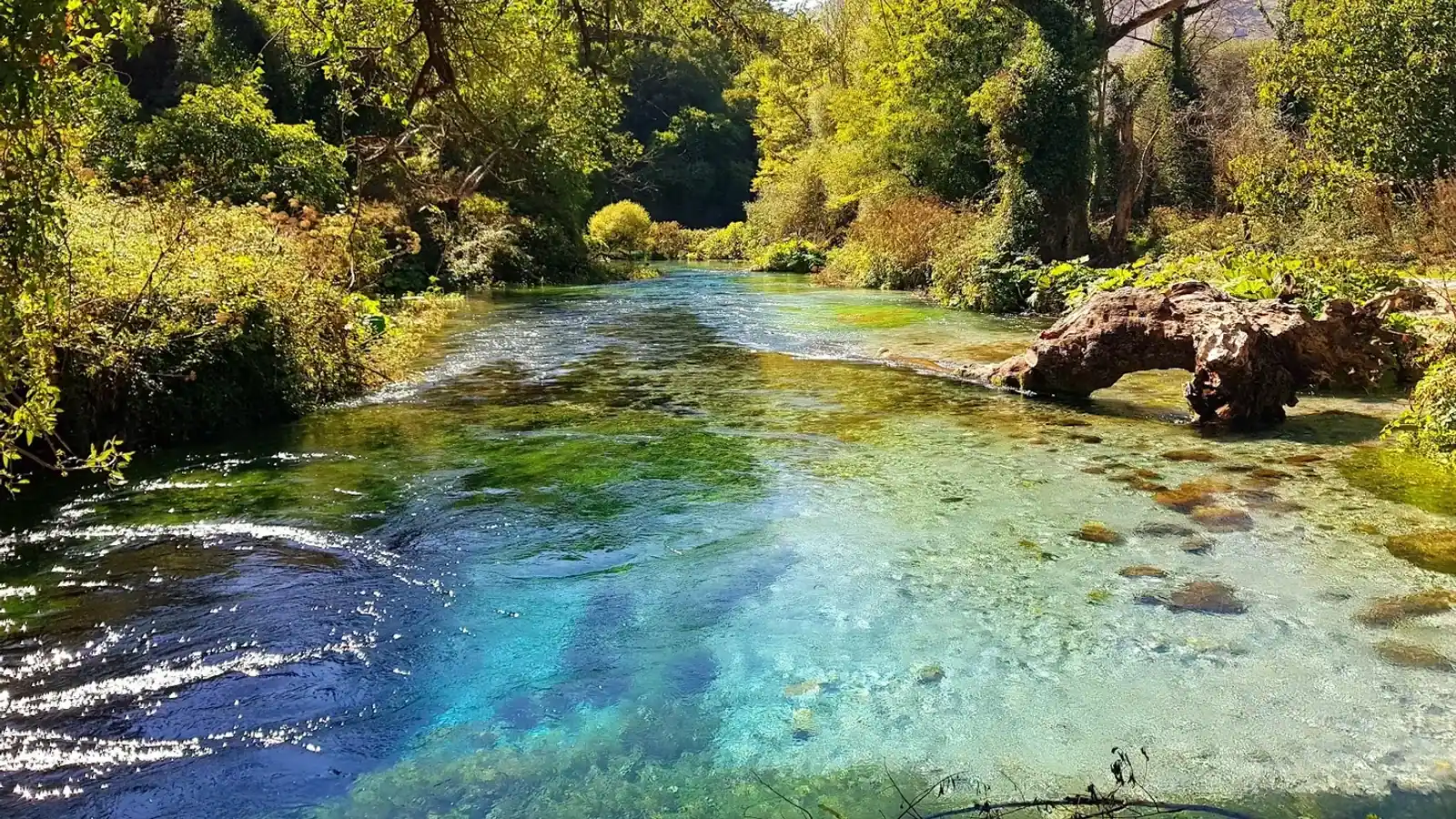
Himara's water comes from natural mountain springs above the town, fed by the Ceraunian Mountains. This is not treated municipal water piped from a distant reservoir -- it is spring water that flows downhill through a local distribution network. The source itself is clean. The issues, when they exist, come from the infrastructure between the source and your glass.
In the town center, newer buildings and recently renovated hotels generally have good water quality. The pipes are modern, the pressure is consistent, and the water tastes clean. If your accommodation was built or renovated in the last 10-15 years, you are likely fine drinking the tap water.
In older buildings, the story changes. Albania's building infrastructure, particularly along the coast, includes plenty of structures from the communist era and the unregulated construction boom of the 1990s-2000s. Old galvanized pipes, corroded fittings, and rooftop storage tanks that have not been cleaned in years can all affect water quality. You will not necessarily taste the difference, but the risk of contaminants rises.
During peak summer (late July through August), the water supply is under heavy strain. Himara's population swells from a few thousand to tens of thousands as Albanian and international tourists arrive. The distribution system was not designed for this load. Pressure drops, supply interruptions are common (especially at higher elevations), and water quality can dip when the system is stressed. Some accommodations rely on rooftop tanks to buffer against supply cuts, but those tanks sitting in 35-degree heat are not ideal for water quality.
The practical takeaway: if you are staying in a modern hotel or guesthouse in the center and visiting in June or September, the tap water is likely fine. If you are in an older rental, in an outlying area, or visiting during peak August, bottled water is the safer choice.
Bottled Water Availability and Prices
Bottled water is everywhere in Himara and across the Albanian Riviera. Every minimarket, supermarket, restaurant, and beach vendor sells it. You will never struggle to find a bottle. The most common Albanian brands are Tepelena and Glina, both sourced from natural springs in southern Albania. International brands like Evian or San Pellegrino occasionally appear in larger shops but at a markup.
Typical prices:
| Size | Where | Price (ALL) | Price (EUR) |
|---|---|---|---|
| 0.5L bottle | Minimarket | 30-50 ALL | 0.30-0.50 |
| 1.5L bottle | Minimarket | 50-100 ALL | 0.50-1.00 |
| 5L jug | Supermarket | 150-200 ALL | 1.50-2.00 |
| 0.5L bottle | Beach vendor | 100-200 ALL | 1.00-2.00 |
| 0.5L bottle | Restaurant | 100-150 ALL | 1.00-1.50 |
Buy in bulk from minimarkets if you are staying for several days. A six-pack of 1.5L bottles typically costs 300-500 ALL (3-5 EUR) and will last a couple two to three days. The small supermarkets on Himara's main road and near Livadhi Beach stock 5L jugs, which are the most economical option if your accommodation has a fridge.
Staying Hydrated on the Albanian Riviera
Summer temperatures along the Albanian Riviera regularly hit 30-35 degrees Celsius, with humidity that makes it feel hotter. Dehydration is a real concern, not a theoretical one. It is the most common health complaint among tourists, ahead of sunburn and stomach issues.
How much to drink:
- Baseline: 2-3 liters per person per day in summer
- Beach days: Add another liter if you are in direct sun for hours
- Hiking: 1 liter per hour of activity -- see the hiking trails near Himara for route details
- Alcohol offset: For every beer or cocktail, drink an equal volume of water
Early signs of dehydration include headache, fatigue, dark urine, and dizziness. These are easily mistaken for jet lag or a hangover. If you feel off after a day in the sun, drink water before reaching for anything else. For more on health concerns while traveling, see the Himara health guide.
Children and older travelers dehydrate faster. If you are traveling with family, keep water accessible at all times and do not rely on finding a vendor when thirst hits.
Water at Beaches
Himara's beaches do not have public drinking water taps. There are no fountains, no refill stations, and no reliable piped water at any beach along this stretch of coast. Whatever you need for the day, you bring with you.
Beach vendors and seasonal kiosks sell bottled water at every popular beach -- Livadhi Beach, Spile Beach, Potami Beach, and the organized sections of Dhermi. Expect to pay a premium: 100-200 ALL (1-2 EUR) for a 0.5L bottle, roughly double the minimarket price. It is not expensive in absolute terms, but it adds up over a week of beach days.
At less developed beaches -- Filikuri, Akuarium, Gjipe -- there may be no vendor at all, or only a single seasonal bar with limited stock. These beaches are accessed by trail and have no infrastructure. Bring everything you need, including more water than you think. A half-liter bottle is not enough for a full afternoon at a trailhead beach in August heat.
Rule of thumb: Bring at least 1.5 liters per person for a beach day. For remote beaches requiring a hike. Bring 2 liters minimum.
Refillable Bottles and Reducing Plastic
Plastic waste is a visible problem along the Albanian coastline. Single-use bottles pile up on beaches and roadsides, and recycling infrastructure is minimal. If you want to reduce your footprint, a refillable water bottle is the single most useful thing you can bring.
What works in practice:
- Some hotels and guesthouses offer filtered water or water coolers for guests. Ask at check-in. Higher-end accommodations are more likely to have this.
- Restaurants will refill your bottle from their filtered supply if you ask politely. Not all will, but many are happy to.
- Public fountains exist in a few spots in the old town (Himara Castle area), but they are not reliably maintained and should not be your primary water source.
- A filtered bottle (like LifeStraw or Grayl) eliminates concern about tap water quality entirely. If you are a frequent traveler in the region, the investment pays for itself quickly.
There are no dedicated water refill stations in Himara as you might find in more developed tourist destinations. The infrastructure is not there yet. But between filtered tap water at your accommodation and the occasional restaurant refill. You can meaningfully reduce your bottle consumption.
Ice in Drinks
Restaurant and bar ice in Himara is generally safe. Establishments that serve tourists use bagged ice produced from purified water, typically delivered from suppliers in Vlora or Saranda. This is standard practice across Albanian restaurants and bars catering to visitors.
Street vendors and very small seasonal operations may use ice of less certain origin, but this is uncommon. If you are eating at any established restaurant in Himara's center, Livadhi, or Potami Beach, the ice is not a concern.
If you want to be cautious, ordering drinks without ice is always an option and will never seem unusual. But in practice, ice-related illness among tourists in Himara is extremely rare.
Frequently Asked Questions
Is tap water safe in Himara?
Tap water in Himara comes from mountain springs and is generally safe in the town center, particularly in newer or recently renovated buildings. Quality can be inconsistent in older buildings with aging pipes or during peak summer when supply is strained. Most travelers choose bottled water as a precaution. If you are unsure about your accommodation's water quality. Ask your host directly -- they will give you an honest answer.
How much does bottled water cost in Albania?
Bottled water in Albania is very affordable. A 1.5-liter bottle costs 50-100 ALL (0.50-1 EUR) at minimarkets and supermarkets. Larger 5-liter jugs run 150-200 ALL (1.50-2 EUR). Beach vendors and restaurants charge more -- typically 100-200 ALL for a small 0.5L bottle. Buying from shops rather than beach vendors saves roughly half the cost. For more on managing costs in Albania, see the practical information page.
Can you drink tap water on the Albanian Riviera?
Water quality varies along the Albanian Riviera. Himara and Saranda have relatively decent municipal water from mountain sources. Smaller villages like Dhermi, Vuno, and Qeparo may have less reliable supply, especially in summer. As a general rule, bottled water is the safest default for travelers anywhere on the Riviera, it costs very little and eliminates any uncertainty, letting you focus on the beaches instead.
Should I bring a water filter bottle to Albania?
A filtered bottle is a smart choice if you plan to drink tap water and want extra safety. Brands like LifeStraw Go or Grayl GeoPress filter out bacteria and protozoa, covering the main risks from aging pipe infrastructure. It also reduces plastic waste over the course of a trip. Not essential -- bottled water is cheap enough -- but practical for hikers and longer stays.
Are there pharmacies in Himara if I get a stomach issue?
Yes. Himara has pharmacies in the town center where you can buy rehydration salts, antidiarrheal medication, and other stomach remedies over the counter without a prescription. See the pharmacies in Himara guide for locations, hours, and what is available.