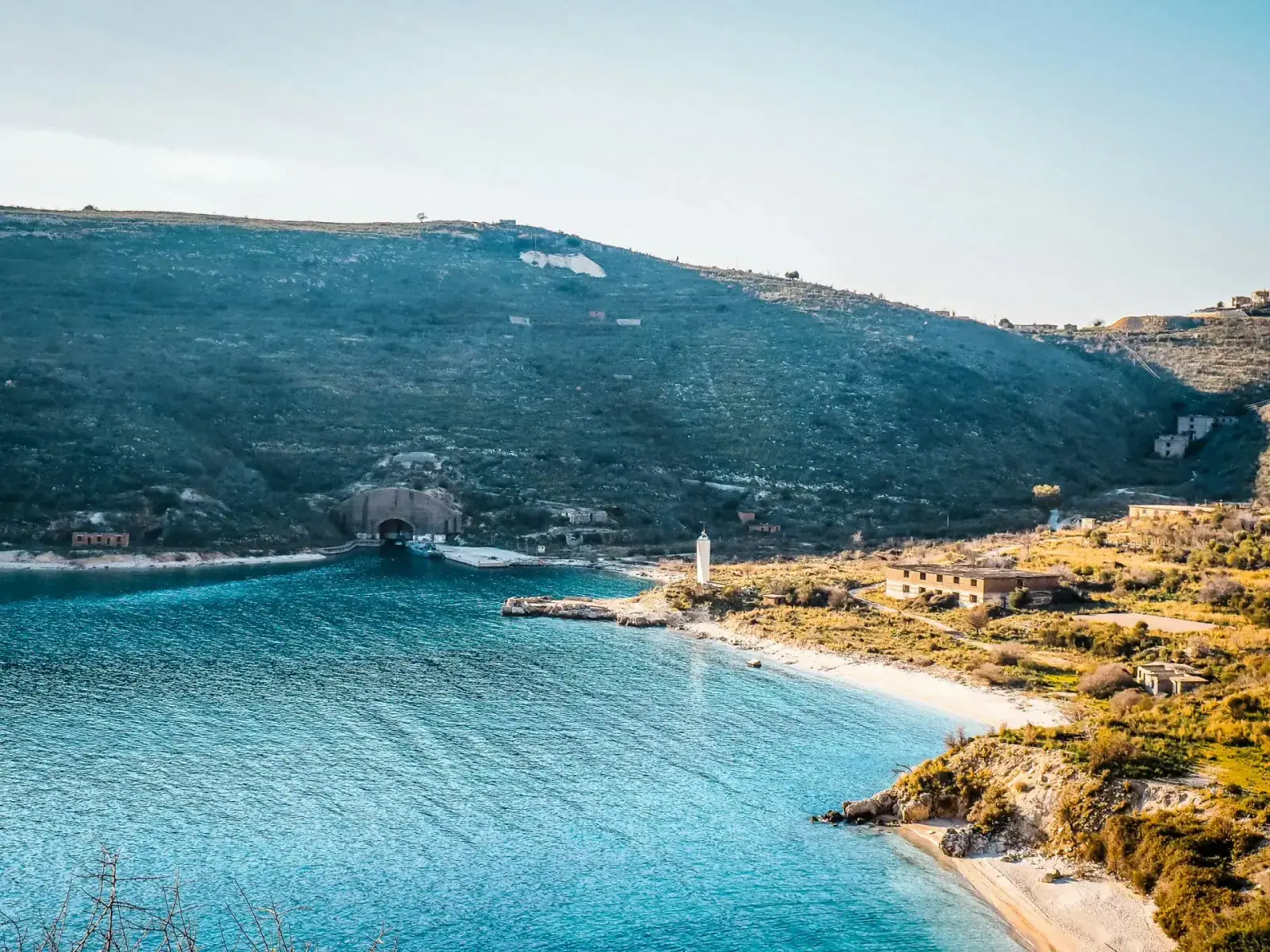
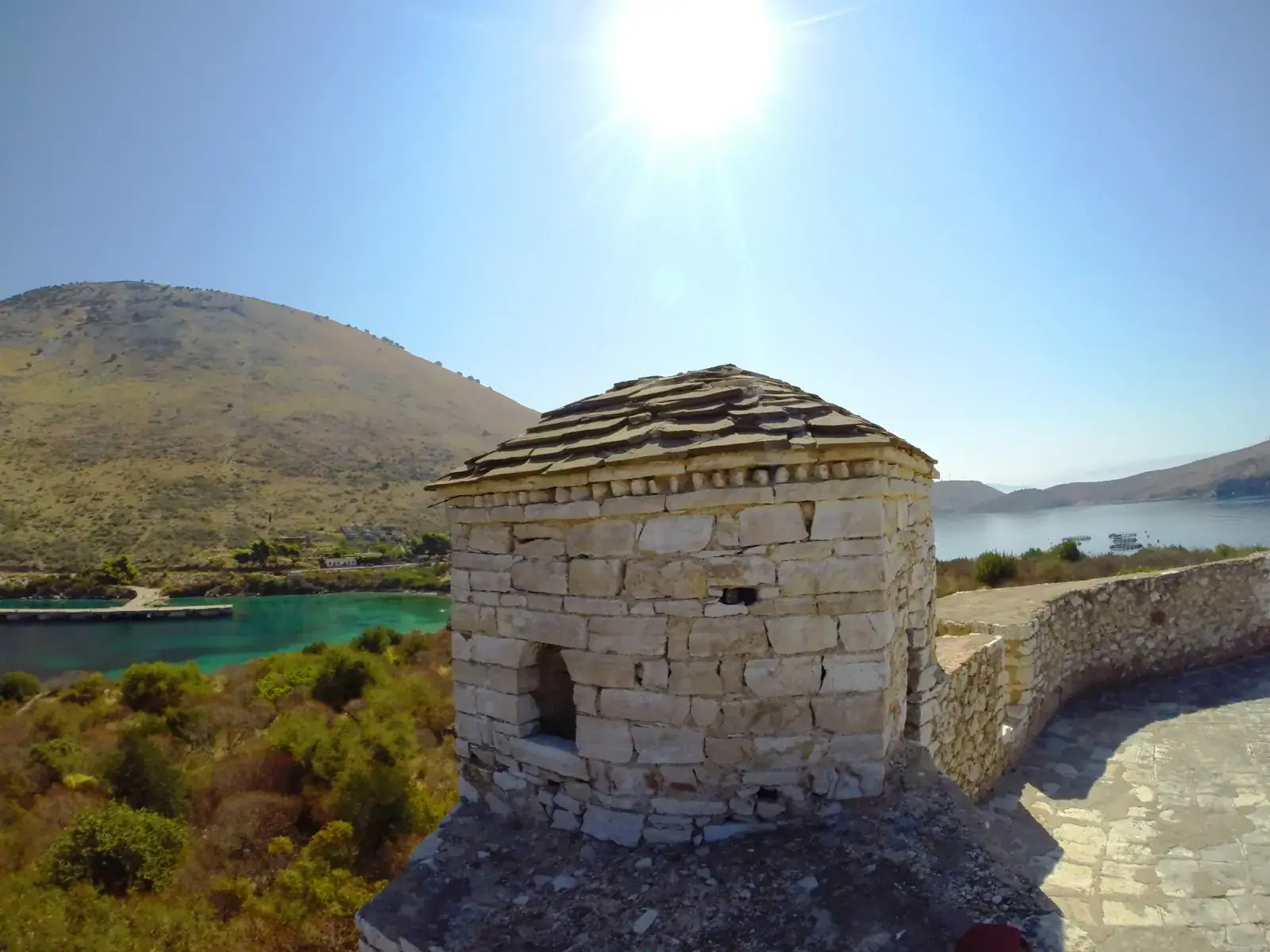
Porto Palermo Castle
~10 km south on SH8 (14–20 min drive)
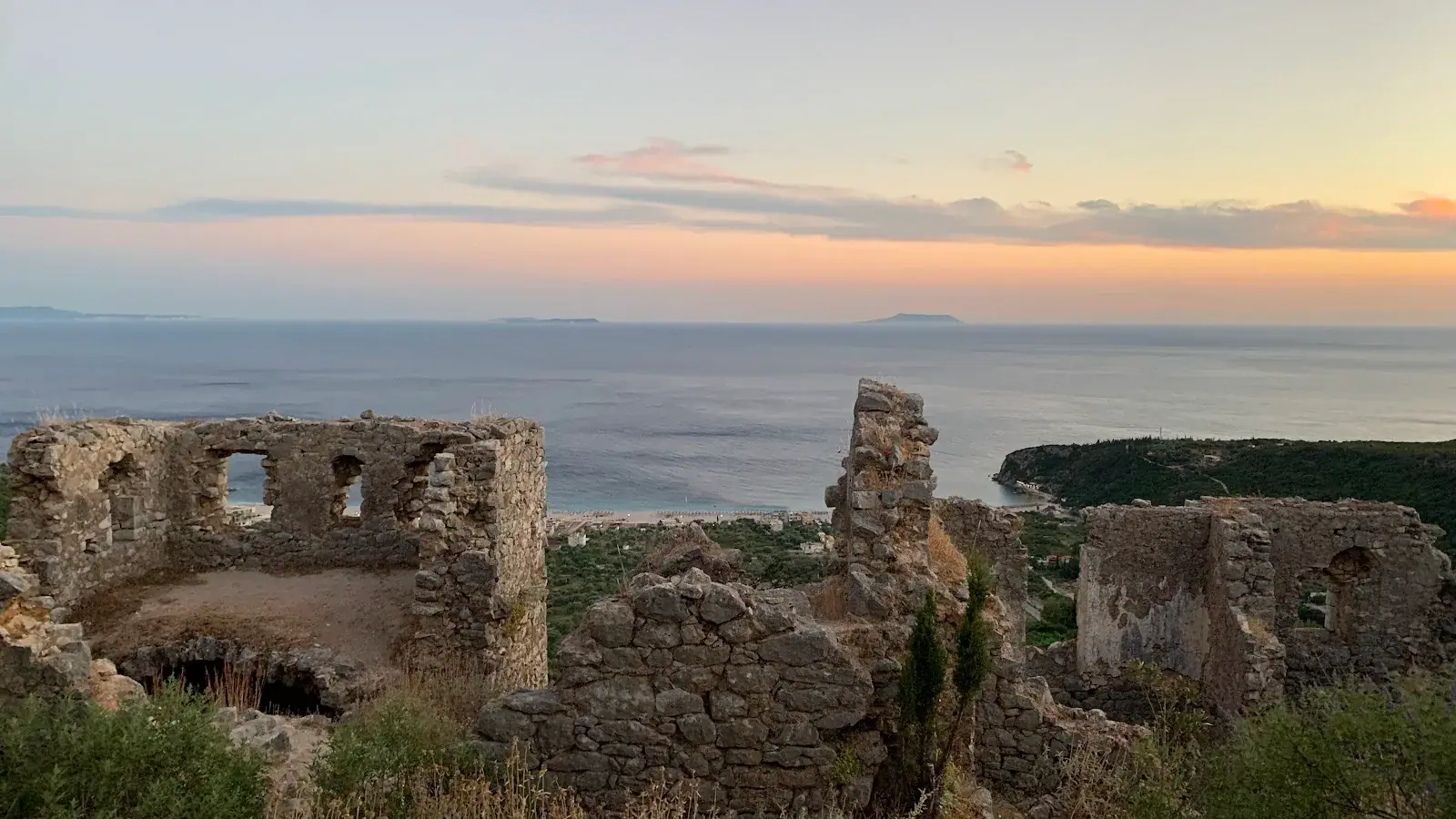
Colina de Barbaka, sobre el centro de Himara
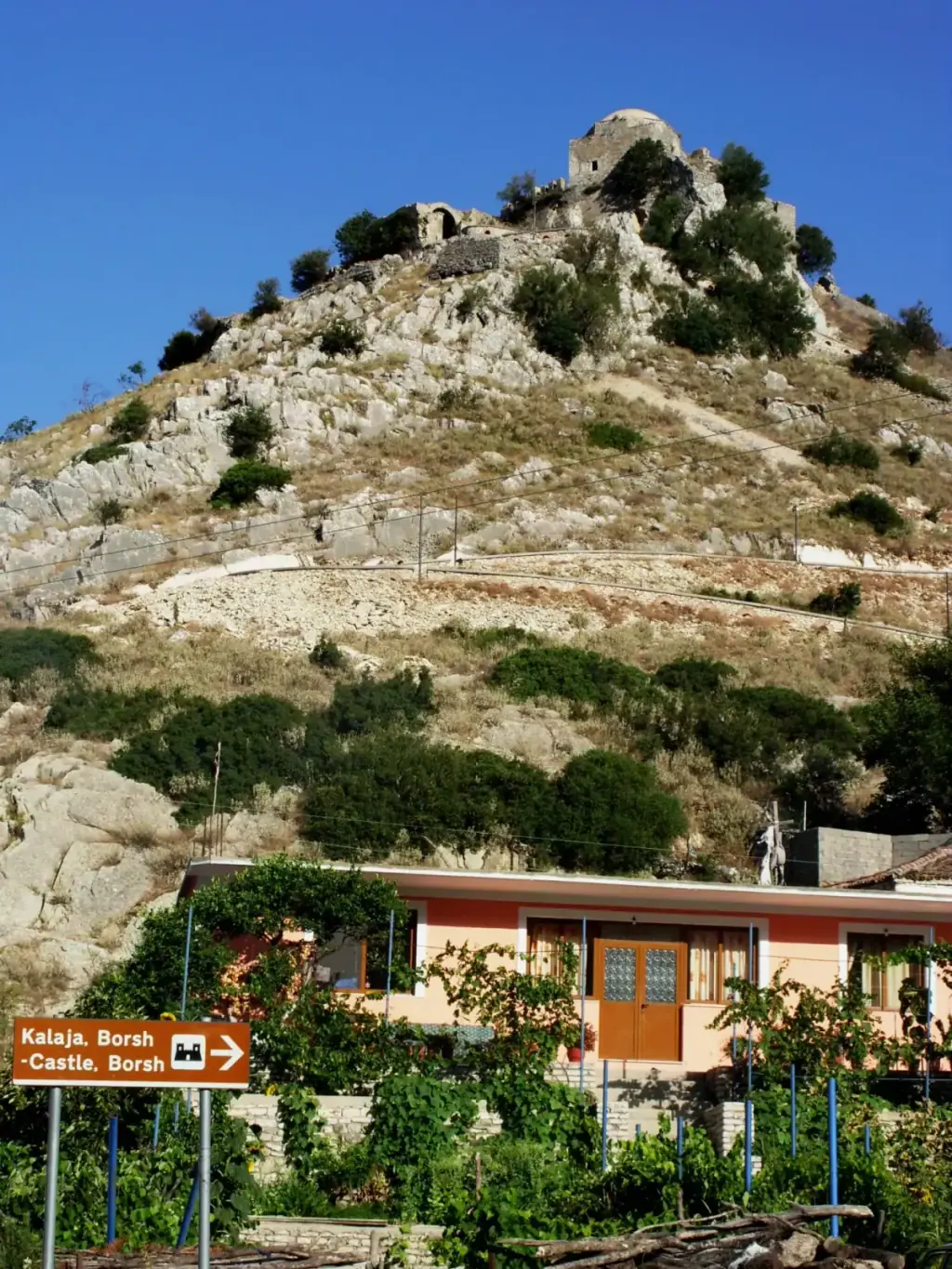
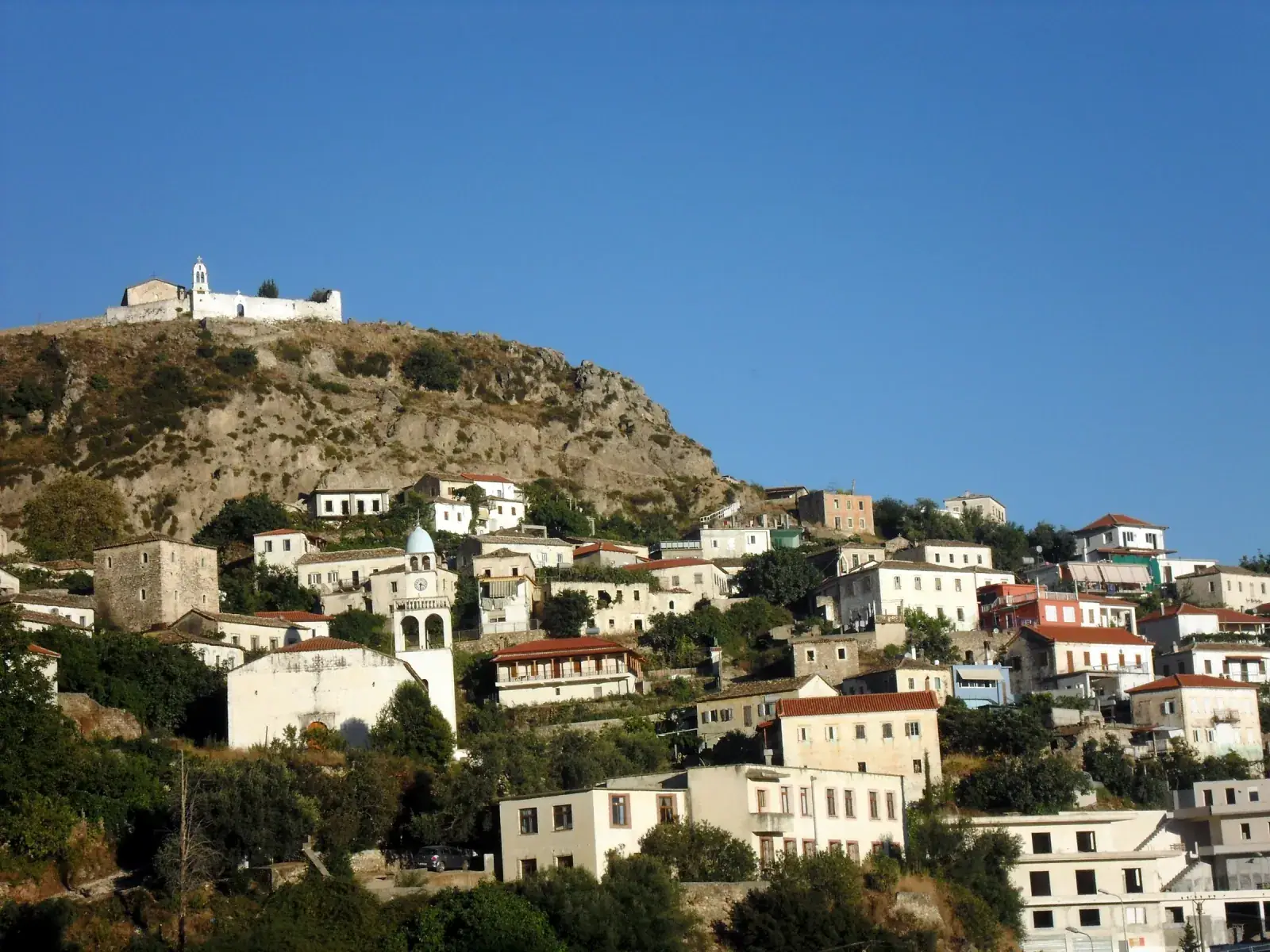
El castillo de Himara se alza en la colina de Barbaka sobre la ciudad moderna. Las fortificaciones aquí datan del siglo V a. C. y han estado habitadas de forma continua desde entonces, lo que convierte al casco antiguo, llamado localmente Kastro, en el único pueblo medieval aún habitado de la Riviera albanesa. Casas de piedra se aferran a la ladera entre ruinas de iglesias bizantinas y frescos desvaídos, con vistas panorámicas que se extienden, en un día despejado, más allá del mar Jónico hasta Corfú.
Las murallas más antiguas son caonias, levantadas en el siglo V a. C. por la tribu griega que controlaba esta costa. El emplazamiento se fortificó de nuevo bajo los bizantinos, que construyeron las iglesias cuyas ruinas todavía se pueden recorrer. El dominio otomano nunca integró del todo Kastro: la población himariota mantuvo una autonomía de hecho durante siglos, rindiendo pleitesía nominal a Estambul mientras practicaba el cristianismo ortodoxo. El casco antiguo aún acogía a cientos de familias a principios del siglo XX, antes de despoblarse durante la era comunista. Hoy un puñado de casas están habitadas todo el año, y varias se han restaurado como casas de huéspedes.
Tres iglesias bizantinas con restos parciales de frescos; el arco de la entrada principal y los lienzos de muralla que se conservan; la terraza panorámica donde el Cafe Butterfly sirve café con las mejores vistas de Himara; el sendero que baja a Livadhi Beach, visible justo debajo; en las mañanas despejadas, Corfú en el horizonte occidental a unos 70 km.
Sube a pie desde el paseo marítimo de Himara, 15-20 minutos por una estrecha carretera asfaltada. En coche o moto puedes recorrer casi todo el trayecto; aparca en el área designada junto a la entrada (gratuita, con plazas muy limitadas) y haz a pie el último tramo. La carretera es estrecha y serpenteante, pero transitable. No se puede entrar en coche al casco antiguo.
A primera hora de la mañana (antes de las 10:00) por las temperaturas frescas y la mejor visibilidad hacia Corfú, o a última hora de la tarde (17:00-19:00) por la luz dorada y para hacer coincidir la visita con el atardecer y una copa en el Cafe Butterfly.
Historia, consejos prácticos y notas de ruta en formato extenso, el artículo que profundiza más que esta página.
La otra mitad natural del día. Arena y mar después de piedra e historia.
Sube a pie desde el paseo marítimo de Himara, son 15-20 minutos por una carretera asfaltada. En coche o moto puedes recorrer casi todo el trayecto y aparcar en una pequeña zona gratuita junto a la entrada, y luego hacer a pie el último tramo. No se puede entrar en coche al casco antiguo.
El casco antiguo es de acceso libre. Algunos operadores pueden cobrar una pequeña tarifa simbólica en la puerta en temporada alta, compruébalo al llegar. Las ruinas de las iglesias bizantinas y el mirador de la terraza son todos accesibles de forma gratuita.
A primera hora de la mañana (antes de las 10:00) por las temperaturas frescas y las mejores posibilidades de ver Corfú al otro lado del agua. La última hora de la tarde (17:00-19:00) es la segunda mejor franja, luz dorada sobre la piedra, con el atardecer desde la terraza del Cafe Butterfly.
Con 1-2 horas basta para recorrer los senderos principales, visitar las ruinas de las iglesias, disfrutar de las vistas panorámicas y tomar algo en el Cafe Butterfly. Combínalo con Livadhi Beach (a 10 minutos en coche) para un itinerario de medio día de castillo y playa.
Sí, en días despejados. Corfú está a unos 70 km al oeste, en el horizonte. Las mañanas, antes de que se forme la calima de la tarde, suelen ofrecer la mejor visibilidad. La isla griega se ve mejor desde la terraza en lo alto del casco antiguo.
¿Falta algo o hay un error? Escríbenos a info@himara.net