Himara Castle & Old Town
In town, 15–20 min walk uphill from the promenade
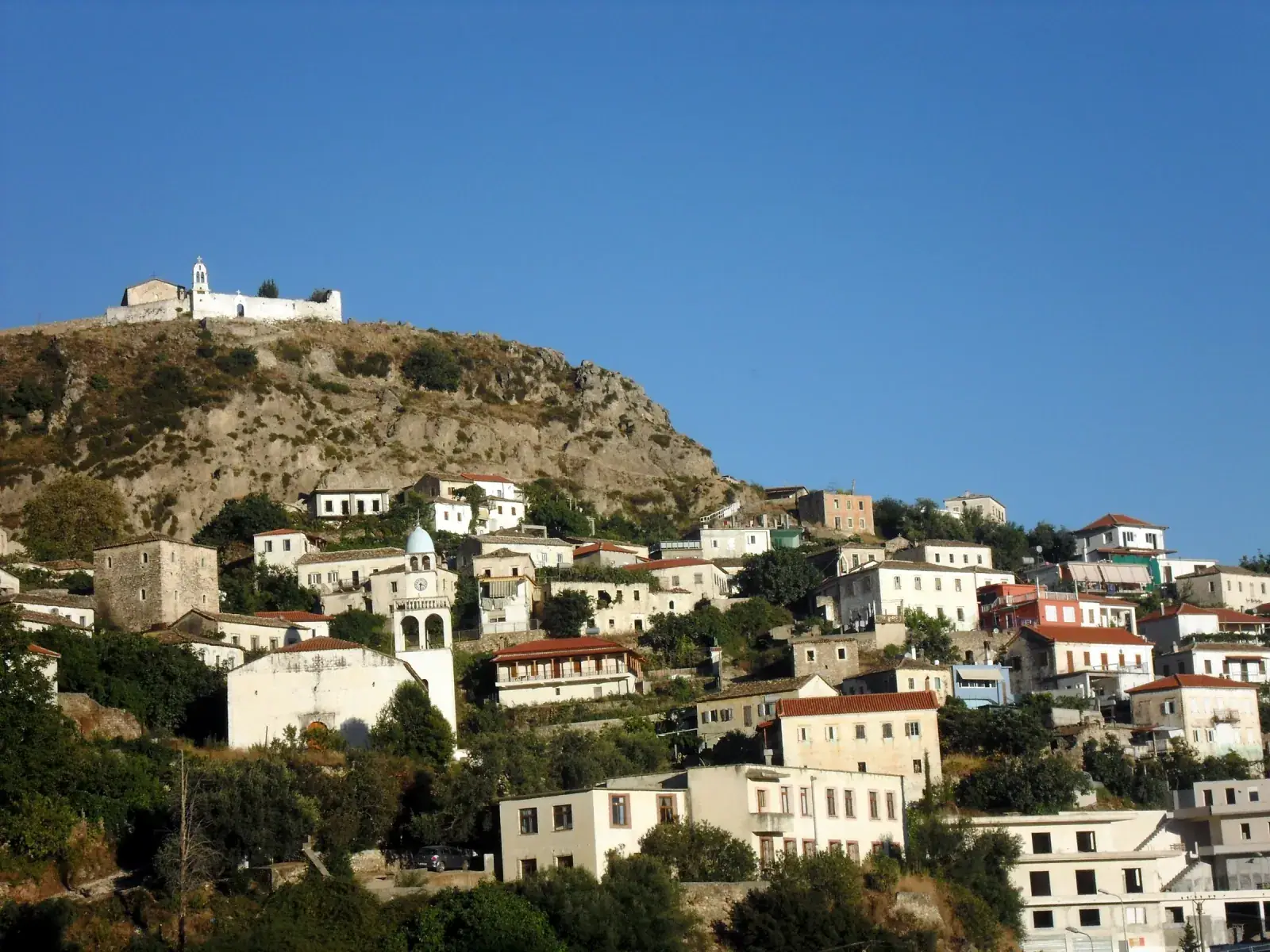
En lo alto de una colina entre Dhermi y Gjipe Beach
El Monasterio de San Teodoro (albanés: Manastiri i Shën Theodhorit, griego: Μονή Αγίου Θεοδώρου) se alza en una colina entre Dhermi y la playa de Gjipe, uno de los lugares con más capas de historia de la Riviera albanesa. Construido sobre las ruinas de un antiguo templo de Zeus, convertido en monasterio ortodoxo en el siglo XIV, reconvertido en complejo vacacional de la marina soviética en los años 50, luego puesto militar albanés hasta finales de los 80, y ahora en restauración. Esta única colina cuenta toda la historia de Albania de forma condensada.
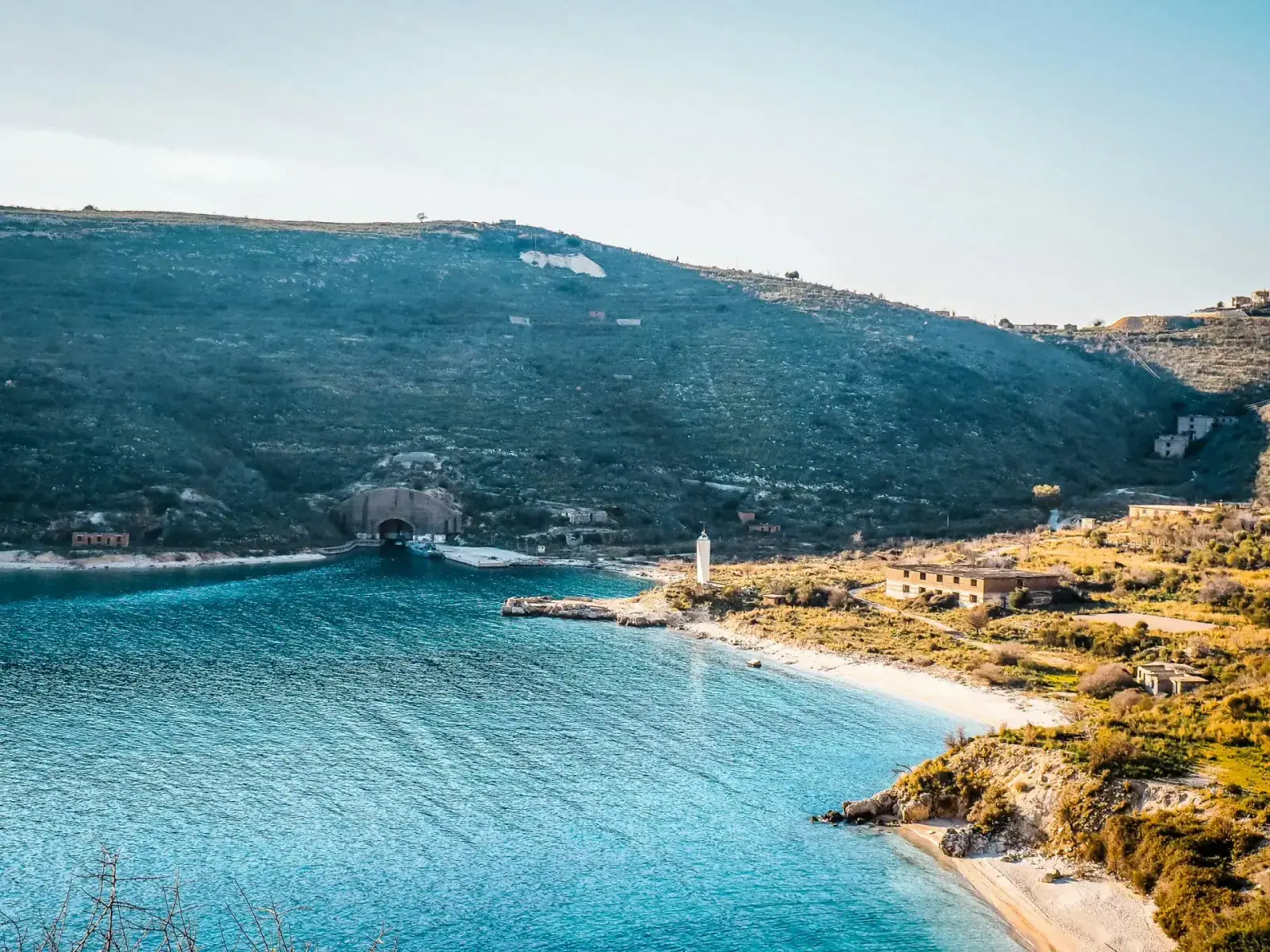
La capa más antigua es un antiguo templo de Zeus, precristiano, de época clásica. Los bizantinos construyeron encima el monasterio ortodoxo en el siglo XIV. El complejo funcionó de forma continuada hasta la Segunda Guerra Mundial, cuando lo ocuparon los italianos. Tras la ruptura con los soviéticos en 1961, el nuevo régimen albanés usó el lugar como puesto de observación militar sobre la bahía, fortificándolo con búnkeres que aún se ven. Antes, entre 1948 y 1961, partes del complejo habían servido como residencia vacacional de la marina soviética, los oficiales que visitaban la base de submarinos de Pasha Liman se alojaban aquí. La restauración comenzó después de 1991.
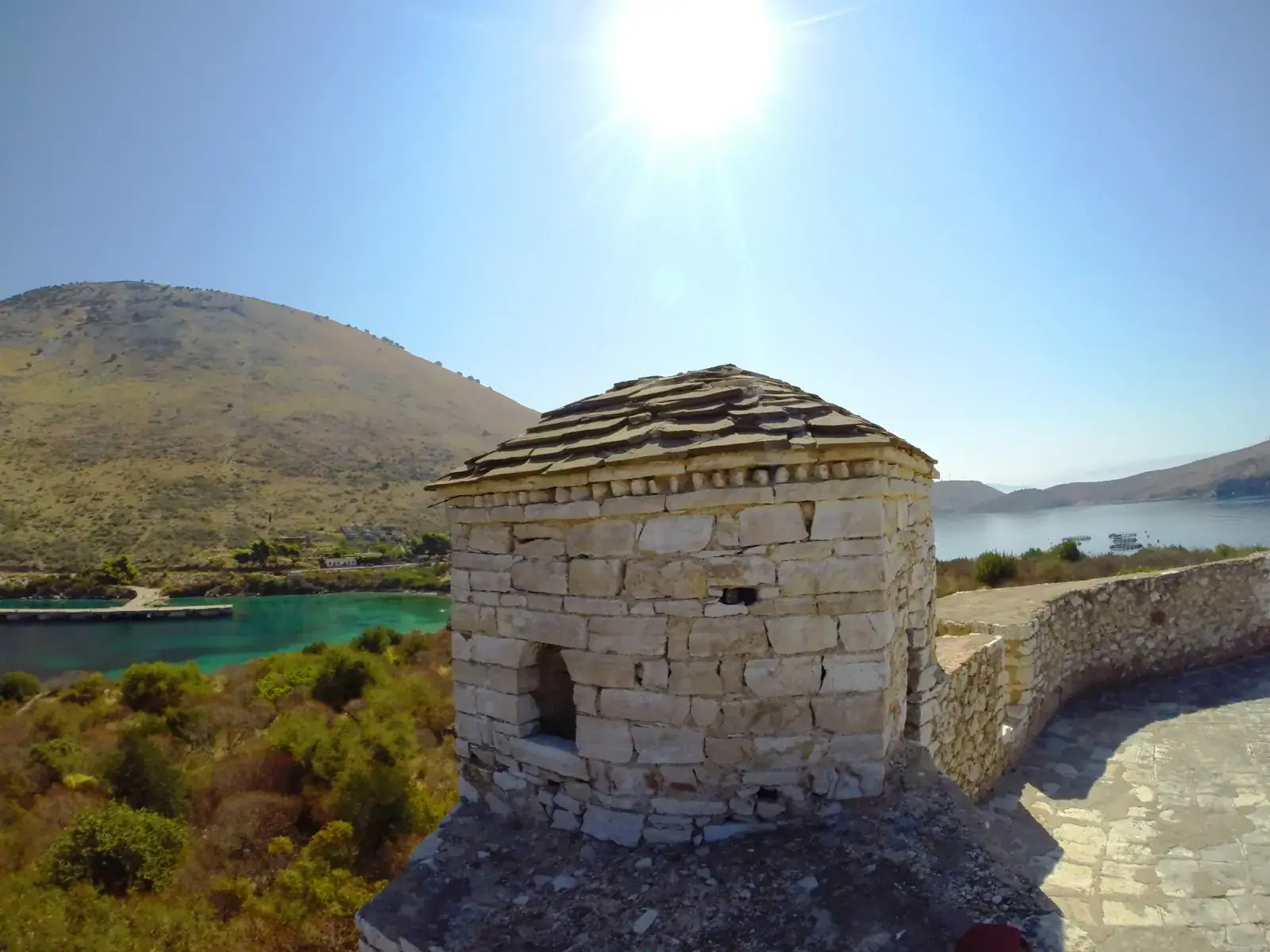
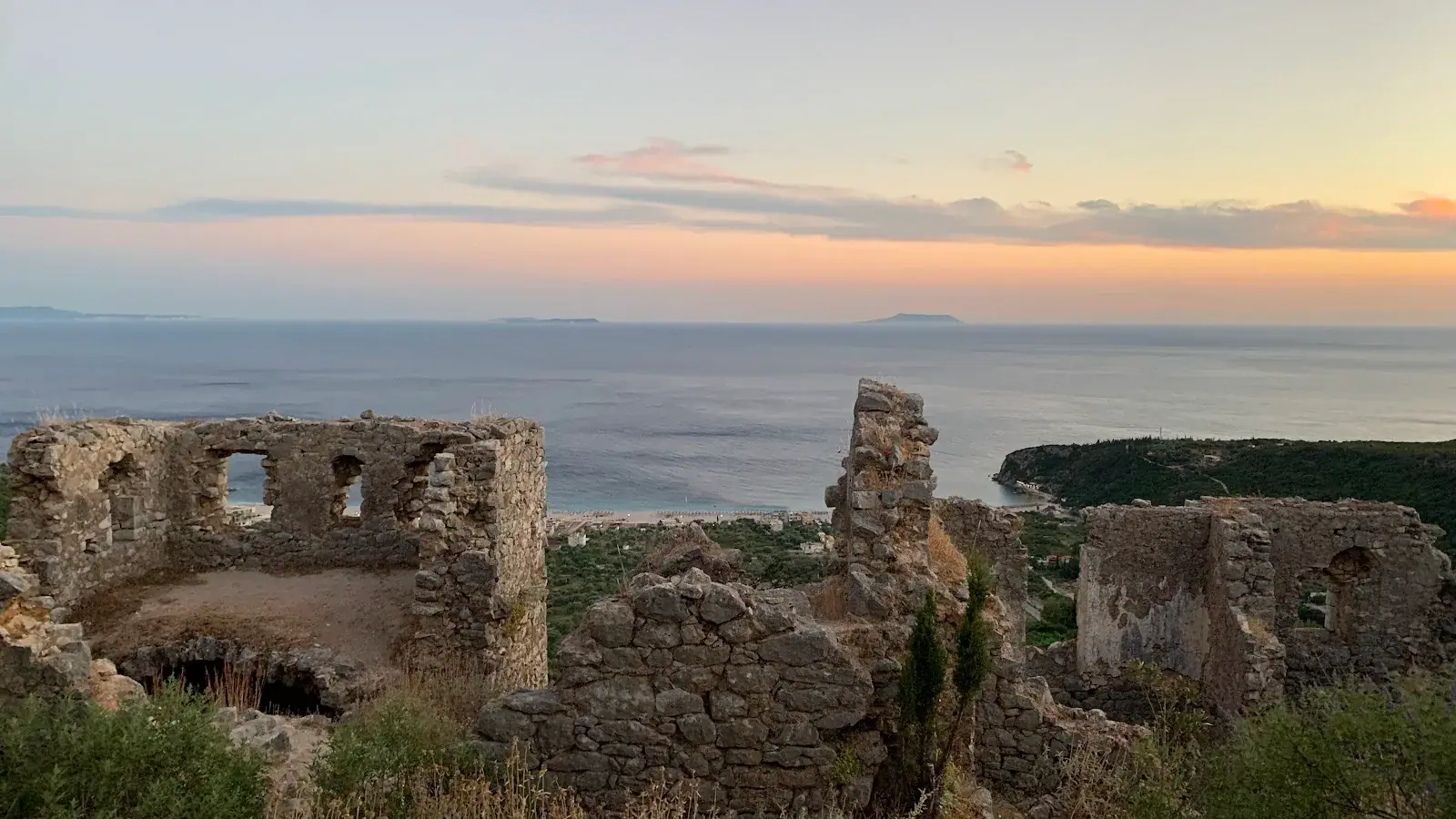
Cimientos y muros parciales de la iglesia bizantina del siglo XIV; piedras visibles del antiguo templo reutilizadas en la construcción del monasterio; búnkeres y edificaciones militares de la era de Hoxha alrededor del perímetro; vistas costeras panorámicas, al sur hacia Himara y al norte hacia el paso de Llogara, con Gjipe Beach muy abajo; en días excepcionalmente despejados, Corfú en el horizonte occidental.
Conduce hacia el norte desde Himara por la SH8 (~15 km, 20 min). El desvío está señalizado como 'Manastiri i Shën Theodhorit', antes de llegar al pueblo de Dhermi, a la izquierda. Una estrecha carretera de un solo carril serpentea 2,5 km entre olivares hasta una pequeña zona de aparcamiento, el mismo aparcamiento que se usa para acceder a Gjipe Beach. Desde el aparcamiento, un sendero peatonal empedrado sube 10-15 minutos hasta el monasterio.
Por la mañana para las vistas más despejadas y las temperaturas más frescas. La subida a pie desde el aparcamiento está parcialmente expuesta. Combínalo con Gjipe Beach por la tarde, el mismo aparcamiento sirve para ambos, y a la playa se baja por un camino cuesta abajo más largo desde allí.
Historia, consejos prácticos y notas de ruta en formato extenso, el artículo que profundiza más que esta página.
Cómo llegan los operadores a este enclave en barco, qué excursiones lo incluyen y qué aspecto tiene la llegada desde alta mar.
La otra mitad natural del día. Arena y mar después de piedra e historia.
Estas rutas incluyen Saint Theodore Monastery como parada. Los precios son por persona y la reserva es online.
Operado por Himara Sea Escapes
No. Puedes conducir 2,5 km desde la SH8 hasta una zona de aparcamiento entre olivares, pero el último tramo de 10-15 minutos es un sendero peatonal empedrado. El aparcamiento cuesta 200-300 ALL (~2-3€). El mismo aparcamiento sirve para Gjipe Beach, así que se llena en pleno verano, llega antes de las 10:00 en julio y agosto.
La entrada al monasterio en sí es gratuita. Solo pagas el aparcamiento junto al inicio del sendero, 200-300 ALL (~2-3€). No hay horario fijo de visita, ni puerta, ni taquilla. El lugar está parcialmente en restauración; el acceso a edificios concretos puede estar limitado.
Construido en el siglo XIV sobre los cimientos de un antiguo templo de Zeus. Funcionó de forma continuada como monasterio ortodoxo hasta la Segunda Guerra Mundial. Después de 1948 sirvió como residencia vacacional de la marina soviética, y luego como puesto militar albanés desde 1961 hasta finales de los años 80. La restauración comenzó después de 1991. Pocos lugares concentran tanta historia albanesa en una sola colina.
Sí, este es el plan habitual de medio día. El mismo aparcamiento sirve para ambos. Visita primero el monasterio (1,5-2 horas) y luego baja por el camino hasta Gjipe Beach por la tarde. La playa es una de las más bonitas de la Riviera, de guijarros, en parte nudista, y accesible solo a pie o en barco.
¿Falta algo o hay un error? Escríbenos a info@himara.net