Himara Castle & Old Town
In town, 15–20 min walk uphill from the promenade
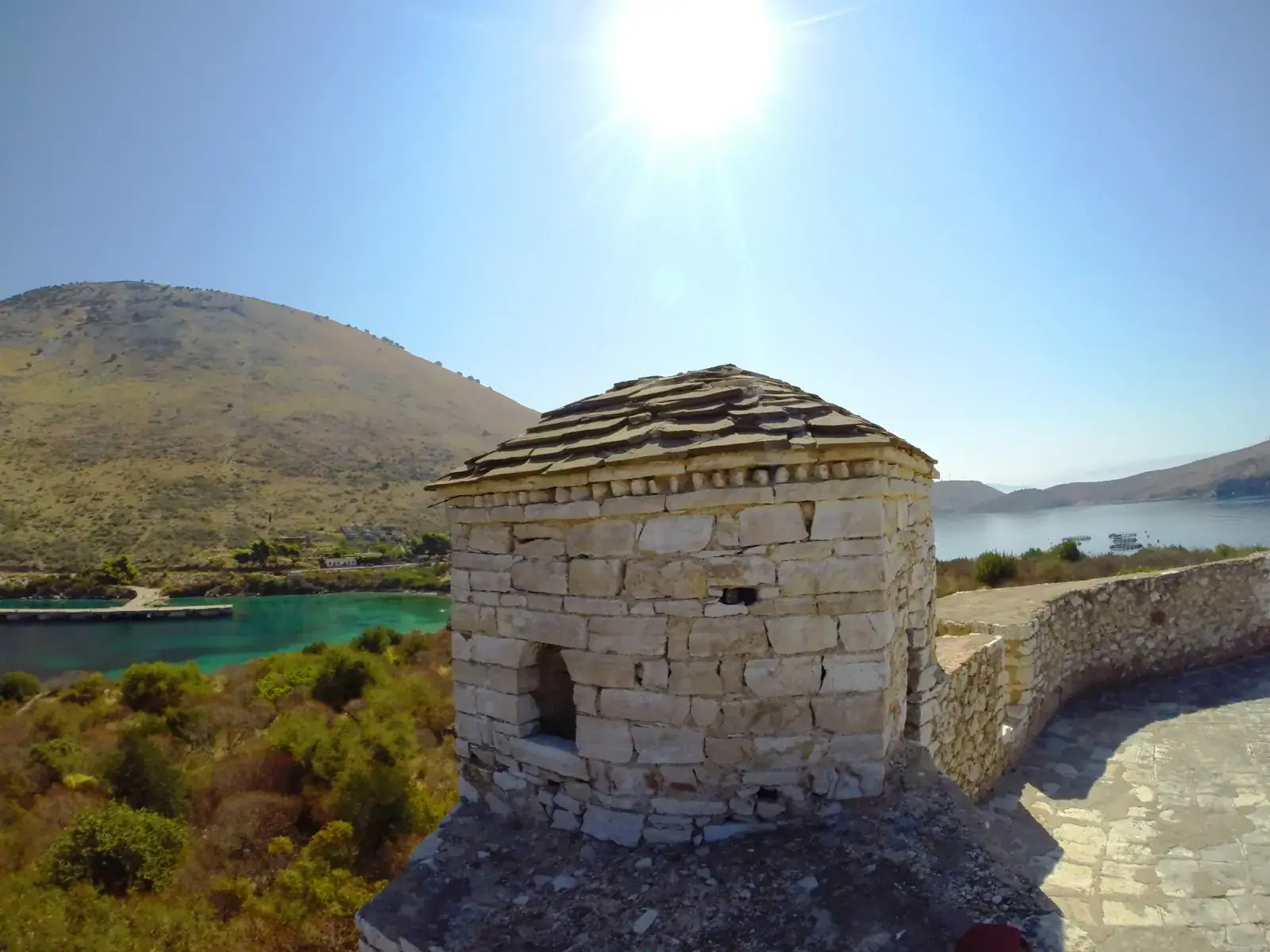
Península central de la bahía de Porto Palermo, al sur de Himara
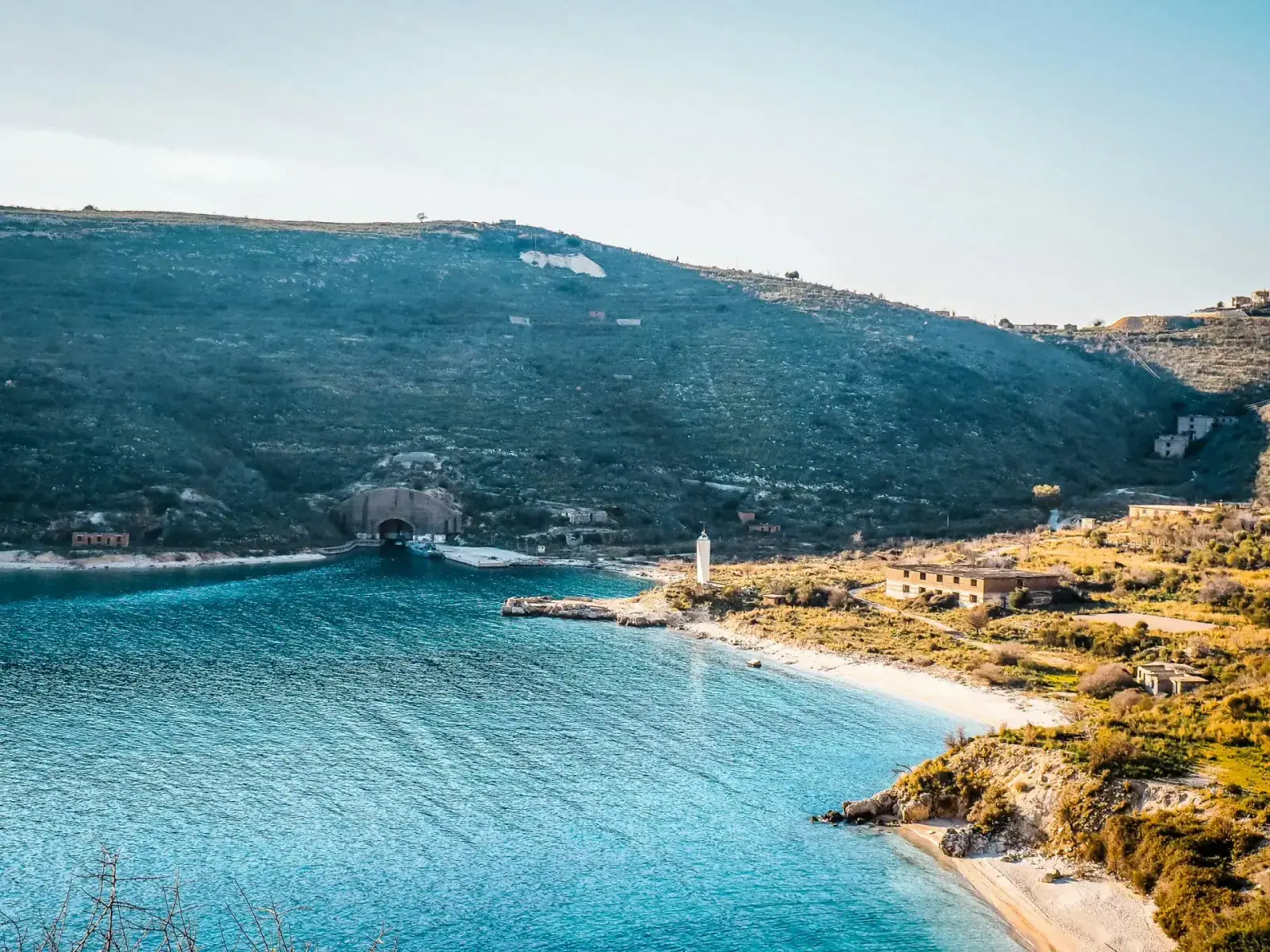
El castillo de Porto Palermo es una fortaleza otomana triangular con tres bastiones redondos, construida en una estrecha península en una de las bahías más fotogénicas de la Riviera albanesa. Encargado a principios del siglo XIX por Alí Pasha de Ioánina, el castillo es el hito principal de cada excursión en barco hacia el sur desde Himara, y la excursión de medio día más fácil y gratificante desde la ciudad en coche.
El castillo actual fue construido hacia 1804 por Alí Pashá de Tepelena, el poderoso gobernante albanés-otomano que controló buena parte del sur de Albania y el noroeste de Grecia entre 1788 y 1822. Algunas fuentes apuntan a fortificaciones venecianas o turcas anteriores en el lugar, hacia 1662, pero la actual estructura triangular con tres bastiones redondos es obra de Alí Pashá. Su propósito era estratégico, controlar a la población himariota y proyectar la autoridad otomana a lo largo de este tramo de costa. La geometría de la bahía la hizo valiosa para todas las potencias regionales que vinieron después, incluido el programa de submarinos de la Guerra Fría en los años 60.
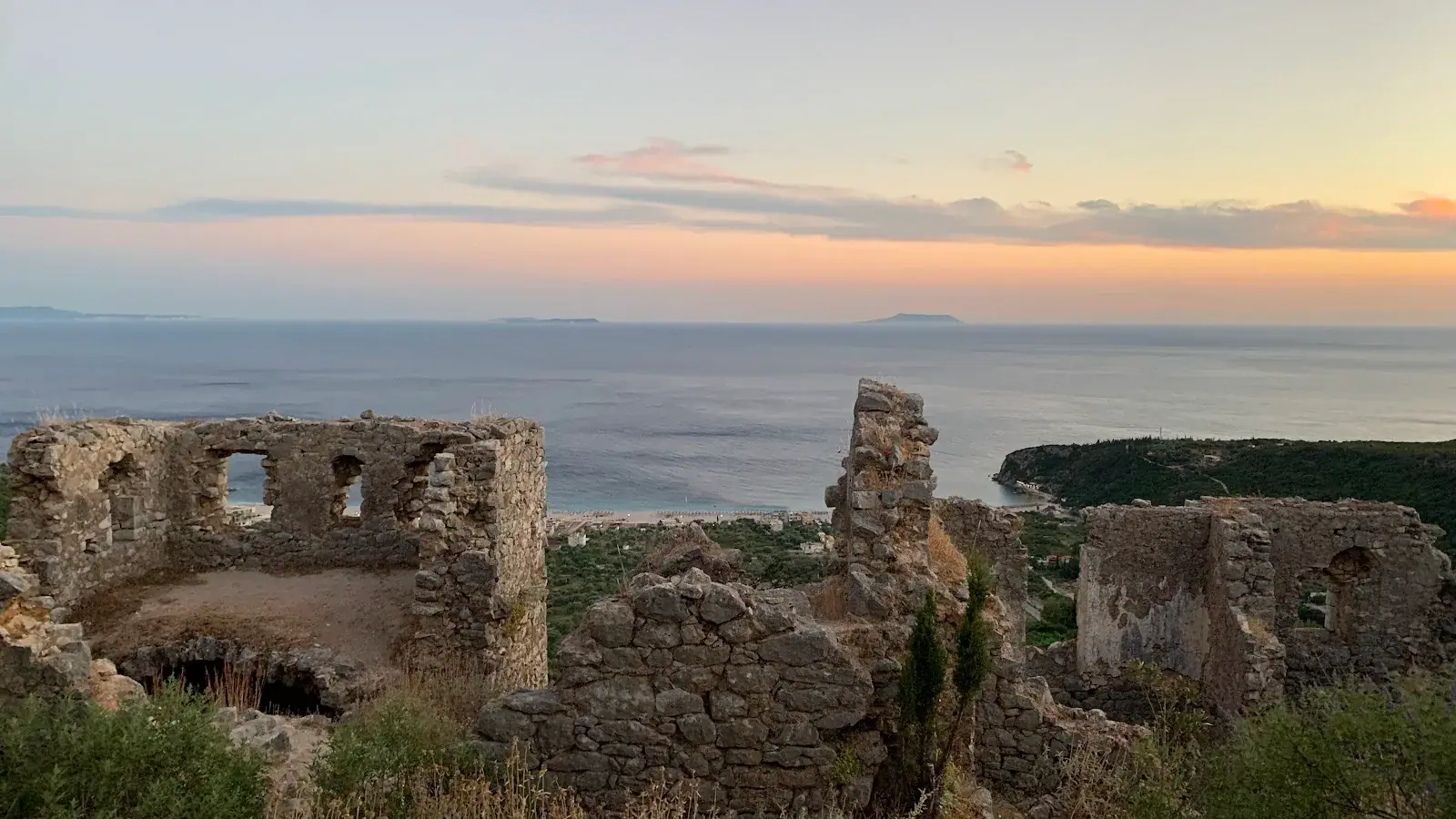
La planta triangular con tres bastiones redondos en cada esquina; las oscuras galerías abovedadas que recorren el interior de las murallas; la terraza de la azotea con vistas de 360° sobre la bahía y el túnel de submarinos enfrente; la cara que mira al mar, el ángulo más fotografiado, sobre todo con la luz de la mañana; las pequeñas zonas de baño en las rocas justo bajo las murallas del castillo.
Conduce hacia el sur desde Himara por la SH8, la misma carretera costera que recorre toda la Riviera albanesa. El desvío a Porto Palermo está señalizado a unos 8-10 km del pueblo. Una breve carretera asfaltada baja hasta la península, con aparcamiento cerca de la puerta del castillo. En moto: perfecta para este trayecto; los alquileres en Himara salen por 15-20€/día. En taxi: ~1.500-2.000 ALL (15-20€) por trayecto, negocia una ida y vuelta.
Por la mañana (08:00-11:00), cuando el sol ilumina la cara que mira al mar y la bahía está más en calma. A última hora de la tarde para la luz dorada en la cara interior. Los cruceros del atardecer recortan la silueta del castillo de forma espectacular, pero dejan la propia estructura en sombra.
Historia, consejos prácticos y notas de ruta en formato extenso, el artículo que profundiza más que esta página.
Cómo llegan los operadores a este enclave en barco, qué excursiones lo incluyen y qué aspecto tiene la llegada desde alta mar.
La otra mitad natural del día. Arena y mar después de piedra e historia.
¿Prefieres ir con guía? Explora las excursiones y visitas a Porto Palermo Castle con precios fijos y cancelación gratuita.
Ver excursiones en GetYourGuide →Estas rutas incluyen Porto Palermo Castle como parada. Los precios son por persona y la reserva es online.
Alí Pashá de Ioánina (también llamado Alí Pashá de Tepelena), el gobernante albanés-otomano que gobernó buena parte del sur de Albania y el noroeste de Grecia entre 1788 y 1822. La construcción se completó hacia 1804. Es posible que hubiera fortificaciones venecianas o turcas anteriores en el mismo lugar, pero el castillo triangular actual es obra de Alí Pashá.
300 ALL (~3€), solo en efectivo. Solo en lek albanés, no se aceptan tarjetas ni euros en la puerta. La bahía y la playa de alrededor son de acceso gratuito; la tarifa solo cubre la entrada a la fortaleza en sí. Los cajeros más cercanos están en Himara, así que consigue efectivo antes de bajar.
No, son lugares distintos en la misma bahía. El castillo se asienta en la península central y data de principios del siglo XIX. El túnel de submarinos se construyó entre 1969 y 1988 en el extremo norte de la bahía y sigue siendo una zona militar restringida. Ambos se ven el uno desde el otro; la mayoría de los tours en barco incluyen el exterior del túnel como una parada aparte.
Sí, no hay que pagar entrada por el agua. Puedes nadar desde las rocas justo bajo las murallas del castillo y en la pequeña playa cerca de la base de la península. El agua es excepcionalmente clara, a menudo considerada la más fotogénica de este tramo de costa. Lleva escarpines para las entradas rocosas.
Calcula 1-1,5 horas para el castillo en sí, el recorrido por las galerías, la azotea y las fotos. Añade una o dos horas más si quieres nadar en la bahía o incluir el mirador del túnel de submarinos. Una visita por la mañana encaja de forma natural con un almuerzo en el pueblo de Qeparo o de vuelta en Himara.
¿Falta algo o hay un error? Escríbenos a info@himara.net