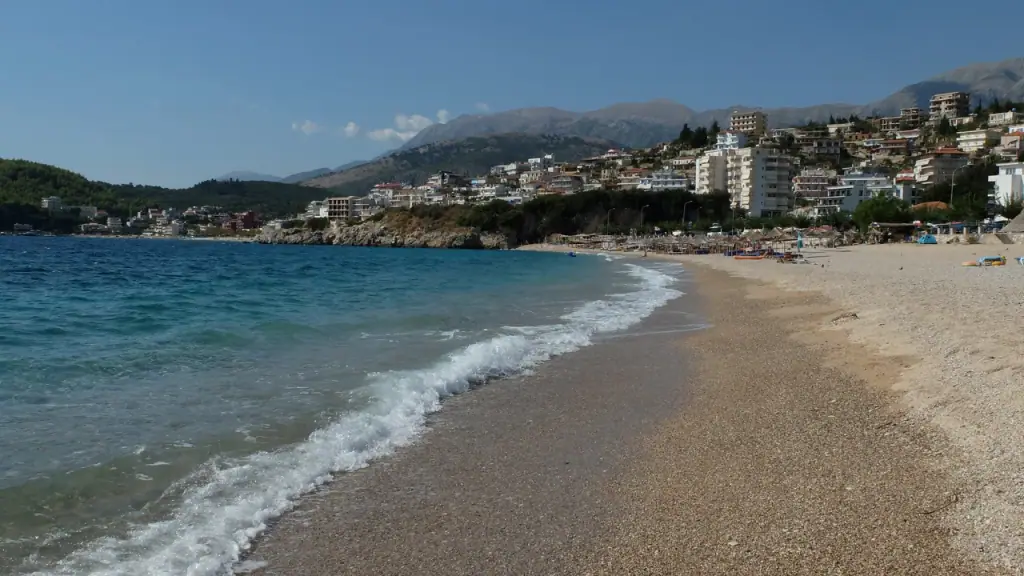
The question travelers want answered about wild camping on the Albanian Riviera is not the broad-strokes legal question (which has a one-line answer: Albanian law doesn't explicitly prohibit camping in nature, but a 2026 environmental law has restricted protected areas, and enforcement varies wildly by location). The useful question is per-beach: where can you actually pitch a tent, where will you get a polite ask to move, and where will the National Park ranger fine you €100-300. Below is the per-beach matrix that answers that, the etiquette that keeps the tradition tolerated, the gear list specific to Albanian-coast conditions, and the calendar of when the entire question changes (peak July-August enforcement is sharply different from October enforcement).
For the established-campsite alternative, actual campgrounds with infrastructure, see Camping the Albanian Riviera. For glamping/structured options, Glamping Albanian Riviera. For a single high-end alternative property, Pine Side Camp Himara Review.
Quick Legality Frame (Read This First)
Three rules govern the entire question:
- No general prohibition on camping in nature. Albanian national law does not explicitly ban pitching a tent in non-protected land.
- Protected areas have stricter rules in 2026. Recent environmental legislation has tightened enforcement in designated National Parks (including Llogara National Park) and protected coastal dunes. Fines apply.
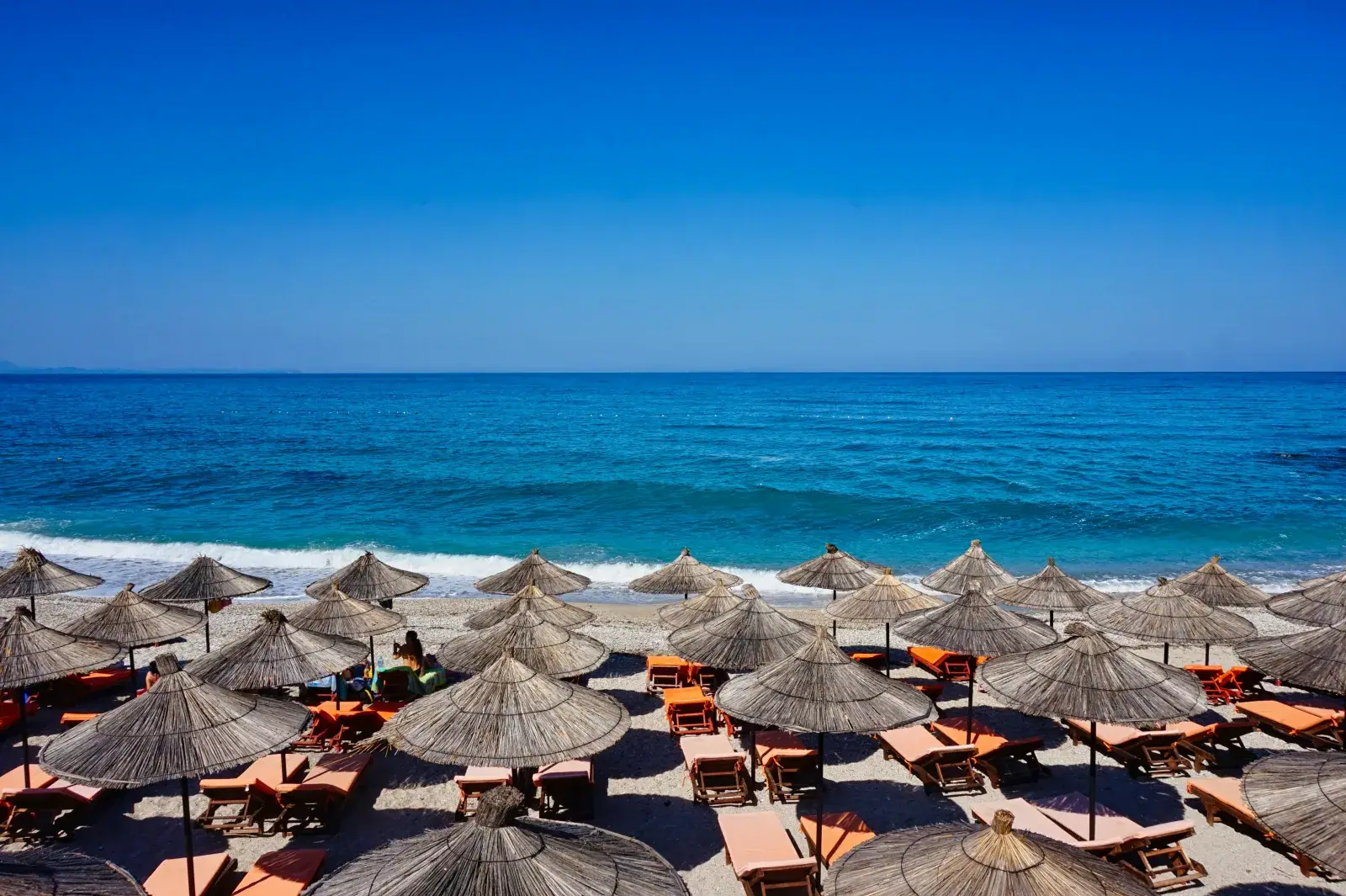
- Private land is private. A surprising amount of "beach" in Albania is leased to hotels and restaurants whose property extends to the waterline. Camping on those strips, even without signage, can result in being asked to leave or charged a "use fee."
That's the legal framework. What follows is the practical map.
Per-Beach Legality Matrix
| Beach / Area | Legality | What to expect | When to consider |
|---|---|---|---|
| Llogara National Park (above the pass) | Forbidden | Ranger patrols; €100-300 fine; tent removal | Never, use the established Llogara campsite instead |
| Palase Beach | Tolerated off-season | Hotel land claims; clean if late season | Apr-May, Oct only |
| Dhërmi (main beach) | Discouraged | Beach clubs on most of the strip; little open space | Avoid in season |
| Drymades | Tolerated north end | Camp out of view of beach clubs; arrive late, leave early | May-Jun, Sep-Oct |
| Gjipe Beach | Traditional camping spot | Tolerated; cliff-bottom canyon location; bring water | Apr-Oct; busiest in Aug |
| Jale Beach | Discouraged in season | Beach clubs dominate; tolerated north of clubs off-season | Apr-May, Oct |
| Filikuri Beach | Tolerated | Boat or kayak access only; remote | Best for kayak campers |
| Aquarium / Akuarium | Discouraged | Boat-access; small; high traffic in summer | Skip in season |
| Spile (Himara main beach) | Forbidden | Urban beach; police patrols; you will be moved | Never |
| Livadhi Beach | Discouraged | Some hotel claims; quieter than Spile | Off-season only |
| Potam Beach | Tolerated south end | Beach bar at north end; south end is open | May-Oct, light footprint |
| Porto Palermo cove | Tolerated | National monument area but informal; respect the castle perimeter | Apr-Oct |
| Buneci Beach | Tolerated | Pebble cove; small; very limited services | Apr-Oct |
| Lukovo Beach | Open & traditional | Long pebble strip; minimal hotel presence; popular with overlanders | Apr-Oct |
| Borsh Beach | Tolerated south end | Long beach; hotels at north end; south end is open | May-Oct |
| Qeparo Beach | Tolerated | New promenade affects north section; south end is open | May-Oct |
"Tolerated" means: locals will not call authorities, hotels in the vicinity will not chase you off, but the situation can change with new ownership or local complaints. "Forbidden" means: enforcement is real and current.
The Etiquette That Keeps Tradition Tolerated
Wild camping along the Albanian Riviera has been tolerated for decades on a basis of unwritten rules. Violate them and the tolerance evaporates fast, for you and for everyone who comes after you.
- Arrive late, leave early. Pitch after 19:00, pack by 09:00. A tent visible from the beach at midday invites complaints from beach-club operators.
- Pack out every gram. Trash on Albanian beaches is the single biggest reason 2026 environmental laws tightened. The campers who leave trash break the tolerance for the next group.
- No fires on beaches. Forest-fire risk in July-August is real, and Llogara National Park has had multiple campfire-caused fires. Use a small camp stove if you cook.
- Ask if you can see a building. If a beach bar, restaurant, or house is visible. Walk over and ask before pitching. Almost always the answer is yes, sometimes with a polite request to move 50m.
- Don't dig anything. No trenches, no fire pits, no toilet holes. Bury organic waste properly or carry it out.
- No music after 22:00. Sound carries on the coast; beach-club operators will report a noisy camp before any other issue.
- One tent, one night. Multi-tent camps and multi-night stays cross the line from "wild camping" into "informal campsite" and attract attention.
These rules are what allow Gjipe, Lukovo, and Bunec to remain genuinely tolerated rather than becoming the next enforcement target.
When the Calendar Changes Everything
The same beach has different rules in different months.
| Month | Enforcement intensity | What changes |
|---|---|---|
| April-May | Low | Few beach clubs operational; rangers focused on park entry, not coast |
| June (first half) | Moderate | Beach clubs opening; tolerance starts to compress |
| Late June - August | High | Peak enforcement. Spile patrols active. Llogara rangers visible. Hotel staff move tents at dawn. |
| September | Moderate | Crowds thin; tolerance returns |
| October | Low | Off-season; many beaches are yours alone |
| November-March | Very low | Camping is allowed in practice but weather is the limit |
If your trip is May or October, the question of legality is largely moot, wild camping is tolerated almost everywhere outside protected areas. If your trip is July-August. Plan around the enforcement matrix above.
The Gear List for Albanian-Coast Conditions
What works specifically for this coastline:
- Tent with mesh inner + full fly. Sandflies and mosquitoes are real along the Ionian coast May-September. Mesh-only camping is misery.
- Footprint. Pebble beaches will shred a thin tent floor in one night.
- Water, minimum 4L/person/day. Most wild-camping beaches have no fresh water. Carry in.
- Headlamp. No streetlights anywhere on the coast away from town beaches.
- Trash bags x2. One for waste in, one for waste out.
- Sun shelter. Pebble beaches with no shade can hit 40°C in August midday. A tarp or beach umbrella matters more than the tent.
- Power bank. Charging is the main "I should have planned this better" gap.
- eSIM for offline maps and emergency data. Saily is the best-value option for Albania, instant QR delivery, transparent pricing. Critical for navigation when you're off the SH8 and on dirt access roads to remote beaches.
Specific Wild-Camping Itineraries That Work
Three practical 2-3 day routes from Himara that respect the legality matrix.
1. Two-Night Boat-Access Camp (Gjipe + Filikuri)
- Day 1: Kayak from Himara to Gjipe, see Himara to Gjipe Kayak Guide. Camp on the beach north end. Hike up to the canyon mouth.
- Day 2: Kayak short hop to Filikuri Beach. Smaller, even more remote. Camp there.
- Day 3: Kayak back to Himara.
Logistics: kayak rental from Himara harbour, return drop-off, food and water carried in.
2. Three-Night South-Riviera Pebble Crawl (Lukovo + Bunec + Borsh)
- Day 1: Drive Himara → Lukovo (40 min south via SH8). Camp Lukovo south end.
- Day 2: Move to Bunec (15 min). Small pebble cove, very few visitors.
- Day 3: Move to Borsh south end (15 min). Long pebble strip.
- Day 4: Return to Himara via Qeparo.
This is the route most overlander-with-rooftop-tent travelers run. Cellular coverage holds throughout. Water resupply at any of the village shops.
3. Single-Night Boat-Drop Camp (Pirate's Cave area)
- Charter a small boat one-way from Himara harbour to a remote cove north of Pirate's Cave.
- Pre-arrange pickup the following morning.
- This is the maximum-remoteness option, no road access, no cellular in most spots, no escape on foot.
Only do this with confirmed boat-return arrangement and adequate water for 36 hours.
What to Do if You're Asked to Move
It happens. The procedure that keeps the encounter friendly:
- Acknowledge calmly, no argument.
- Ask if it's a "move 100m" or a "leave the beach entirely" request.
- Pack quickly. Don't drag it out.
- If asked for a "fee" by someone in non-uniform clothes, it's not official, politely decline and leave.
- If a uniformed officer (Bashkia municipal or park ranger) writes a fine, pay it. Don't argue. Fines for protected-area violation in Llogara are €100-300 and they're real.
The avoid-the-fine playbook: don't camp in Llogara National Park designated areas, don't camp on Spile (Himara town beach), don't camp on Dhërmi main beach, don't camp on visibly-developed Jale or Drymades strips in peak season.
For US travelers: Albanian wild-camping culture is closer to BLM dispersed camping than to a regulated state-park system, broad tolerance in non-protected areas, with self-policing as the enforcement mechanism. The fines for violating the protected-area rules are real but small by US standards ($100-300 USD-equivalent). Bring a passport for any encounter with rangers; rental-car insurance doesn't cover vehicle damage from dirt roads to remote beaches, choose access routes carefully.
For UK travelers: The Albanian wild-camping environment is more permissive than Scotland's "right to roam" (which only formally exists in Scotland anyway) but with less infrastructure. UK camping insurance rarely covers Albania; check your policy. The Saranda-Corfu ferry is the natural exit point for a Riviera-camping trip onward to the Greek islands.
For German / Dutch / Nordic travelers: Albanian beach camping resembles the Croatian-coast pattern of the 1990s, broadly tolerated, increasingly regulated, currently in a transitional window. The 2026 environmental law restrictions are real and likely to expand by 2028. Travel now, follow the etiquette above strictly, and don't be the camper who ruins the tradition.
Safety Considerations
Wild camping anywhere on the Albanian Riviera is generally safe, with these caveats:
- Petty theft from unattended camps is rare but possible. Don't leave valuables in the tent during day hikes.
- Stray dogs are the most common nighttime visitor, see Stray Dogs Albania Guide for the calm-and-quiet protocol that works.
- Boat noise from late-night party boats can disturb camps near popular swimming coves in August.
- Weather change. Coastal squalls in spring and autumn can pin you to a beach for 24 hours; carry one day's extra food.
- Snake encounters. Mostly harmless; the local nose-horned viper is present in stone walls and dry brush. Wear boots in rocky areas, especially at night.
FAQ
Is wild camping legal in Albania?
There's no general law against pitching a tent in nature outside protected areas. 2026 environmental legislation has tightened enforcement in National Parks (including Llogara) and protected dunes. Beach-by-beach tolerance varies, see the matrix above. Etiquette (arrive late, leave early. Pack out trash) is the main protection against the tolerance disappearing.
Where on the Albanian Riviera can I wild camp without trouble?
Lukovo, Bunec, Porto Palermo cove, the south ends of Borsh and Qeparo, and Gjipe (the established traditional spot) are reliably tolerated outside peak July-August. Avoid Llogara National Park, Spile, and any visibly-developed Dhërmi or Jale beach strip in season.
Will I get fined for wild camping?
Most likely outcome: nothing happens, or you're asked to move. Fines are rare but real in protected areas (€100-300) and on visibly private property. Stay out of Llogara National Park designated zones and you reduce the risk substantially.
Can I have a fire on the beach?
No. Forest-fire risk in July-August makes any open flame a serious issue, and beach-fire ash damages the environment. Use a small camp stove if you cook; pack out the ash if you have a contained fire pit.
What's the best month for wild camping on the Riviera?
May, June first half, and September, warm enough for sleeping out, low enough enforcement pressure to be comfortable, sea warm enough for morning swims. October works for the well-prepared. July-August work but you'll be camping among more people and under more scrutiny.
Bottom Line
Wild camping on the Albanian Riviera is legal in principle, tolerated in practice, and per-beach in execution. Use the matrix above to pick beaches; follow the etiquette to keep the tolerance intact; avoid protected areas; and plan May, June, or September for the most relaxed experience. The 2026 environmental law has tightened enforcement in obvious places (Llogara, Spile) but left the traditional spots (Gjipe, Lukovo, Bunec) functionally unchanged. Behave as if you want this tradition to still exist in 2030.