The Albanian Riviera's shoulder season. May through mid-June and mid-September through October, delivers the best value on this coastline. Warm weather, swimmable seas, open restaurants, and prices 20-50% below peak, without the crowds that turn popular beaches into obstacle courses. The trade-off: not everything runs at full capacity, and the further you push into the edges (early May, late October), the more flexibility you need.
This guide maps out what opens when, what closes when, and what each shoulder month feels like on the ground. For the year-round picture, see our best time to visit Himara guide.
Compare hotels, apartments, and Vrbo rentals on the map. Powered by Stay22.
Quick Facts
| Detail | May | Early-Mid June | September | October |
|---|---|---|---|---|
| Air Temp | 18-26°C | 25-30°C | 25-30°C | 18-24°C |
| Sea Temp | 18-20°C | 21-23°C | 23-26°C | 20-22°C |
| Hotels Open | 60-70% | 80-90% | 95-100% | 50% by mid-Oct |
| Restaurants Open | ~60% mid-May | ~85-90% | ~90% early, dropping late | ~35-40% |
| Beach Services | Starting mid-May | Mostly running | Fully running | Winding down |
| Prices vs Peak | 30-50% below | 20-30% below | 20-40% below | 40-60% below |
| Rain Risk | 4-6 days/month | 2-4 days/month | 3-5 days/month | 8-10 days/month |
| Best For | Hiking, quiet beaches | Best overall value | Warm sea, fewer crowds | Empty beaches, day trips |
What Is Shoulder Season?
Shoulder season falls between dead winter (November-March, when most tourism infrastructure shuts down) and full summer (mid-June through mid-September, when everything is open, packed, and priced accordingly). On the Albanian Riviera, that means May through mid-June on the spring side and mid-September through October on the autumn side.
The distinction matters because shoulder season is not a single experience. Early May and late October are worlds apart from early June and mid-September. The edges feel like off-season with better weather. The middle feels like summer with fewer people.
Month-by-Month Breakdown
May: The Riviera Wakes Up
May is transitional. The town shifts from winter quiet to summer preparation, and the difference between the first week and the last week is dramatic. For the full deep dive, see our Himara in May guide.
What's open: Around 60-70% of hotels are operating by early May, with stragglers opening through the month. By mid-May roughly 60-70% of seasonal restaurants have opened. Minimarkets, pharmacies, and bakeries run year-round. Beach bars follow a staggered launch, a handful test weekend openings early in the month, most major ones operational by late May.
What's not: Nightlife is essentially nonexistent. Some tour operators haven't started their schedules. Organized water sports (jet skis, parasailing) wait for June. Boat tours run irregularly, treat any departure as a bonus, not a plan.
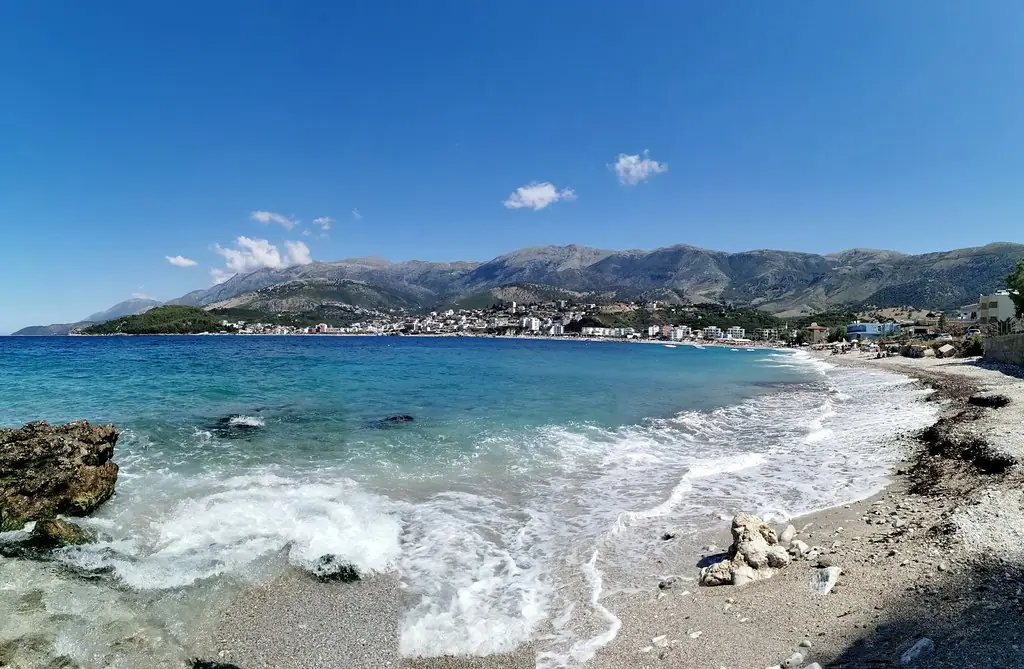
The water: 18-20°C. Cool but swimmable in sheltered coves like Llamani and Spile on sunny afternoons. Northern Europeans swim without flinching. Late May edges toward 20-21°C, tolerable for real swims.
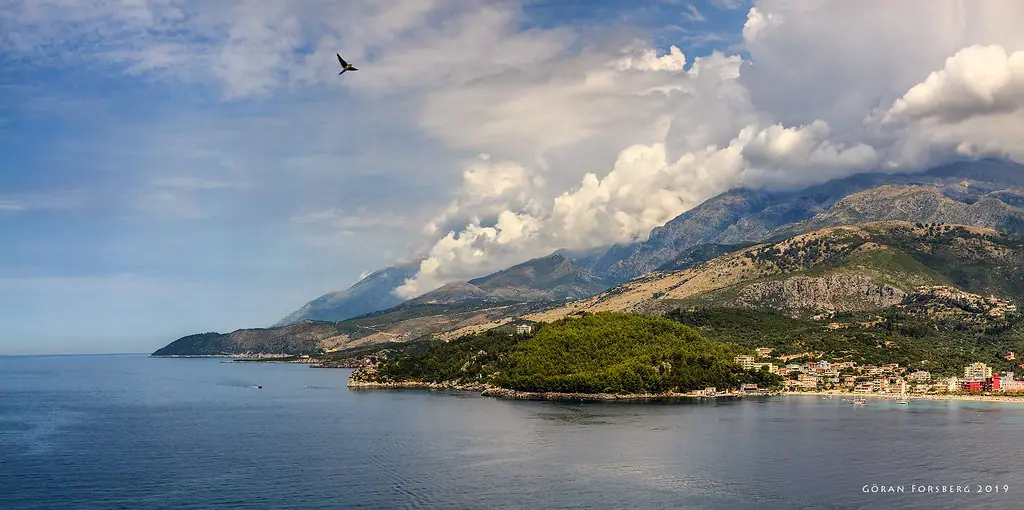
The weather: Variable. Expect 4-6 rain days, concentrated in the first half. When the sun is out, temperatures of 22-26°C make May the best hiking month of the year. Wildflowers everywhere, green hillsides against blue sea.
Prices: 30-50% below peak. A mid-range double that costs 10,000-15,000 lek in August runs 5,000-8,000 lek in May.
Sunbed operators: Mostly absent on smaller beaches. Major beaches like Livadhi see operators set up by mid-to-late May, but you can spread a towel anywhere without being directed to a paid sunbed, a freedom that disappears by July.
Early-to-Mid June: The Best Value Window
Early June is the sweet spot that experienced Riviera travelers target. The full infrastructure is nearly online, the weather is reliably warm, and prices haven't reached peak levels. Our Himara in June guide covers the month in full detail.
What's open: 80-90% of everything. Nearly all hotels, restaurants, and cafes are running. Beach bars are operational with DJ sets starting. Boat tours run daily. Water sports rentals are available at major beaches. The full summer infrastructure is in place, just at lower volume.
What's still ramping up: A handful of hotels and beach bars open during the first week. Some operators wait for the second week to start daily schedules. Nightlife warms up but doesn't hit peak intensity until late June.
The water: 21-23°C. Comfortable for everyone. You can float at Livadhi for an hour without thinking about temperature. Water clarity is at its best. June hasn't yet had the heavy traffic that slightly clouds the shallows later.
The weather: The most predictable stretch of shoulder season. Daytime 25-30°C, 2-4 rain days max (brief afternoon showers), reliable sunshine. UV is already strong.
Prices: 20-30% below peak. Mid-range doubles run 7,000-12,000 lek in early June. Early June is the single best value-for-experience month on the Riviera, 90% of peak summer's offerings at 70-80% of the cost, with a fraction of the crowds.
September: Possibly the Best Month
September is the autumn mirror of June, but with one major advantage: the water is warmer. The Ionian Sea has absorbed heat since May, and by September it sits at 23-26°C, warmer than the water you'd find in early June. See our Himara in September guide for the complete breakdown.
What's open: Everything, through mid-September. Every restaurant, hotel, beach bar, and tour operator is still running. Late September sees the first closures, some beach bars pack up, a few water sports operators reduce schedules, but core services stay.
The crowds: Albanian and Kosovar families head home after the last weekend of August. The beaches empty almost overnight. Livadhi has sunbeds available all morning without the 9 AM scramble. Walk into any restaurant for dinner without waiting.
The water: 23-26°C in early September, essentially the same as August. By late September, 22-23°C, still warmer than early June. Long, comfortable swims all day.
The weather: Air temperatures of 25-30°C in the first half, easing to 25-28°C late month. Rain is minimal, 3-5 days, mostly brief storms. The light shifts golden. Hiking becomes enjoyable again after the punishing summer heat.
Prices: 20-40% below August peak. Mid-range doubles drop to 5,000-9,000 lek. Some properties offer further discounts for stays of 3+ nights.
October: The Wind-Down
October is for a specific kind of traveler, someone comfortable with uncertainty and drawn to empty landscapes. For the complete picture, see our Himara in October guide.
What's open: It depends on the week. Early October still has 50-60% of restaurants operating and most hotels open. By mid-October, closures accelerate. Hotels shut without warning. Restaurants switch to weekends-only or close entirely. By late October, you're down to the year-round core.
The water: 20-22°C in early October, still genuinely swimmable. That's warmer than the English Channel ever gets. By late October, 18-20°C, which limits swimming to sunny afternoons in sheltered coves.
The weather: The gamble. Early October delivers 22-25°C days with golden light, genuinely beautiful. Late October brings 18-22°C, increased cloud cover, and the real possibility of multi-day rain. Expect 8-10 rain days across the month. You need a plan B.
Prices: The lowest outside winter. Mid-range doubles at 2,500-5,000 lek (25-50 EUR). If you're traveling on a budget, October is as cheap as the Riviera gets with warm enough weather to swim.
The reality check: Businesses close without notice. You might walk to a restaurant that was open yesterday and find the doors locked. If you need guarantees, October is not your month. If you like improvisation, October rewards you with empty beaches, olive harvest scenes, and a coastline that feels like a private discovery.
What's Open Year-Round in Himara
Regardless of month, Himara never fully shuts down. You can always count on:
- Main supermarket and minimarkets. Fully stocked, every day.
- Pharmacies and the health center. Basic medical services.
- 3-5 year-round restaurants. The local joints that serve residents, not just tourists. Enough to eat well for a week without repeating.
- Bakeries and coffee shops. Espresso, byrek, and fresh bread every morning, year-round.
- A handful of hotels and guesthouses. Enough to find a room in any month. See our where to stay guide.
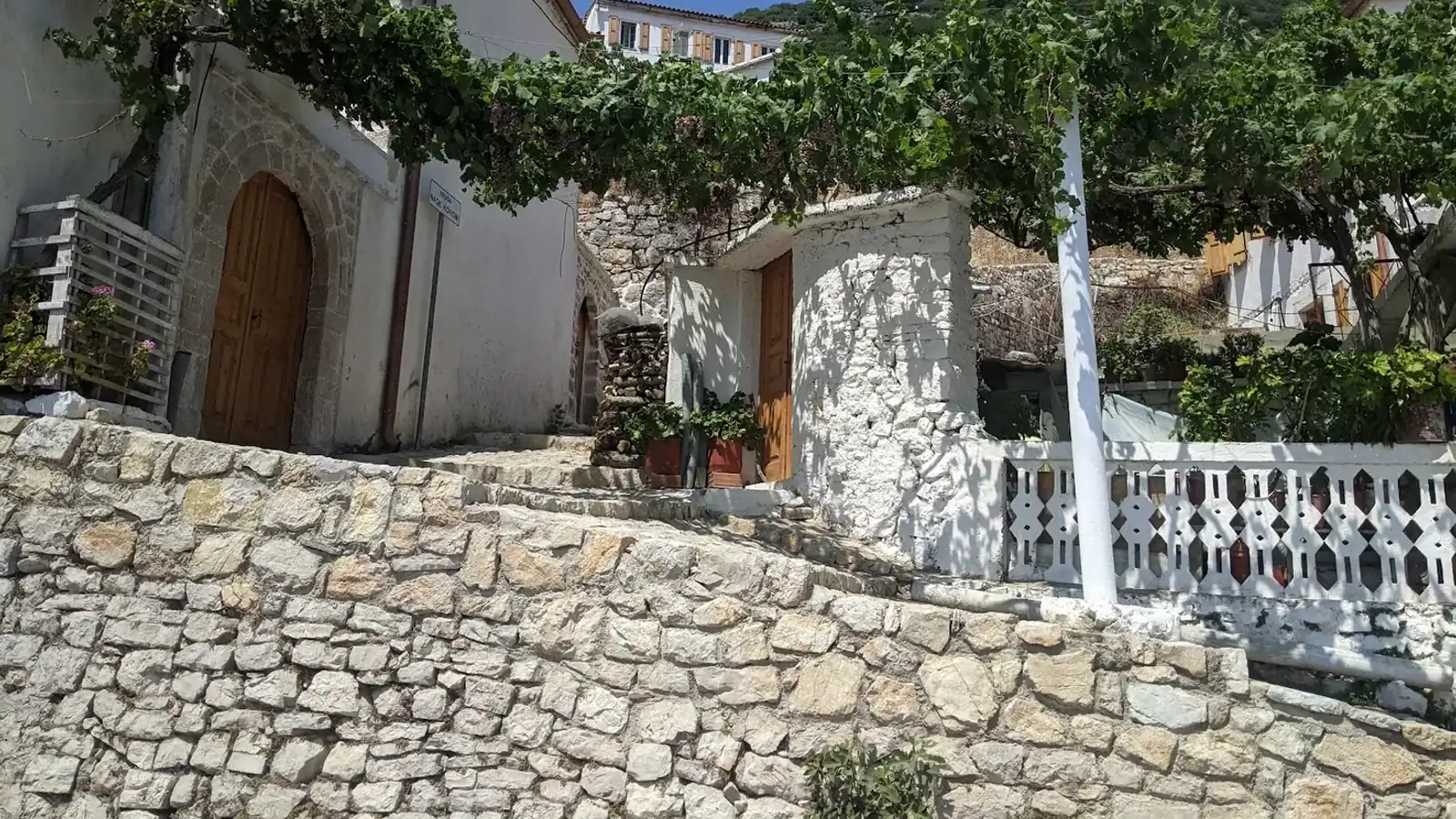
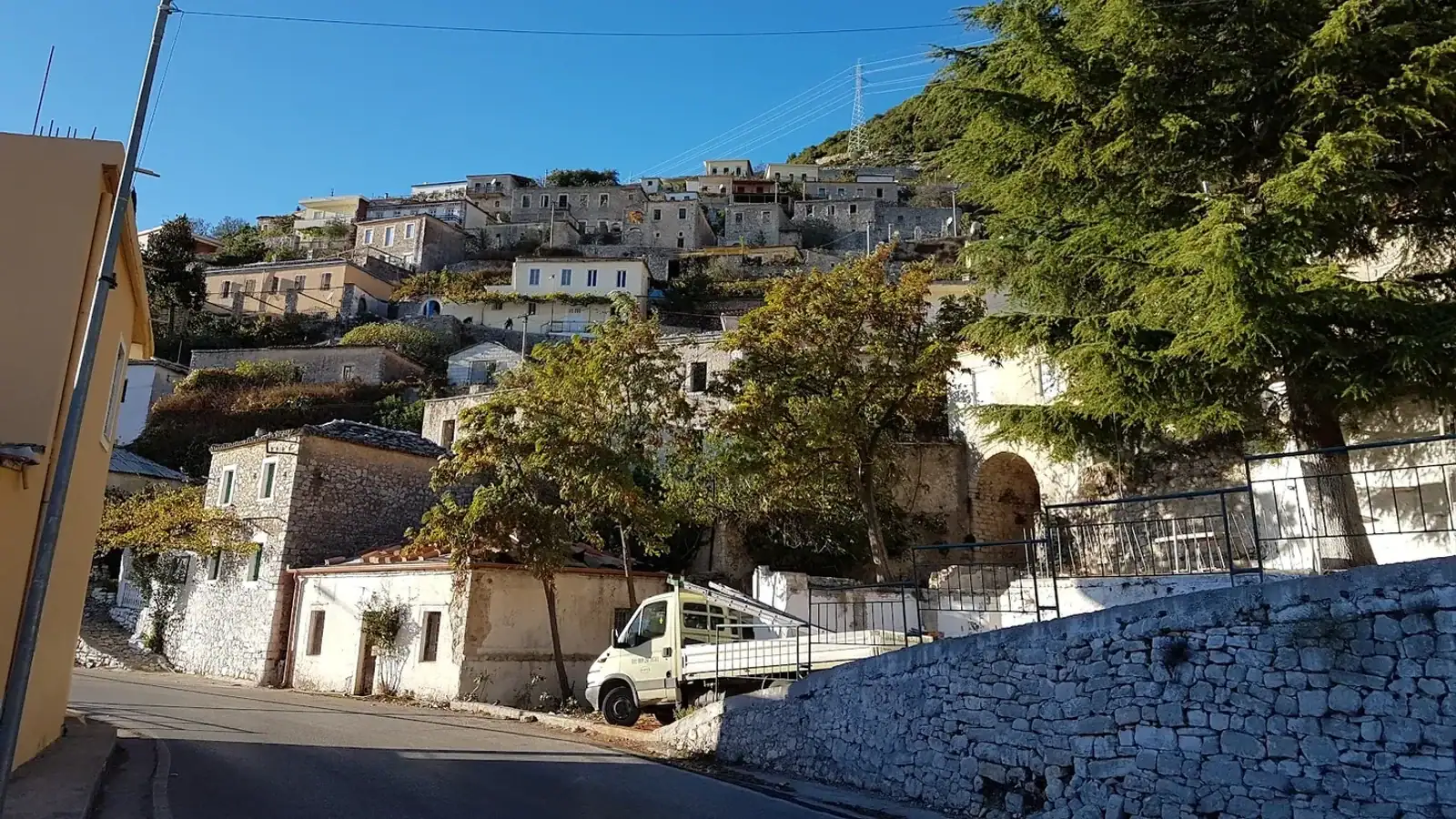
- Himara Old Town (Kastro). Always open, always free. Byzantine churches, Ottoman walls, panoramic views.
Beach Services Timeline
Beach infrastructure follows a predictable arc:
| Service | Opens | Peak | Closes |
|---|---|---|---|
| Sunbed operators | Mid-May (major beaches) | July-August | Mid-October |
| Beach bars | Late May to early June | July-August | Late September to early October |
| Water sports (kayak, paddleboard) | Late May | June-August | Mid-September |
| Jet skis, parasailing | June | July-August | Early September |
| Boat tours | Mid-May (irregular) | June-August (daily) | Mid-October (irregular) |
Smaller beaches. Filikuri, Buneci, parts of Gjipe, never get formal sunbed operations and stay wild all season.
Advantages of Shoulder Season
Lower prices. Accommodation savings of 20-50% compared to peak summer. Over a week-long stay, the difference between a May trip and an August trip can fund several extra days. See our guide on the best time to book Albanian Riviera hotels.
Fewer crowds. A beach with 20 people and a beach with 200 people are fundamentally different places. Shoulder season gives you the former.
Better hiking weather. May and September-October are the best hiking months. At 20-26°C, you can hike all day without wilting. Spring wildflowers (May) and autumn golden light (September-October) add visual rewards that summer can't match.
Warmer sea in September than June. The Ionian remembers summer. September water at 23-26°C beats early June's 21-22°C. If warm swimming matters and you're choosing between spring and autumn shoulder, autumn wins.
Better service. Restaurants that aren't slammed provide noticeably better attention. Staff who aren't exhausted from an 18-hour August day are more engaged.
Disadvantages of Shoulder Season
Fewer restaurant choices. In August, 30+ restaurants operate in Himara. In May or October, that drops to 15-20 or 10-15 respectively. You'll eat well, but variety is reduced.
Limited tours and boat services. Organized boat tours run irregularly in May and October. Stick to June-September for guaranteed daily departures.
Less predictable weather. May and October can throw multi-day grey spells that July never does. You need flexibility and a rain plan. See our Himara weather guide.
Cooler water (spring side). May's 18-20°C sea deters casual swimmers. If warm water is non-negotiable, September or June is better.
Things close without warning. Particularly in October. A restaurant's Google listing says "open" but the door is locked. Shoulder season requires rolling with these small frustrations.
Booking in Shoulder Season
Shoulder season booking is more forgiving than peak summer, but the best properties still book up.
May and October: Book 1-2 weeks ahead for quality mid-range accommodation. Last-minute works for budget guesthouses. Top-end properties appreciate 2-3 weeks' notice but rarely sell out.
June and September: Book 2-4 weeks ahead for your first-choice property. Early June and late September are the easiest windows. The closer you get to peak summer, the tighter availability gets.
General advice: Booking.com and direct contact (Instagram, WhatsApp) both work. Some properties offer lower rates for direct bookings. For strategy, see our hotel booking guide.
Frequently Asked Questions
Is May too early for the Albanian Riviera?
It depends on your priorities. Hiking, village exploration, empty beaches, and low prices. May is excellent. Warm swimming water, all beach bars open, daily boat tours, wait for June. Late May splits the difference: most things are open, water edges toward 20-21°C, weather is generally reliable.
Is September or June better for shoulder season?
September, narrowly. The water is warmer (23-26°C vs 21-23°C). Everything is open through mid-month, and the golden autumn light is special. June's advantage is that the season is building energy rather than winding down, nightlife ramps up and the mood is anticipation rather than farewell. Both are excellent. For more detail, see our Himara shoulder season guide.
Can I swim in October?
Yes, through mid-October at minimum. Water temperatures of 20-22°C are warmer than most Northern European beaches ever get. Sheltered coves like Llamani and Spile hold warmth longest. Late October pushes it, 18-20°C is possible on sunny afternoons but you'll feel the chill. See our October guide for week-by-week conditions.
Are boat tours available in shoulder season?
In June and September, yes, daily departures from most operators. In May, boat tours run irregularly, typically starting mid-month and dependent on weather and demand. In October, tours become sporadic by the first week and stop entirely by mid-month. If a specific boat tour matters to your trip. Book for June-September.
Do I need to book accommodation in advance for shoulder season?
Less urgently than peak summer, but don't leave it to chance for quality properties. A 1-2 week lead time in May and October is sufficient. For June and September, 2-4 weeks is safer. Budget options can often be found last-minute. See our hotel booking guide for detailed timing.
What if it rains during my shoulder season trip?
Drive to Gjirokaster or Butrint (both excellent in any weather), explore Himara's old town churches and castle, or settle into a long lunch at a village taverna. Rain rarely lasts more than a day in shoulder season, and the clearing afterwards often produces the best light of the trip.
Is shoulder season good for families?
June and September are excellent for families, warm enough to swim, uncrowded enough to relax, everything open. May works for families with older children who enjoy hiking. October suits couples and solo travelers comfortable with fewer services.