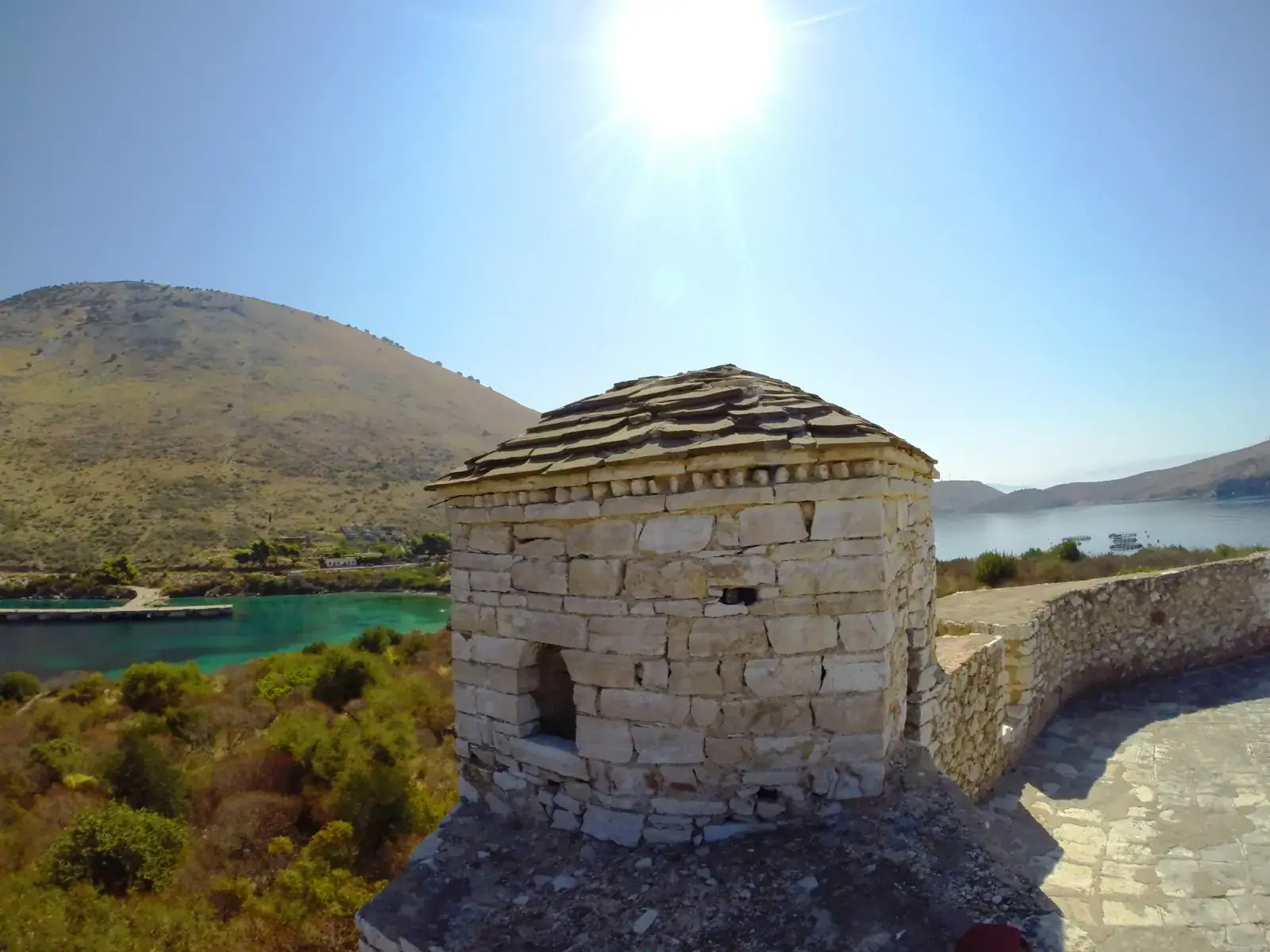
Porto Palermo Castle
~10 km south on SH8 (14–20 min drive)
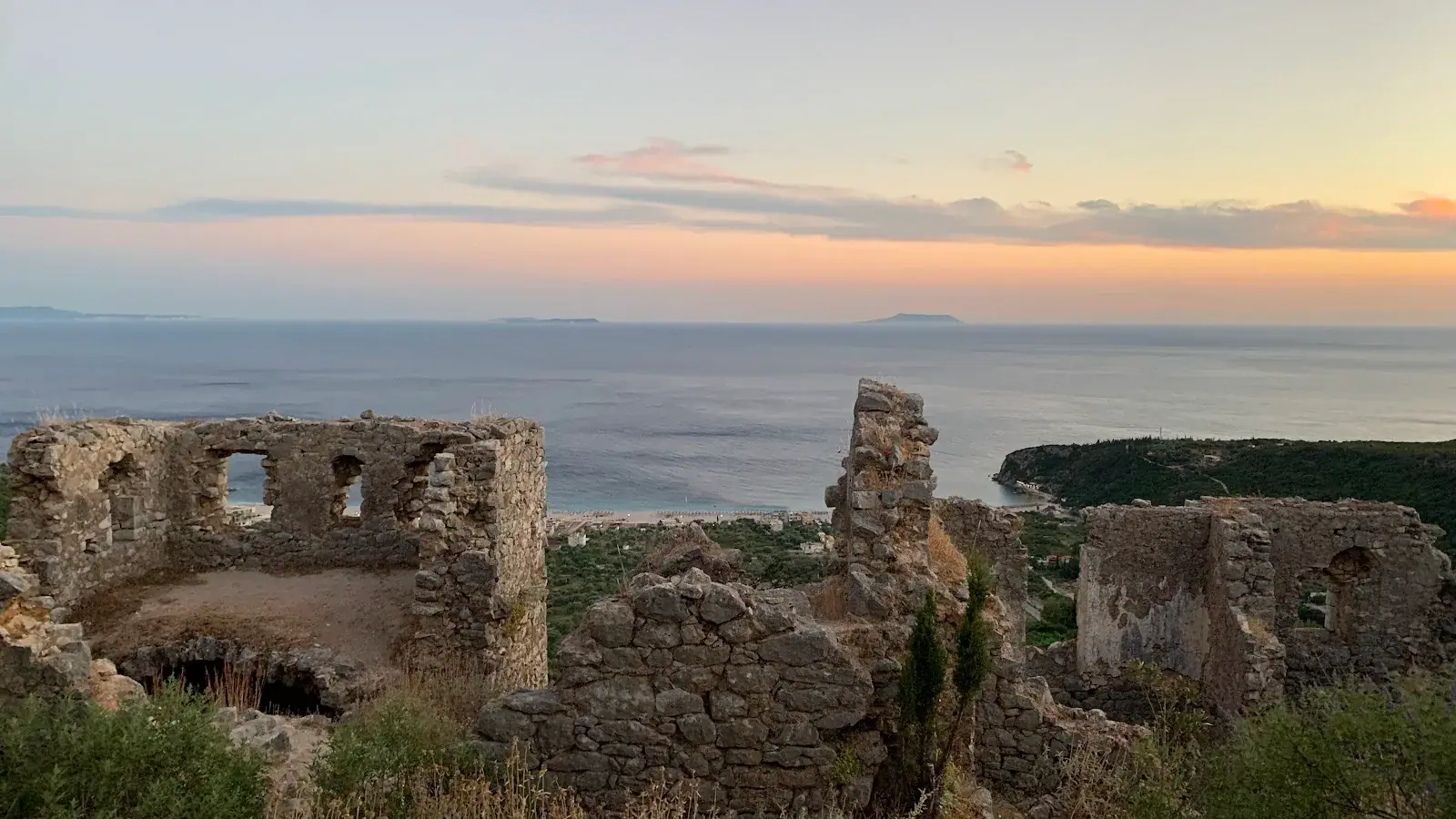
Colline de Barbaka, au-dessus du centre de Himara
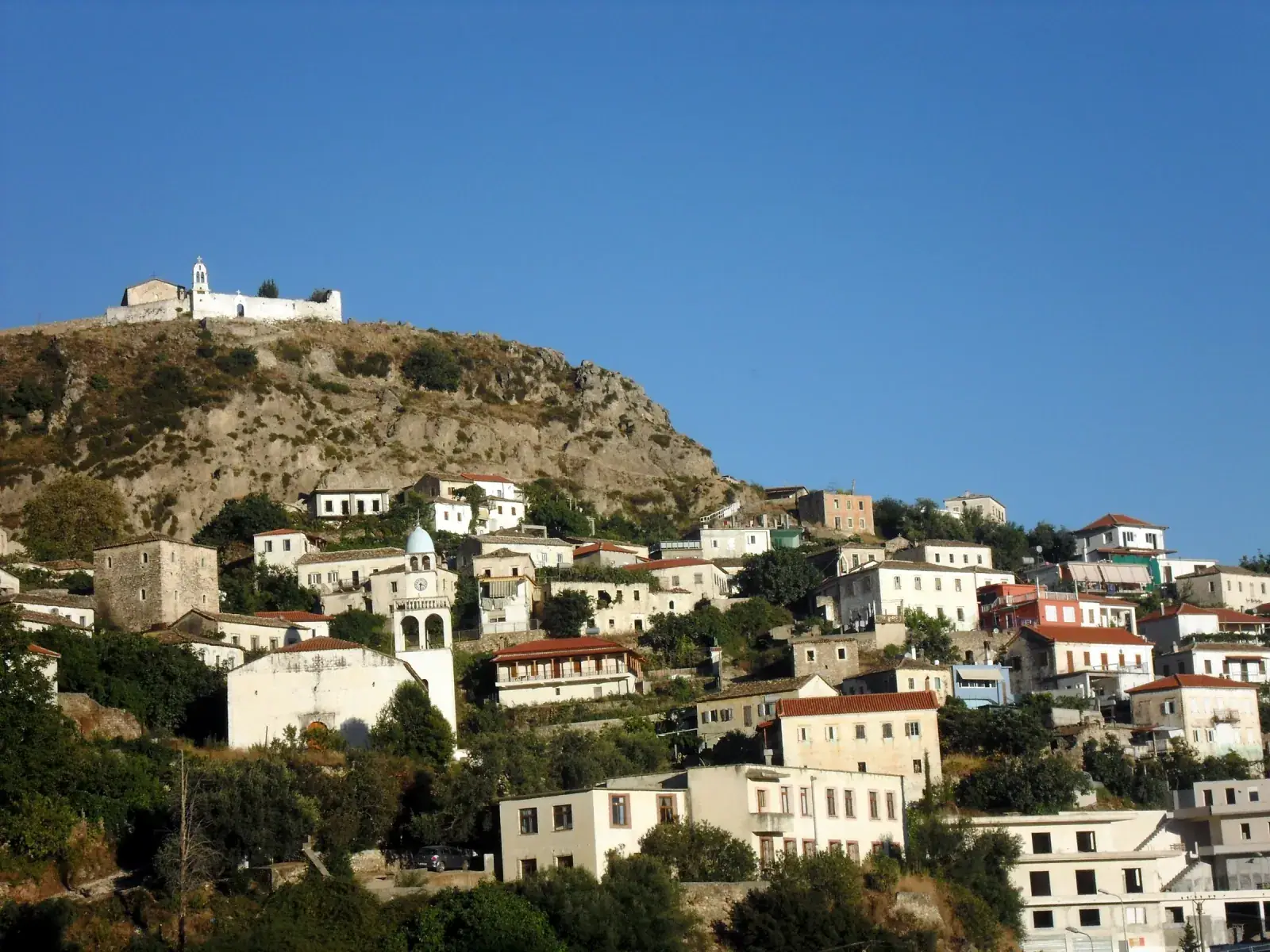
Le château de Himara se dresse sur la colline de Barbaka au-dessus de la ville moderne. Les fortifications datent ici du Ve siècle av. J.-C. et sont habitées sans interruption depuis, faisant de la vieille ville, appelée localement Kastro, le seul village médiéval encore habité de la Riviera albanaise. Des maisons de pierre s'accrochent au flanc de la colline entre les ruines d'églises byzantines et des fresques effacées, avec une vue panoramique qui s'étend par temps clair au-delà de la mer Ionienne jusqu'à Corfou.
Les murs les plus anciens sont chaoniens, érigés au Ve siècle av. J.-C. par la tribu grecque qui contrôlait cette côte. Le site fut de nouveau fortifié sous les Byzantins, qui bâtirent les églises dont on peut encore parcourir les ruines. La domination ottomane n'intégra jamais pleinement Kastro, la population himariote conserva une autonomie de fait pendant des siècles, se contentant de faire allégeance à Istanbul tout en pratiquant le christianisme orthodoxe. La vieille ville comptait encore des centaines de familles au début du XXe siècle avant de se vider durant l'ère communiste. Une poignée de maisons sont aujourd'hui occupées toute l'année, dont plusieurs restaurées en maisons d'hôtes.
Trois églises byzantines aux fresques partiellement conservées ; l'arche d'entrée principale et les courtines subsistantes ; la terrasse panoramique où le Cafe Butterfly sert son café avec la plus belle vue de Himara ; le sentier descendant vers Livadhi Beach visible juste en contrebas ; par matinées claires, Corfou à l'horizon ouest, à environ 70 km.
Montez à pied depuis la promenade de Himara, 15-20 minutes sur une route étroite goudronnée. En voiture ou en scooter, vous pouvez parcourir la majeure partie du trajet ; garez-vous au parking prévu près de l'entrée (gratuit, limité à quelques places) et faites le dernier tronçon à pied. La route est étroite et sinueuse mais praticable. Vous ne pouvez pas pénétrer en voiture dans la vieille ville elle-même.
Tôt le matin (avant 10h) pour la fraîcheur et la meilleure visibilité vers Corfou, ou en fin d'après-midi (17h-19h) pour la lumière dorée et pour faire coïncider la visite avec le coucher de soleil et un verre au Cafe Butterfly.
Histoire, conseils pratiques et notes d'itinéraire en version longue, l'article qui va plus loin que cette page.
L'autre moitié naturelle de la journée. Sable et mer après pierre et histoire.
Montez à pied depuis la promenade de Himara, comptez 15-20 minutes sur une route goudronnée. En voiture ou en scooter, vous pouvez parcourir la majeure partie du trajet et vous garer dans un petit parking gratuit près de l'entrée, puis faire le dernier tronçon à pied. Vous ne pouvez pas pénétrer en voiture dans la vieille ville elle-même.
La vieille ville est en accès libre. Certains exploitants peuvent percevoir un petit droit symbolique à la porte en haute saison, vérifiez à l'arrivée. Les ruines des églises byzantines et le belvédère de la terrasse sont tous accessibles gratuitement.
Tôt le matin (avant 10h) pour la fraîcheur et les meilleures chances d'apercevoir Corfou de l'autre côté de l'eau. La fin d'après-midi (17h-19h) est le deuxième meilleur créneau, lumière dorée sur la pierre, avec le coucher de soleil depuis la terrasse du Cafe Butterfly.
1-2 heures suffisent pour parcourir les chemins principaux, visiter les ruines des églises, profiter des vues panoramiques et prendre un verre au Cafe Butterfly. Combinez avec Livadhi Beach (à 10 minutes en voiture) pour un itinéraire château-et-plage d'une demi-journée.
Oui, par temps clair. Corfou se trouve à environ 70 km à l'ouest, à l'horizon. Les matinées, avant que la brume de l'après-midi ne s'installe, offrent généralement la meilleure visibilité. L'île grecque est la plus visible depuis la terrasse au sommet de la vieille ville.
Une information manquante ou incorrecte ? Écrivez-nous à info@himara.net