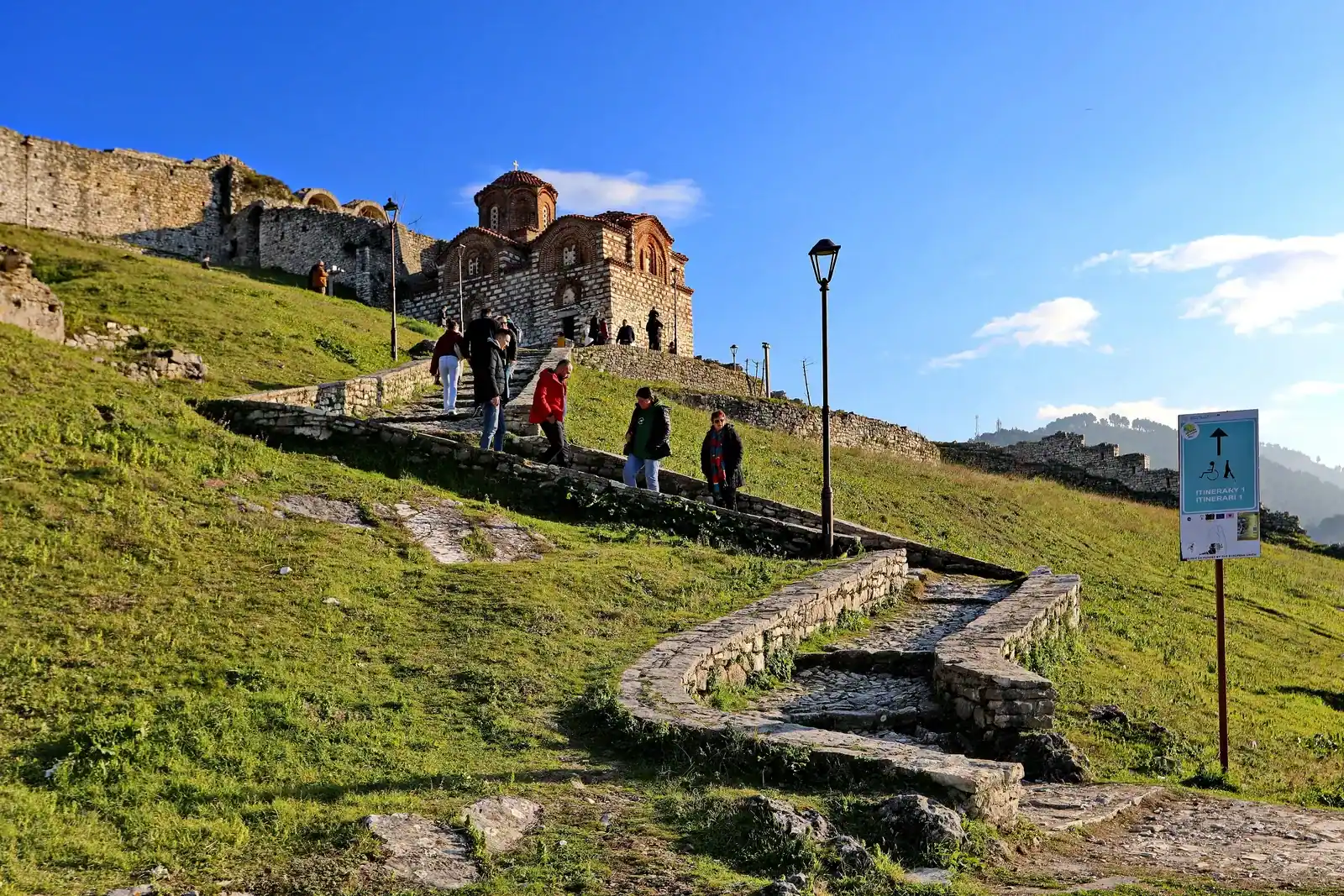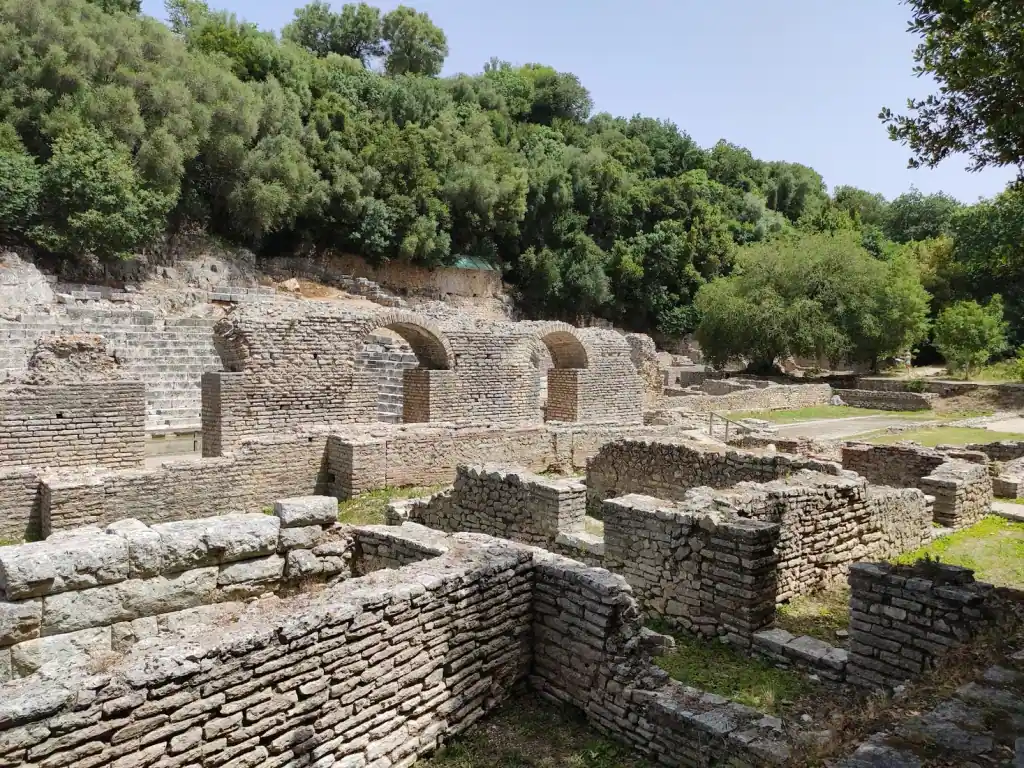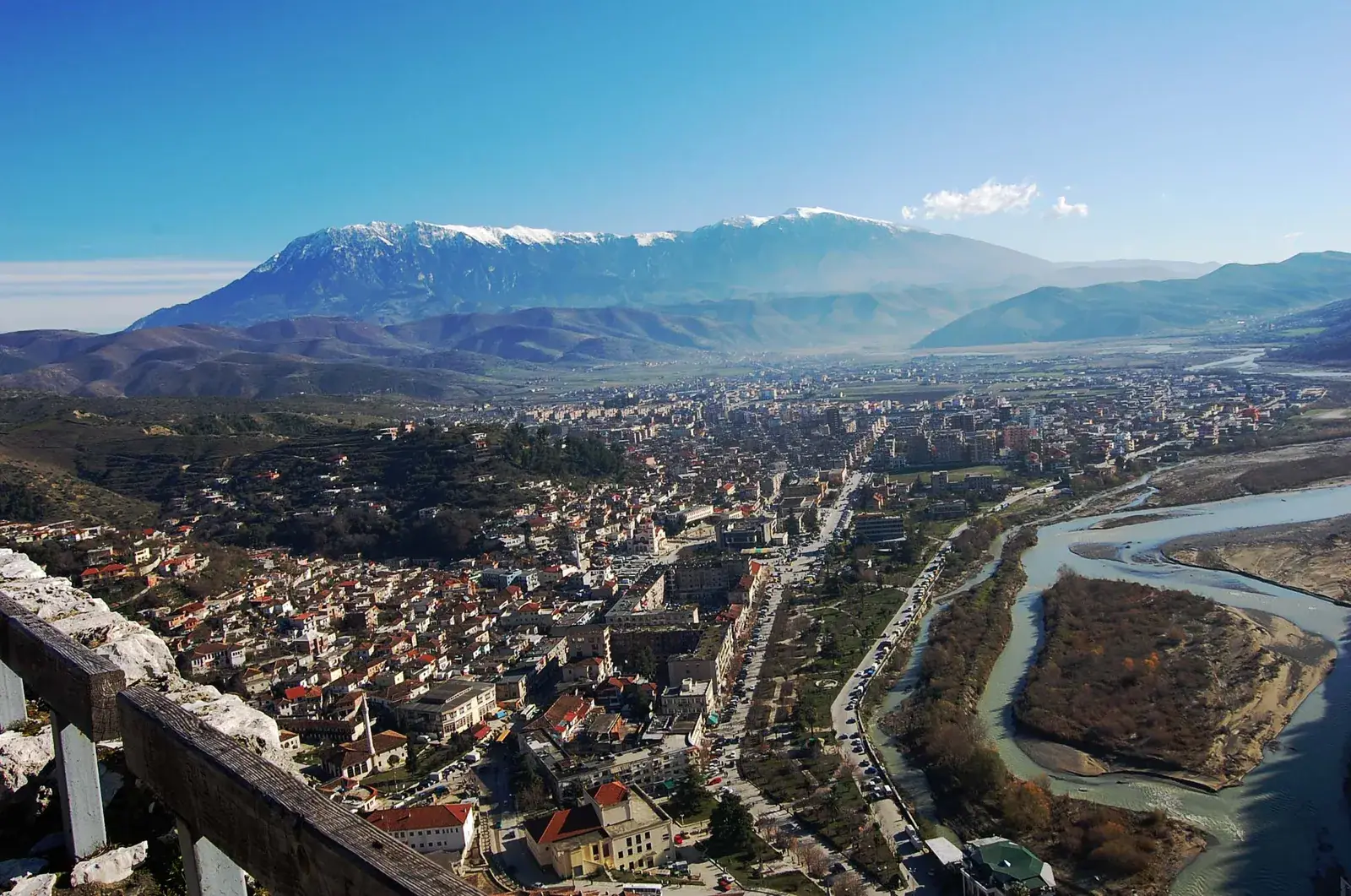
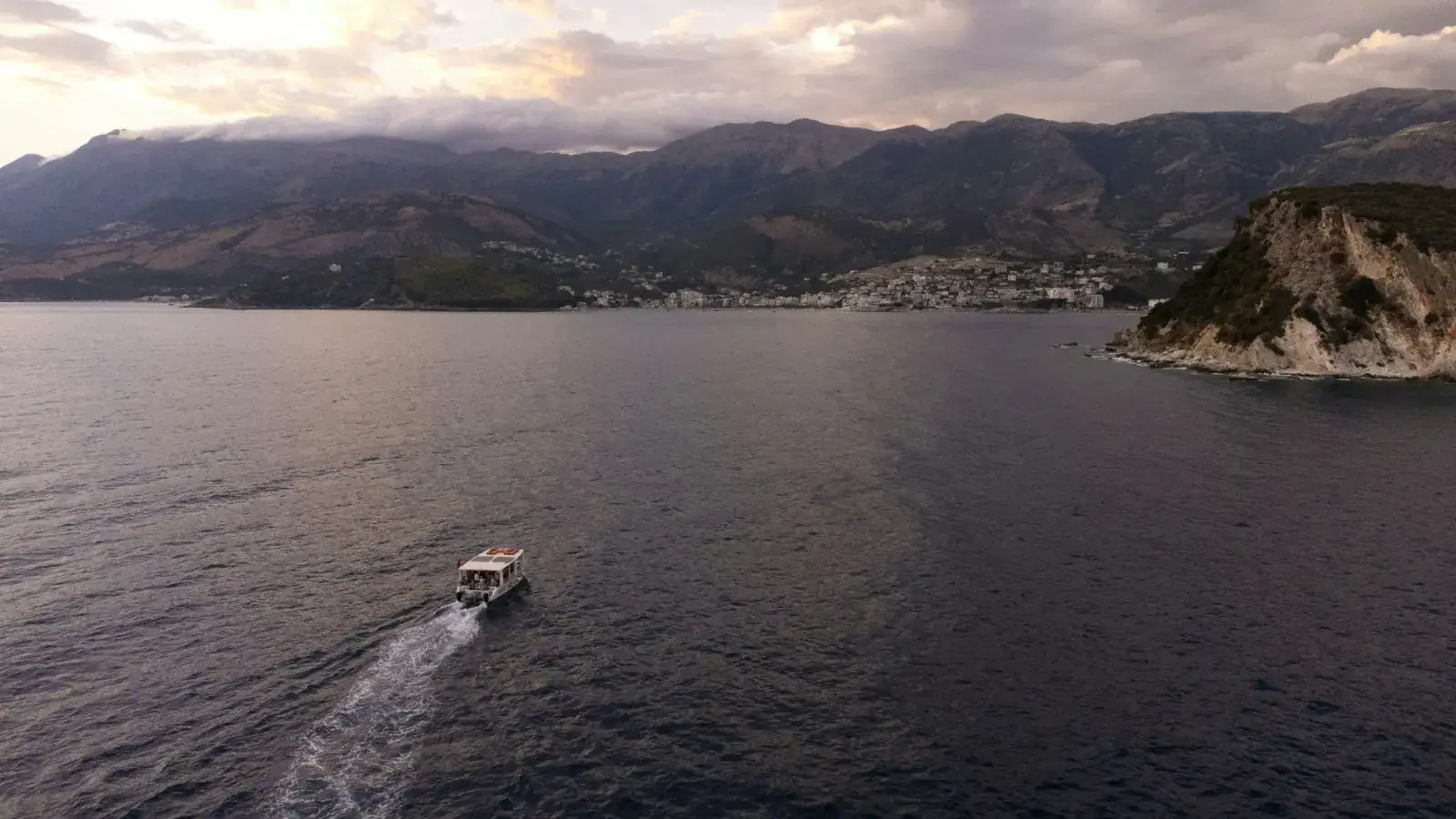
Agrotourism in Himara is the quiet counter-story to the Riviera's beach-club reputation. Step off the coastal road into the Ceraunian foothills and the landscape changes in ten minutes, olive terraces centuries old, stone villages where the kafene (cafe) is still the main civic space, and family households that will feed you better than most restaurants can. Albania formalized agrotourism as a recognized accommodation category in recent years, and the Himara hinterland. Kudhës, Vuno, Qeparo Fshat, Pilur, is exactly where the model works. This is the guide for travelers who want something more than beach days.
Compare hotels, apartments, and Vrbo rentals on the map. Powered by Stay22.
What Agrotourism Means in Albania
Albanian agrotourism is regulated differently from a regular guesthouse. Properties must meet criteria around:
- Being a working agricultural household (olive groves, livestock, beekeeping, vineyards)
- Using on-site produce in the kitchen
- Offering experience of the work itself, harvest, cheese-making, grape pressing, depending on season
In practice, this means an agrotourism stay in Himara is typically a family-run stone house in a mountain village, with 3–8 rooms, a shared dining room where meals are cooked by the host family, and daytime access to the farm or grove.
Where Agrotourism Works Near Himara
The Himara municipality includes several mountain villages within a 15–30 minute drive of the coast, each with a different character:
| Village | Altitude | Character | Best for |
|---|---|---|---|
| Kudhës | Mountain village | Traditional stone houses, working farms | Full agrotourism experience |
| Vuno | Coastal ridge | Between Himara and Dhermi, small population | Short stay, views |
| Qeparo Fshat | Above Qeparo beach | Old village above modern coastal Qeparo | Atmosphere, hiking |
| Pilur | Higher altitude | Remote, polyphonic singing tradition | Culture seekers |
| Dhërmi old village | Above Dhermi beach | Mix of restored homes and ruins | Combining beach and village |
The classic agrotourism experience, working farm with livestock, terraced olive groves, family kitchen, is strongest in Kudhës and Pilur.
What a Typical Stay Looks Like
A 2–3 night agrotourism stay near Himara typically includes:
- Accommodation in a restored stone house, often with traditional wood interiors and modern bathrooms
- Breakfast with farm bread, fresh cheese (sheep or goat), house-pressed olive oil, local honey, eggs from the household's chickens, and strong Albanian coffee
- Dinner cooked by the host, seasonal vegetables, grilled meats, house wine or raki, sometimes lamb slow-roasted for special occasions
- Daytime activities depending on season: olive harvest assistance (October–December), cheese-making demonstration, beekeeping visit, village walks with the host, hikes into the surrounding hills
Expect home-style hospitality rather than hotel service. Host families often speak limited English, a few Albanian phrases go a long way.
Seasonal Experiences
| Season | What you'll find |
|---|---|
| Spring (Apr–May) | Wildflowers, spring lamb, new cheese, wedding season in villages |
| Summer (Jun–Aug) | Vegetable gardens at peak, grilling outdoors, quieter than the coast |
| Olive harvest (Oct–Nov) | The signature agrotourism experience, help gather olives. Watch the press |
| Autumn (Sep–Oct) | Grape pressing, raki distillation, pomegranates, walnuts |
| Winter (Dec–Feb) | Quietest, cured meats, preserves, cozy indoor meals |
Olive harvest is the high-intent season. If that's your reason for going. Book 2–3 months in advance.
Combining Agrotourism with Beach Days
You don't have to choose. A 5-day plan:
- Days 1–2: Beach base in Himara town. Spile, Potami, Llamani
- Days 3–4: Move inland to Kudhës or Pilur for the agrotourism stay, harvest, cooking, slow mornings
- Day 5: Back to the coast for a final beach day and dinner on the promenade
The drive between Himara and the mountain villages is 20–30 minutes on mostly paved roads. A rental car is effectively required for this hybrid.
Booking an Agrotourism Stay
Formal agrotourism properties appear on Booking.com and Airbnb, often tagged as "farm stay" or "guesthouse." Albanian tourism portals list registered agrotourism properties specifically. For stays in Kudhës, Pilur, or Qeparo Fshat, direct booking via the property is often cheapest. WhatsApp is the standard channel for Albanian small hospitality.
What to ask before booking:
- Are meals included, or arranged separately?
- Is the farm currently working (olive harvest, livestock, beekeeping)?
- What's the access road like? (Some villages have final-kilometer roads that require careful driving)
- Is hot water reliable, especially in autumn and winter?
- Do they welcome participation in farm activities, or is it view-only?
What to Bring
- Sturdy shoes, village streets are stone and often uneven
- Layers, mountain villages are cooler than the coast year-round, especially evenings
- Cash (EUR and ALL), card acceptance is limited at small village properties
- An attitude that accepts hosts' schedules, dinner happens when dinner is ready, not when you decide
What You Won't Get
- A pool
- Concierge service
- A minibar
- Consistent Wi-Fi, some properties have it, many don't
- Meal options on demand, you eat what the household cooks
This is the point. If any of that is a dealbreaker, stay on the coast.
Why Agrotourism Matters for the Riviera
The boom in Riviera beach tourism has been concentrated on a narrow coastal strip. Mountain villages above have been emptying for decades, young people leave for Tirana, Germany, or the United States, and stone houses go dark. Agrotourism is one of the few economic models that keeps those villages alive by making them worth returning to and staying in.
From a traveler's perspective. This means you're paying for something with a direct cultural and economic impact. From a food perspective, you're eating produce that hasn't traveled, cooked by people who grew or raised it.
Frequently Asked Questions
What does agrotourism mean in Albania?
Agrotourism in Albania refers to accommodations on working agricultural properties where guests stay in family-run homes, eat meals made with on-site produce, and can participate in farm activities like olive harvest, cheese-making, or beekeeping.
When is the best time for agrotourism near Himara?
October–November is the classic olive harvest season, the most experiential. May–June is peak spring with mild weather. September is a good balance of warm weather and harvest activity starting.
How much does an agrotourism stay cost?
Most agrotourism properties near Himara run 40–80 EUR per night including breakfast, with dinners at 10–20 EUR per person when arranged on-site. Prices vary by property and season.
Do I need a car for agrotourism near Himara?
Practically yes. Mountain villages are not on bus routes. A small rental car or scooter (for short distances) is the realistic way to reach properties in Kudhës, Pilur, or Qeparo Fshat.
Will I need to speak Albanian?
Basic English is common with younger hosts; older generations often speak Italian or Greek rather than English. A few Albanian phrases ("falemnderit" = thank you, "po" = yes, "jo" = no) are appreciated everywhere.