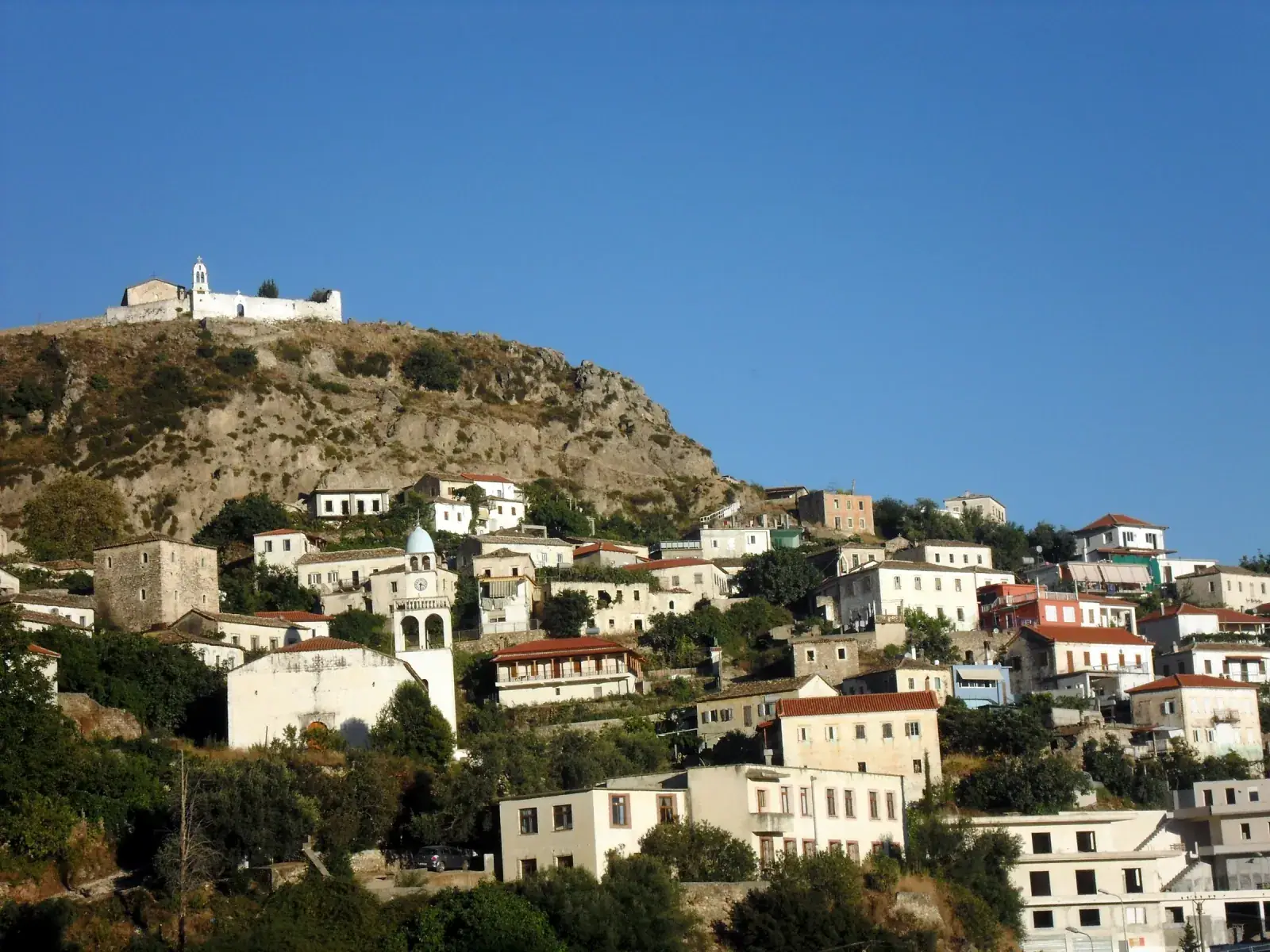
Himara Castle & Old Town
In town, 15–20 min walk uphill from the promenade
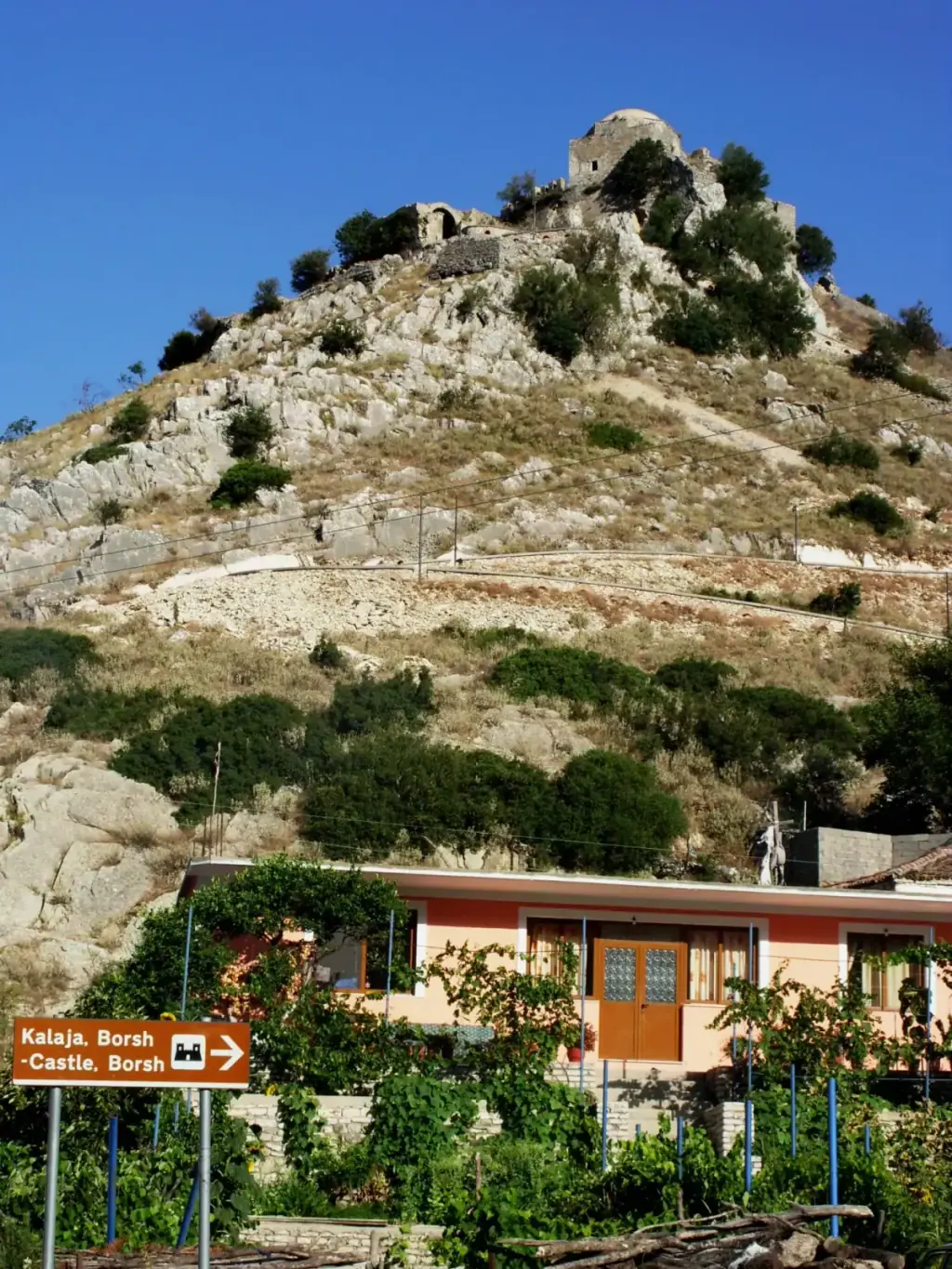
Majë kodre mbi fshatin Borsh, 500 m mbi nivelin e detit
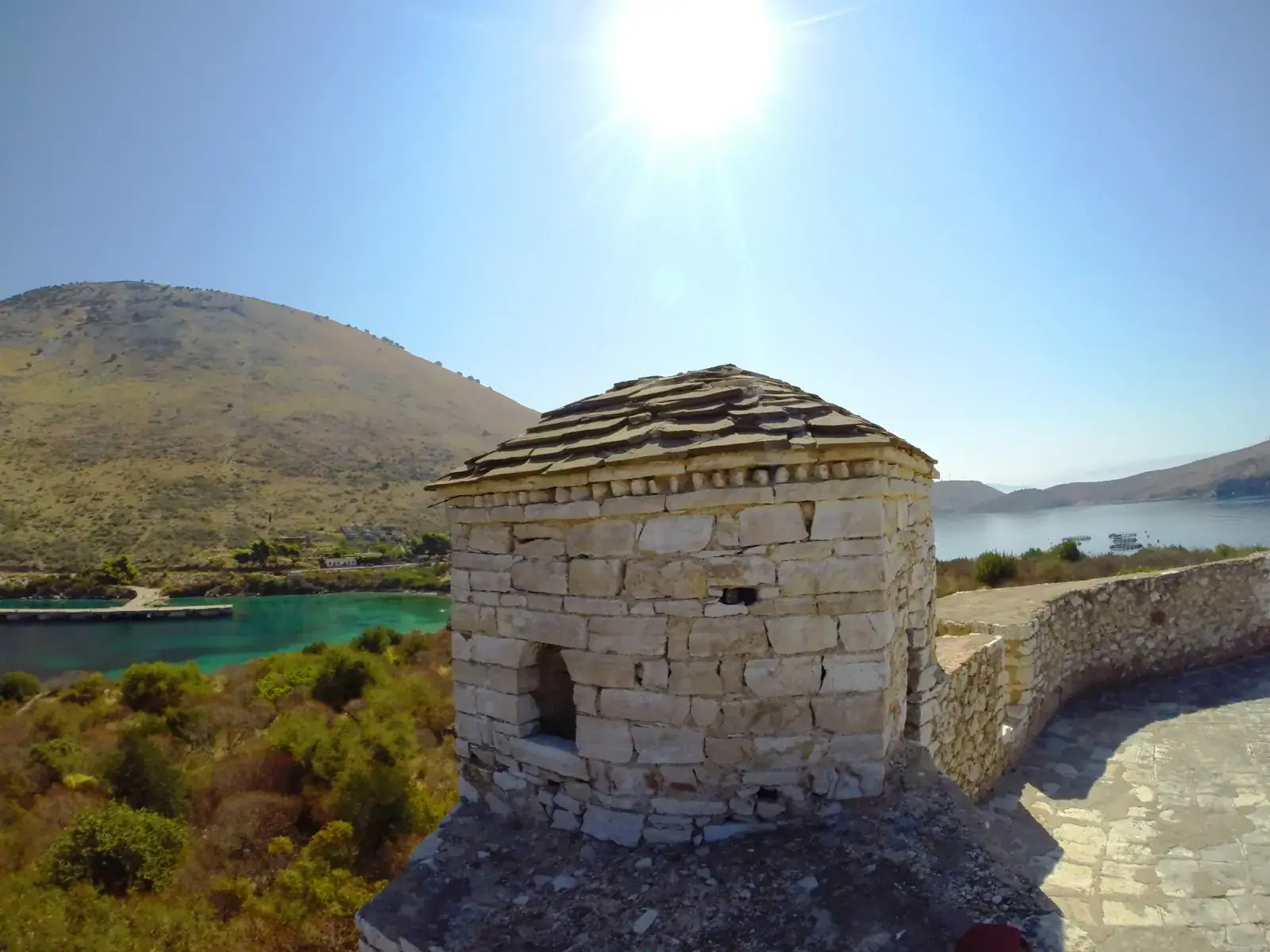
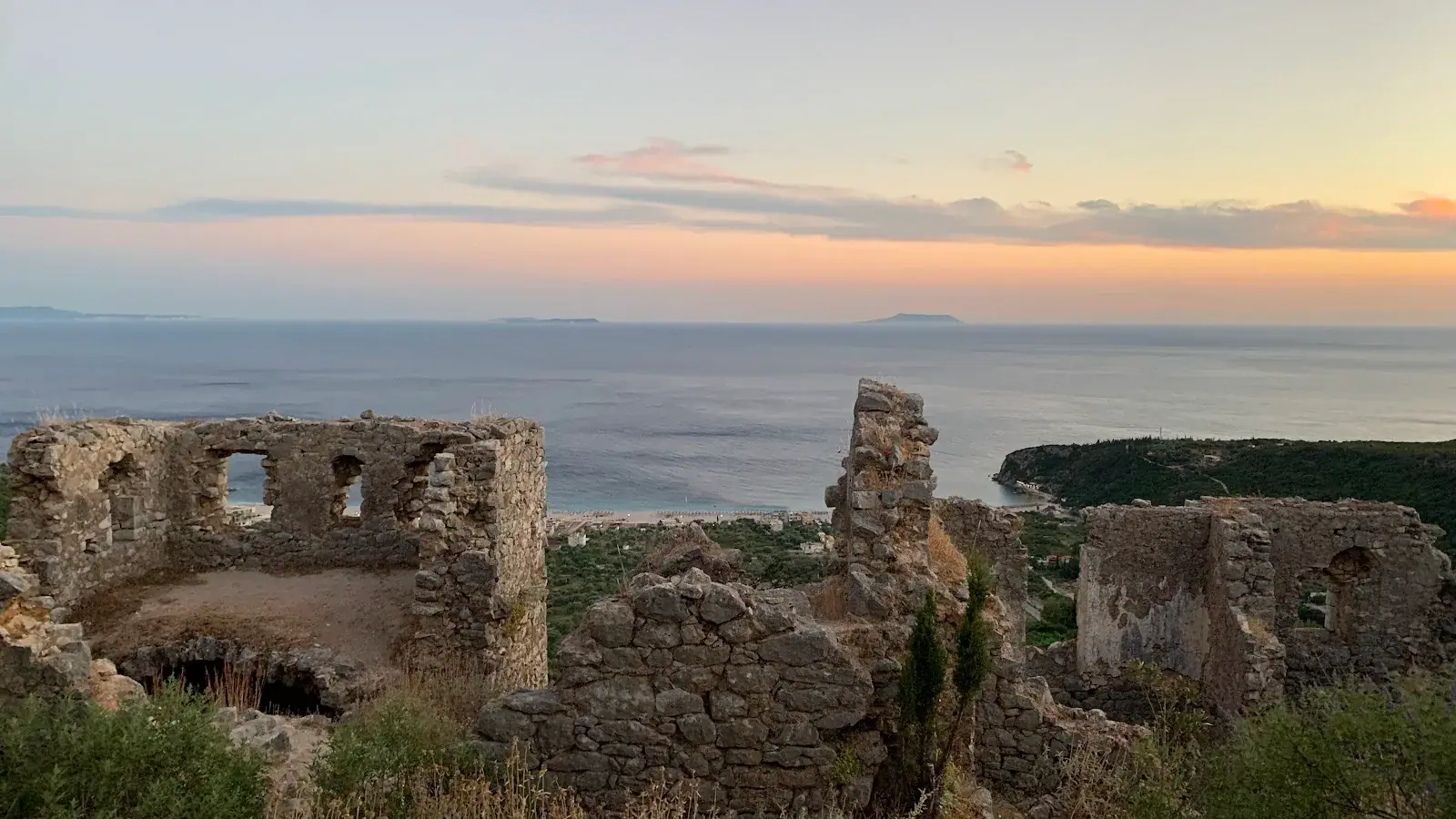
Kështjella e Borshit (shqip: Kalaja e Sopotit, greqisht: Κάστρο του Σόποτου), e njohur historikisht si Kështjella e Sopotit, ngrihet në një majë shkëmbore 500 metra mbi nivelin e detit duke shikuar Plazhin e Borshit, shtrirjen më të gjatë me rërë të Shqipërisë me 7 km. Fortifikimi është banuar pa ndërprerje që nga shekulli i 4-të para Krishtit, i shtresuar nga çdo fuqi që kontrolloi bregun jon: akropol kaon, kala bizantine, pikë veneciane, fortifikim osman nën Ali Pashën. Tani ndodhet në rrënojë piktoreske, falas për t'u vizituar, dhe e shpërblen ngjitjen e pjerrët me pamje 360° mbi plazh, luginë dhe male.
Muret më të hershme janë kaone të shekullit IV p.e.s., të ndërtuara nga i njëjti fis grek që fortifikoi Kalanë e Himarës në veri. Bizantinët i zgjeruan fortifikimet gjatë kontrollit të tyre të gjatë mbi Rivierën. Tregtarët venecianë lanë gjurmën e tyre në shekullin XV para se osmanët ta merrnin. Ali Pasha rindërtoi pjesë në fillim të shekullit XIX, e njëjta periudhë si Porto Palermo. Vendi u braktis pas rënies osmane dhe është erëzuar lirisht që atëherë, që është ajo që e bën aq mahnitëse pamore.
Muratura me shtresa ku muret e çdo pushtimi mbivendosen mbi atë të mëparshmin; harku i portës së mbijetuar në qasjen jugore; themelet e kishëzës bizantine të rrënuar pranë majës; pamje 360°. Plazhi i Borshit shtrirë 7 km poshtë në perëndim, lugina e Lumit të Borshit që pret nga brenda, malet që ngrihen pas. Në ditë të kthjellëta pamja në jug shtrihet drejt Sarandës.
Ngarosu në jug nga Himara në SH8 (~20 km, 25 min) ose merr minibusin Himarë–Sarandë drejt Borshit. Nga fshati, një rrugë e ngushtë e asfaltuar ngjitet pjesërisht; mund të ngarosesh më afër kalasë se shtegu i fshatit, duke e reduktuar ecjen në 15–20 minuta. Pjesa e fundit është gjithmonë në këmbë mbi kalldrëm, 250 metra ngjitje lartësie në rreth 1.3 km, pa hije.
Mëngjes herët (para orës 9) ose pasdite vonë (pas orës 5). Shtegu me kalldrëm është i ekspozuar dhe brutal në mesditë në verë. Kombino me Plazhin e Borshit për pasdite, shezlonge €7–10, disa restorante buzë plazhit.
Historia, këshilla praktike dhe shënime për itinerarin në formë të zgjeruar, artikulli që shkon më thellë se kjo faqe.
Mesatare. Shtegu me kalldrëm ngjit 250 metra lartësi në rreth 1.3 km, duke marrë 30–60 minuta vajtje. Sfida kryesore është mungesa e hijes, kodra e ekspozuar është e pamëshirshme në ditë të nxehta. Nis herët ose vizito pasdite vonë. Mund të ngarosesh pjesërisht lart dhe ta reduktosh ecjen në 15–20 minuta.
Po, falas për t'u vizituar. Pa portë, pa bileta, pa orare të caktuara. Kalaja qëndron në rrënojë të hapur dhe mund të shëtitësh lirisht. Ndryshe nga Porto Palermo dhe Kalaja e Himarës, nuk ka qasje të organizuar. Sill ujë dhe këpucë të përshtatshme, shtegu është kalldrëm i pabarabartë për gjithë ngjitjen.
Fortifikimet më të hershme datojnë në shekullin IV p.e.s., të ndërtuara nga grekët kaonë që kontrollonin këtë bregdet. Pushtimet e njëpasnjëshme bizantine, veneciane dhe osmane rindërtuan dhe zgjeruan muret për më shumë se 2,000 vjet. Është një nga vendet mbrojtëse më të vjetra në përdorim të vazhdueshëm në Rivierën Shqiptare.
Po, ky është itinerari standard. Ngjit kalanë në orët e freskëta të mëngjesit (2–3 orë gjithsej), pastaj zbrit te Plazhi i Borshit për pasdite. Shezlongët jepen me qira 700–1,000 ALL (~€7–10) dhe disa restorante buzë plazhit shërbejnë peshk të freskët. Ujëvara e Borshit është 20 minuta me makinë më në jug për një ditë më të gjatë.
Diçka mungon ose është e pasaktë? Na shkruani në info@himara.net