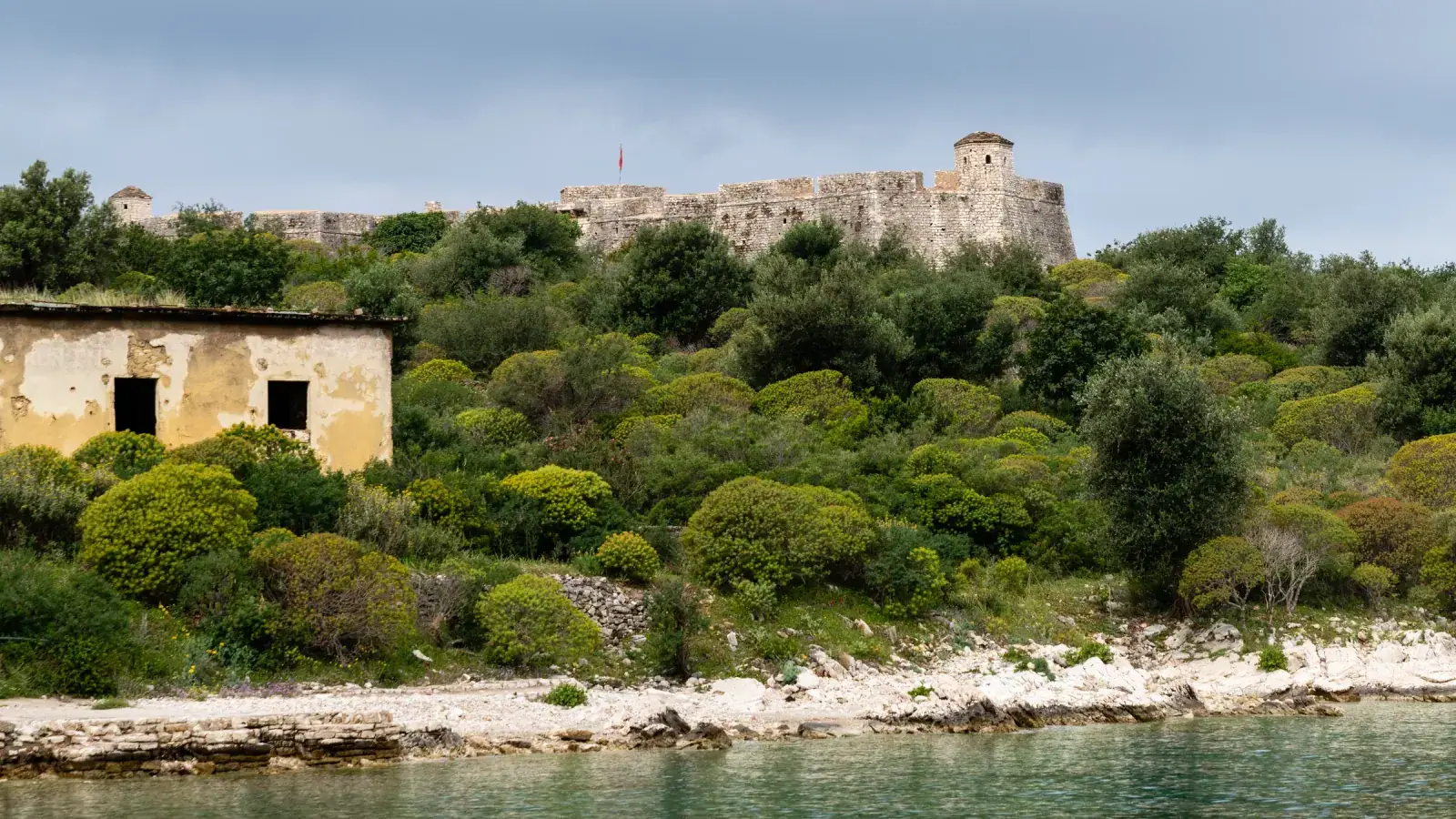
Porto Palermo Castle on its peninsula overlooking the Ionian Sea — one of many landmarks near Himara

Забележителности

13 крепости, манастири и исторически места на удобно разстояние от Химара – от укрепления от V в. пр. Хр. до тунели за подводници от Студената война.

Крепости

Османски и по-стари укрепления, наредени по крайбрежието – следи от всяка империя, владяла тази част от Албания.

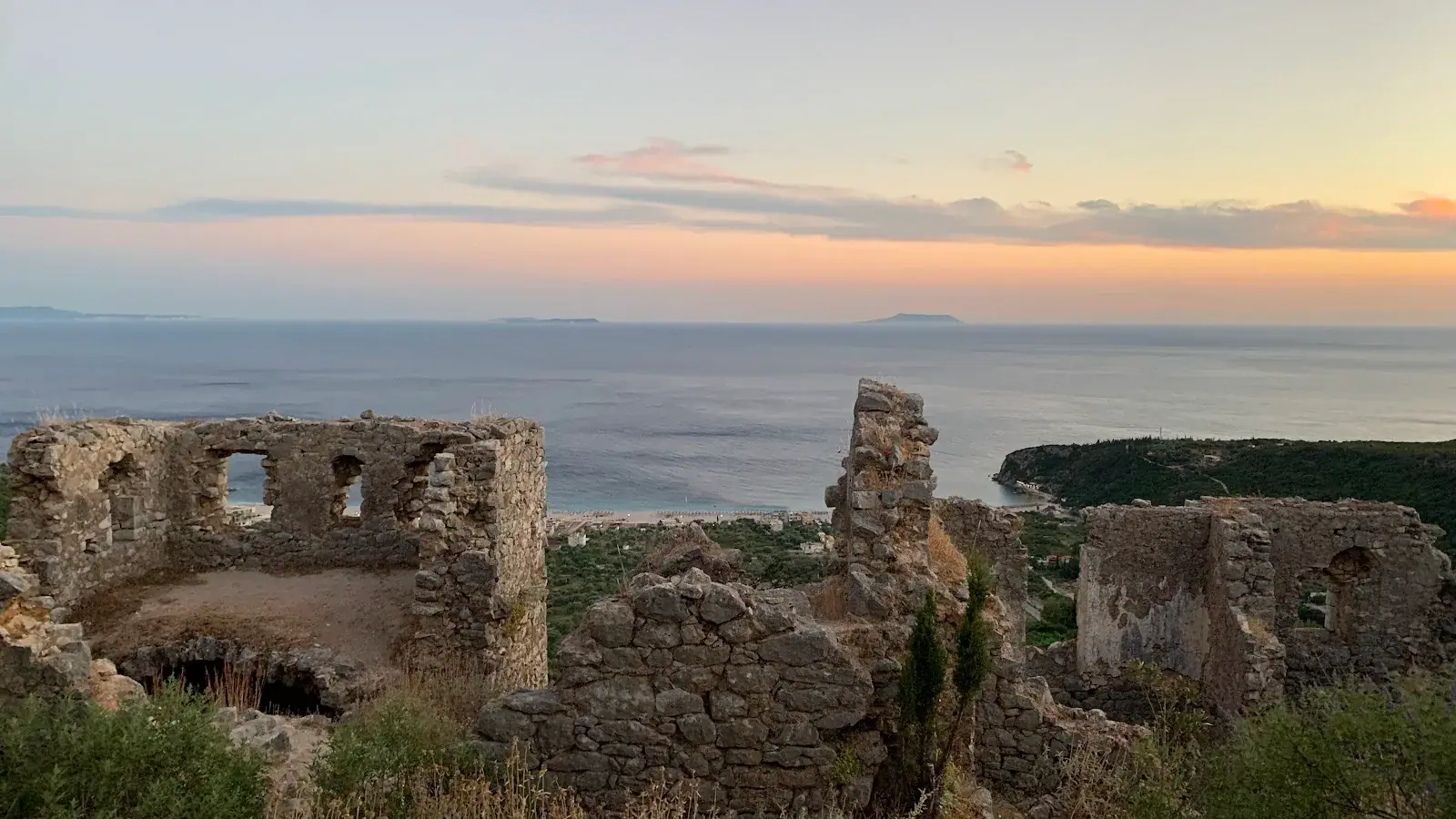
Stone walls and Byzantine church ruins at Himara Castle on Barbaka hill
5th century BC – present

Himara Castle & Old Town

Himara Old Town and its castle sit on Barbaka hill above the modern town. Fortifications here date to the 5th century BC and have been continuously inhabited since. That makes the old town, locally called Kastro, one of the few castle villages on the Albanian Riviera still lived in. Stone houses stand on the hillside between Byzantine church ruins and faded frescoes, and on a clear day you can see across the Ionian Sea to Corfu.

In town, 15–20 min walk uphill from the promenade·1–2 hours
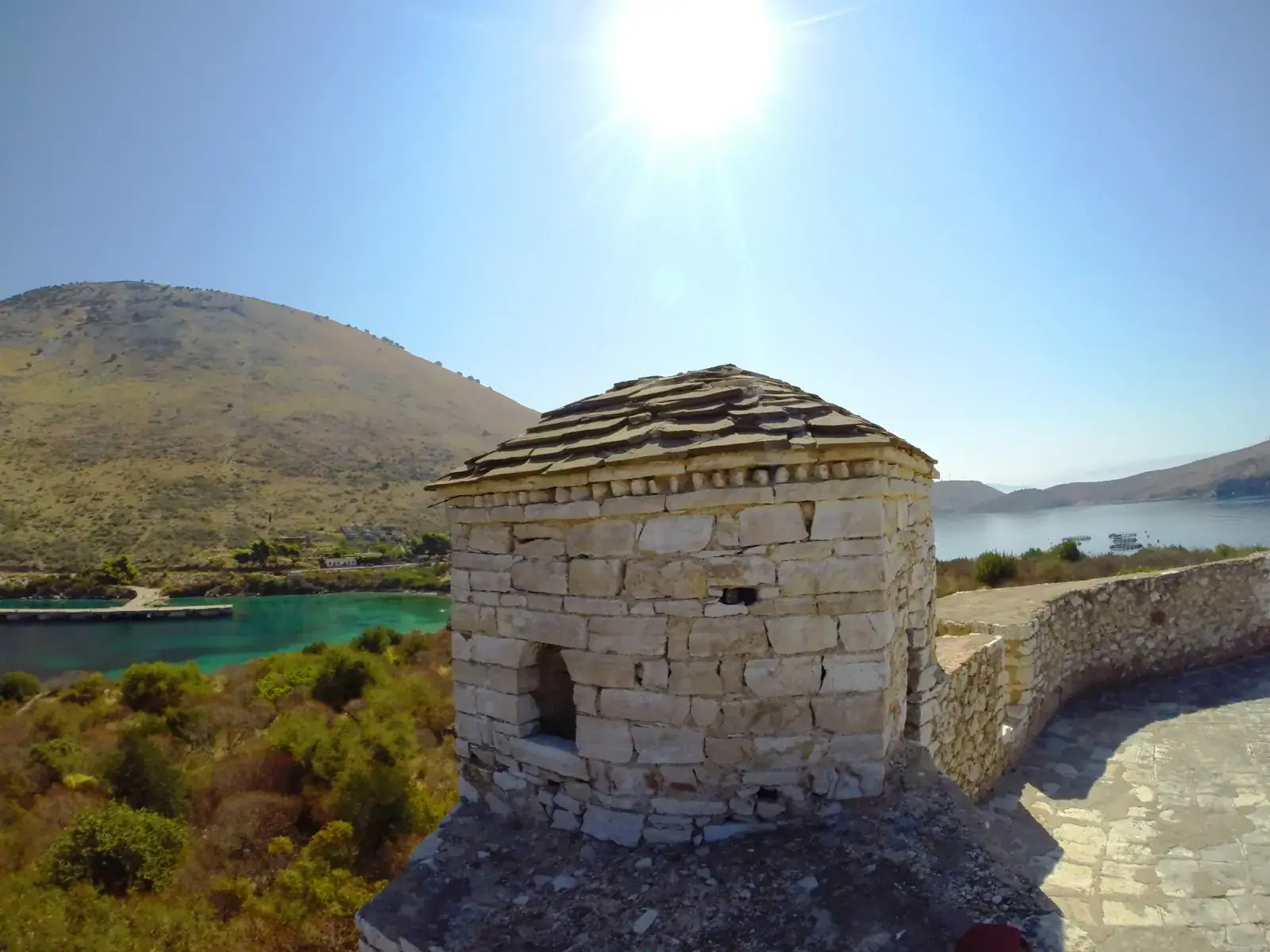
Porto Palermo Castle on its peninsula overlooking the turquoise bay
Early 19th century (c. 1804)

Porto Palermo Castle

Porto Palermo Castle is a triangular Ottoman fortress with three round bastions, built on a narrow peninsula in one of the most photogenic bays on the Albanian Riviera. Commissioned in the early 19th century by Ali Pasha of Ioannina, the castle is the headline landmark of every southbound boat tour from Himara, and the easiest half-day trip from town by car.

~10 km south on SH8 (14–20 min drive)·1–1.5 hours at the castle, 2–3 hours including a swim in the bay
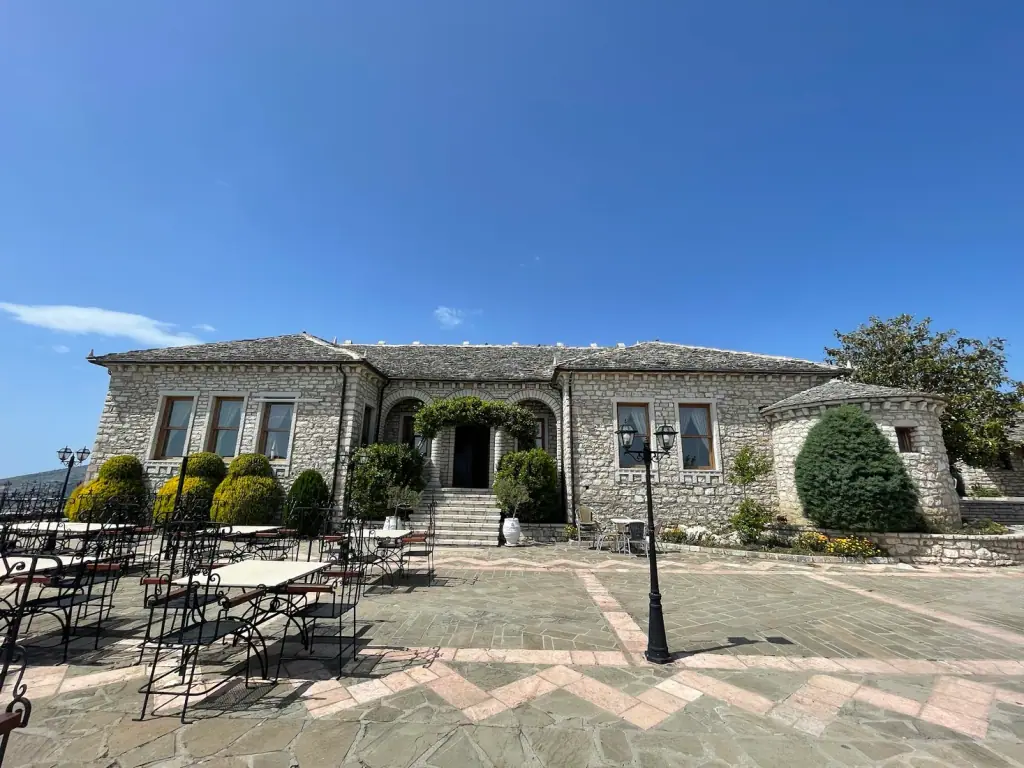
The stone restaurant building and terrace within Lëkurësi Castle on the hill above Saranda
1537 (Ottoman, under Suleiman the Magnificent)

Lëkurësi Castle

Lëkurësi Castle is Saranda's viewpoint rather than its monument, a modest 16th-century Ottoman hilltop fort whose draw is the panorama over the southern coast. From the ruined towers you look down over Saranda's bay and town, south to the Ksamil islands and the Butrint lagoon, and west across the strait to Corfu. A restaurant built into the walls makes it the town's go-to sunset stop.

Above Saranda, roughly a 1–1.5 hour drive south of Himara·30–60 minutes, or longer for a sunset dinner

Манастири и църкви

Византийски църкви и манастири по хълмовете, оцелели през османския период и комунистическото преследване на религията.

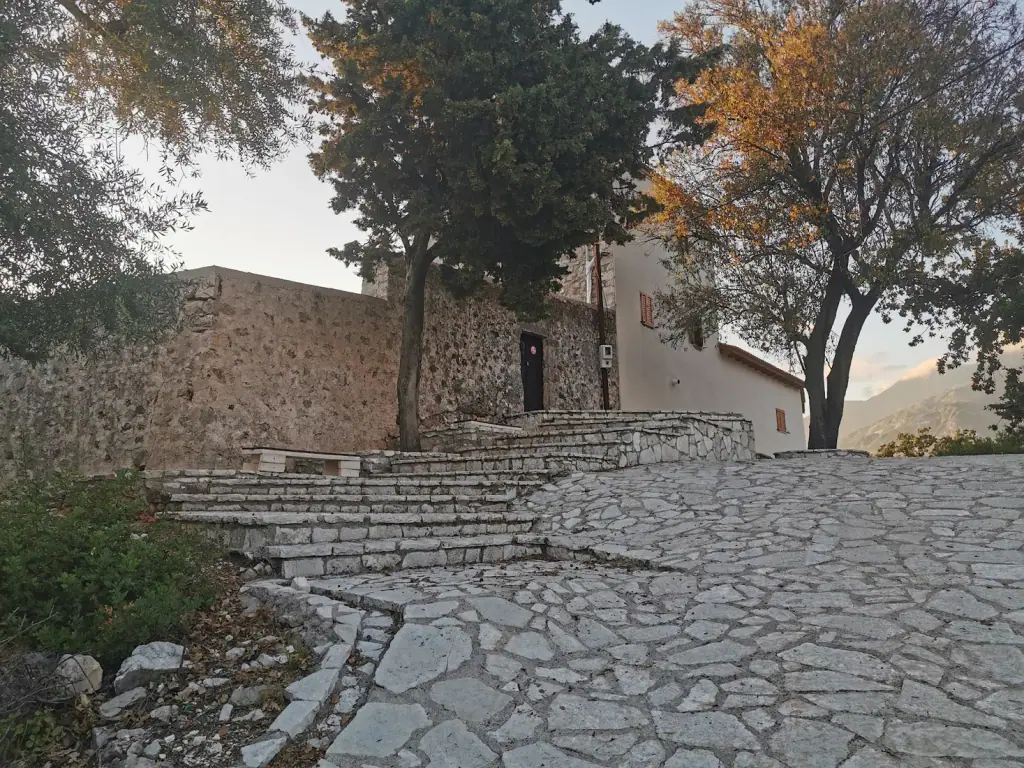
Saint Theodore Monastery building on the hilltop above Dhermi
14th century (built on ancient Temple of Zeus ruins)

Saint Theodore Monastery

Saint Theodore Monastery (Albanian: Manastiri i Shën Theodhorit, Greek: Μονή Αγίου Θεοδώρου) sits on a hilltop between Dhermi and Gjipe Beach, one of the most historically layered sites on the Albanian Riviera. Built on the ruins of an ancient temple to Zeus, converted into an Orthodox monastery in the 14th century, repurposed as a Soviet navy holiday resort in the 1950s, then an Albanian military post until the late 1980s, and now under restoration. This single hilltop tells the entire story of Albania in compressed form.

~15 km north on SH8 (20 min drive)·1.5–2 hours including the walk up from the parking
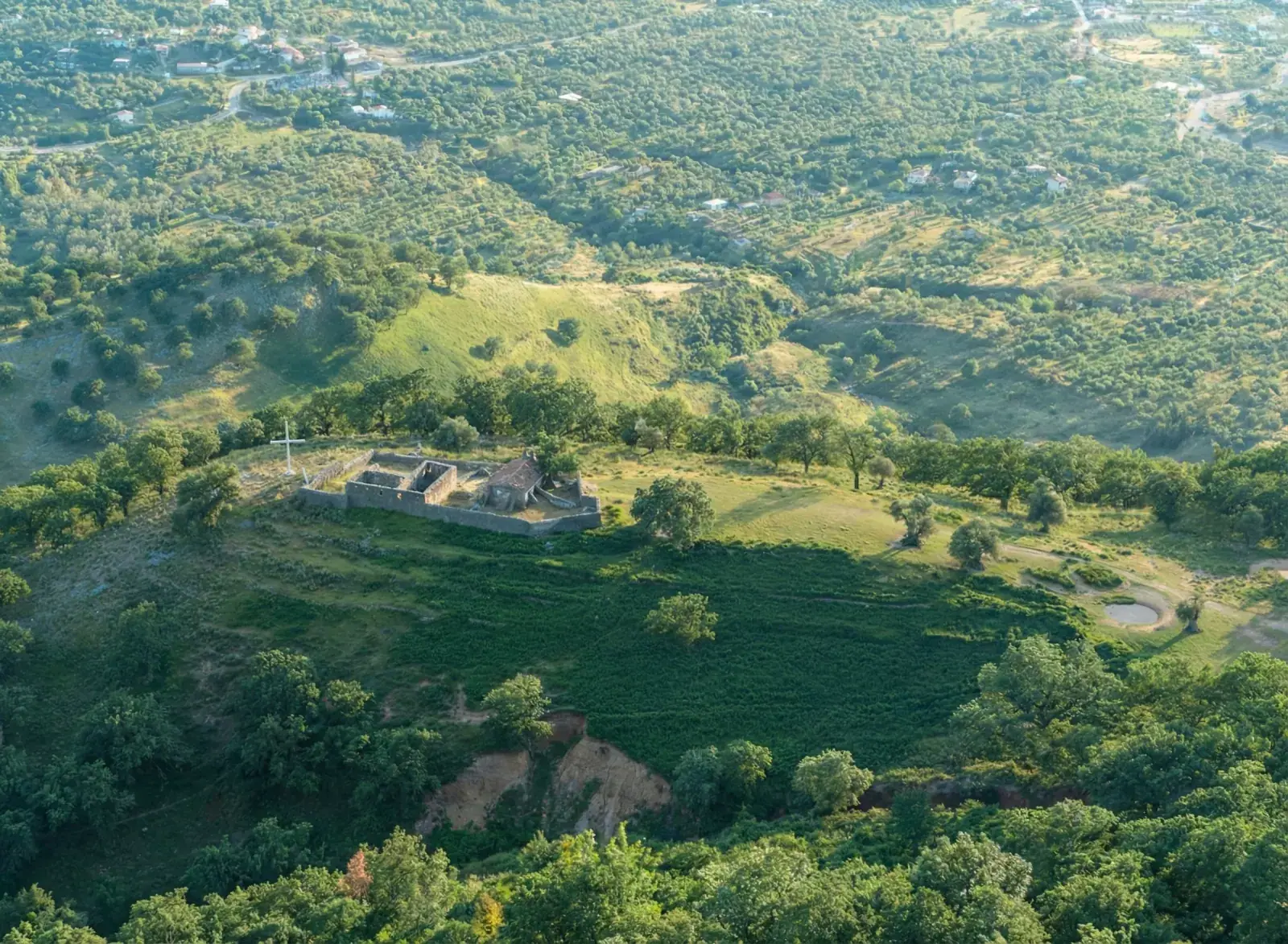
Panoramic view of Himara and the surrounding mountains where Athali Monastery is located
18th century

Athali Monastery

Athali Monastery (Albanian: Manastiri i Athalit, Greek: Μονή Αθαλιού) sits high on Athali Mountain above Himara, a remote 18th-century Byzantine-style pilgrimage site reached only by a 2-hour uphill hike. The monastery is small but significant: a continued site of Orthodox pilgrimage, associated with reports of miraculous healing, and built into one of the most panoramic positions on the Riviera. Most travellers never make the climb.

~10 km by trail from Spile Beach (2 hr hike)·3–4 hours round trip including the hike and time at the monastery
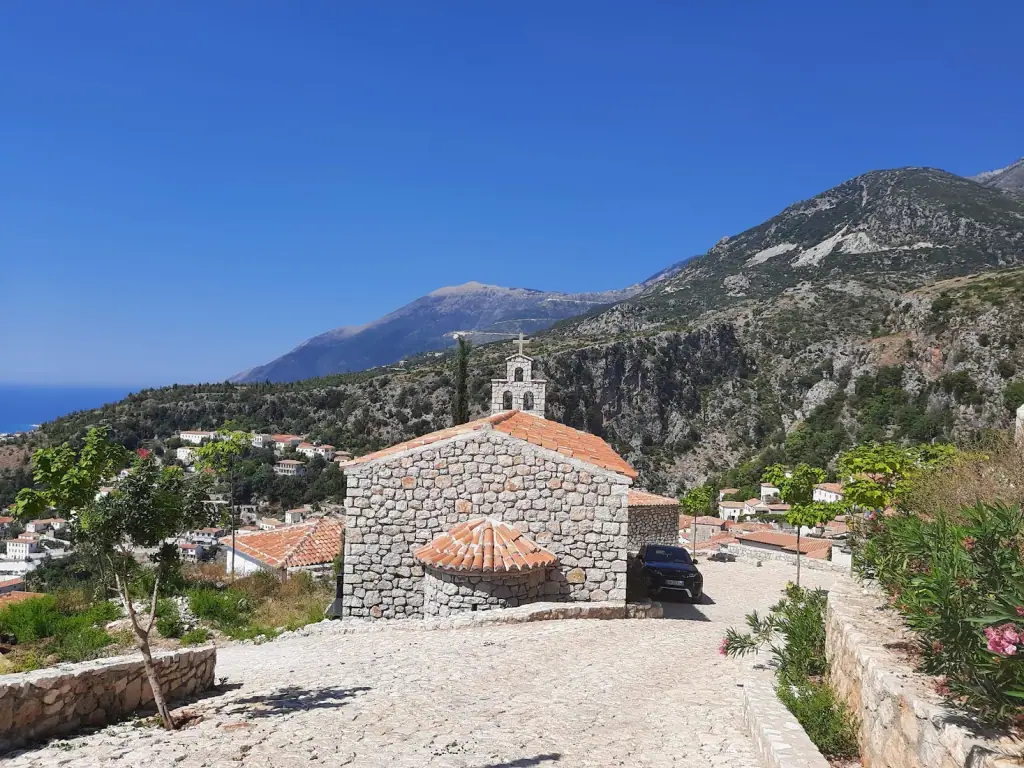
Panagia Drymadon basilica on the hilltop above Dhermi
13th–14th century

Panagia Drymadon Monastery

Panagia Drymadon Monastery (Albanian: Manastiri i Shën Mërisë, Greek: Παναγία Δρυμάδων), also called the Monastery of Saint Mary, sits on a hilltop at 257 m elevation above Dhermi village. Built in the 13th–14th century, it is a Cultural Monument of Albania and one of the best-preserved examples of Byzantine-era religious architecture on the Albanian Riviera. The monastery operated continuously for over 600 years, through Byzantine decline, Ottoman rule, and Italian occupation, until 1967, when the communist regime forced the last nun to leave.

~15 km north on SH8 (20 min drive + 15 min walk)·45 minutes – 1 hour
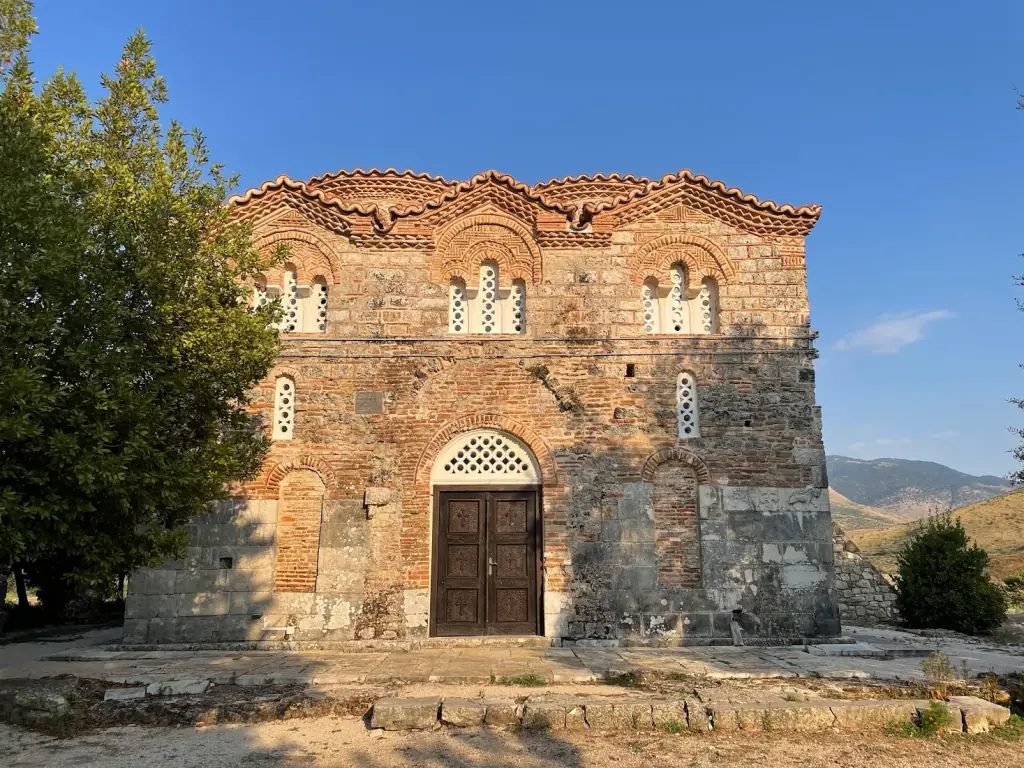
The Byzantine brick-and-stone facade of St. Nicholas Monastery church at Mesopotam near Saranda
~11th century (Byzantine), on a 6th-century site

Mesopotam Monastery (St. Nicholas)

The Monastery of St. Nicholas at Mesopotam is one of southern Albania's least-visited churches, a twin-towered Byzantine building dated in its present form to around the 11th century, and once the centre of the largest monastic complex in the country. It carries genuine mysteries: carved relief blocks of an eagle, a lion, a dragon and a stranger creature that may pre-date Christianity, and Byzantine frescoes uncovered beneath later whitewash.

Inland near Saranda, roughly a 1–1.5 hour drive south of Himara·30–45 minutes

Антични руини

Антични и дохристиянски обекти, в които най-ранната история на ривиерата е все още видима.

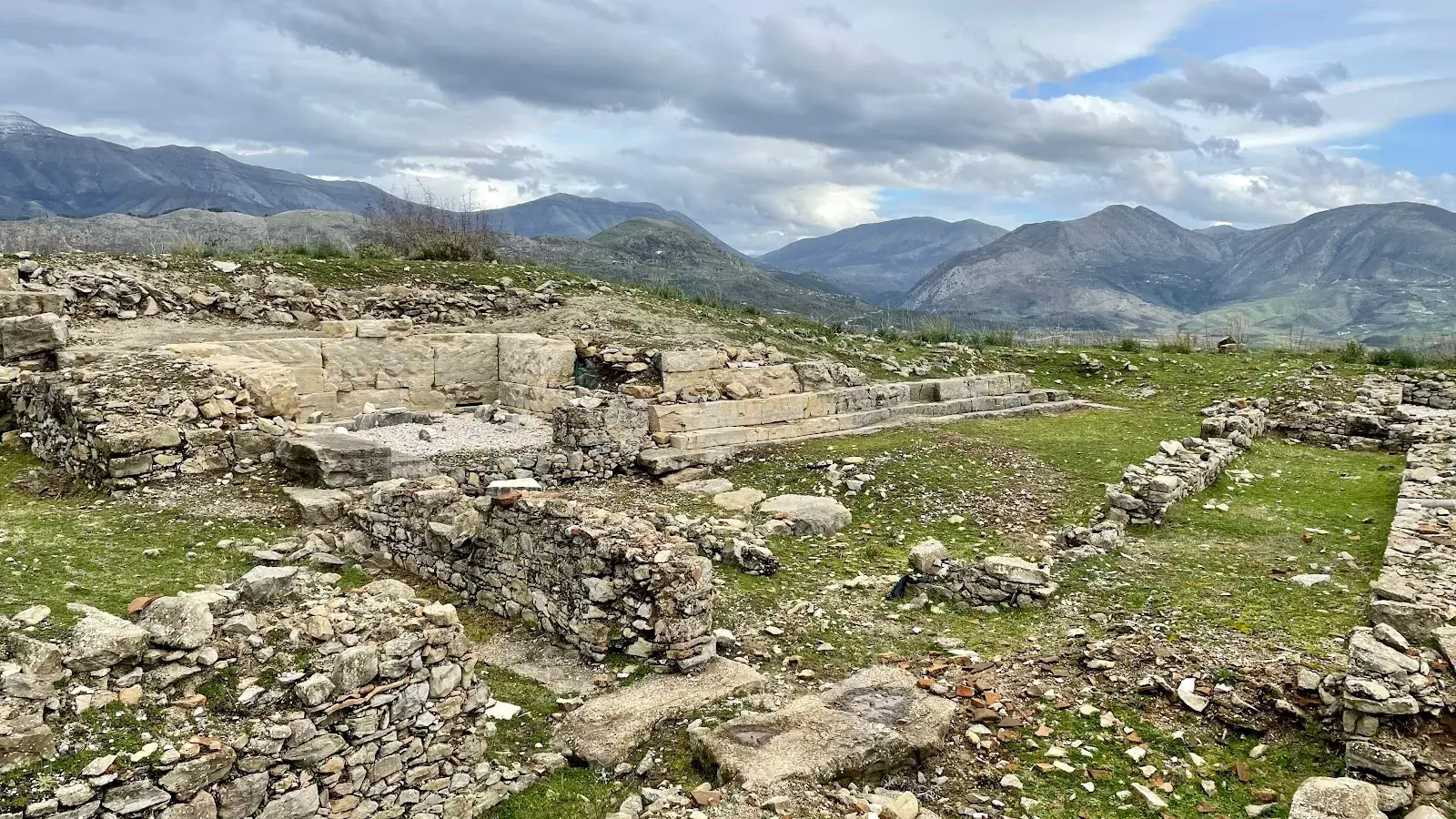
Ancient hilltop ruins and stone walls of Phoenice (Finiq) overlooking a green plain near Saranda
Hellenistic, Chaonian capital; Treaty of Phoenice 205 BC

Phoenice (Finiq)

Phoenice, ancient Φοινίκη and modern Finiq, was once one of the wealthiest cities in Epirus and the capital of the Chaonians. Today it's a quiet hilltop archaeological site above Finiq village, just inland from Saranda, where fortifications, a theatre and the outlines of the ancient city survive, including the spot where the 205 BC Treaty of Phoenice ended the First Macedonian War between Rome and Macedon.

Inland near Saranda, roughly a 1–1.5 hour drive south of Himara·45–60 minutes
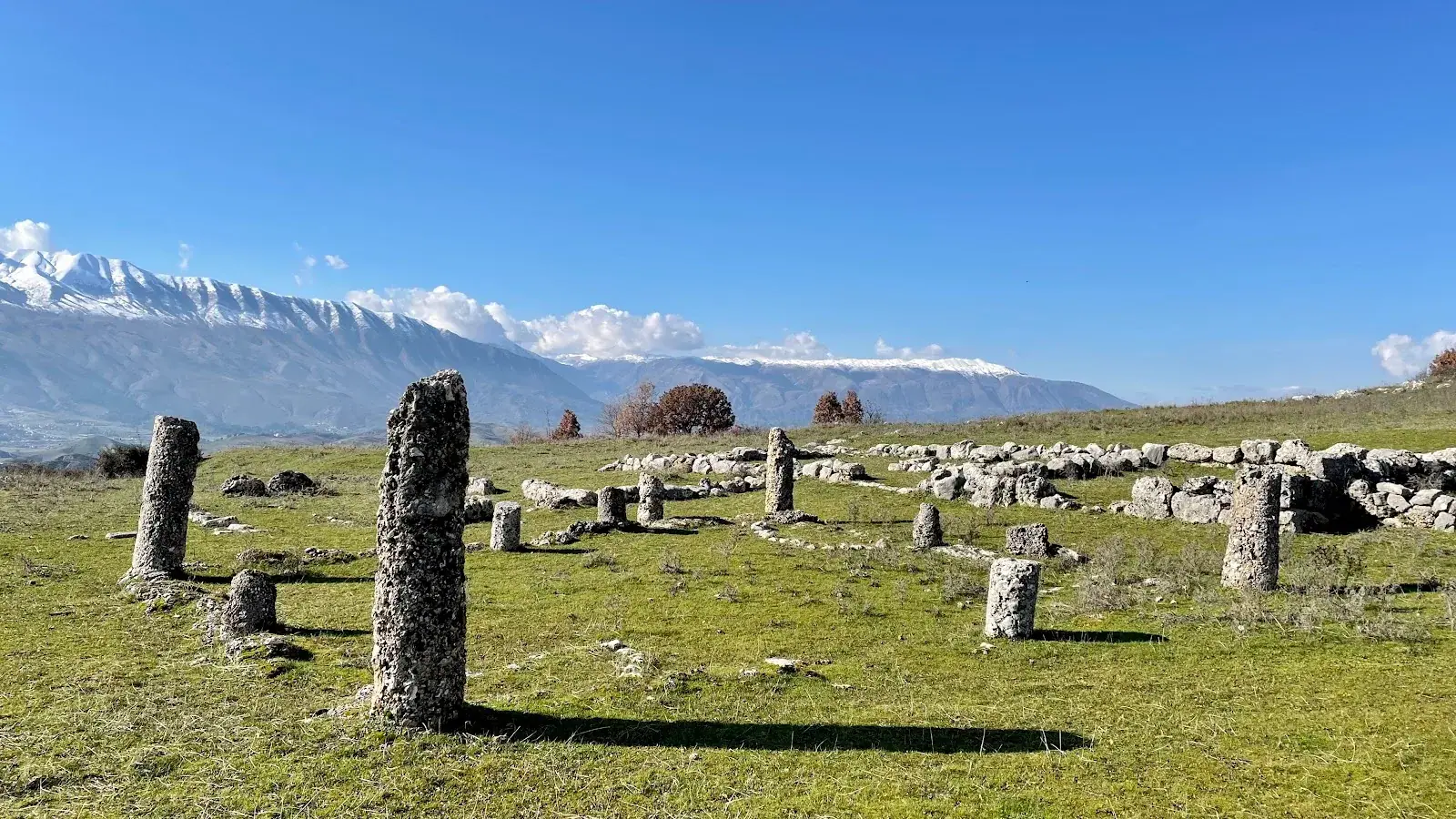
Ancient stone foundations of Antigonea on a hilltop overlooking the green Drino valley near Gjirokastër
Hellenistic, founded ~295 BC by King Pyrrhus

Antigonea Archaeological Park

Antigonea is a Hellenistic city founded around 295 BC by King Pyrrhus (of "Pyrrhic victory" fame) and named for his wife Antigone. It once commanded the Drino valley from a long hilltop ridge; today it's an archaeological park of foundations and walls, with wide views over the valley.

Drino valley near Gjirokastër, roughly a 2–2.5 hour drive east of Himara·1–1.5 hours
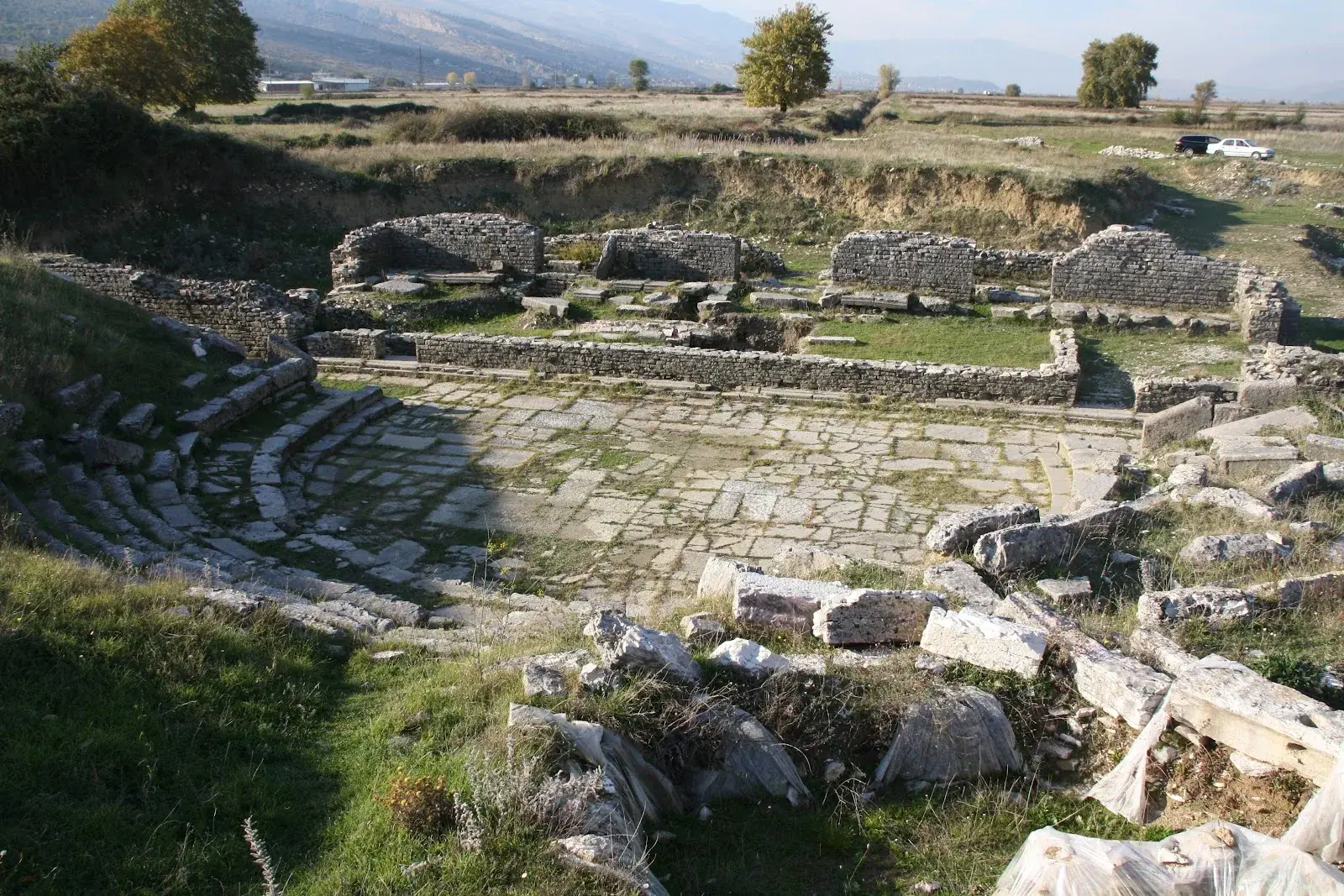
The semicircular ancient Roman stone theatre of Hadrianopolis in a green Drino-valley field with mountains behind
2nd century AD (Roman); later Byzantine under Justinian

Hadrianopolis Roman Theatre

Hadrianopolis is the rare ancient site that reads instantly even without a guide: a compact Roman theatre, its stone seating intact enough to sit where audiences sat 1,800 years ago, set in a quiet green field in the Drino valley. Founded in the 2nd century AD and named for Emperor Hadrian, it's one of southern Albania's most accessible archaeological stops: a short drive from Gjirokastër, free to wander, and almost always empty.

Drino valley near Gjirokastër, roughly a 2–2.5 hour drive east of Himara·30–45 minutes

Въпроси за забележителностите на Химара

Какви исторически места могат да се посетят около Химара?

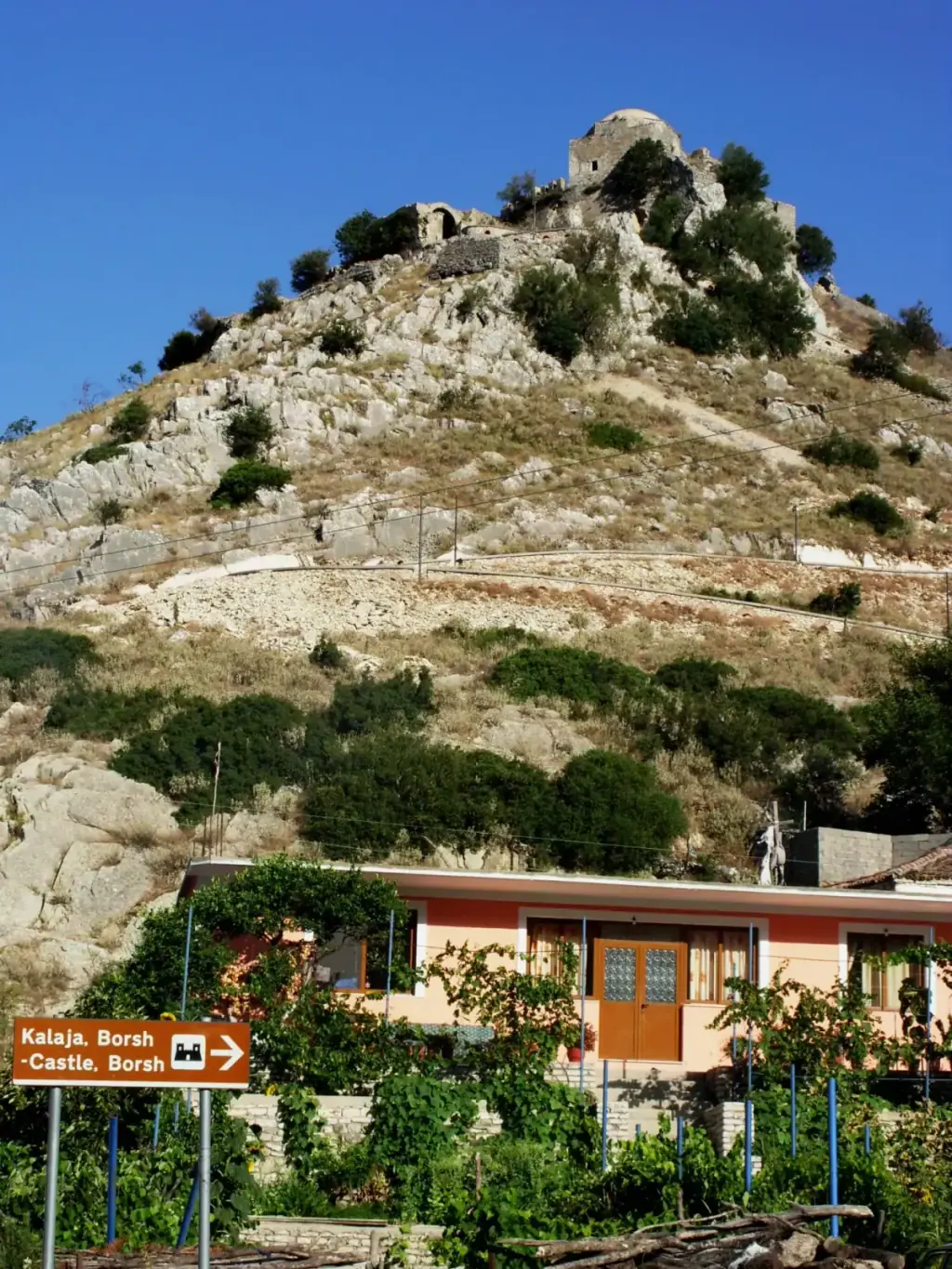
Главната атракция е крепостта на Химара на хълма и нейният стар град, укрепен и обитаван от около V в. пр. Хр. На юг по крайбрежието са крепостта Порто Палермо – укреплението на Али паша на собствен полуостров (ок. 1804 г.), и крепостта Борш, както и тунелът за подводници от Студената война в Порто Палермо. На север и във вътрешността се намират православни манастири: Свети Теодор, Атали и Панагия Дримадон.

Има ли входна такса за крепостите и манастирите?

Повечето са безплатни, включително старият град в Химарската крепост, замъкът Борш и манастирите. Основното изключение е замъкът Порто Палермо, където входът е около 300 ALL (~3 €) и се плаща само в албански леки, затова носете пари в брой. На няколко места има и малка такса за паркиране от около 200–300 ALL.

На колко години е Химарската крепост?

Много стара. Хълмът е укрепен още около V век пр.н.е., с по-късни византийски и османски пластове, а част от стария град зад стените е обитаем и днес. До нея се стига за 15–20 минути пеша нагоре от крайбрежната алея.

Как се стига до забележителностите извън града?

Повечето са на кратко разстояние с кола по крайбрежния път SH8: замъкът и подводничарският тунел в Порто Палермо са на около 10 км на юг (15–20 мин), замъкът Борш – на около 20 км на юг, а манастирите „Свети Теодор“ и „Панагия Дримадон“ – на около 15 км на север. Изключение е манастирът Атали – до него се стига с около двучасов преход навътре в сушата от плажа Спиле.

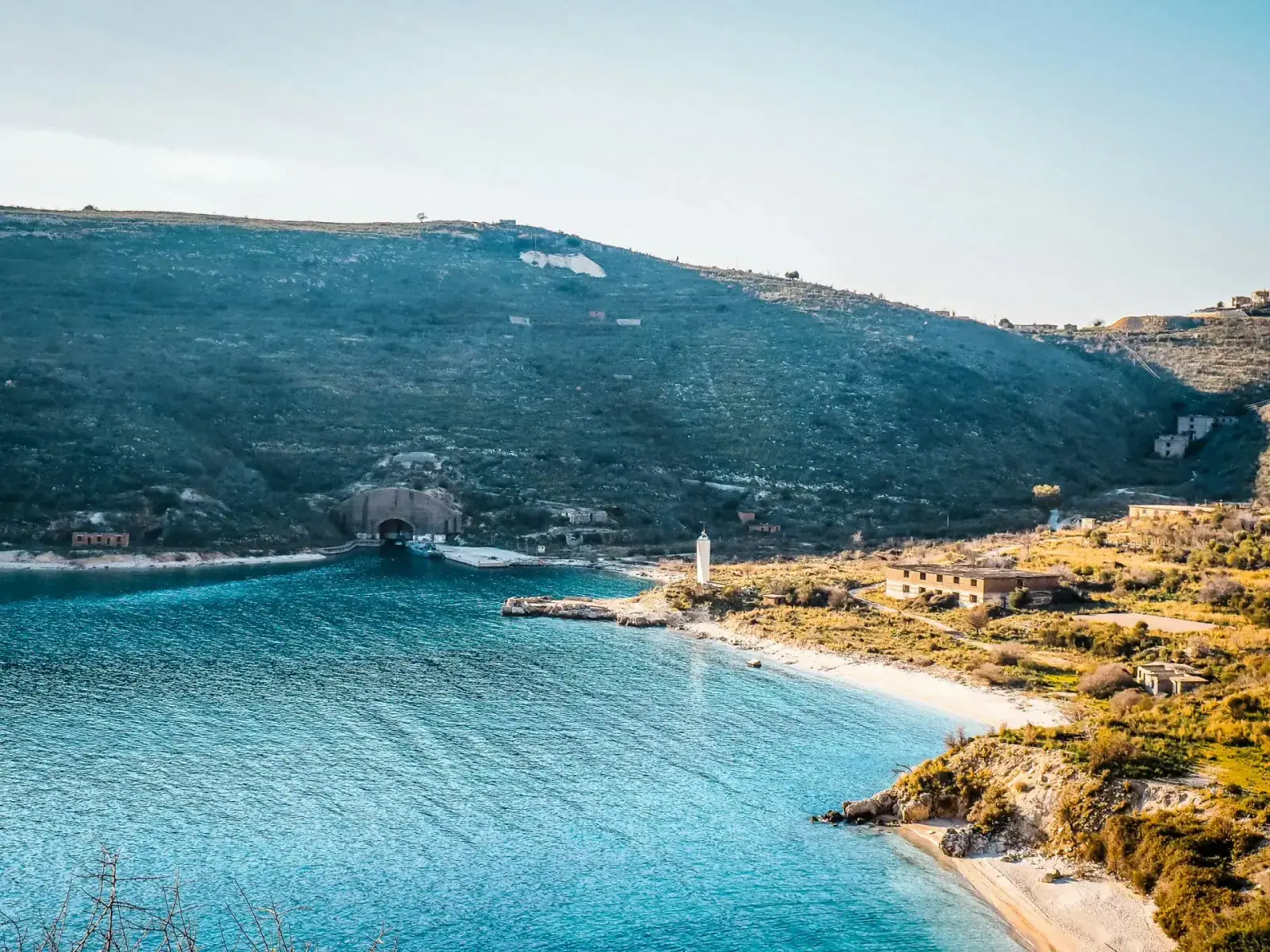
Какво представлява подводничарският тунел в Порто Палермо?

Военноморска база от Студената война, построена между 1969 и 1988 г., когато албанската армия е криела подводници в тунел, изсечен в носа при Порто Палермо. Можете да го видите безплатно от пътя или от лодка; влизането вътре е ограничено.

Планирате дни за разглеждане?

Съчетайте забележителностите с близките плажове, разходките с лодка и ресторантите, заради които си струва да останете по-дълго на Албанската ривиера.