Himara Castle & Old Town
In town, 15–20 min walk uphill from the promenade
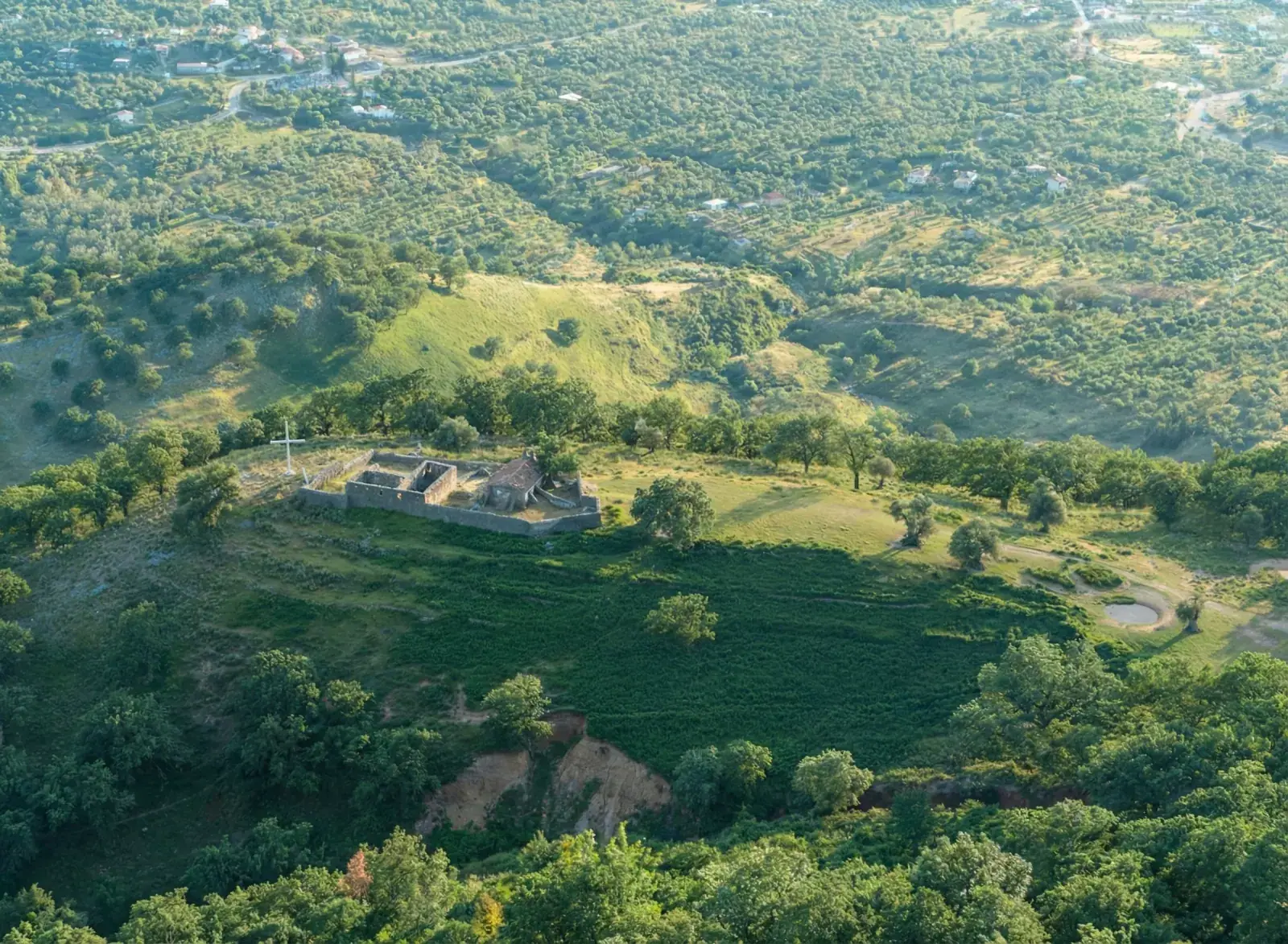
Mont Athali, au-dessus du centre de Himara
Le monastère d'Athali (albanais : Manastiri i Athalit, grec : Μονή Αθαλιού) se dresse en hauteur sur le mont Athali au-dessus de Himara, un lieu de pèlerinage isolé du XVIIIe siècle de style byzantin, accessible uniquement par une marche de 2 heures en montée. Le monastère est petit mais important : un lieu de pèlerinage orthodoxe toujours actif, associé à des récits de guérisons miraculeuses, et bâti dans l'une des positions les plus panoramiques de la Riviera. La plupart des voyageurs ne font jamais l'ascension, et c'est précisément pourquoi il reste l'un des sites les plus atmosphériques de la région.
Le monastère fut fondé au XVIIIe siècle, durant la fin de la période ottomane, lorsque la population himariote conservait une autonomie orthodoxe de fait malgré la domination ottomane nominale. Bâti dans le style architectural byzantin traditionnel, il servit de lieu de pèlerinage pour les villageois de toute la région de Himara. Des récits de guérisons miraculeuses, particulièrement associées à la source proche du monastère, y attirent des pèlerins depuis plus de 200 ans. L'athéisme de l'ère communiste réprima toute activité religieuse ouverte de 1967 à 1990, mais le bâtiment survécut. Le pèlerinage a repris depuis.
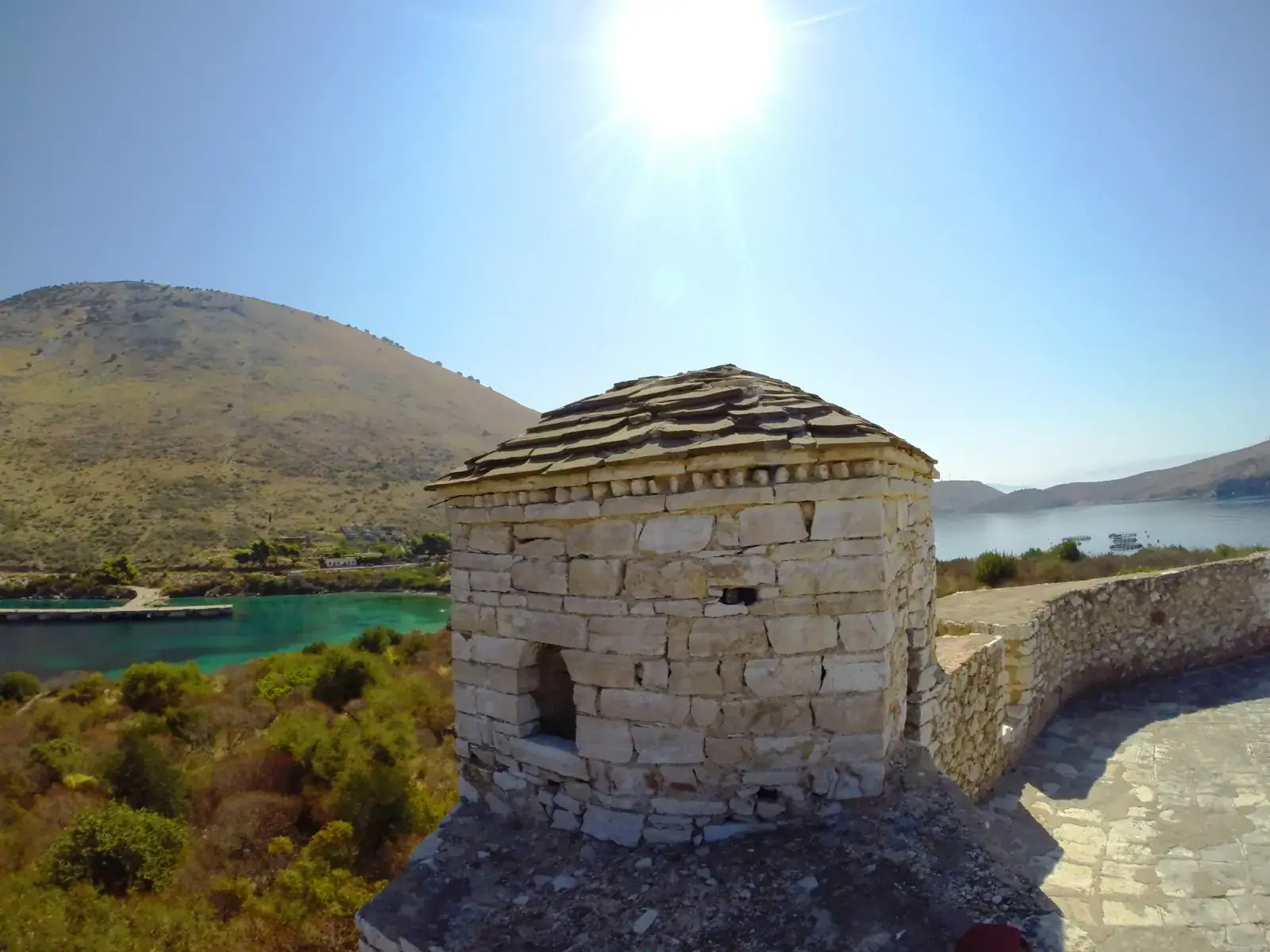
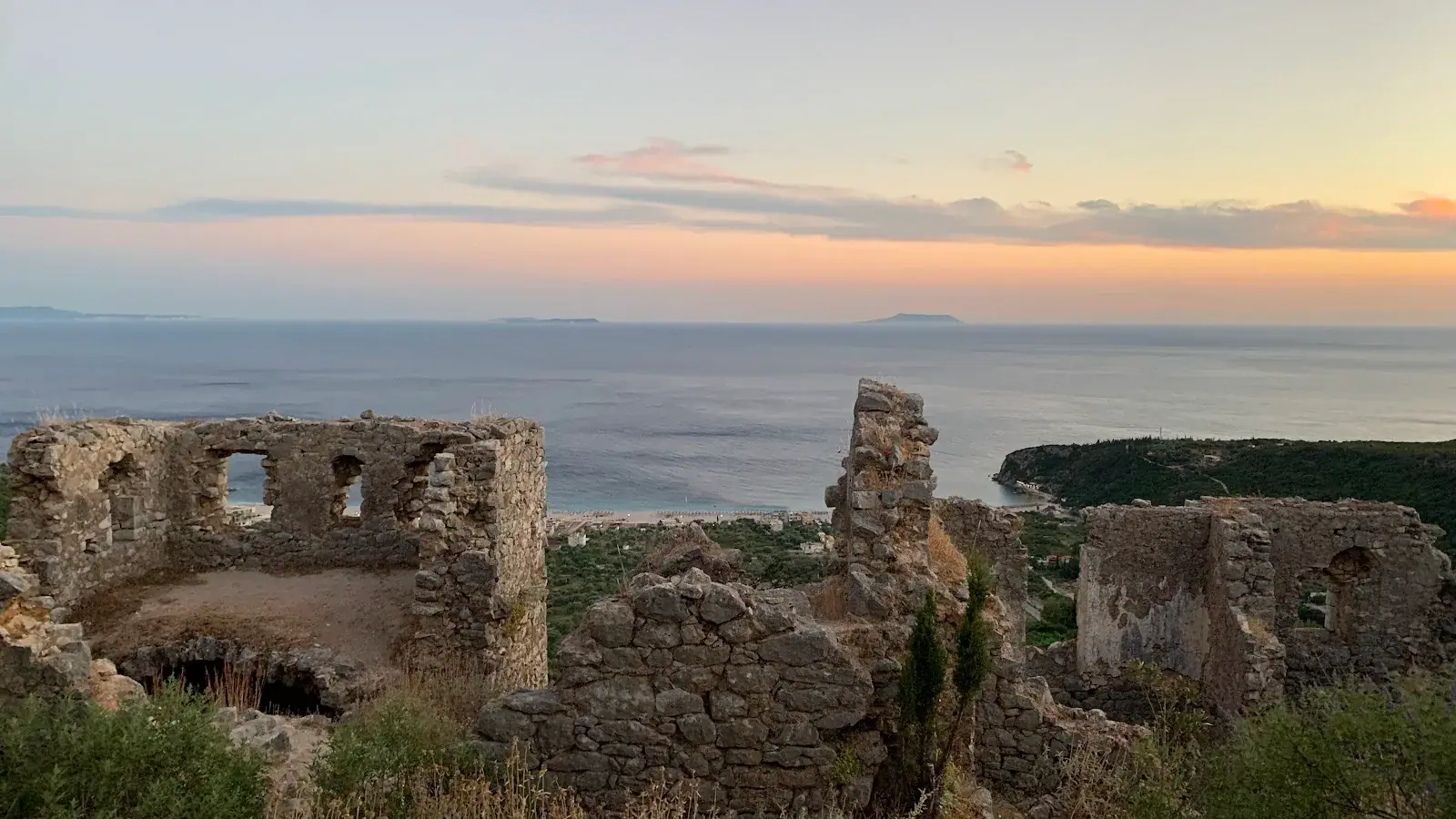
La chapelle de style byzantin du XVIIIe siècle à la construction traditionnelle en pierre ; la source associée à la tradition de pèlerinage du monastère ; des vues panoramiques sur Himara, la baie de Spile, et par temps clair tout le déroulé du littoral, au nord vers Dhermi et au sud vers Porto Palermo ; le sentier lui-même, d'anciens chemins muletiers à travers oliveraies et garrigue de montagne, avec la baie visible presque tout au long de la montée.
À pied uniquement. Le sentier part de Spile (centre de Himara) et grimpe d'environ 800 m de dénivelé en 2 heures, suivant d'anciens chemins muletiers à travers oliveraies et garrigue de montagne. Une piste 4x4 difficile existe mais ne convient pas aux voitures de location. Pour une visite confortable, engagez un guide local avec un véhicule tout-terrain, ou commencez la randonnée à 6h pour devancer la chaleur. Apportez 2 L d'eau par personne et de bonnes chaussures de randonnée.
Le printemps (avril-mai) et l'automne (septembre-octobre) pour des températures de randonnée fraîches. Évitez juillet et août, le sentier de montagne exposé est éprouvant sous la chaleur estivale. Partez avant le lever du soleil pour descendre dans l'air plus frais du matin.
Histoire, conseils pratiques et notes d'itinéraire en version longue, l'article qui va plus loin que cette page.
Pas avec une voiture de location classique. Une piste 4x4 très difficile existe, mais la surface est trop inégale pour les véhicules normaux et votre assurance ne couvrira pas les dommages. La plupart des visiteurs randonnent. Si vous devez conduire, engagez un guide local avec un véritable véhicule tout-terrain, renseignez-vous auprès de votre hébergement ou de tout voyagiste à Himara.
Environ 2 heures de montée et 1,5 heure de retour, selon la forme physique. Le sentier grimpe d'environ 800 m de dénivelé depuis Spile Beach. Prévoyez 3-4 heures au total, temps au monastère compris. Apportez 2 L d'eau par personne, de bonnes chaussures de randonnée, et partez avant le lever du soleil en été pour éviter la chaleur.
Oui, le pèlerinage a repris depuis 1990, après la fin de l'athéisme imposé par l'État. Le site demeure une destination de pèlerinage orthodoxe importante, particulièrement associée à des récits de guérison miraculeuse à la source proche du monastère. Des offices et rassemblements de pèlerins ont lieu lors des grandes fêtes orthodoxes ; la chapelle est sinon sans surveillance.
Le printemps (avril-mai) et l'automne (septembre-octobre) offrent les meilleures conditions, températures fraîches et bonne visibilité. Évitez juillet et août. Si vous randonnez en été, partez avant le lever du soleil pour grimper aux heures fraîches et redescendre en milieu de matinée. Le sentier de montagne exposé offre peu d'ombre.
Une information manquante ou incorrecte ? Écrivez-nous à info@himara.net