Himara Castle & Old Town
In town, 15–20 min walk uphill from the promenade
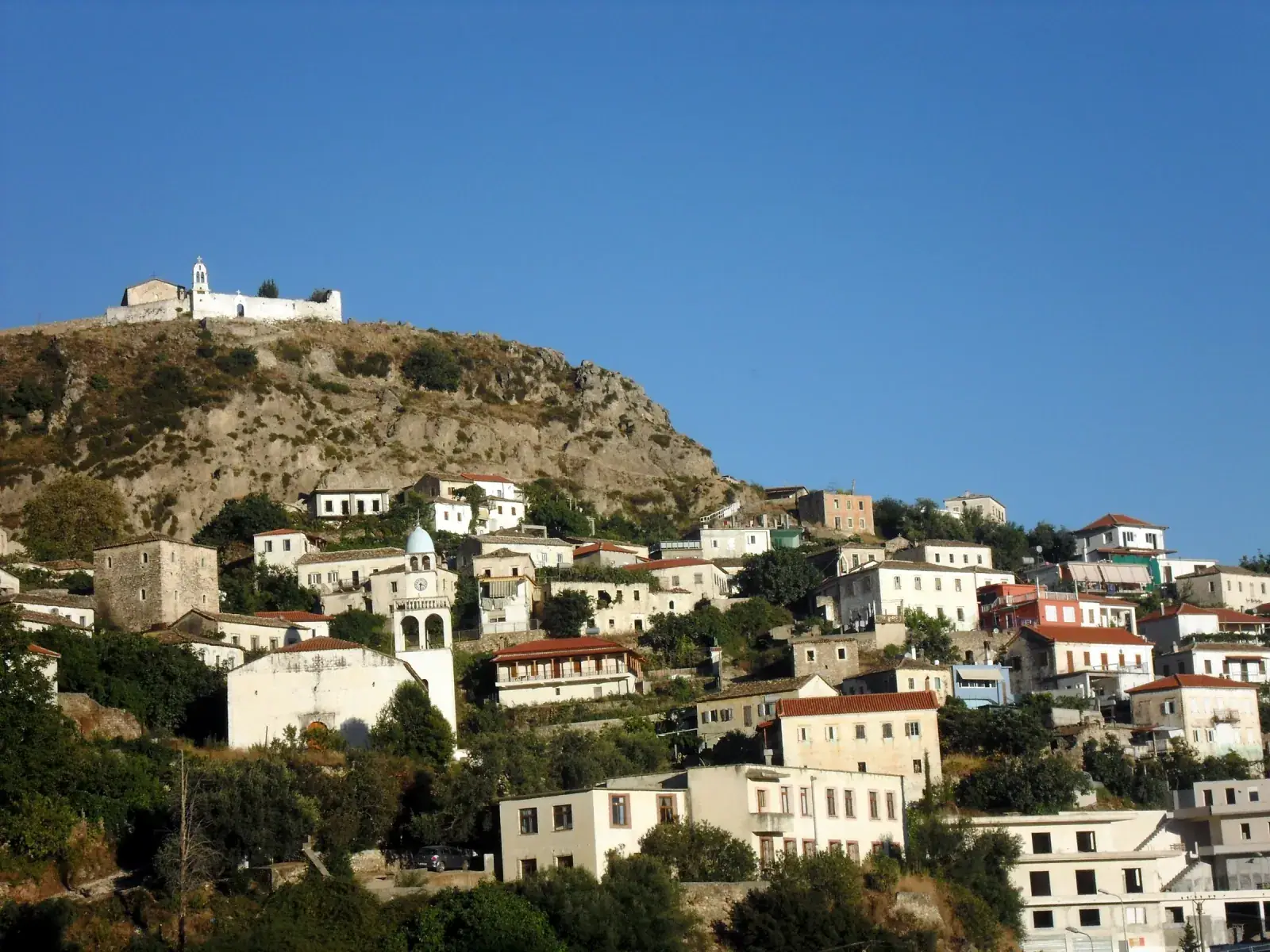
Λόφος ανάμεσα στο Dhermi και την Gjipe Beach
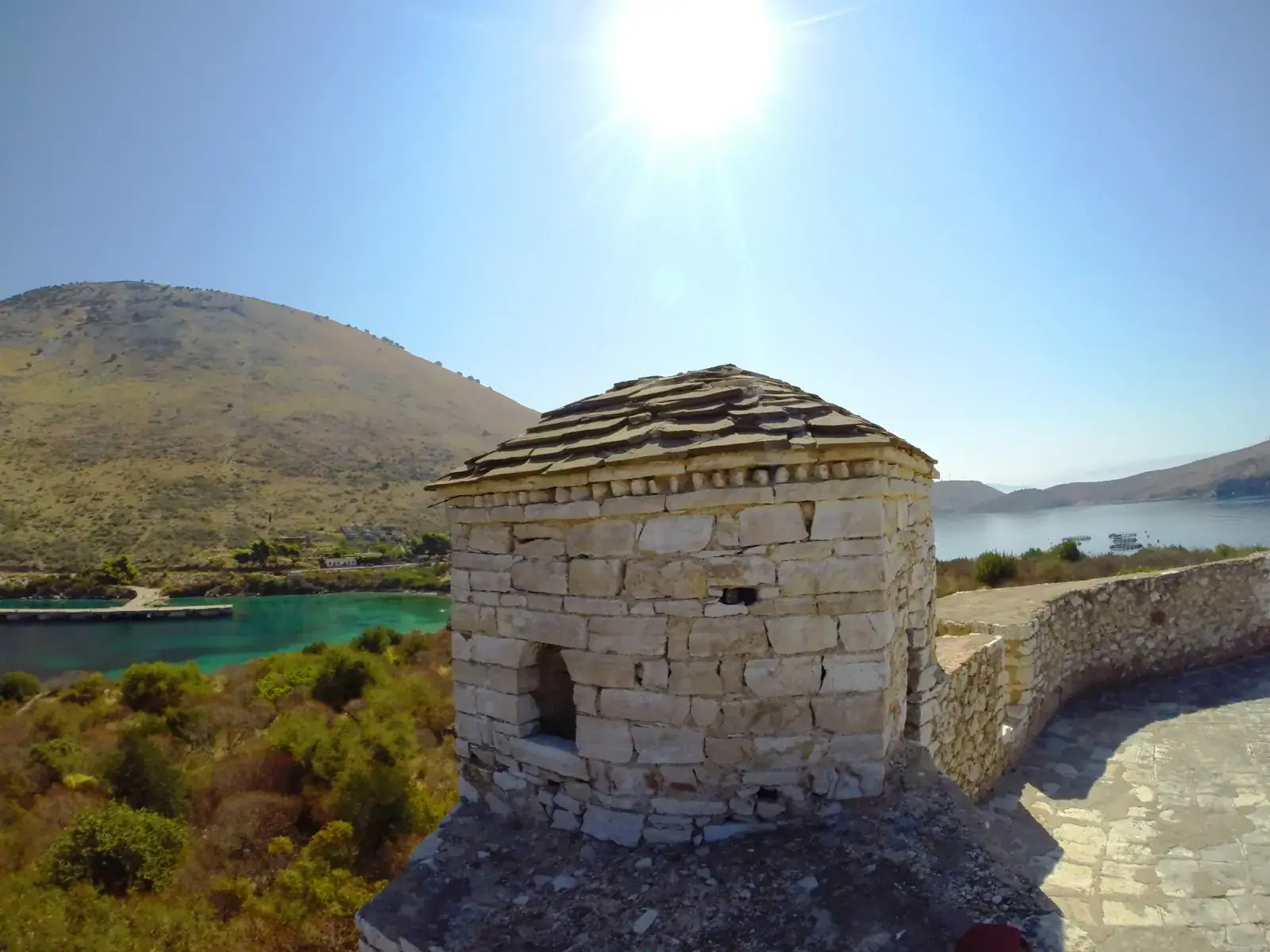
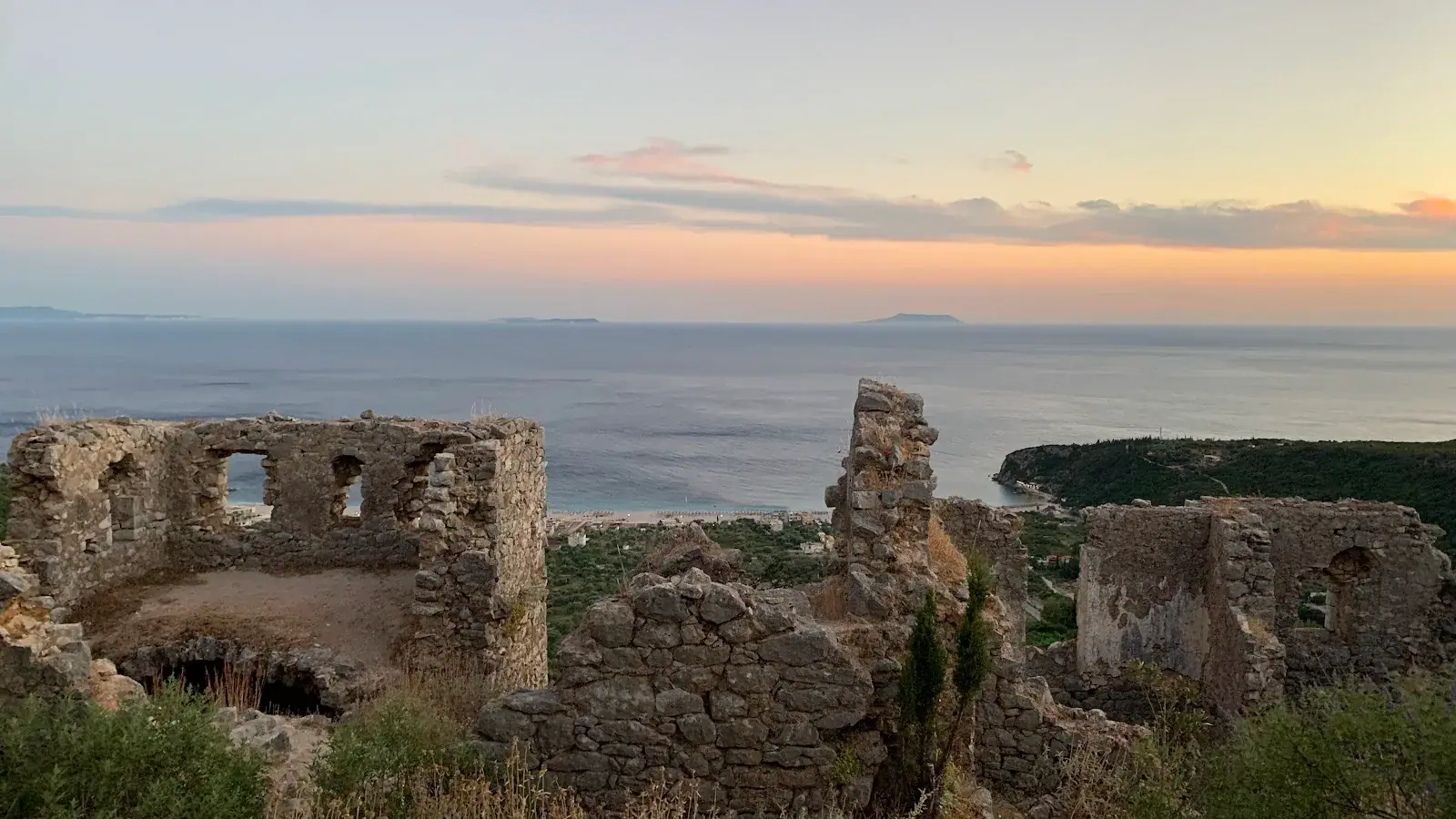
Η Μονή Αγίου Θεοδώρου (αλβανικά: Manastiri i Shën Theodhorit, ελληνικά: Μονή Αγίου Θεοδώρου) βρίσκεται σε μια κορυφή λόφου ανάμεσα στο Δέρμι και την παραλία Γκιπέ, ένα από τα πιο ιστορικά πολυεπίπεδα σημεία της Αλβανικής Ριβιέρας. Χτισμένη πάνω στα ερείπια ενός αρχαίου ναού του Δία, μετατράπηκε σε ορθόδοξο μοναστήρι τον 14ο αιώνα, χρησιμοποιήθηκε ως θέρετρο διακοπών του σοβιετικού ναυτικού τη δεκαετία του 1950, μετά αλβανικό στρατιωτικό φυλάκιο ως τα τέλη της δεκαετίας του 1980, και τώρα υπό αποκατάσταση. Αυτή η μοναδική κορυφή αφηγείται όλη την ιστορία της Αλβανίας σε συμπυκνωμένη μορφή.
Το παλαιότερο στρώμα είναι ένας αρχαίος ναός του Δία, προχριστιανικός, κλασικής περιόδου. Οι Βυζαντινοί έχτισαν το ορθόδοξο μοναστήρι από πάνω τον 14ο αιώνα. Το συγκρότημα λειτουργούσε συνεχώς μέχρι τον Β' Παγκόσμιο Πόλεμο, όταν το κατέλαβαν οι Ιταλοί. Μετά το σοβιετικό σχίσμα του 1961, το νέο αλβανικό καθεστώς χρησιμοποίησε τον χώρο ως στρατιωτικό παρατηρητήριο με θέα στον κόλπο, οχυρώνοντάς τον με πολυβολεία που είναι ακόμα ορατά. Νωρίτερα, μεταξύ 1948 και 1961, τμήματα του συγκροτήματος είχαν χρησιμεύσει ως θέρετρο διακοπών του σοβιετικού ναυτικού, αξιωματικοί που επισκέπτονταν από τη βάση υποβρυχίων του Pasha Liman έμεναν εδώ. Η αποκατάσταση ξεκίνησε μετά το 1991.
Θεμέλια και αποσπασματικά τείχη βυζαντινής εκκλησίας του 14ου αιώνα· ορατές πέτρες του αρχαίου ναού επαναχρησιμοποιημένες στην κατασκευή του μοναστηριού· πολυβολεία και στρατιωτικά βοηθητικά κτίσματα της εποχής Χότζα γύρω από την περίμετρο· πανοραμική θέα στην ακτή, νότια προς τη Himara και βόρεια προς το Llogara Pass, με την Gjipe Beach πολύ χαμηλότερα· τις εξαιρετικά καθαρές μέρες, η Κέρκυρα στον δυτικό ορίζοντα.
Οδηγήστε βόρεια από τη Himara στην SH8 (~15 χλμ, 20 λεπτά). Η στροφή είναι σηματοδοτημένη ως 'Manastiri i Shën Theodhorit' πριν φτάσετε στο χωριό Dhermi, στα αριστερά. Ένας στενός μονόδρομος ελίσσεται 2.5 χλμ μέσα από ελαιώνες προς έναν μικρό χώρο στάθμευσης, τον ίδιο που χρησιμοποιείται για την πρόσβαση στην Gjipe Beach. Από τη στάθμευση, ένα πλακόστρωτο μονοπάτι ανεβαίνει 10–15 λεπτά προς το μοναστήρι.
Πρωί για τις καθαρότερες θέες και τις δροσερότερες θερμοκρασίες. Η ανάβαση από τη στάθμευση είναι εν μέρει εκτεθειμένη. Συνδυάστε με την Gjipe Beach το απόγευμα, η ίδια στάθμευση εξυπηρετεί και τα δύο, και η παραλία είναι μια πιο μεγάλη κατηφορική διαδρομή από εκεί.
Ιστορία, πρακτικές συμβουλές και σημειώσεις διαδρομής σε εκτενή μορφή, το άρθρο που εμβαθύνει περισσότερο από αυτή τη σελίδα.
Πώς φτάνουν οι ξεναγοί σε αυτή την τοποθεσία με σκάφος, ποιες εκδρομές την περιλαμβάνουν και πώς φαίνεται η άφιξη από ανοιχτά.
Το φυσικό άλλο μισό της ημέρας. Άμμος και θάλασσα μετά από πέτρα και ιστορία.
Αυτές οι διαδρομές περιλαμβάνουν το Saint Theodore Monastery ως στάση. Οι τιμές είναι ανά άτομο και η κράτηση γίνεται online.
Διοργάνωση από Himara Sea Escapes
Όχι. Μπορείτε να οδηγήσετε 2.5 χλμ από την SH8 μέχρι έναν χώρο στάθμευσης μέσα από ελαιώνες, αλλά το τελευταίο κομμάτι των 10–15 λεπτών είναι ένα πλακόστρωτο μονοπάτι. Η στάθμευση κοστίζει 200–300 ALL (~€2–3). Η ίδια στάθμευση εξυπηρετεί την Gjipe Beach, οπότε γεμίζει στην αιχμή του καλοκαιριού, φτάστε πριν τις 10 π.μ. τον Ιούλιο και τον Αύγουστο.
Η είσοδος στο ίδιο το μοναστήρι είναι δωρεάν. Πληρώνετε μόνο για τη στάθμευση στον χώρο κοντά στην αρχή του μονοπατιού, 200–300 ALL (~€2–3). Δεν υπάρχουν καθορισμένες ώρες επίσκεψης, ούτε πύλη, ούτε εκδοτήριο εισιτηρίων. Ο χώρος βρίσκεται εν μέρει υπό αποκατάσταση· η πρόσβαση σε συγκεκριμένα κτίρια μπορεί να είναι περιορισμένη.
Χτίστηκε τον 14ο αιώνα πάνω στα θεμέλια ενός αρχαίου ναού του Δία. Λειτούργησε συνεχώς ως ορθόδοξο μοναστήρι μέχρι τον Β' Παγκόσμιο Πόλεμο. Μετά το 1948 χρησίμευσε ως θέρετρο διακοπών του σοβιετικού ναυτικού, και μετά ως αλβανικό στρατιωτικό φυλάκιο από το 1961 έως τα τέλη της δεκαετίας του 1980. Η αποκατάσταση ξεκίνησε μετά το 1991. Λίγα σημεία συμπυκνώνουν τόση αλβανική ιστορία σε έναν λόφο.
Ναι, αυτό είναι το τυπικό ημιήμερο πρόγραμμα. Ο ίδιος χώρος στάθμευσης εξυπηρετεί και τα δύο. Επισκεφθείτε πρώτα το μοναστήρι (1.5–2 ώρες), και μετά περπατήστε το κατηφορικό μονοπάτι προς την Gjipe Beach για το απόγευμα. Η παραλία είναι από τις ομορφότερες της Ριβιέρας, με βότσαλα, εν μέρει για γυμνισμό, και προσβάσιμη μόνο με τα πόδια ή με σκάφος.
Λείπει ή είναι λάθος κάτι; Στείλτε μας email στο info@himara.net