Himara Castle & Old Town
In town, 15–20 min walk uphill from the promenade
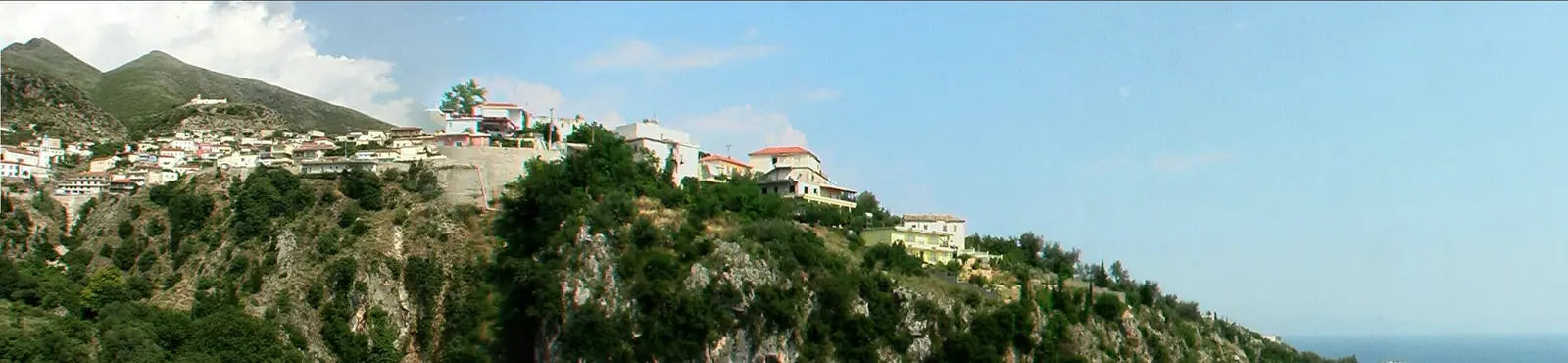
Λόφος πάνω από το χωριό Dhermi, υψόμετρο 257 μ.
Η Μονή Παναγίας Δρυμάδων (αλβανικά: Manastiri i Shën Mërisë, ελληνικά: Παναγία Δρυμάδων), γνωστή και ως Μονή της Αγίας Μαρίας, βρίσκεται σε μια κορυφή λόφου στα 257 μ. υψόμετρο πάνω από το χωριό Δέρμι. Χτισμένη τον 13ο–14ο αιώνα, είναι Πολιτιστικό Μνημείο της Αλβανίας και ένα από τα καλύτερα διατηρημένα παραδείγματα θρησκευτικής αρχιτεκτονικής βυζαντινής εποχής στην Αλβανική Ριβιέρα. Η μονή λειτούργησε αδιάκοπα για πάνω από 600 χρόνια, μέσα από τη βυζαντινή παρακμή, την οθωμανική κυριαρχία και την ιταλική κατοχή, ως το 1967, όταν το κομμουνιστικό καθεστώς ανάγκασε την τελευταία μοναχή να φύγει.
Η βασιλική ιδρύθηκε τον 13ο–14ο αιώνα κατά την ύστερη βυζαντινή περίοδο. Ο πληθυσμός των Χιμαριωτών διατήρησε την ορθόδοξη πρακτική μέσα από 500 χρόνια οθωμανικής κυριαρχίας, και η Παναγία των Δρυμάδων παρέμεινε σε λειτουργία καθ' όλη τη διάρκεια. Το 1781, ο Αρχιεπίσκοπος Χιμάρας και Δελβίνου ανέθεσε ένα πρόγραμμα τοιχογραφιών που σώζεται ακόμα στο εσωτερικό της εκκλησίας, ένας από τους καλύτερα διατηρημένους κύκλους τοιχογραφιών στην ακτή. Το μοναστήρι λειτούργησε χωρίς διακοπή μέχρι το 1967, όταν το καθεστώς Χότζα επέβαλε το κλείσιμο όλων των θρησκευτικών ιδρυμάτων στην Αλβανία. Η τελευταία μοναχή εκδιώχθηκε. Η αποκατάσταση ξεκίνησε στις αρχές της δεκαετίας του 1990.
Η βασιλική του 13ου–14ου αιώνα με αυθεντική βυζαντινή λιθοδομή· το πρόγραμμα τοιχογραφιών του 1781 που ανέθεσε ο Αρχιεπίσκοπος Χιμάρας και Δελβίνου, ένας από τους πληρέστερους κύκλους τοιχογραφιών στη Ριβιέρα· τα σωζόμενα μοναστικά κελιά γύρω από την εκκλησία· πανοραμική θέα πάνω από το χωριό Dhermi από κάτω, το Ιόνιο προς τα δυτικά, και την ακτογραμμή που εκτείνεται βόρεια προς το Llogara και νότια προς τη Himara.
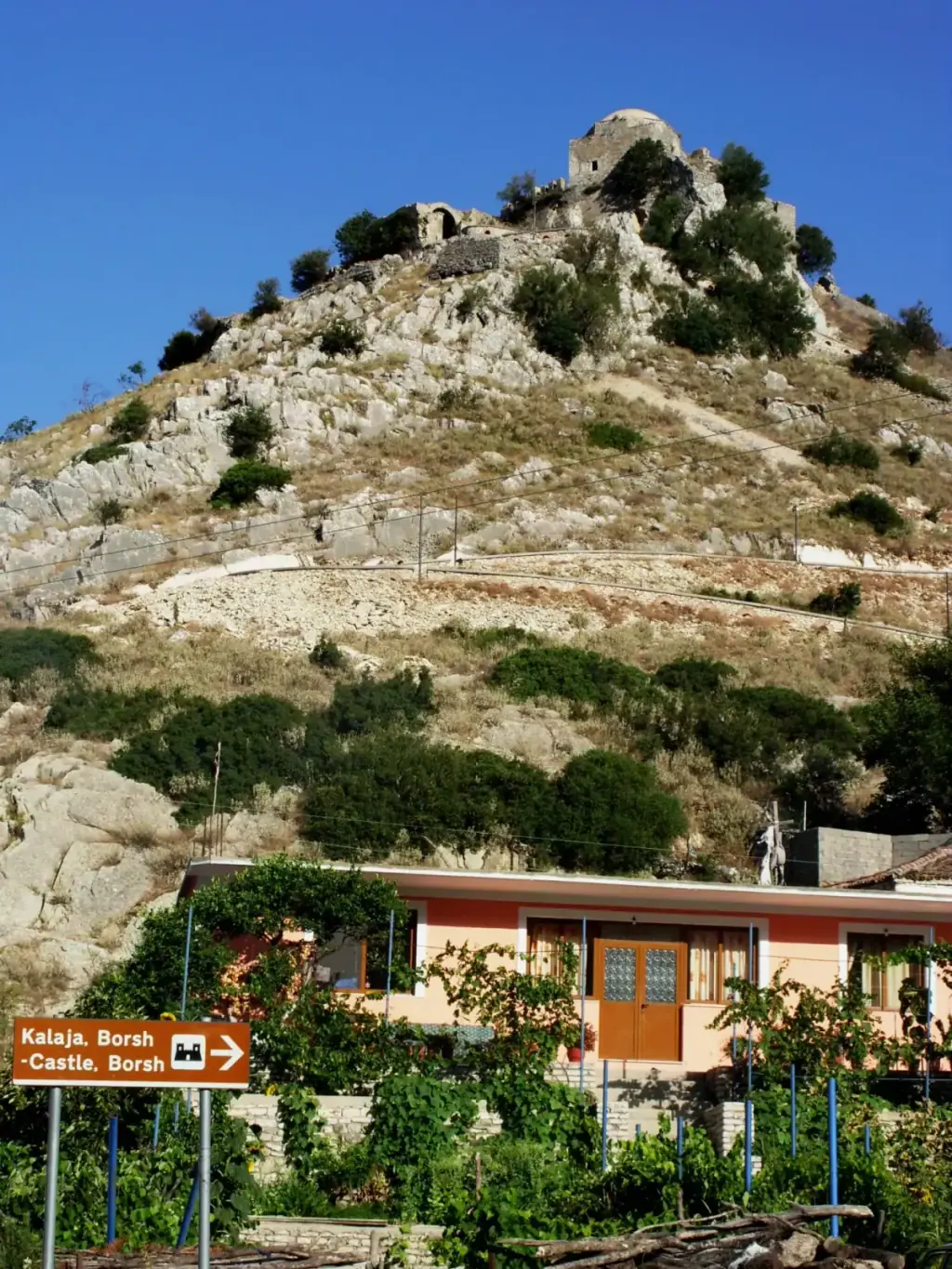
Οδηγήστε βόρεια από τη Himara στην SH8 (~15 χλμ, 20 λεπτά) και συνεχίστε μέσα στο χωριό Dhermi. Από το πάνω χωριό, ακολουθήστε τη Rruga Vlladas ή ρωτήστε τους ντόπιους για οδηγίες, το μοναστήρι είναι σηματοδοτημένο και ορατό στην πλαγιά από πάνω. Μια σύντομη ανηφορική διαδρομή 10–15 λεπτών με τα πόδια από το πάνω χωριό οδηγεί στο μοναστήρι. Το μονοπάτι είναι ασφαλτοστρωμένο αλλά απότομο σε σημεία.
Αργά το πρωί για το καλύτερο φως στις τοιχογραφίες μέσα στην εκκλησία (όταν οι πόρτες είναι ανοιχτές). Η θέση στον λόφο είναι εκτεθειμένη· οι απογευματινές επισκέψεις το καλοκαίρι μπορεί να είναι ζεστές. Οι μεγάλες ορθόδοξες γιορτές (Κοίμηση της Θεοτόκου, 15 Αυγούστου) προσελκύουν τις μεγαλύτερες τοπικές συναθροίσεις.
Ιστορία, πρακτικές συμβουλές και σημειώσεις διαδρομής σε εκτενή μορφή, το άρθρο που εμβαθύνει περισσότερο από αυτή τη σελίδα.
Οδηγήστε βόρεια από τη Himara στην SH8 προς το Dhermi (~15 χλμ, 20 λεπτά). Από το πάνω χωριό, ακολουθήστε τη Rruga Vlladas, το μοναστήρι είναι σηματοδοτημένο και ορατό στην πλαγιά από πάνω. Μια διαδρομή 10–15 λεπτών ανηφορικά με τα πόδια από το πάνω χωριό οδηγεί στον χώρο. Το μονοπάτι είναι ασφαλτοστρωμένο αλλά απότομο σε σημεία.
Ο λόφος και το εξωτερικό της εκκλησίας είναι προσβάσιμα οποιαδήποτε στιγμή τις ώρες με φως ημέρας. Το εσωτερικό, συμπεριλαμβανομένων των τοιχογραφιών του 1781, είναι γενικά κλειδωμένο εκτός λειτουργιών. Ρωτήστε στο χωριό, ή σχεδιάστε την επίσκεψή σας για μια μεγάλη ορθόδοξη γιορτή (η Κοίμηση της Θεοτόκου στις 15 Αυγούστου προσελκύει το μεγαλύτερο πλήθος και η εκκλησία θα είναι ανοιχτή).
Ναι, το μοναστήρι αποκαταστάθηκε μετά το 1990 και οι ορθόδοξες λειτουργίες επαναλαμβάνονται τις μεγάλες γιορτές. Δεν είναι πλέον μόνιμη μοναστική κοινότητα (η τελευταία μοναχή εκδιώχθηκε το 1967), αλλά λειτουργεί ως ενεργή εκκλησία και τόπος προσκυνήματος. Λειτουργίες και συναθροίσεις γίνονται πιο αξιόπιστα την Κοίμηση της Θεοτόκου (15 Αυγούστου).
Το πρόγραμμα τοιχογραφιών χρονολογείται από το 1781, ανατέθηκε από τον Αρχιεπίσκοπο Χιμάρας και Δελβίνου. Είναι ένας από τους καλύτερα διατηρημένους μεταβυζαντινούς κύκλους τοιχογραφιών της Αλβανικής Ριβιέρας. Η ίδια η βασιλική είναι παλαιότερη, 13ος–14ος αιώνας, αλλά τα σωζόμενα έργα στο εσωτερικό είναι η ανάθεση των τελών του 18ου αιώνα.
Λείπει ή είναι λάθος κάτι; Στείλτε μας email στο info@himara.net